October 20, 2026
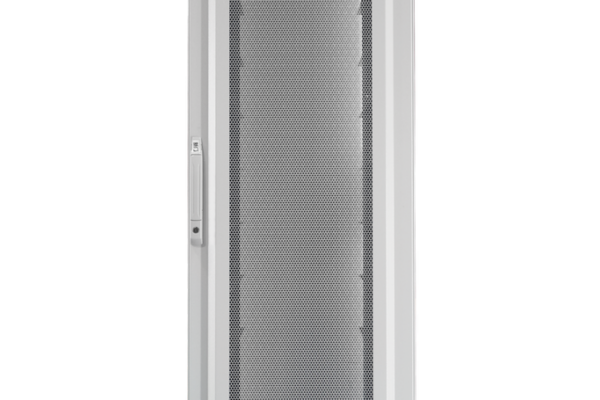
System integrators, panel builders, and procurement teams in industrial automation rarely fail because they lack a control design. They lose time—and budget—when a standard enclosure corrodes, leaks, or fails inspection in a washdown environment, forcing costly changeouts and delaying factory acceptance testing.TPS Elektronik’s sheet metal processing services are built to eliminate that risk: NEMA 4X… Read More »
October 19, 2026
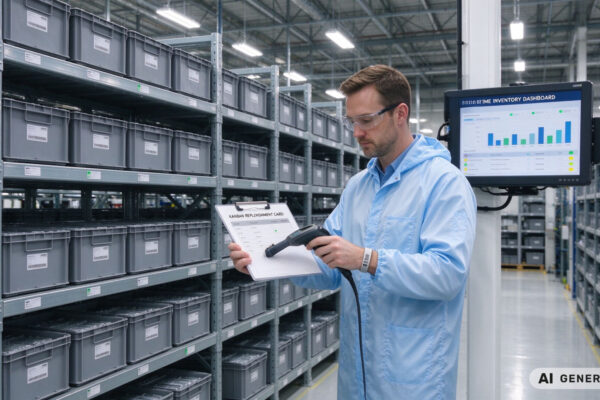
System integrators, panel builders, and procurement teams in electronics manufacturing rarely lose production time because they lack a design or a supplier. They lose time—and margin. When a single long-lead component is not available at the line-side bin, forcing a partial build, a rescheduled SMT run. Or an expedited spot-market purchase at three to ten… Read More »
October 13, 2026
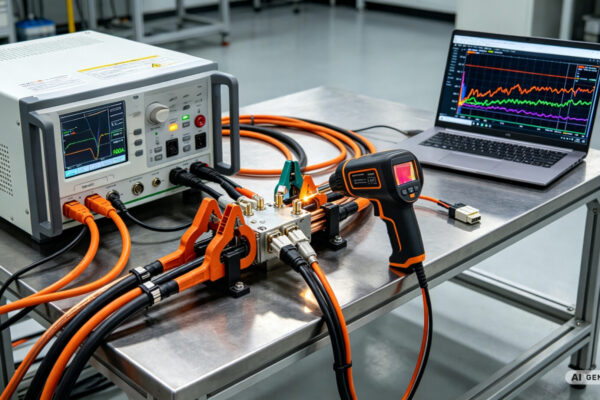
System integrators, panel builders, and procurement teams in the automotive supply chain rarely fail because they lack a harness design. They lose time—and budget—when high amperage test results do not match expectations, triggering repeated connector validation cycles and delaying PPAP or CE marking.TPS Elektronik’s approach to high amperage power supply integration for wire harness and… Read More »
October 12, 2026
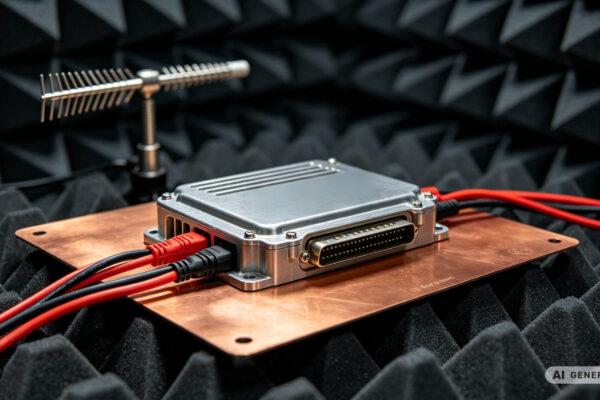
System integrators, panel builders, and procurement teams in the automotive electronics industry rarely fail because they lack a product design. They lose time—and budget—when CISPR 25 radiated emissions testing reveals failures at an accredited laboratory, forcing costly redesigns, re-testing fees, and delayed vehicle program milestones. TPS Elektronik’s EMC laboratory services are built to reduce that… Read More »
October 6, 2026
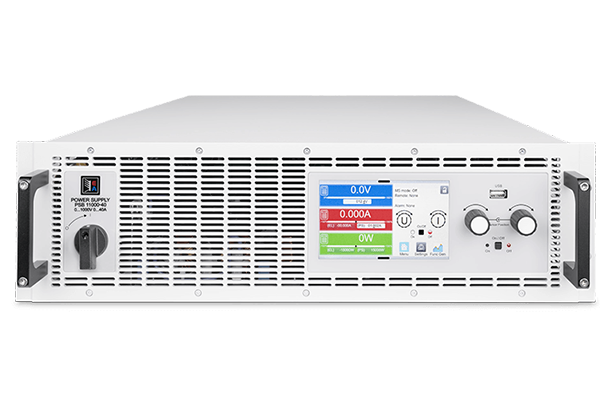
For system integrators, panel builders, and procurement teams supporting test and measurement environments, the power supply is not just a source of DC voltage—it is a critical component that directly affects measurement accuracy, test repeatability, and equipment reliability. A power supply with excessive ripple, poor load regulation, or inadequate transient response can introduce errors that… Read More »
October 5, 2026
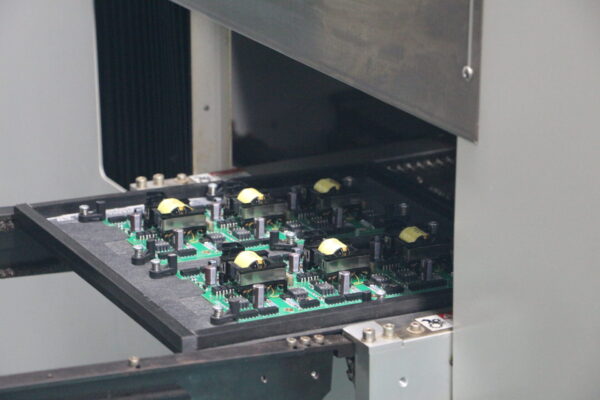
For system integrators, electrical engineers, and procurement teams developing wearable electronics, the gap between a working design and a manufacturable product often bridged by prototyping. Wearable devices—smartwatches, fitness trackers, medical sensors, and hearables—demand flexible and rigid-flex PCB architectures that can survive bending, twisting, and continuous wear. Validating these designs requires prototyping services that understand not… Read More »
September 29, 2026
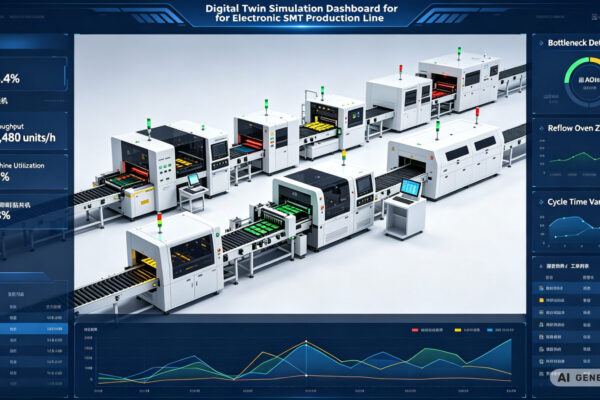
For system integrators, production engineers, and procurement teams in electronics manufacturing, optimizing a production line is not about guessing—it is about knowing. What if you could simulate every change before implementing it on the factory floor? What if you could predict bottlenecks, balance workloads, and validate SMT programs without stopping production? TPS Elektronik’s smart manufacturing… Read More »
September 28, 2026
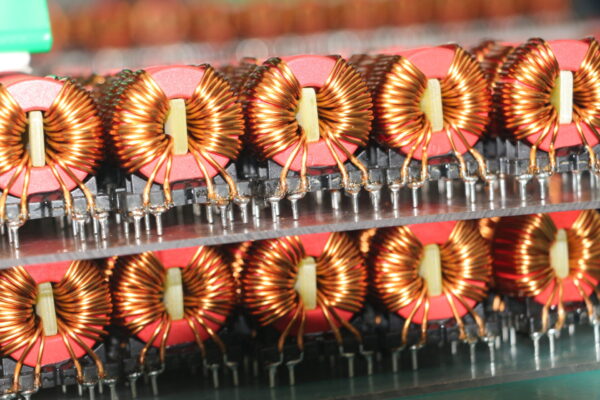
For system integrators, power electronics engineers, and procurement teams designing high-frequency switch-mode power supplies (SMPS), transformer winding losses are not a secondary concern. They are a primary constraint that determines efficiency, thermal performance, and reliability. At switching frequencies above 50 kHz, skin effect and proximity effect can cause the effective AC resistance of copper windings… Read More »
September 22, 2026
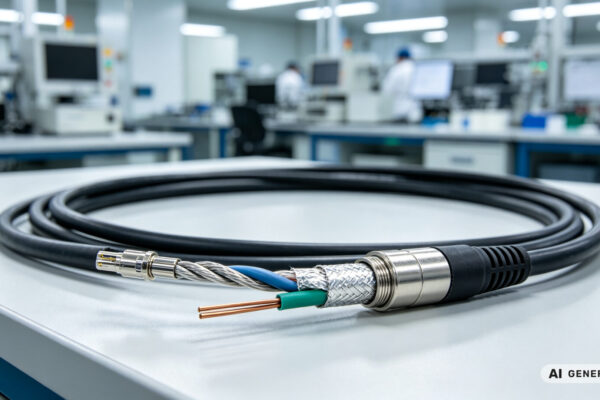
For system integrators, panel builders, and electrical engineers working with industrial temperature measurement, the cable connecting an RTD or thermocouple sensor to the control system is not a passive component—it is an active part of the measurement chain. A poorly chosen or improperly assembled cable can introduce errors that compromise process control, product quality, and… Read More »