November 11, 2026
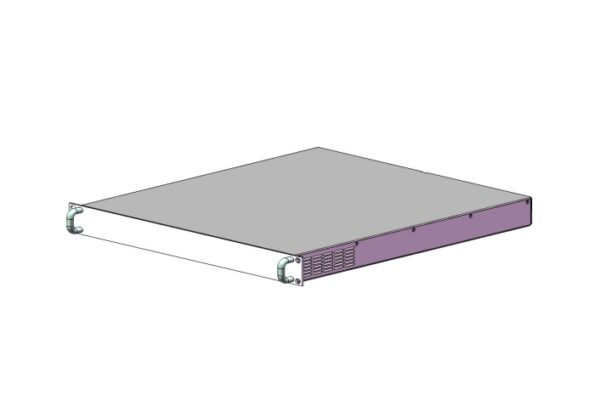
A 1U 19-inch chassis can free valuable rack space, but only when the complete assembly fits, cools correctly, and remains serviceable. For OEMs, system integrators, panel builders, and procurement teams, the buying decision starts with the mechanical drawing and ends with an agreed delivery scope. The TPS 1U chassis BJ9900001 provides a documented starting point… Read More »
November 6, 2026
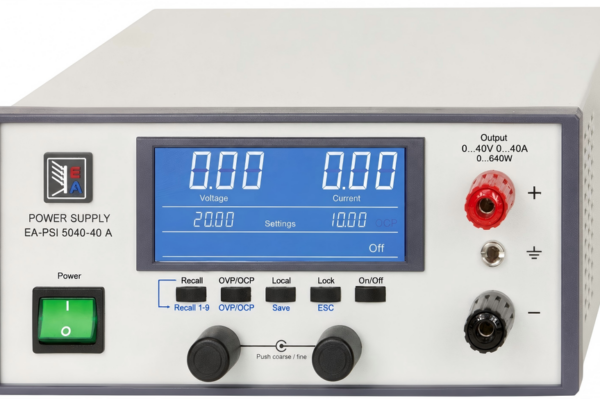
For system integrators, panel builders, and engineering-driven procurement teams, selecting a bench power supply for precision circuit development is not only about voltage and current ratings. It also involves output ripple, load regulation, remote sensing, resolution, protection behavior, and whether the supply can deliver a repeatable setpoint at the device terminals — not just at… Read More »
November 6, 2026
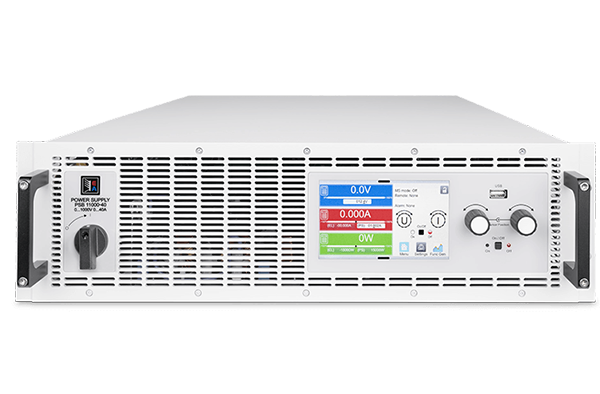
For system integrators, panel builders, and engineering-driven procurement teams, selecting a power supply for IGBT and SiC characterization is not only about wattage. It also involves voltage and current envelope, output ripple, remote sensing, automation interfaces, protection behavior, and whether the supply can support both static V-I sweeps and dynamic double-pulse tests without becoming the… Read More »

November 4, 2026
Custom 19-inch power cabinets | Engineering and RFQ guide A custom pre-wired cabinet should arrive with a defined electrical architecture, accessible interfaces, and documentation that helps your team commission the system. For industrial power projects, the purchasing decision therefore extends beyond enclosure dimensions: it includes AC distribution, DC busbars, protective devices, cooling, safety functions, and… Read More »
October 30, 2026
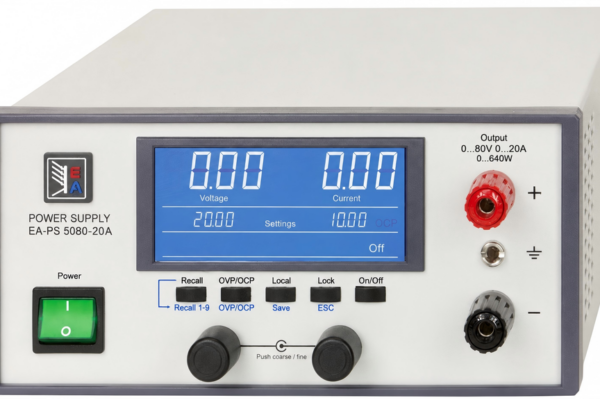
For system integrators, panel builders, and engineering-driven procurement teams, selecting a laboratory power supply is not only about voltage and current ratings. It also involves output ripple, load regulation, transient response, remote control capability, and whether the supply can deliver stable, repeatable power for measurements where a millivolt of noise corrupts the result. The EA-PS… Read More »
October 30, 2026
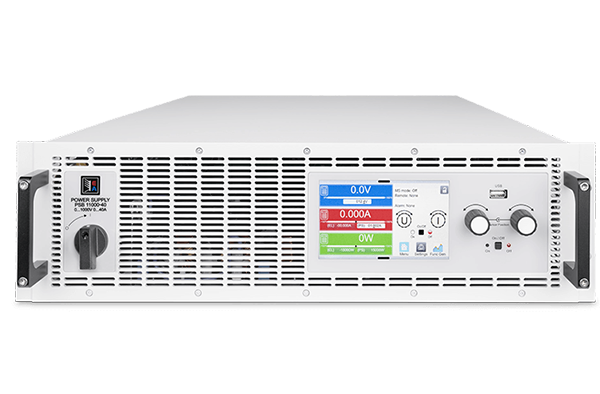
For system integrators, panel builders, and engineering-driven procurement teams, selecting a power supply for EV battery testing is not only about wattage. It also involves bidirectional energy flow, regenerative efficiency, autoranging output flexibility, and whether the system can recover discharged energy instead of dissipating it as heat—a factor that directly determines operating cost in high-volume… Read More »
October 29, 2026
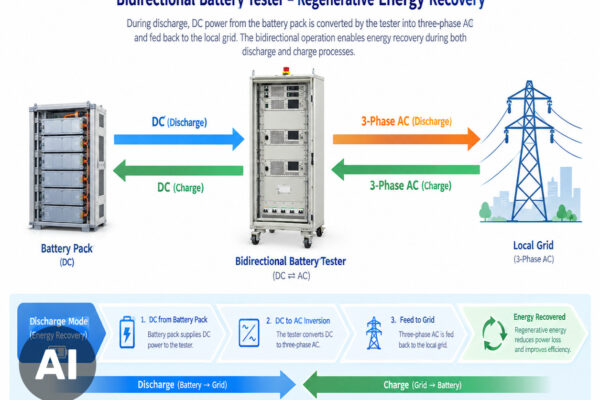
Battery testing sits at the center of every stage of the modern energy transition, from cell development and module validation to pack production, EOL verification, and second-life recovery. Yet for years, the equipment used to perform that testing has been stuck in an inefficient paradigm. A conventional regenerative battery tester was once a niche product;… Read More »
October 28, 2026
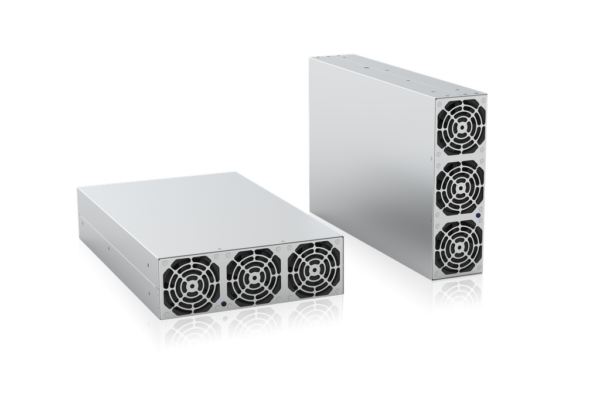
For battery test, cell formation, and energy-recovery equipment, the power stage must do more than meet a nominal voltage and wattage. It must move energy reliably in both directions, interact cleanly with the three-phase grid, respond predictably under automation, and fit the thermal and mechanical limits of the cabinet. The TPS-BM9014KTIF 90 V bidirectional power… Read More »
October 22, 2026
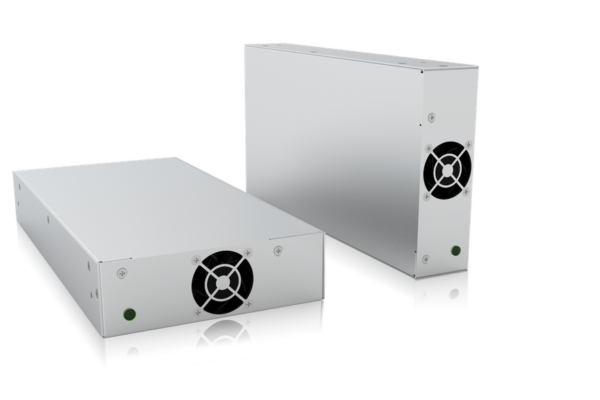
For system integrators, panel builders, and procurement teams deploying solar, battery storage, and V2G infrastructure, selecting a power module is no longer about unidirectional wattage. It involves bidirectional energy flow between AC grid and DC battery, mode switching speed, grid code compliance, thermal margins under continuous operation, and whether the system can recycle energy instead… Read More »