

System integrators and panel builders know that the most sophisticated automation system is only as reliable as its cabling. A single intermittent connection in a robot’s power harness or a broken wire in a CNC machine’s sensor loom can halt an entire production line, costing thousands of dollars per minute in lost output. Off‑the‑shelf cables, often designed for benign office environments, cannot withstand the constant flexing, vibration, oil mist, and temperature extremes found on a factory floor.
TPS Elektronik’s cable harness assembly service for industrial machinery and factory automation is engineered to eliminate these failure points. By designing and manufacturing custom wire harnesses that meet the rigorous demands of industrial environments—from heavy‑duty power distribution to high‑flex robotic cables—TPS provides a rugged, reliable, and fully documented cabling solution that keeps automated systems running 24/7.
1. Why industrial automation demands custom cable harnesses
Standard patch cables fail quickly in industrial settings. The repetitive motion of a robotic arm can fracture conductors inside a standard jacket within weeks. Cutting fluids and oils degrade common PVC insulation, leading to short circuits. Electrical noise from variable frequency drives (VFDs) couples into unshielded signal cables, causing erratic sensor readings and PLC faults. A factory automation wire harness is custom‑designed to mitigate these specific risks, using materials and construction techniques that generic cables simply do not employ.
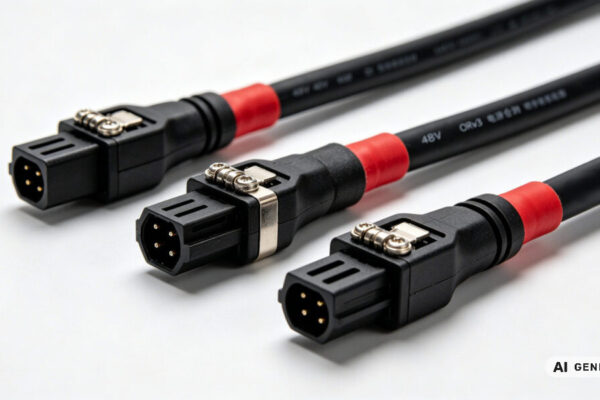
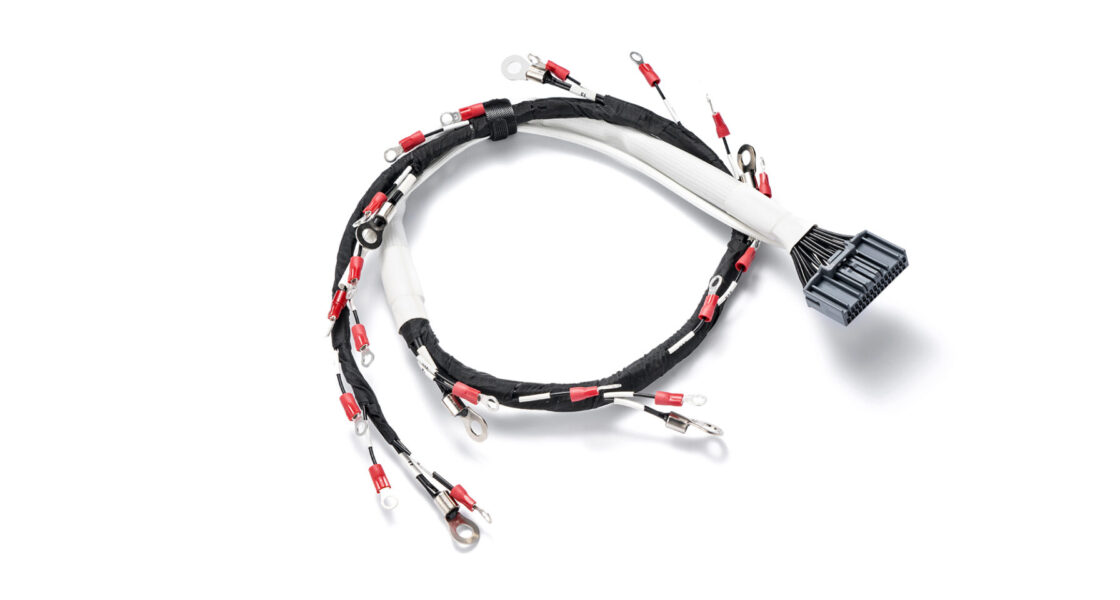
These custom harnesses are purpose‑built for a machine, with precise lengths, specified connectors (such as M12, M23, or heavy‑duty rectangular types), and protective features like overmolded strain reliefs and braided sleeving. This bespoke approach, which is a key element of our broader tested and documented cable assembly service, ensures a perfect fit within cable carriers, reduces clutter, and most importantly, eliminates the wiring errors and premature failures associated with field‑assembled connectors.
2. TPS rugged cable harness design and manufacturing
TPS’s harness manufacturing process begins with a comprehensive DFM review. Our engineers analyze the application’s mechanical stress points, environmental exposure, and electrical requirements before specifying the first component. This ensures the final assembly is optimized for both performance and long‑term durability in its intended environment.
2.1 DFM and material selection for harsh environments
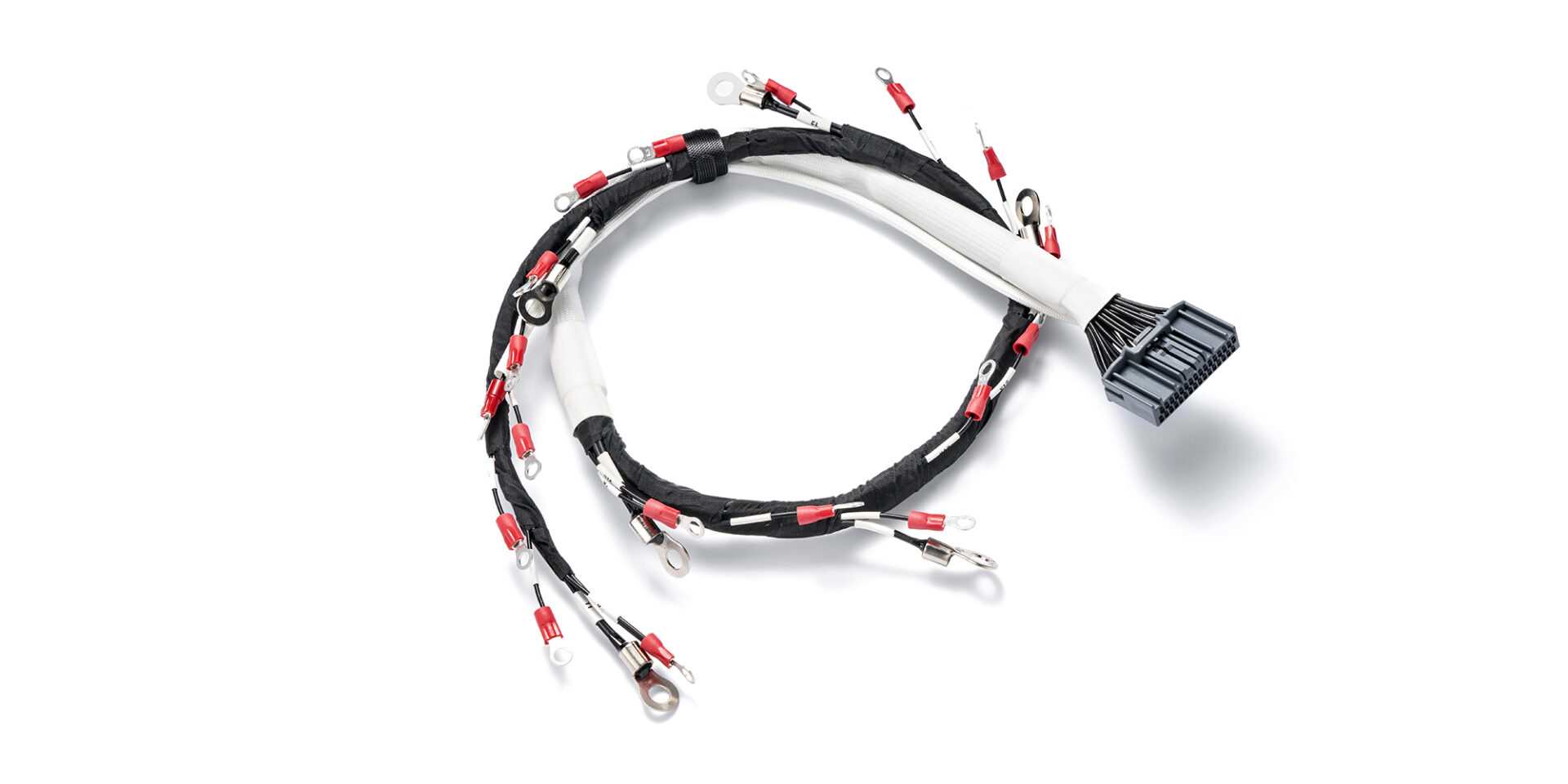
For a robotic welding cell, the harness must resist weld spatter, high ambient heat, and continuous torsion. For a CNC machining center, it must be resistant to cutting oils and coolants. TPS selects jacket materials accordingly—polyurethane (PUR) for high‑flex and abrasion resistance, thermoplastic elastomer (TPE) for weld‑spatter resistance, and specialized fluoropolymers for extreme chemical exposure. This careful material selection, combined with the use of industrial connectors such as those detailed in our guides for BNC and SMA connectors, ensures the final harness meets its design life even in the harshest conditions.
2.2 Testing and documentation for industrial reliability
Every harness manufactured by TPS undergoes 100 % electrical testing. This includes continuity testing to verify every pin‑to‑pin connection, and high‑potential (hipot) testing to ensure the integrity of the insulation between conductors and the shield. This rigorous process guarantees that the harness will perform reliably from the moment it is installed. A detailed test report is provided with every shipment, allowing the panel builder or system integrator to have full confidence in the component’s quality without needing to perform their own incoming inspection. This commitment to documentation extends across our entire service, as seen in our EMS cable assembly services for BNC, SMA, and fiber.
3. Compliance and safety: UL 508A and IEC 60204‑1
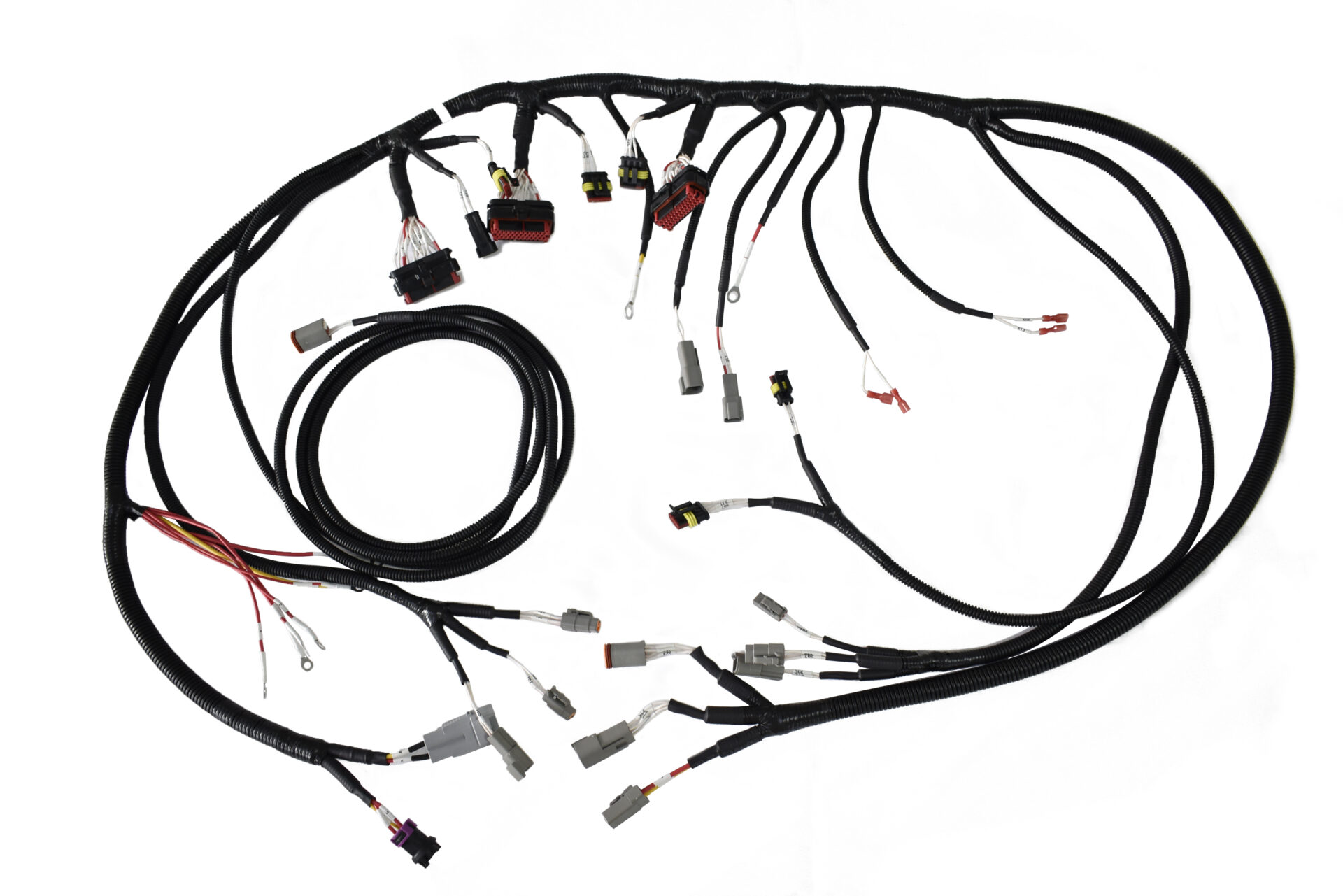
Control panels destined for the North American market require compliance with UL 508A, which includes specific requirements for the internal wiring and cable assemblies. For European installations, IEC 60204‑1 governs the electrical equipment of machines, including wiring practices, conductor colors, and protection against mechanical damage. TPS manufactures industrial cable harnesses with these standards in mind, ensuring that the correct wire gauges, colors, and labeling are used to simplify the final panel certification. A Declaration of Conformity is provided as part of the documentation package.
4. Application scenarios: robots, CNC, and conveyor systems
- Robotic arms: High‑flex, torsion‑resistant harnesses for end‑effectors and joint axes, capable of withstanding millions of bending cycles.
- CNC machines: Oil‑resistant power and signal harnesses that connect the main control cabinet to spindle motors, servo drives, and limit switches.
- Conveyor and material handling systems: Distributed power and sensor harnesses with quick‑disconnect connectors for easy maintenance of motors and photo‑electric sensors across long factory lines.
5. RFQ checklist for industrial cable harnesses
- System description: The type of machine and its operating environment (e.g., welding cell, CNC, cleanroom).
- Electrical specification: Voltage, current, and signal types for each wire run.
- Mechanical constraints: Bending radius, flex life requirements, and any routing or carrier details.
- Connector preferences: Required connector types (M12, Harting, etc.) and any overmolding needs.
- Compliance targets: UL 508A, IEC 60204‑1, or IPC/WHMA‑A‑620 Class 2 or 3.
- Quantities and schedule: Prototype and series production volumes.
6. FAQ
What is the difference between a wire harness and a cable assembly?
A wire harness typically bundles multiple individual wires for internal routing and protection, while a cable assembly encases conductors within a rugged outer jacket, designed for external or harsh‑environment use. TPS manufactures both.
Can TPS integrate connectors from specific brands into the harness?
Yes. TPS is a brand‑agnostic manufacturer and can integrate any customer‑specified connector, from standard M12 industrial connectors to specialized brands like Harting, Weidmüller, or TE Connectivity.
Does TPS test every harness it manufactures?
Yes, 100 % electrical testing on continuity and hipot is performed on every harness. A detailed test report is provided with each shipment.
Where can I learn more about TPS’s broader cable assembly capabilities?
Visit the TPS cable assembly service page, or read about our services for fiber optic cable assemblies.