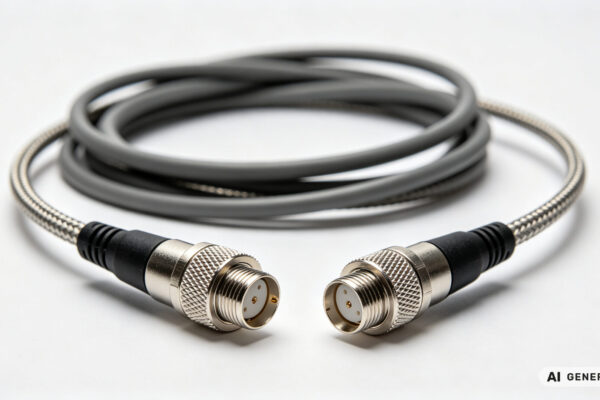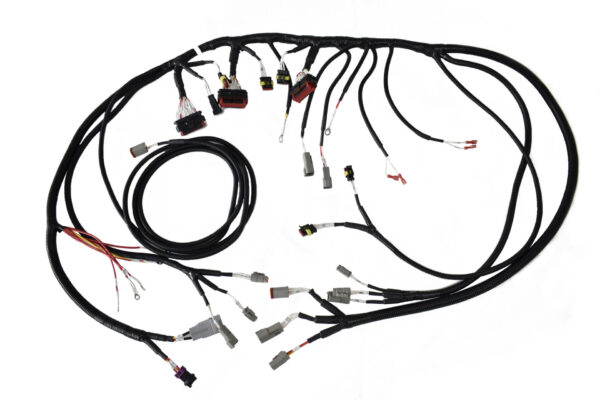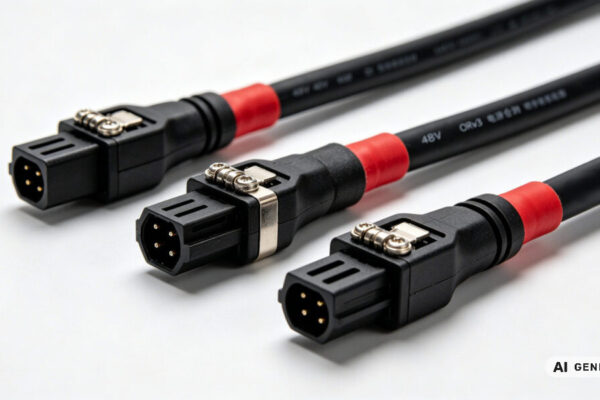


System integrators, panel builders, procurement teams and electrical engineers rarely lose a project because nobody can source a bnc connector or sma connector. They lose time when cable assemblies are fragmented: one supplier terminates coaxial cables, another handles fiber optics, tolerances are interpreted differently, and system integration only discovers impedance mismatch, insertion loss, or mechanical fit issues after parts arrive.
This update explains what TPS EMS cable assembly services actually is within an integrated manufacturing context, and why choosing a partner who handles BNC, SMA, fiber connectors, and custom harnesses under one roof matters for keeping your project on schedule.
1. What is EMS cable assembly? Beyond simple wiring
EMS cable assembly services is not just cutting wires and attaching connectors. It is a fully integrated manufacturing capability within our Electronic Manufacturing Services (EMS) portfolio. That means coaxial cables, fiber optic harnesses, and custom multi-conductor assemblies are designed, terminated, tested, and delivered in coordination with your PCB assembly, sheet metal enclosures, and system integration requirements.
In practice, this means when you send a project for an industrial control system, we evaluate the cable assemblies together with the electronics they must connect. We provide DFM feedback that considers both termination constraints and assembly routing. TPS inspects critical features—impedance, insertion loss, strain relief, and connector orientation—against the same quality standards that apply to your PCBs. And we deliver finished, documented harnesses that are ready for final integration.
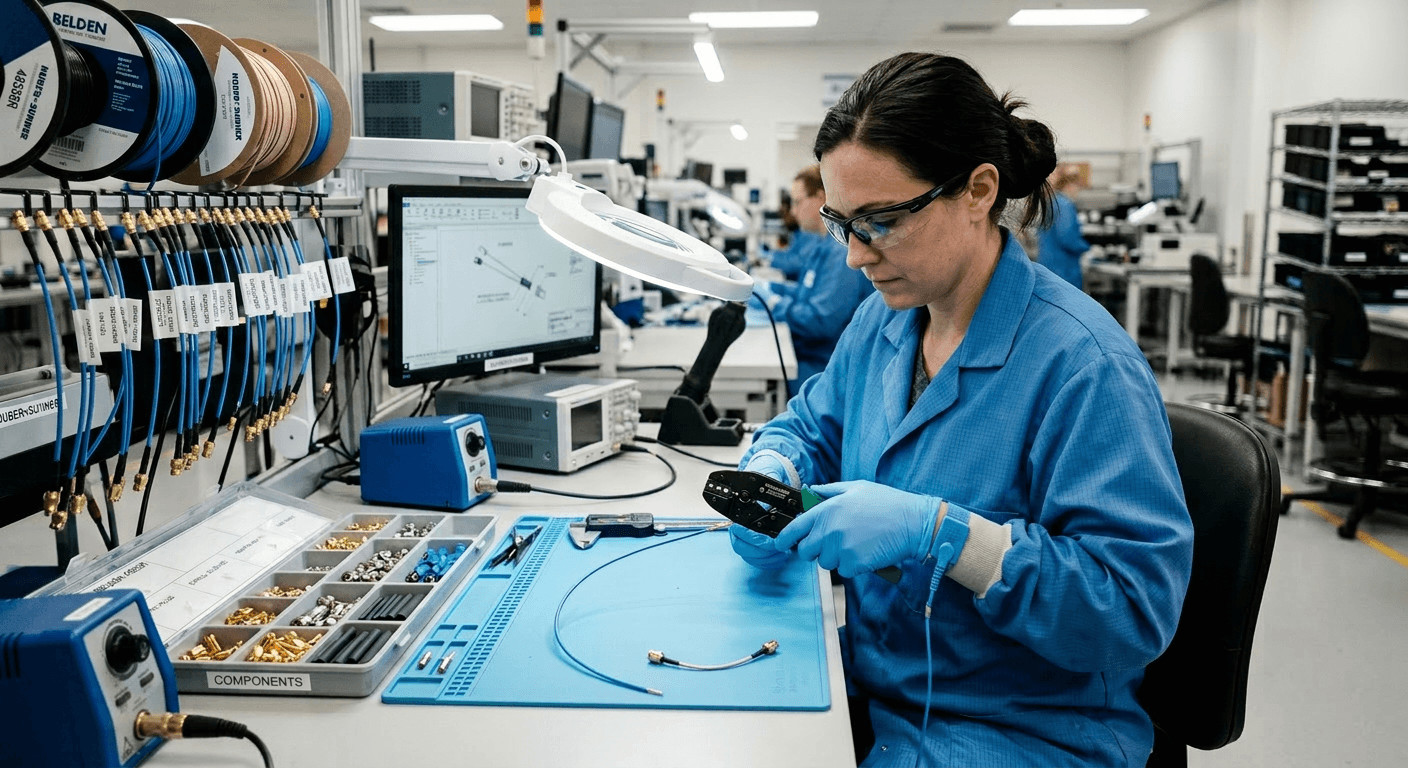
This is fundamentally different from sourcing cables from a pure cable shop. A cable shop delivers parts to a drawing. TPS delivers harnesses that verified to fit into your electronic assembly workflow, with coordinated quality documentation and supply chain continuity. For a deeper dive into BNC technology, see our BNC connector complete guide.
2. Coaxial connectors: BNC and SMA in industrial applications
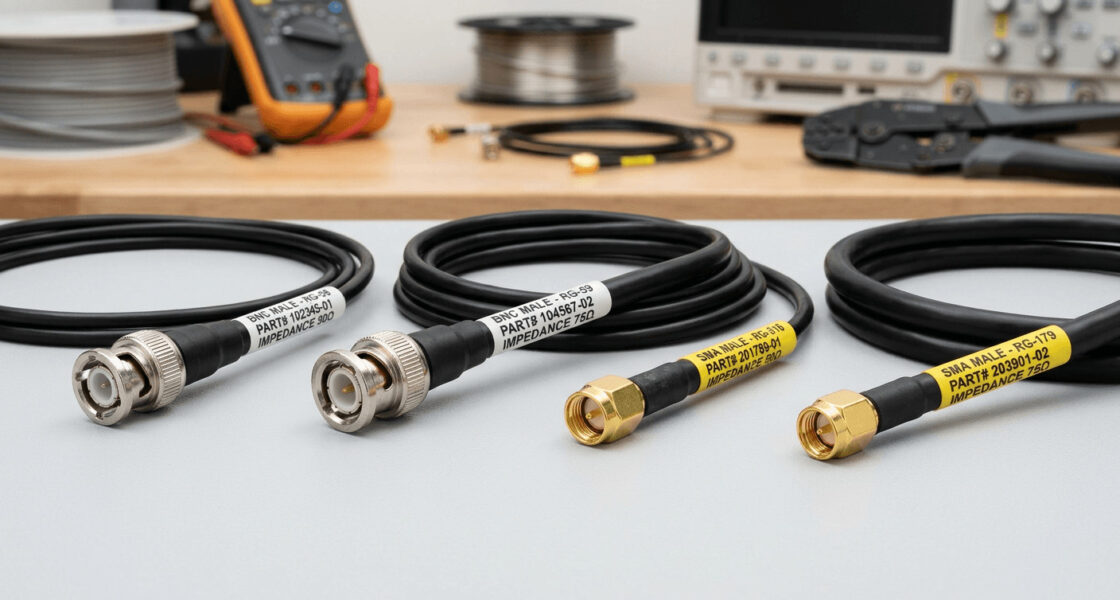
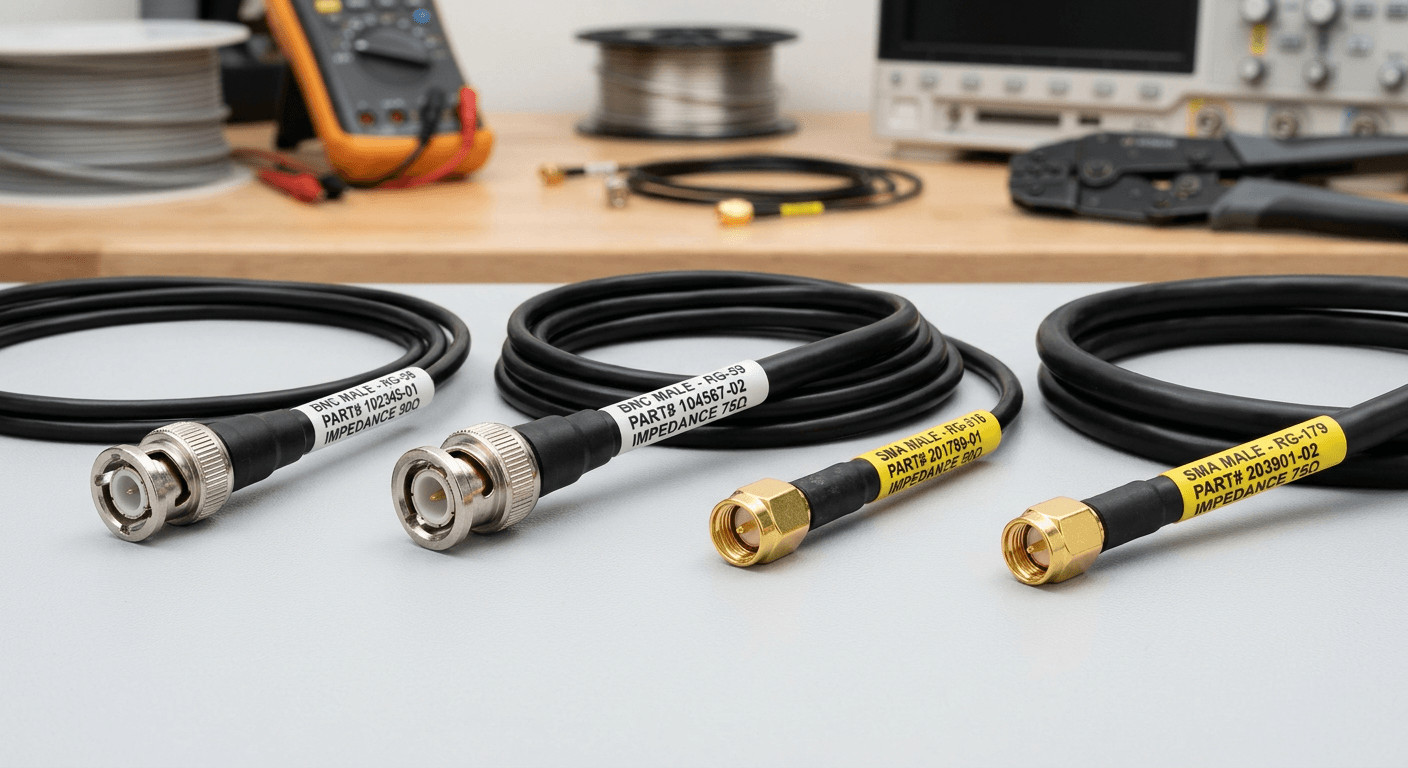
Coaxial cable assemblies are essential for RF signals, video transmission, and test equipment connections. Two connector families dominate industrial applications: BNC and SMA.
2.1 BNC connector: standards and applications
The bnc connector (Bayonet Neill–Concelman) is a standard for RF applications up to 4 GHz. It features a bayonet locking mechanism that provides quick connection and reliable mechanical retention. Common configurations include bnc a bnc (both ends BNC), cable to bnc connector assemblies, and hybrid combinations. TPS manufactures BNC assemblies using precision crimping and soldering techniques, with 75-ohm and 50-ohm variants available.
2.2 SMA connector: precision and high-frequency performance
The sma connector (SubMiniature version A) is a threaded coaxial connector designed for high-frequency applications up to 18 GHz (or 26.5 GHz with precision versions). Its robust design and excellent electrical performance make it ideal for test equipment, antennas, and microwave systems. TPS offers sma plug to sma plug assemblies, as well as SMA to BNC adapters for mixed-interface requirements. For detailed specifications, see our SMA connector types and applications guide.
3. Fiber optic cable assembly: LC, SC, and termination types
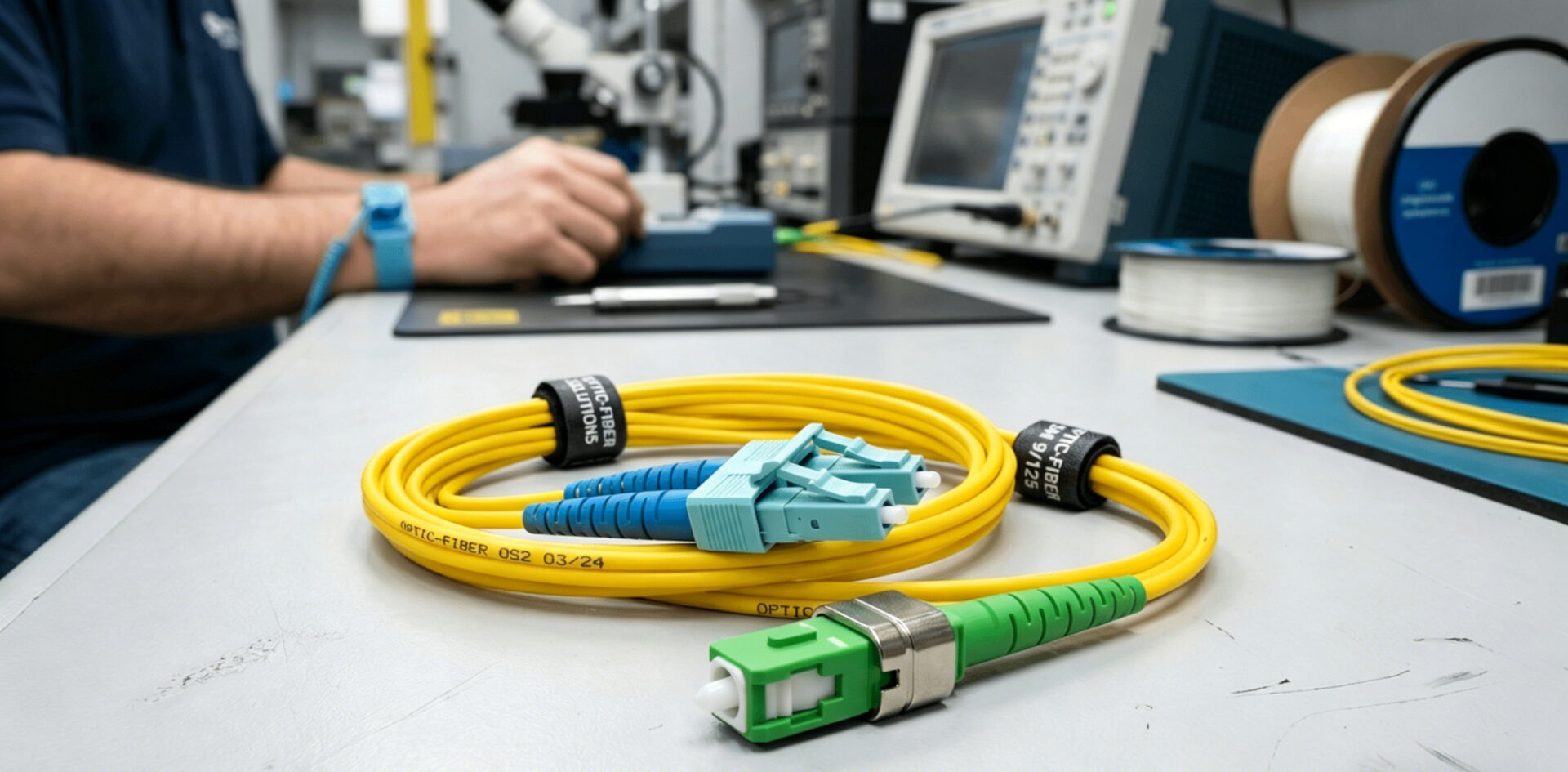
Fiber optic assemblies are critical for high-bandwidth communication in industrial networks, medical systems, and data centers. TPS manufactures fiber optic cable assemblies with precision termination and testing.
3.1 Fiber connector types: LC, SC, and beyond
Common fiber connector types include lc connector (Lucent Connector, small form factor), sc connector (Subscriber Connector, push-pull), and ST (bayonet). TPS supports all major connector types, including hybrid configurations. For high-density applications, LC connectors are preferred; for field-friendly installations, SC connectors remain popular.
3.2 Optical fiber termination types: methods that matter
Optical fiber termination types include epoxy-polish (factory termination), prepolished/splice-on connectors (field termination), and fusion splicing. Factory-terminated assemblies offer the highest reliability and documented optical performance (insertion loss, return loss). TPS specializes in factory termination with interferometric end-face inspection per IEC 61300-3-35.
For comprehensive fiber optic coverage, explore our fiber optic cable assembly guide and EMS fiber optic assemblies page.
4. Quality and testing: from continuity to high-frequency performance
Reliable cable assemblies depend on comprehensive testing. TPS integrates quality testing into every production step:
- Continuity and isolation testing: Verifies correct pinout and insulation resistance.
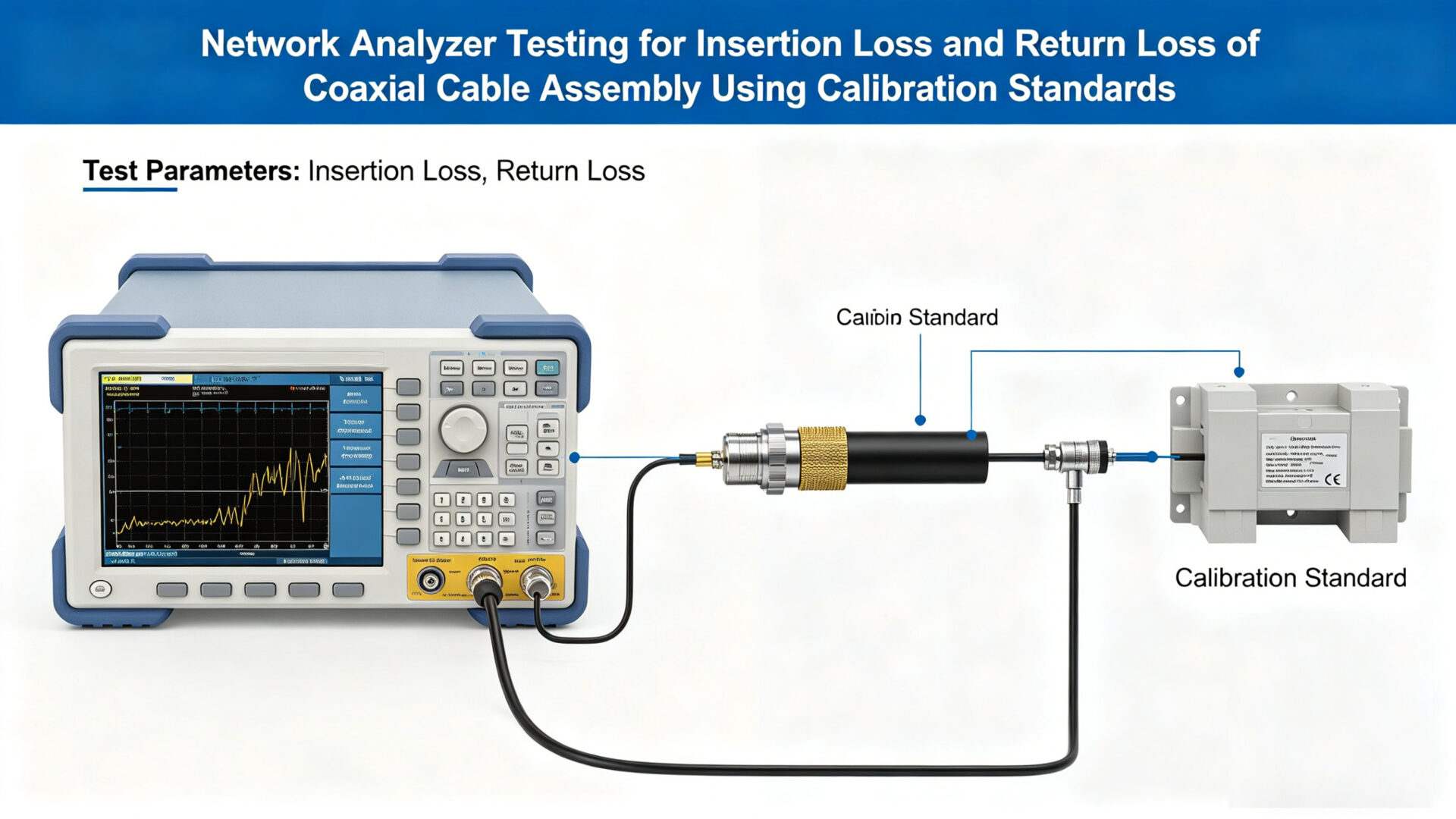
- Impedance and insertion loss (coaxial): Network analyzer measurements for RF performance.
- Optical insertion loss and return loss (fiber): OTDR and light source/power meter testing per IEC 61300.
- Visual inspection: End-face inspection for fiber connectors per IEC 61300-3-35.
- Mechanical tests: Strain relief, flex testing, and connector retention verification.
All test results documented and traceable. For RF applications, we reference IEC 61169 series standards for coaxial connector performance. For fiber optics, we follow IEC 61754 series for connector interfaces.
5. Why TPS is a practical fit for your cable assembly needs
Choosing TPS for your cable assembly service needs means choosing a partner that understands both interconnection technology and the broader electronics system. Here’s why system integrators, panel builders, and procurement teams work with us:
- Integrated EMS workflow: Cable assembly coordinated with PCB assembly, sheet metal, and box build under one quality system.
- Connector expertise: BNC, SMA, LC, SC, ST, and custom hybrid configurations—all manufactured with documented processes.
- Testing and traceability: Every assembly tested; reports are provided for continuity, insertion loss, and optical performance.
- Scalability: From prototype harnesses to high-volume production, with consistent quality.
- Material compliance: RoHS, REACH, and conflict mineral compliance managed across the supply chain.
Our facility operates under ISO 9001, with support for medical (ISO 13485) and automotive (IATF 16949) requirements where applicable. For background on SMPW connectors (miniature high-frequency coax), we can provide custom design and termination support.