

TPS Elektronik’s power supply integration service for industrial control panels eliminates this variability. By delivering a pre‑engineered, fully assembled, and tested rack‑mount power assembly as a single, documented subsystem, TPS transforms the power backbone of a machine from a project risk into a predictable, certified module. This service specifically designed for factory automation, PLC systems. And complex machinery that requires reliable power distribution in a dense, organized form factor.
1. Why pre‑integrated power assemblies matter for factory automation
In a typical factory automation project, the electrical bill of materials for a control panel might list a main disconnect, a 24 V DC power supply, several supplementary circuit breakers, a DC distribution module, terminal blocks, and dozens of meters of wire. All to mounted, connected, and tested on site. When these components sourced individually and wired by a technician working from a schematic, the quality of the final assembly depends heavily on individual skill and available time. The result is a variable that system integrators struggle to control across multiple identical machines.
A control panel power assembly that is pre‑built, pre‑wired, and factory‑tested solves this at its root. It arrives at the integration site as a single, documented unit, ready to mounted in the rack or enclosure and connected to the load circuits. This approach, as demonstrated in TPS’s broader expertise with integrated system solutions described in our resource on EMS mechatronics and precision machining. Which reduces on‑site labor, eliminates wiring errors, and ensures consistent quality across every machine in a production run.
2. TPS rack‑mount power assembly service scope
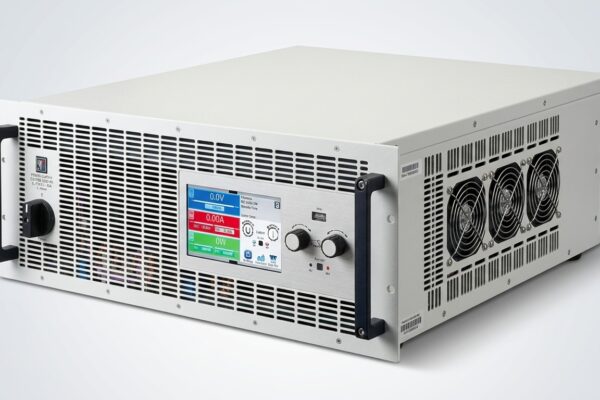
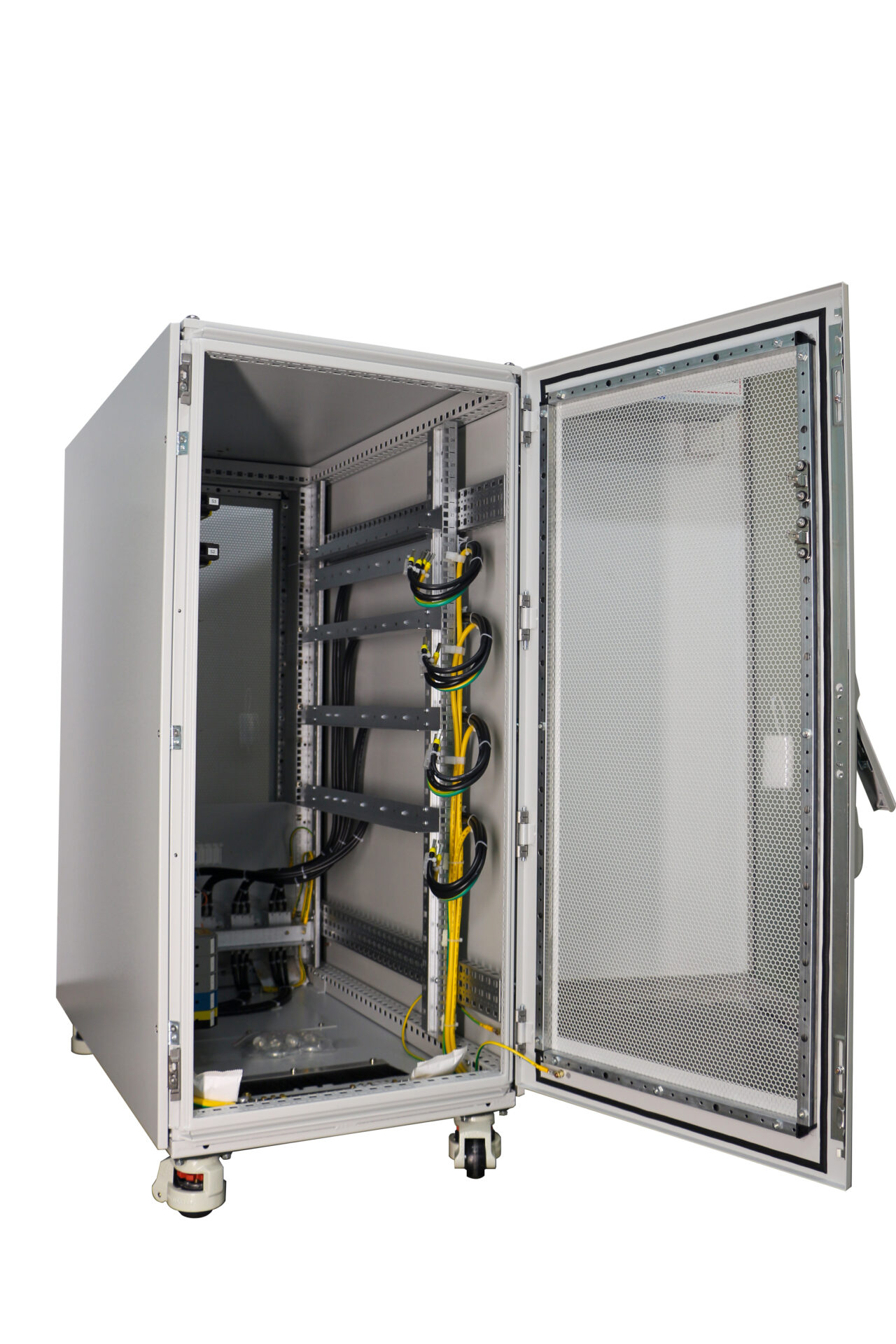
TPS’s power integration service delivers a complete, documented electrical subsystem, typically built on a sub‑panel designed for 19‑inch rack mounting. The service spans three phases: design and component selection, physical assembly and wiring, and functional testing. For a broader context on how this fits into intelligent manufacturing, see our guide on mechatronics and intelligent systems for Industry 4.0.

2.1 Design and component selection
TPS engineers work from the customer’s load list or schematic to design the power distribution architecture. This includes selecting the appropriate main circuit breaker or disconnect switch. Which calculating the required 24 V DC power supply capacity (including margin for future expansion), and defining the DC distribution topology. How many protected output circuits are needed, and at what current ratings. This design phase ensures that thermal management, creepage and clearance. And short‑circuit coordination are addressed before assembly begins.
2.2 System wiring, labeling, and documentation
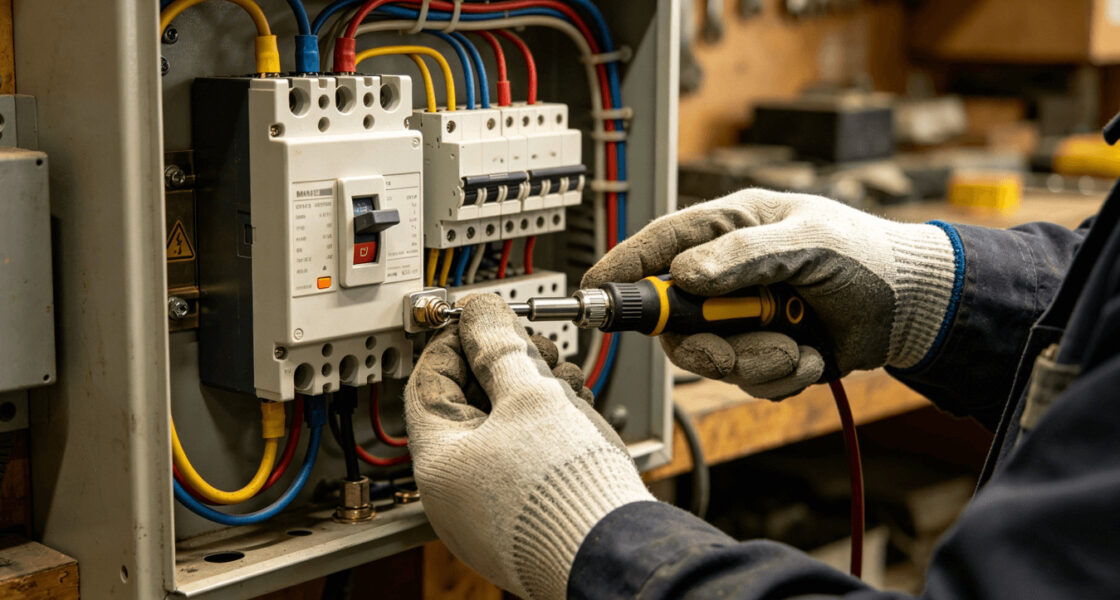
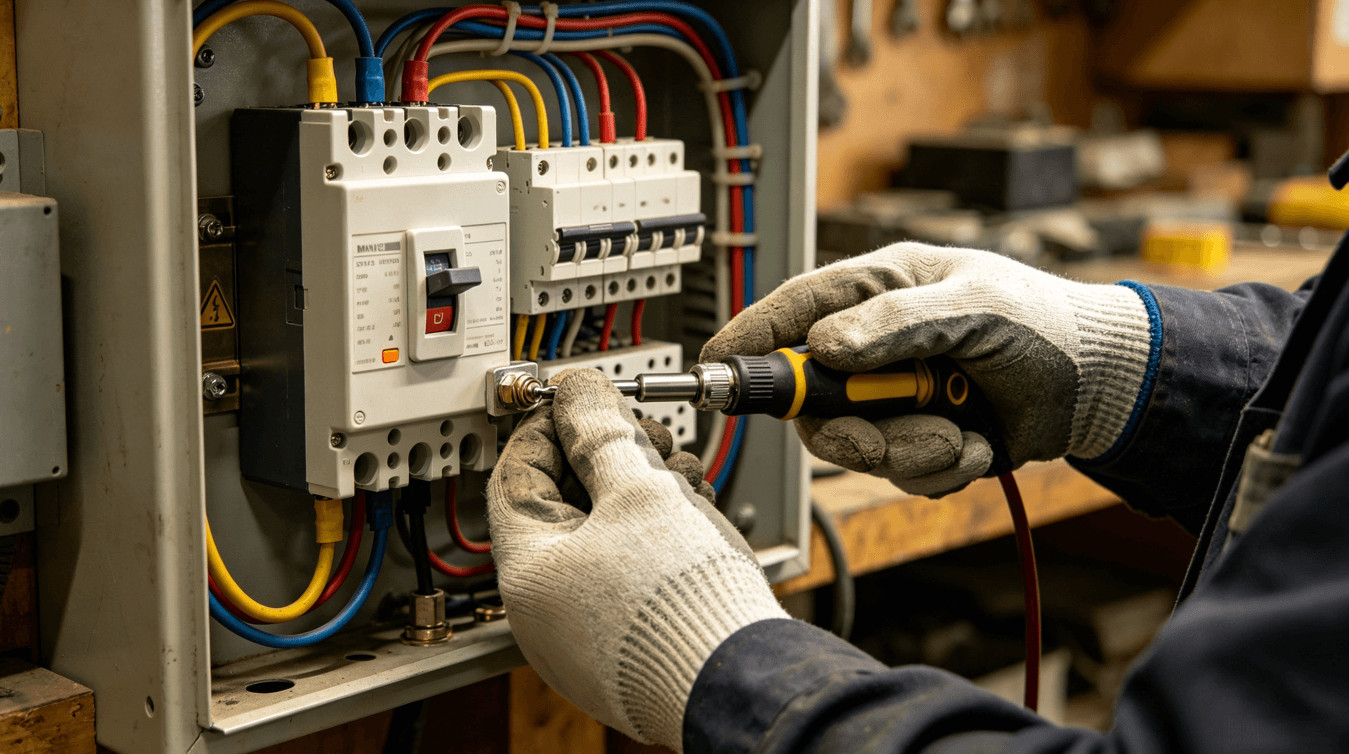
The physical assembly takes place in TPS’s workshop, where all components are mounted on a metal sub‑panel and wired using color‑coded conductors. Every wire labeled at both ends with machine‑printed heat‑shrink markers corresponding to the electrical schematic. Power cables routed separately from signal cables to minimize electromagnetic interference. The result is a clean, serviceable assembly that a commissioning engineer can understand at a glance. The level of craftsmanship and organization directly mirrors the principles of precision and reliability described in our service overview on mechatronics from design integration to precision parts production.
2.3 Functional and safety testing
Before shipment, every power assembly undergoes a rigorous functional test. This includes verifying the correct operation of the main disconnect, confirming that each DC output circuit delivers the specified voltage and is properly protected. And performing a high‑potential (hipot) test to ensure isolation integrity. A detailed test report, along with the as‑built schematic and a bill of materials, is provided with the assembly. This documentation supports both the customer’s internal quality audits and regulatory compliance submissions.
3. Compliance and safety: UL 508A and IEC 60204‑1
Any control panel destined for the North American market must comply with UL 508A, the standard for industrial control panels. For European installations, compliance with the Low Voltage Directive (2014/35/EU) and the Machinery Directive (2006/42/EC) is mandatory, with IEC 60204‑1 serving as the harmonized safety standard for the electrical equipment of machines. TPS designs and builds power assemblies to these standards. Which ensuring proper short‑circuit current ratings (SCCR), component spacing, and wiring practices. A Declaration of Conformity, along with the relevant certifications, provided as part of the documentation package. This commitment to compliance is a direct extension of the philosophy behind EMS mechatronics for PLC control systems.

4. Application scenarios: PLC cabinets, distributed I/O, and machine control
TPS rack‑mount power assemblies are deployed in three primary industrial control scenarios:
- Centralized PLC control cabinets: A main control panel housing the PLC, I/O modules, and networking equipment, where a single, organized power assembly feeds all logic and field device circuits.
- Distributed I/O and field junction boxes: Remote panels located near the machinery they control. TPS provides compact, pre‑wired power assemblies that fit into smaller enclosures, delivering reliable 24 V DC to remote I/O blocks and sensors.
- Machine control power integration: Standalone machines—such as CNC lathes, packaging robots, or printing presses—require a dedicated power assembly that integrates motor protection, control power, and auxiliary power into a single rack‑mountable unit. TPS’s design flexibility ensures that these complex requirements are met in a compact footprint.
5. RFQ checklist for power supply integration
- Load list: A complete list of all powered devices, including their supply voltage, maximum current draw, and required protection.
- System architecture: Preferred main supply voltage (e.g., 400 V AC three‑phase), control voltage (typically 24 V DC), and any redundancy requirements.
- Mechanical constraints: Required form factor (19‑inch rack mount, sub‑panel), and any dimensional limitations.
- Applicable standards: Target certifications (UL 508A, CE marking per IEC 60204‑1).
- Documentation: Required schematics, test reports, and compliance certificates.
- Quantities and schedule: Prototype, pilot, and series production volumes.
6. FAQ
What is the advantage of a pre‑assembled power panel over field wiring?
A pre‑assembled power panel eliminates field wiring errors, reduces on‑site labor, and provides documented, consistent quality that is essential for regulatory compliance and repeat machine builds.
Can TPS integrate components not in its own product line?
Yes. While TPS has a portfolio of DIN‑rail power supplies and components, the integration service is equipment‑agnostic. TPS can integrate customer‑specified components, provided they meet the relevant safety standards and interface requirements.
Does TPS provide after‑delivery support for its power assemblies?
Yes. Full documentation is provided, and TPS can offer remote or on‑site support for commissioning, troubleshooting, or modifications as part of its after‑sales service.
Where can I learn more about TPS’s broader integration and mechatronics capabilities?
Visit the TPS mechatronics service page or read our comprehensive overview of mechatronics and robotics.