

For system integrators, panel builders, and procurement teams, developing a new mechatronic system is fraught with hidden risks. The mechanical design might be flawless, and the software logic sound, but when high-power motors and sensitive control electronics are forced to coexist in tight spaces, Electromagnetic Interference (EMI) becomes the ultimate project killer. Recently, a leading European manufacturer of industrial axial fans faced this exact scenario. Their new line of intelligent ventilation systems repeatedly failed formal EMC compliance testing, delaying their market launch by months. This case study details how partnering with TPS Elektronik for comprehensive mechtronic solutions—from PCB redesign to precision parts production—resolved their EMI nightmare and secured their product release.
1. The Challenge: EMI in highly integrated mechatronics systems
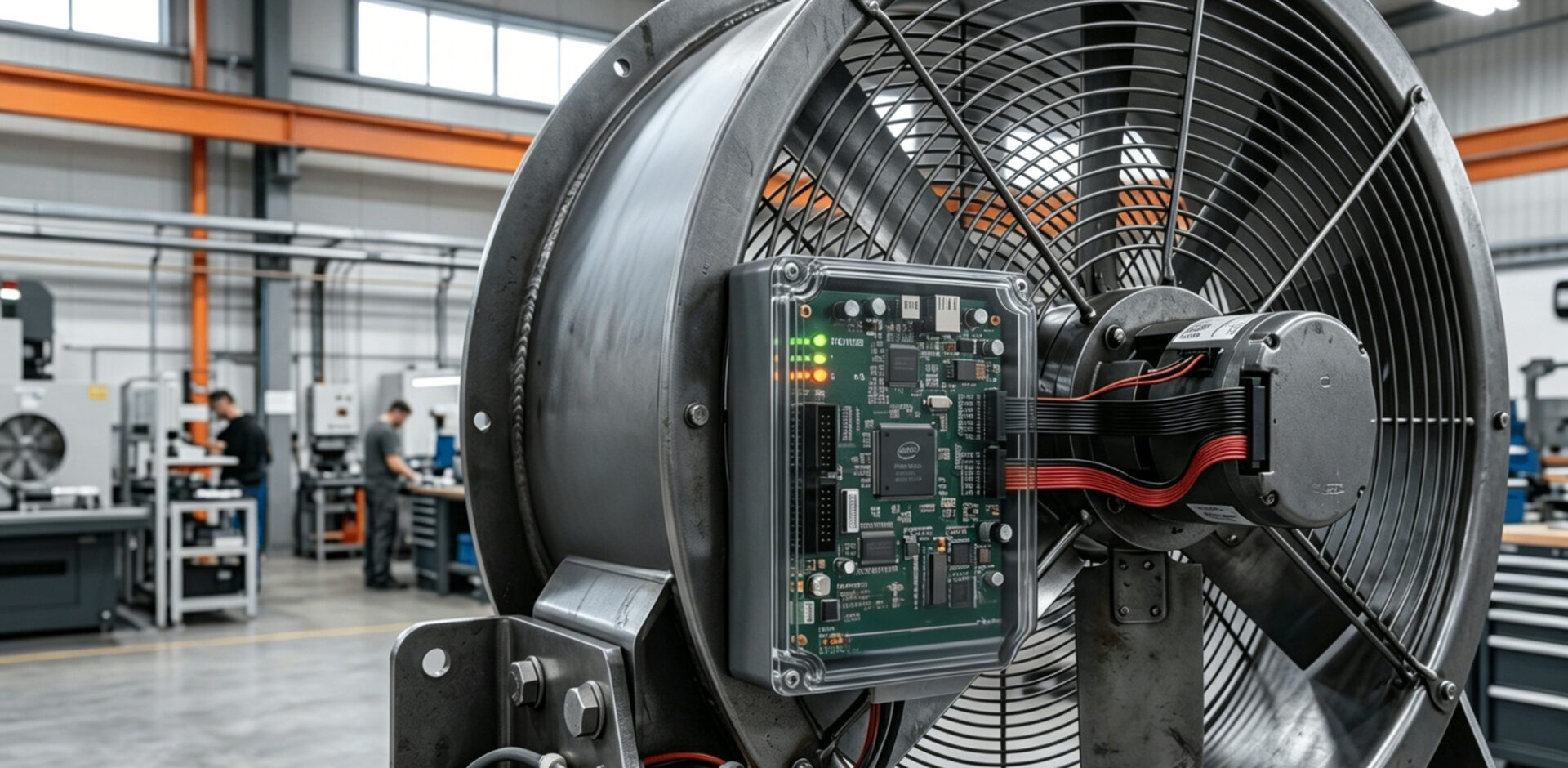
The client, a prominent player in the HVAC sector, was developing a new generation of axial exhaust fans industrial. The goal was to create intelligent mechatronic systems where the variable frequency drive (VFD), PLC control logic, and the motor itself were integrated into a single, compact housing.
However, during formal certification, the units failed conducted emissions tests (CISPR 11) miserably. The high-frequency switching of the IGBTs in the motor drive was coupling noise back onto the AC mains and interfering with the onboard sensor signals. The client, lacking in-house EMC expertise and advanced machining precision components capabilities for custom shielding, turned to TPS Elektronik.
2. Root Cause Analysis: Why the axial exhaust fans industrial failed
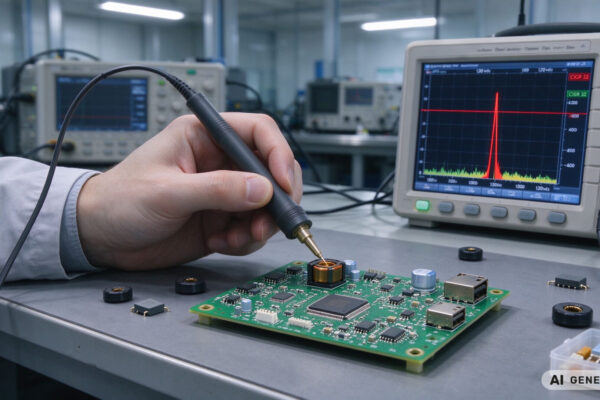
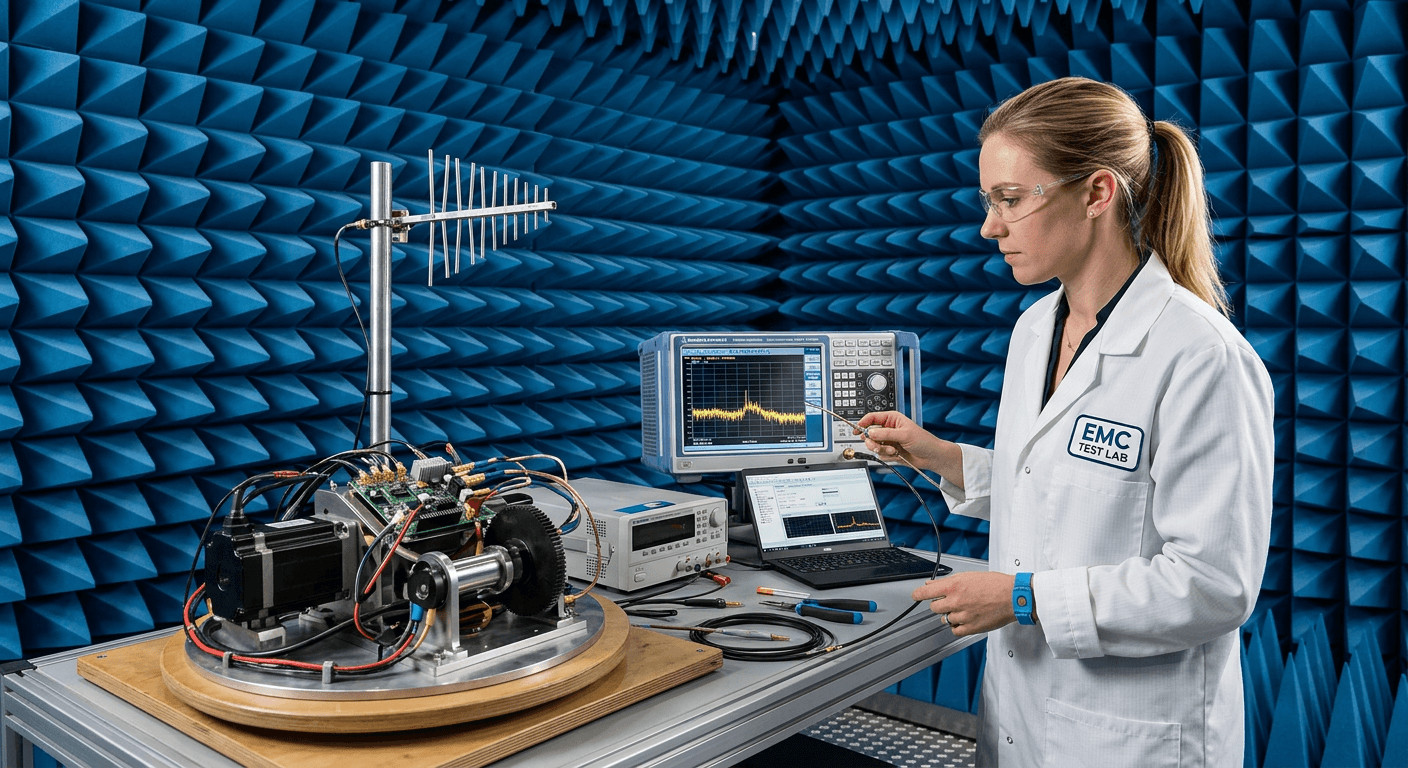
Our engineering team immediately brought the failing prototypes into our pre-compliance EMC laboratory. Through rigorous testing, we identified two primary issues common in poorly integrated systems mechatronics:
- Poor PCB Grounding: The motor drive and the sensitive PLC control systems shared a poorly designed ground plane, allowing high di/dt switching noise to corrupt the control signals.
- Inadequate Shielding: The original plastic enclosure offered zero containment for radiated emissions. The cables connecting the PCB to the motor stator were acting as antennas.
To fix this, the client needed more than just a PCB assembler; they needed a true mechatronics company capable of addressing both the electronic and mechanical domains simultaneously.
3. The TPS Mechatronic Solutions: Redesigning the mechatronic system
TPS Elektronik proposed a holistic redesign, leveraging our expertise in mechatronics and robotics to solve the EMI issues without increasing the overall footprint of the fan.
3.1 PCB layout optimization for motor control
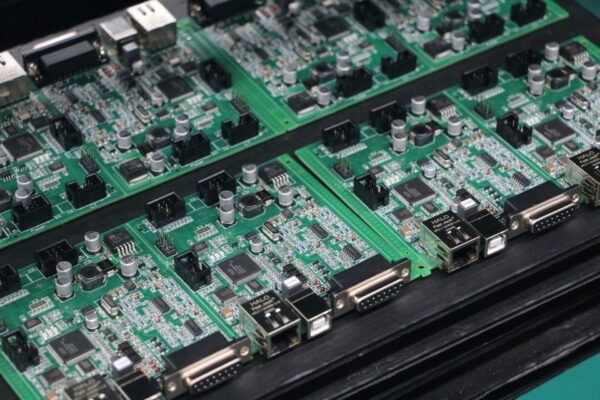
First, our electronics team redesigned the PCB. We separated the high-power motor drive section from the low-voltage control logic, implementing strict star-grounding techniques. We also integrated custom common-mode chokes and X/Y capacitors directly onto the board to suppress conducted emissions at the source, a critical step for reliable mechtronic solutions.
3.2 Machining precision components for EMI shielding
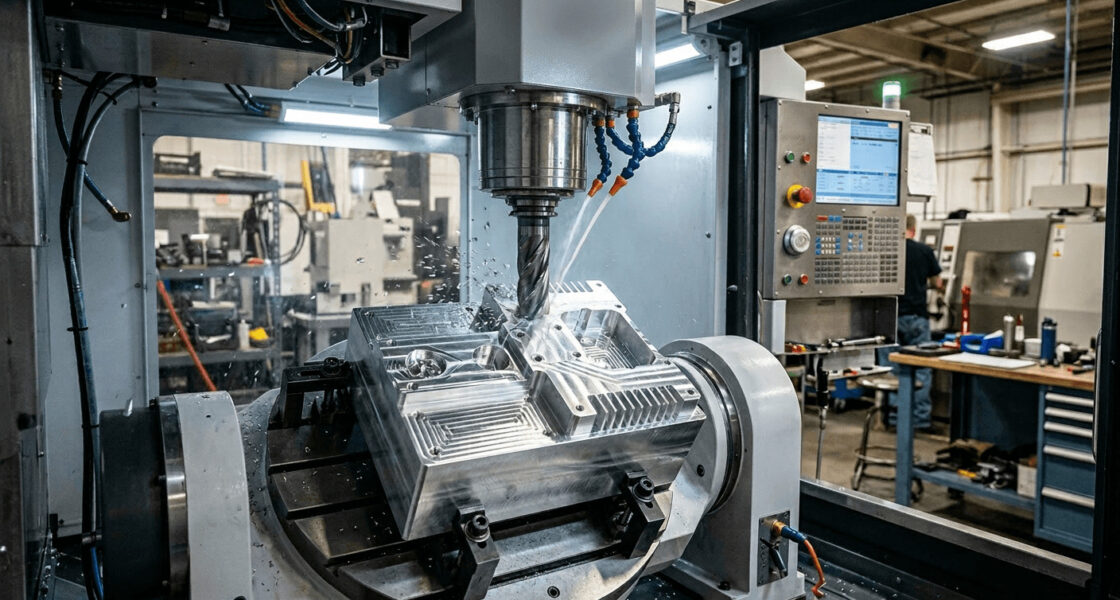
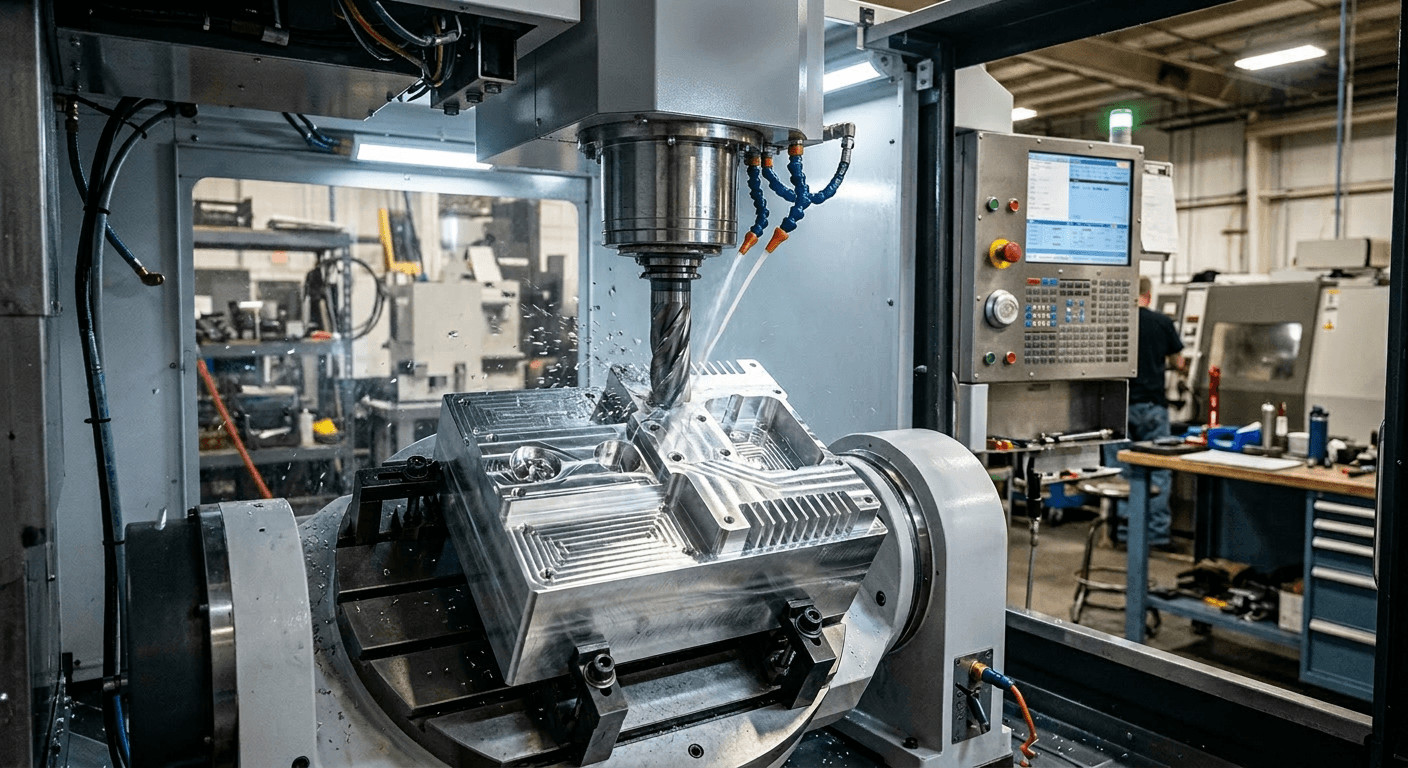
Solving the radiated emissions required mechanical intervention. Relying on our precision machining capabilities, we designed and manufactured a custom aluminum shielding enclosure for the PCB. This enclosure not only acted as a Faraday cage to contain RF noise but also served as a highly efficient heatsink for the power electronics.
By controlling the precision parts production in-house, we ensured the new metal housing fit perfectly within the existing aerodynamic profile of the radial fans.
4. The Result: Passing EMC and entering the market
With the redesigned PCB and the custom-machined shielding enclosure integrated, the new prototypes were subjected to rigorous testing in our EMC chamber. The results were definitive: the mechtronic solutions passed both conducted and radiated emissions tests with a comfortable 6dB margin below the CISPR 11 limits.
The client was able to proceed to formal certification without further delays. Furthermore, the improved thermal management provided by the custom aluminum enclosure increased the overall lifespan of the axial fan industrial units.
5. Why choose TPS as your partner in mechanical manufacturing?
This case study highlights why companies searching for mechatronic solutions inc or similar partners ultimately choose TPS Elektronik. We do not just assemble boards; we engineer intelligent systems for the future of Industry 4.0.
When you partner with us, you gain access to a team that understands the delicate interplay between electronics, software, and mechanics. From initial design integration to precision parts production, we ensure your mecatronic products are robust, compliant, and ready for the market.