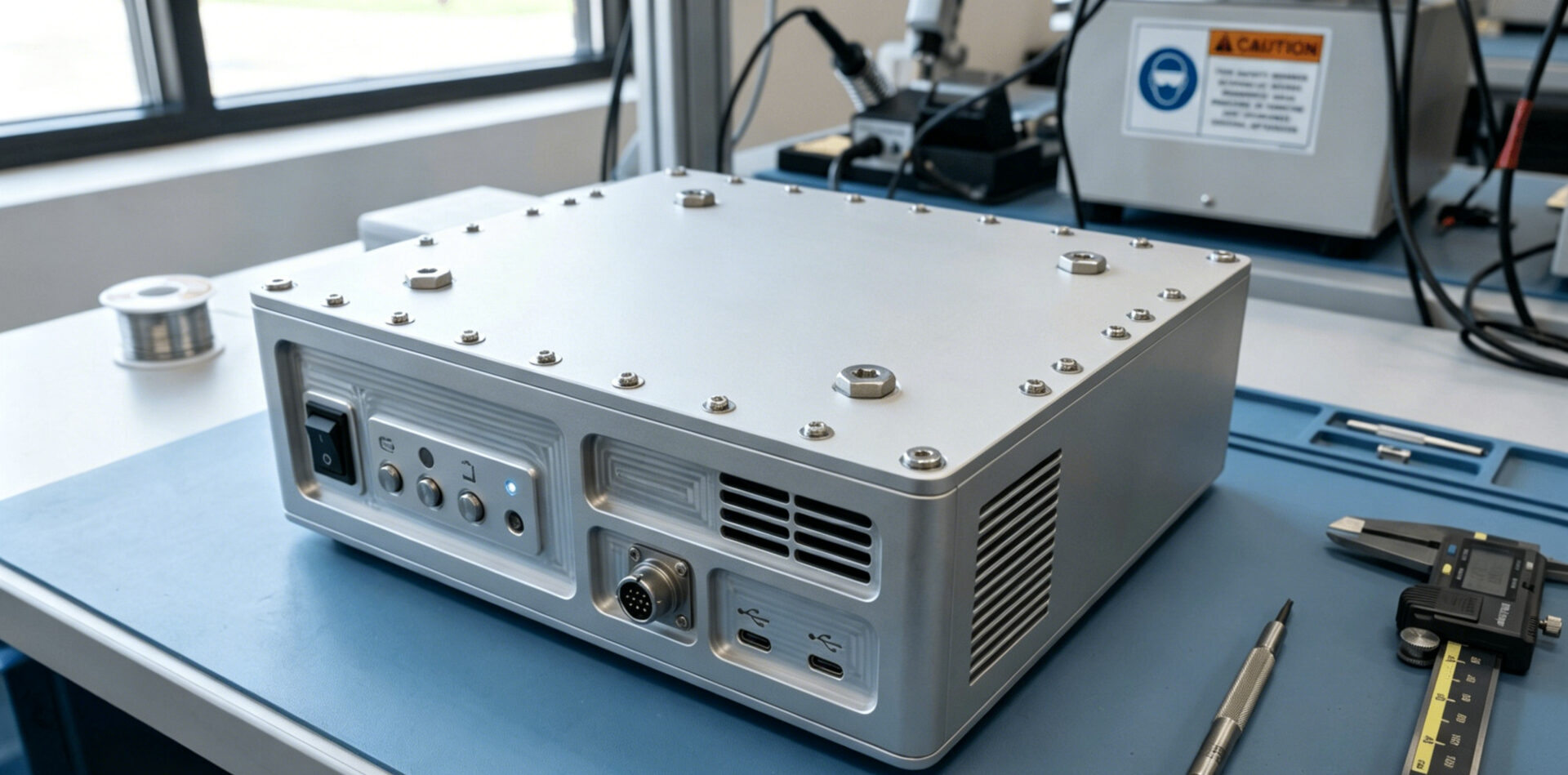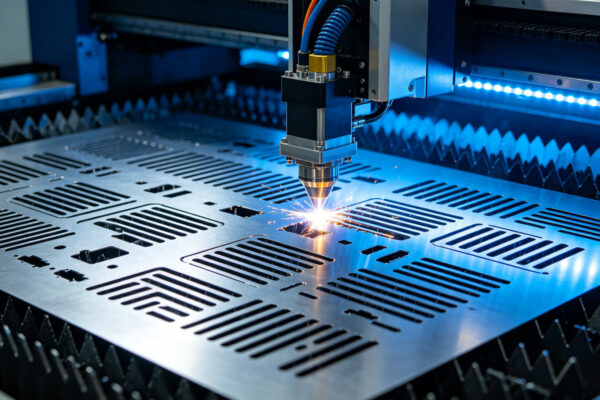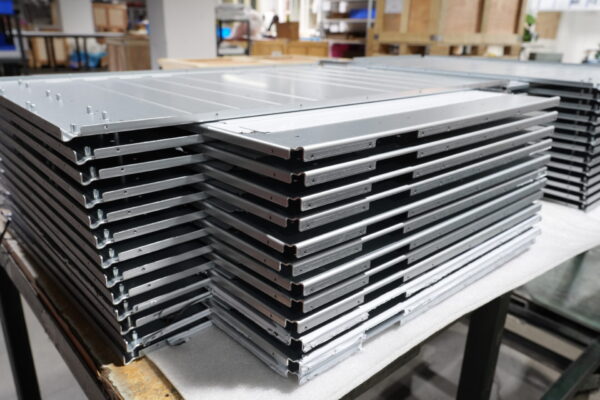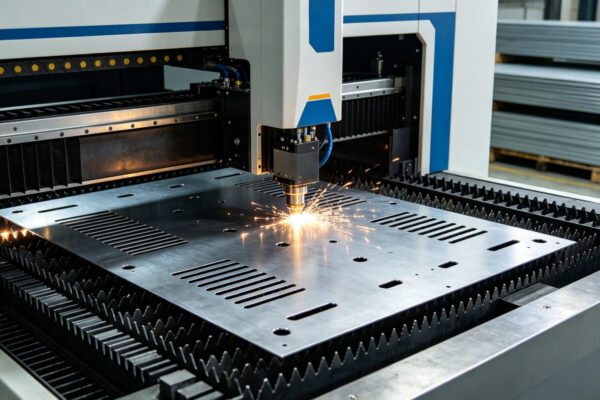


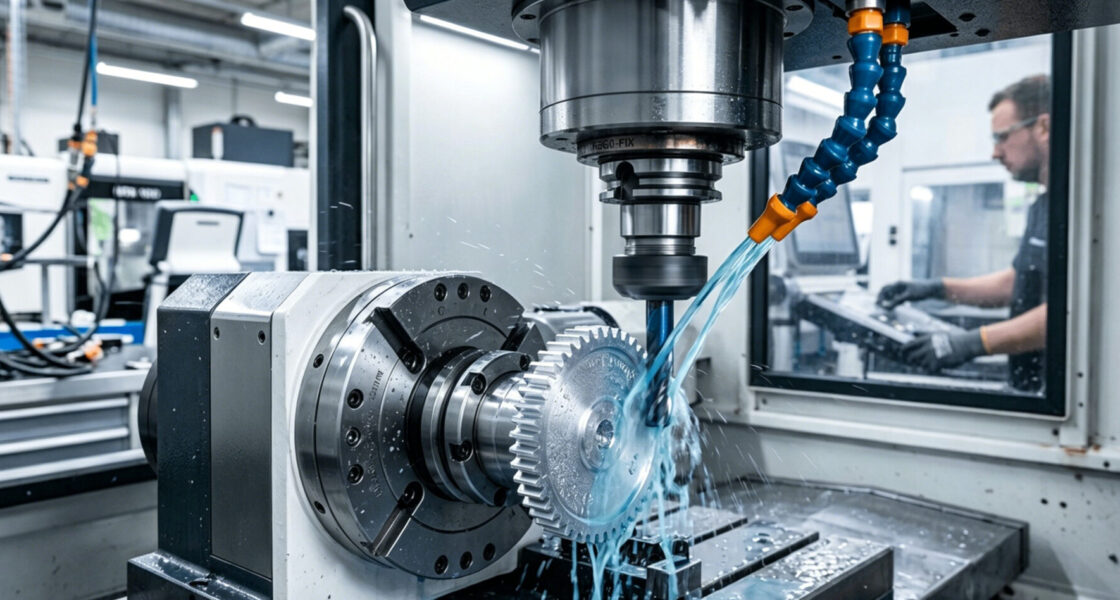
When a medical device OEM needed to scale production of a next-generation surgical console, they faced a familiar bottleneck: precision-machined aluminum components—enclosures, brackets, and fluidics manifolds. Which coming from multiple suppliers, each with different quality standards, inconsistent lead times, and a communication gap between machining and final assembly. The result was rework, delayed certifications, and a supply chain that couldn’t keep pace with product launches. This case study examines how TPS Elektronik’s integrated precision CNC milling services resolved these challenges through a single-source approach combining precision cnc machining, tapped hole accuracy, and documented quality.
1. Project overview
This case study describes a collaboration between TPS Elektronik and a European medical device OEM (name withheld) specializing in surgical consoles and patient monitoring systems. The client preparing to launch a new product line requiring high-precision machined aluminum enclosures, fluidics manifolds, and mounting brackets. With tight tolerances, complex geometries, and strict regulatory requirements (ISO 13485, FDA), the client needed a manufacturing partner capable of delivering precision machined components with full traceability.
TPS engaged to provide integrated CNC milling services—from design for manufacturability (DFM) feedback through to finished, inspected parts ready for assembly. The project covered prototype development, pilot production, and scale-up to series manufacturing.
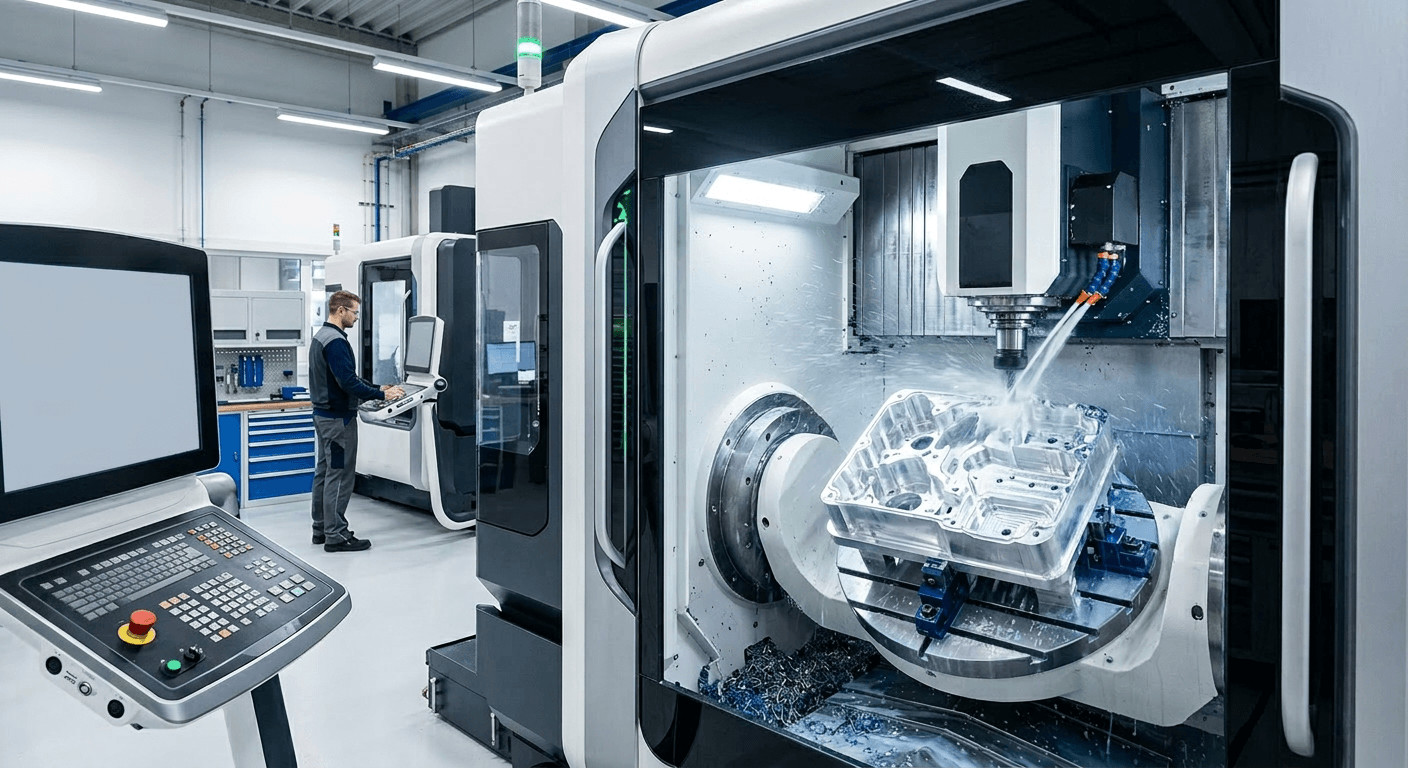
For background on TPS milling capabilities, see our guides on types of milling machines and top CNC milling machine options.
2. The challenge: fragmented supply chain and inconsistent quality
The client’s existing supply chain for machined components was fragmented across three vendors:
- One supplier handled rough machining of enclosures but lacked precision finishing capabilities.
- A second performed secondary operations—tapped holes, countersinks, and surface finishing—but with inconsistent quality. Tapped hole thread depths varied, causing assembly issues.
- A third provided machined aluminum brackets but could not integrate with the client’s quality documentation requirements.
Key challenges included:
- Inconsistent tapped hole quality: Thread depth and position tolerances not held reliably, causing fastener (tapping screws) seating issues during assembly.
- Geometric complexity: The enclosures required types of gears-like precision on engagement surfaces and types of bearings mounting pockets with sub-10µm tolerances.
- Material and finishing coordination: Types of washers, tapping screws, and other fasteners were sourced separately, leading to compatibility mismatches.
- Documentation gaps: Material certificates, inspection reports, and First Article Inspection (FAI) packages were inconsistent across suppliers, creating audit risks for the medical device regulatory file.
These issues translated into extended lead times, rework costs, and uncertainty in meeting the product launch schedule. The client needed a single partner capable of managing the entire precision CNC machining workflow—from raw material to finished, documented parts—with the precision and traceability required for medical applications.
3. The solution: integrated CNC milling, tapping, and finishing under one roof
TPS Elektronik proposed a single-source solution integrating all machining, secondary operations, and quality documentation. Our approach addressed each of the client’s pain points:
3.1 Precision CNC milling and multi-axis machining
We utilized a combination of types of cnc machine platforms—vertical machining centers for enclosures, 5-axis mills for complex fluidics manifolds, and high-speed mills for fine-feature work. This allowed us to handle the full range of components with consistent process controls. Wire edm employed for intricate cutouts and tight-tolerance features where conventional milling reached its limits.
2 Secondary operations: tapping, gear cutting, and finishing
All secondary operations were brought in-house:
- Tapped holes: Precision thread milling and tapping with documented depth and position verification.
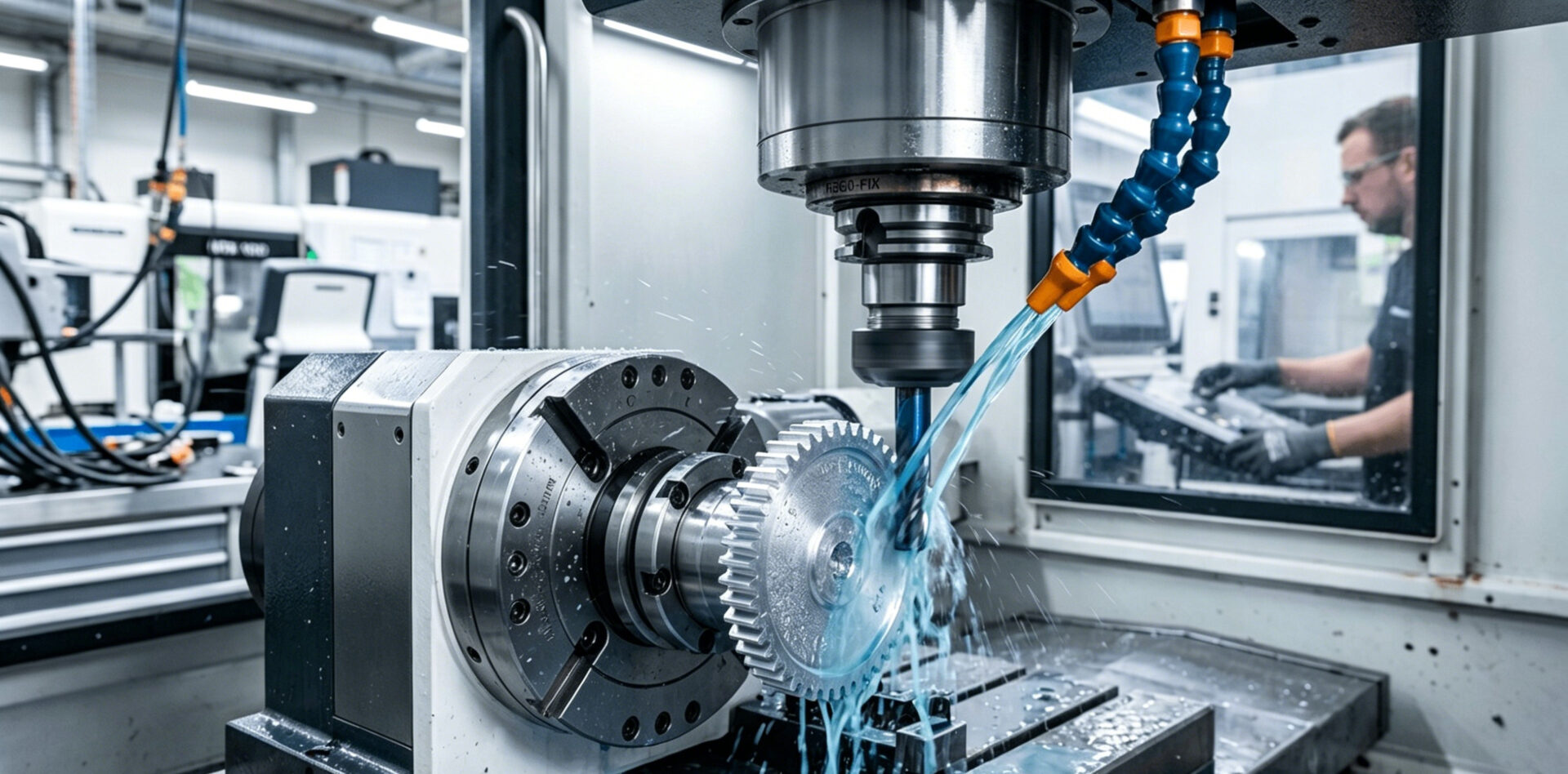
- Types of gears and gears and types: For components requiring gear engagement, we performed gear cutting (hobbing and milling) with inspection of tooth profile and pitch.
- Types of bearings mounting surfaces: Bearing pockets were machined with controlled surface finish and press-fit tolerances.
- Finishing: Anodizing (clear and black), passivation for stainless steel components, and surface finishing to meet cosmetic requirements for medical enclosures.
- Hardware insertion: Installation of types of washers, helicoils, and threaded inserts as per assembly drawings.
3.3 DFM and quality integration
TPS provided early DFM feedback to optimize the design for manufacturability—adjusting tapped hole depths to standard tooling, simplifying gear geometries where possible, and recommending material choices for machined aluminum components that balanced strength, weight, and anodizing performance. Quality documentation integrated from the start: material certificates, in-process inspection reports, and FAI packages were delivered with each production batch.
For more on our quality approach, see precision CNC machining and EMS CNC milling DFM guide.
4. Project outcomes: precision, traceability, and faster time-to-market
By consolidating all precision CNC machining, secondary operations, and quality documentation with TPS. The client achieved measurable improvements:
- Eliminated supplier fragmentation: A single partner for all machined components—enclosures, brackets, manifolds. This reduced coordination overhead and eliminated interface mismatches.
- Improved quality and consistency: Tapped holes met specification across all production batches; gear engagement surfaces achieved Class 8 precision; bearing pockets held sub-10µm tolerances.
- Full traceability: Material certificates, in-process inspection reports, and FAI packages were delivered with every batch. Which supporting the client’s ISO 13485 quality management system and regulatory submissions.
- Reduced lead time: By eliminating multi-supplier logistics and rework loops, the client achieved a 35% reduction in overall lead time from material order to finished parts.
- Cost predictability: The single-source model enabled better cost forecasting and eliminated hidden costs associated with rework and expedited shipping between vendors.
According to the client’s procurement lead: “Working with TPS transformed our machining supply chain from a constant source of delays to a reliable, predictable process. Having one partner responsible for everything—from rough machining to anodizing to documentation. Which gave us the confidence to scale production without quality surprises.”
Following the successful launch of the new product line, the client expanded the partnership to include TPS for additional components. Which also including cnc laser cut sheet metal parts and wire edm machining for specialized fixtures. For more on our scalable capabilities, see EMS CNC milling from prototype to production.