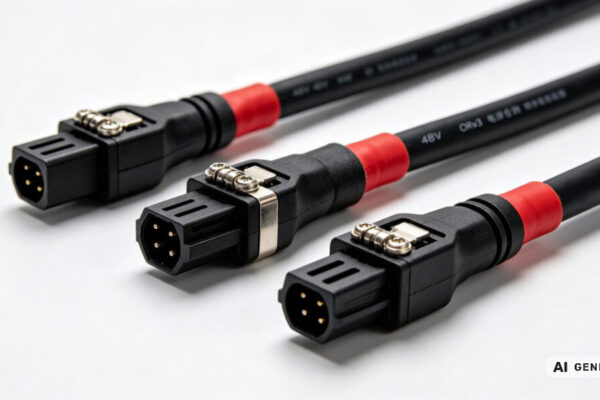


Illustrative anonymized collaboration scenario
This case-format example describes how an unnamed packaging-machinery OEM could structure a TPS collaboration. It is based on published service capabilities, not verified customer project records or measured results.
The OEM needs repeatable control cabinet assembly across machine variants. The proposed approach combines industrial electrical cable management, factory-prepared harnesses, and controlled wiring documents, helping engineering and procurement define a deliverable that installers can inspect and reproduce.
Discuss your packaging-machine cable assembly requirements →
1. The OEM challenge: cabinet variants and installation ambiguity
In this scenario, the OEM builds packaging machines with different drives, sensors, and optional modules. Preparing every connection individually leaves routing, branch lengths, and identification dependent on the installer. Drawings can show the electrical connection while leaving the physical installation unclear.
The proposed TPS collaboration starts with a cabinet layout, circuit documents, and a variant matrix. The OEM retains responsibility for machine architecture and release. TPS’s manufacturing scope and any engineering support would be agreed before samples are commissioned.
2. Make industrial cable routing part of the design
The first work package defines industrial cable routing around actual equipment and service access. Power, sensitive signals, communications, and protective bonding need deliberate paths. Separation and shield termination should follow equipment guidance and the machine’s electrical design.
Panel wiring ducts must accommodate the selected conductors, branch exits, closures, and intended expansion. Check connector access, bend limits, retention, and ventilation before freezing the layout. A neat photograph does not demonstrate correct sizing or EMC performance.
The IEC 60204-1 machinery electrical-equipment scope provides relevant context. Confirm applicable regional and product requirements for the complete machine.
3. Replace repeated preparation with defined harness sets
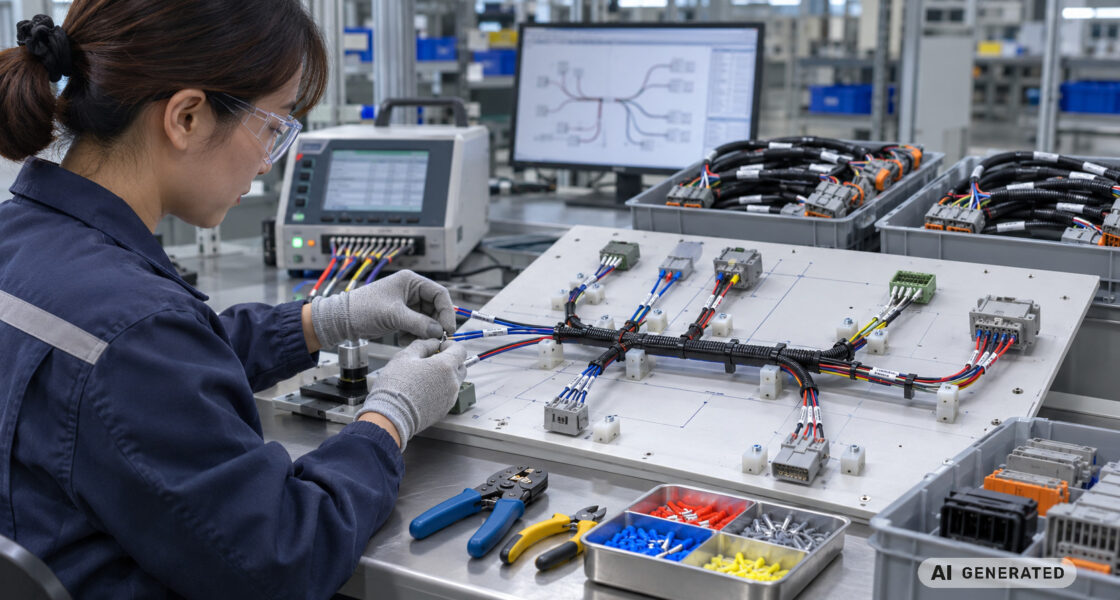
The proposed custom wiring harnesses use agreed lengths, branch locations, terminals, connector references, and end labels. For custom control panel harnesses, include connector-view orientation and wire identification so a pin map cannot be interpreted backwards.
TPS describes cutting, stripping, termination, shielding, labeling, and testing within its cable assembly offering. The tested and documented cable assembly overview helps define this handover.
If a machine variant includes optical links, specify them separately using the fiber connector guide and fiber assembly resource. Connector choice and test evidence must match the installed interface.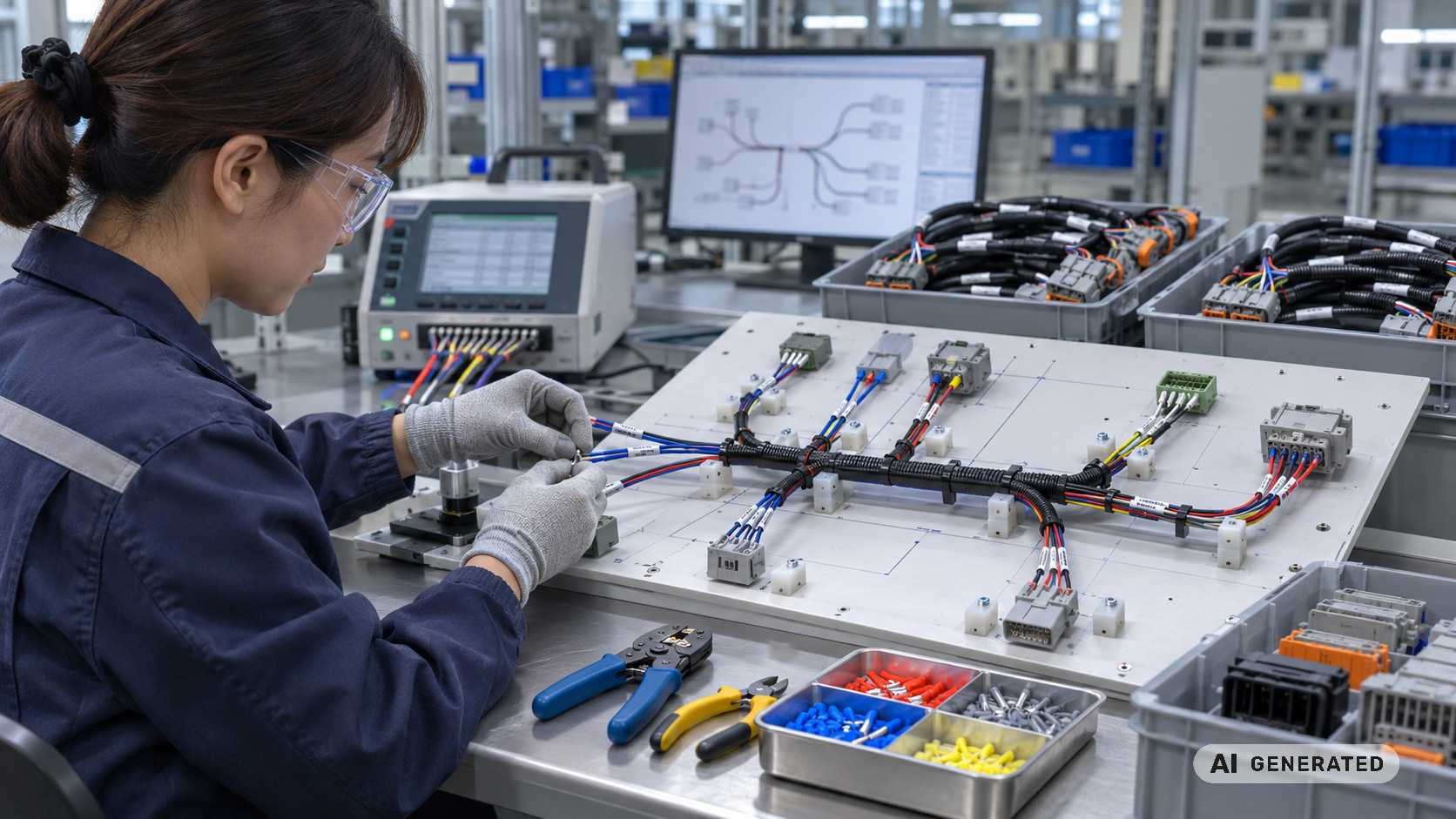
4. Connect wiring layouts to manufacturing and inspection
For control panel wiring, the proposed release package combines a connection table, harness drawing, routing layout, bill of materials, and revision history. Identify equipment references, endpoints, branch lengths, and installation sequence. Keep those documents aligned when a machine option changes.
Wire harness manufacturing needs agreed workmanship criteria and a test plan. IPC/WHMA-A-620 provides cable and harness acceptance criteria; specify the agreed revision and class where applicable. Harness acceptance does not replace cabinet or machine verification.
Define continuity and pin-map checks, any additional application-specific tests, and the required records. Inspect terminal preparation, identification, strain relief, and fit during a pilot installation. Validate affected safety functions through the machine’s responsible engineering process.
Review harness drawings, test requirements, and pilot scope with TPS →
The handover should identify whether the customer receives individual leads, branched harnesses, or a complete installation kit. Name the party responsible for final connection and verification. A factory test report should reference the supplied assembly and its revision so installers can confirm that the correct item has arrived.
5. Define intended outcomes and verify them during the pilot
The intended outcome is more predictable electrical cabinet wiring: fewer on-site preparation decisions, clearer variant selection, and a traceable handover. These are project objectives, not measured achievements attributed to this illustrative customer.
Compare a representative pilot with the OEM’s existing process. Record installation effort, fit-related rework, identification issues, and inspection findings using the same boundaries. Release recurring orders only after the approved configuration and outstanding actions are documented.
Use an approved reference cabinet to review connector reach, terminal access, and removal of replaceable equipment. Close drawing corrections before releasing a repeat order. Record whether a correction affects one option or the common cabinet platform, and update the kit configuration accordingly.
Packaging harnesses by cabinet or functional module can support installation sequencing. Agree spare identification, engineering-change handling, and the treatment of earlier stock so a revised machine does not receive an incompatible kit.
6. Prepare an RFQ around the installed scope
| Area | Required information |
|---|---|
| Interfaces | Schematics, endpoint list, pinouts, connector references, and cable specifications. |
| Installation | Cabinet layout, routing, branch dimensions, motion conditions, and service access. |
| Quality | Identification scheme, acceptance criteria, testing, records, and release responsibilities. |
| Procurement | Variant quantities, pilot batch, forecast, packaging, milestones, and delivery scope. |
Separate engineering, fixtures, samples, recurring harnesses, and optional integration in the quotation. Mark unknowns explicitly. This lets procurement compare equivalent scope and gives engineering a clear basis for approving supplier proposals.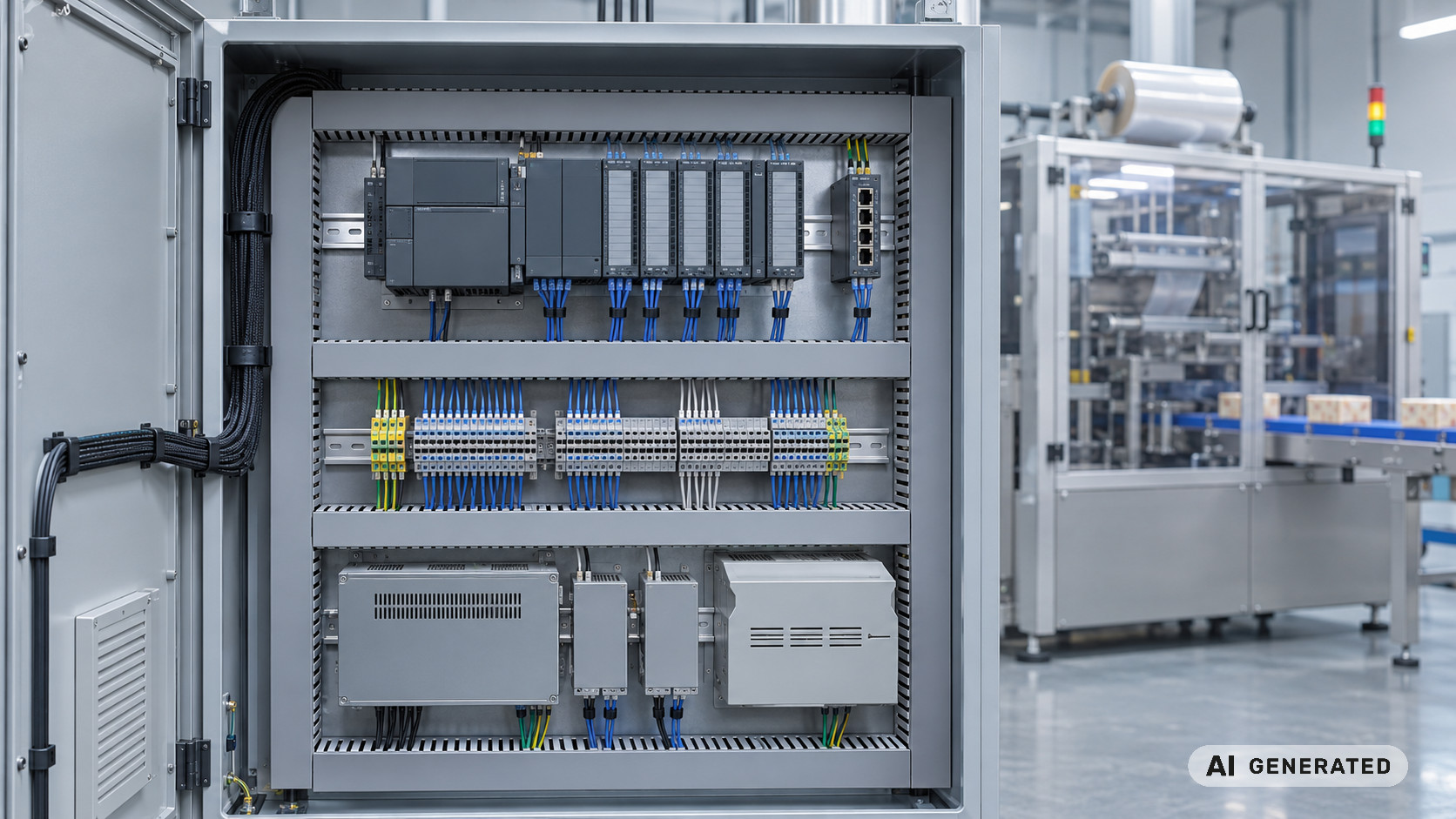
7. FAQ
Can existing cabinet drawings be used?
Yes, as a starting point. Check that they define physical routing, lengths, connector orientation, labels, and variants sufficiently for manufacturing.
Do tested harnesses eliminate machine testing?
No. Component checks support quality control; cabinet integration, protective measures, and relevant machine functions still require verification.
Which inputs support a useful first quotation?
Provide schematics, cabinet layout, pinouts, variant quantities, and test expectations. Identify missing dimensions and agree who will verify them before release.