

System integrators and data center architects rarely fail because they lack a server specification. They lose density—and budget. When the rack‑level power supply cannot deliver enough watts per U, forcing them to leave valuable rack space empty or sacrifice redundancy. As CPU and GPU thermal design power continues to climb, the power supply unit (PSU) becomes the primary constraint on how much compute can packed into a 42U rack.
TPS Elektronik’s high density data center power supply line directly addresses this challenge. Offering 1U and 2U form factors that comply with CRPS (Common Redundant Power Supply) and OCP (Open Compute Project) standards, TPS delivers compact, efficient, and hot‑swappable power solutions that maximize the number of servers per rack without compromising on reliability or serviceability.
1. Why power density defines modern rack utilization
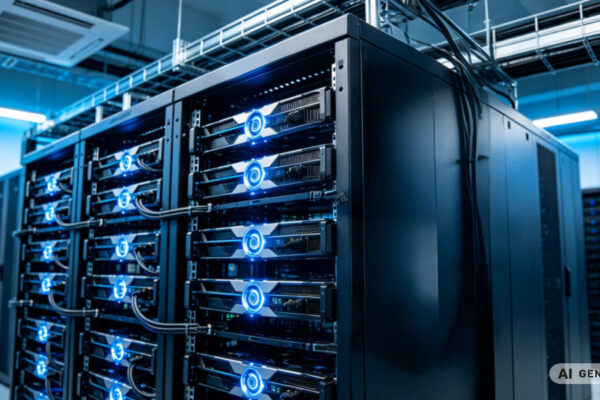
In a hyperscale data center, every rack unit (1.75 inches) represents a revenue opportunity. If a 30 kW rack must allocate 8U to power supplies that could have accommodated in 4U, 4U of potential server space is permanently lost. This loss compounds across thousands of racks. A high power density data center PSU solves this by delivering more watts in a smaller form factor, allowing the rack to house more CPUs, GPUs, and storage.
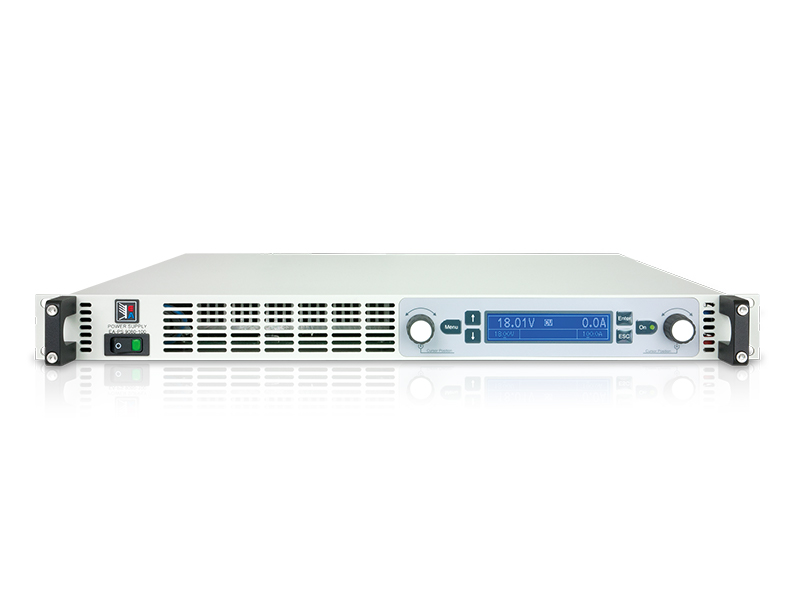
For example, a traditional 2U PSU might deliver 2,000 W, achieving a density of 1,000 W/U. A modern CRPS‑compatible 1U unit from TPS’s lineup can deliver the same 2,000 W at 2,000 W/U, effectively doubling the power density. This directly translates to more compute per rack. The integration of such high‑density power solutions with precise mechanical integration is a core competency of TPS’s EMS mechatronics and precision machining services.
2. TPS high density rack PSU technology
TPS Elektronik’s high‑density data center power supply range built on a platform of advanced power electronics and thermal design. For a broader context on how these systems fit into intelligent industrial infrastructure, refer to the TPS guide on mechatronics and intelligent systems for Industry 4.0.
2.1 1U and 2U CRPS form factors
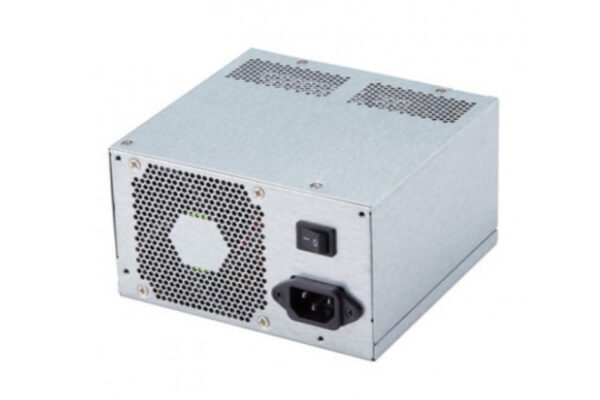
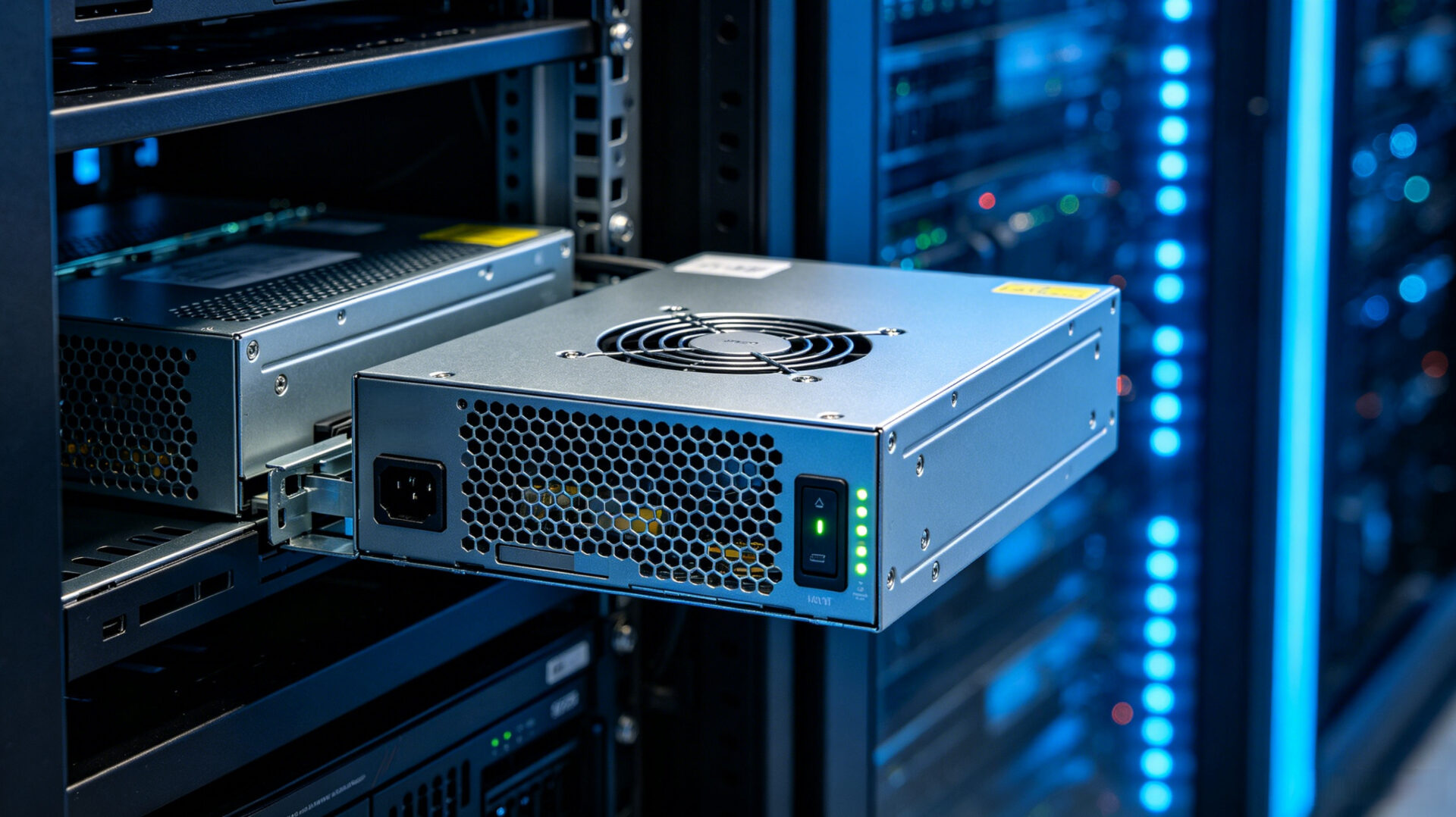
The CRPS specification, driven by OCP, defines a 1U‑high power supply unit with a narrow width (typically 73.5 mm) that allows three PSUs to fit side‑by‑side in a standard 19‑inch rack. This modularity supports power shelves that can scale from a few kilowatts to over 30 kW per shelf. TPS’s 1U and 2U PSUs comply with these mechanical specifications. Which ensuring compatibility with standardized power shelves and busbar systems.
2.2 Efficiency and thermal management
Data center PSUs must achieve high efficiency to reduce both electricity cost and waste heat. TPS’s high‑density units target 80 PLUS Titanium efficiency (≥96 % at 50 % load), reducing internal heat dissipation to a minimum. This allows for reliable operation in high‑ambient‑temperature environments and reduces the load on facility cooling. Intelligent fan control adjusts cooling based on load and temperature, minimizing acoustic noise and extending fan life.
2.3 Hot‑swap and N+1 redundancy
Serviceability is critical in always‑on data centers. TPS PSUs support hot‑swap insertion and extraction, allowing a failed unit to replaced without powering down the server or the rack. The power shelf integrates active OR‑ing circuits that isolate a failed module from the shared bus. Which ensuring that N+1 redundancy maintained with no single point of failure.
3. Integration with power shelves and busbar distribution
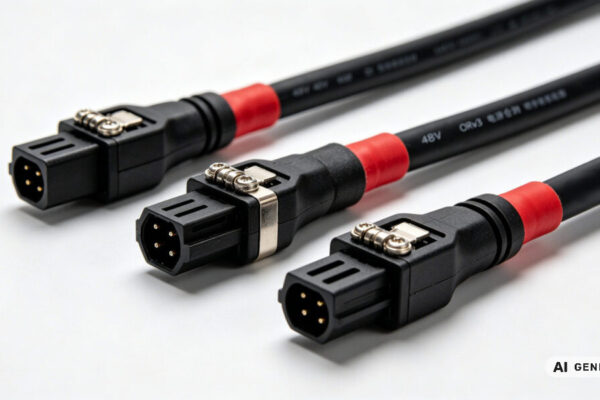
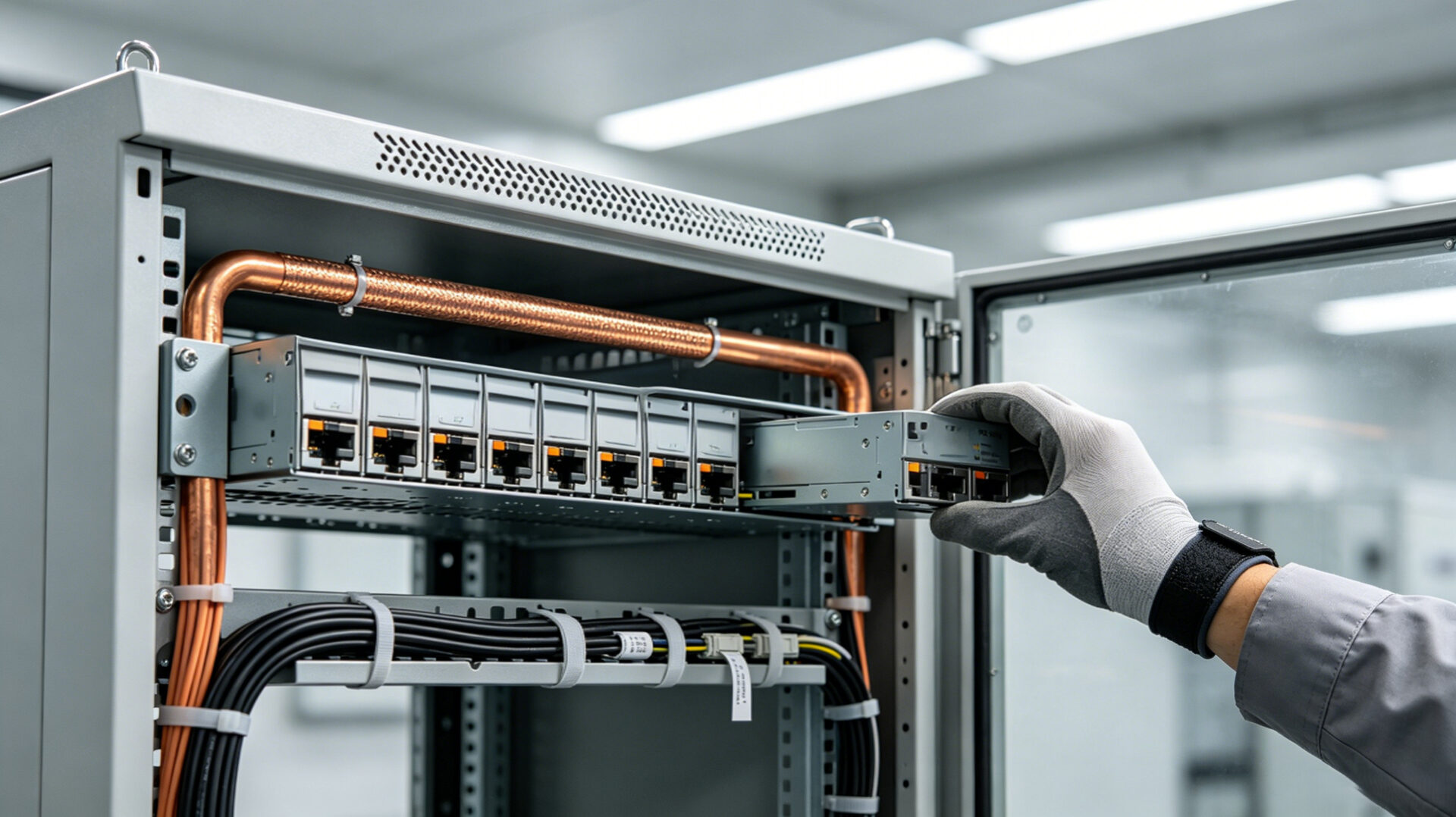
High‑density PSUs are only part of the equation. To deliver power efficiently to servers, they mounted in a power shelf that distributes 48 V DC via low‑loss copper busbars. TPS’s mechatronic integration service designs and manufactures these complete rack‑level power systems, including the sheet metal enclosure, backplane, and busbar assembly. This turnkey approach, which mirrors the system integration described in our resource on mechatronics from design to precision parts production, which ensures that the mechanical and electrical aspects perfectly matched, reducing assembly time and eliminating integration errors.
4. RFQ checklist for high density PSU integration
- Power per rack: Target total rack power (kW) and number of power shelves.
- Form factor: 1U or 2U PSU, CRPS or custom.
- Redundancy: N+1 or 2N, with hot‑swap.
- Efficiency: 80 PLUS Platinum or Titanium certification required.
- Communication: PMBus, I²C, or other digital monitoring interface.
- Integration scope: PSU only, or full power shelf with busbars and enclosure.
- Quantities and schedule: Prototype, pilot, and volume deliveries.
5. FAQ
What is CRPS and why is it important?
CRPS (Common Redundant Power Supply) is an OCP‑defined form factor for 1U PSUs that supports modular, redundant power shelves, enabling higher density and easier maintenance in hyperscale data centers.
Can TPS provide a complete power shelf including the busbar and enclosure?
Yes. TPS’s mechatronics service delivers fully integrated rack‑level power systems, from the PSU modules to the copper busbar and sheet metal enclosure.
What efficiency levels do TPS high density PSUs achieve?
TPS’s data center PSUs are designed to meet 80 PLUS Titanium efficiency standards, achieving ≥96 % at 50 % load to minimize energy loss and cooling requirements.
Where can I learn more about TPS’s integration capabilities?
Visit the TPS mechatronics service page, or explore our overview on PLC control systems.