

For system integrators, panel builders, and procurement teams in the high-density data center industry, the transition from air-cooled to liquid-cooled server infrastructure is not a trend—it is a necessity driven by the thermal demands of AI and GPU computing. A single NVIDIA B200 GPU operates at 1,000W TDP, and a fully populated rack can exceed 100kW of power consumption, making traditional air cooling inadequate.
TPS Elektronik’s custom sheet metal fabrication service was engaged by an anonymous hyperscale data center operator to design and manufacture a copper-aluminum hybrid server enclosure with integrated liquid cooling manifolds for high-density GPU clusters. The challenge: combine the thermal conductivity of copper with the lightweight structural properties of aluminum in a single enclosure that met ORv3 rack specifications and passed stringent leak testing—from prototype to volume production.
1. The Challenge: Liquid Cooling Integration in High-Density GPU Racks
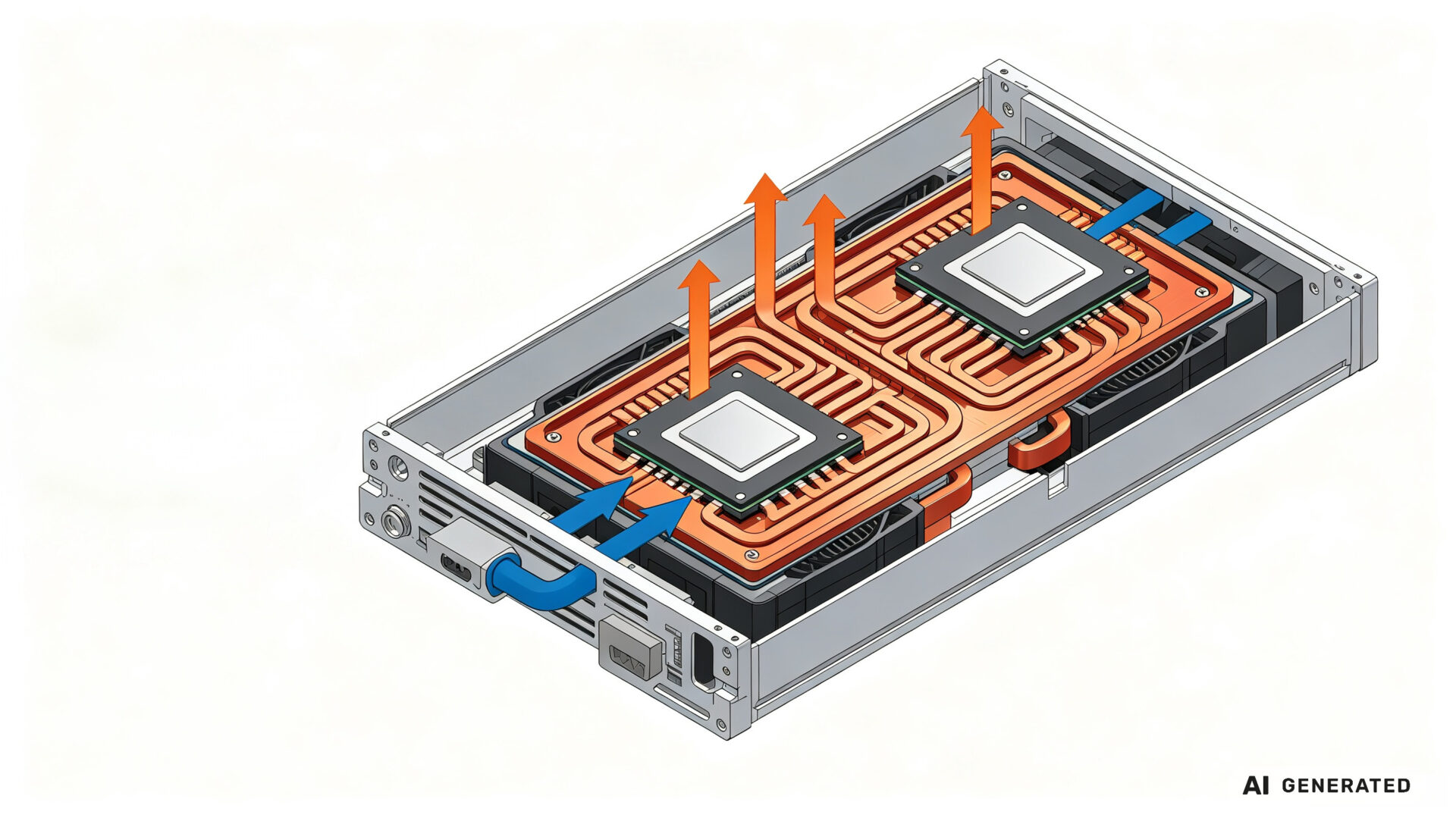
The customer—a hyperscale data center operator deploying AI training clusters—faced a critical infrastructure challenge: their existing server enclosures could not accommodate the liquid cooling infrastructure required for next-generation GPU servers. Direct-to-chip liquid cooling requires liquid cooling manifolds that distribute coolant to individual cold plates mounted on each GPU, creating a complex network of fluid connections within the server chassis.
Key requirements included:
- Integrated liquid cooling manifolds: The enclosure must house coolant distribution manifolds with leak-proof connections
- Copper-aluminum hybrid construction: Copper cold plates for maximum thermal conductivity; aluminum frame for lightweight structural integrity
- ORv3 rack compliance: Enclosure dimensions and mounting interfaces must meet Open Compute Project Open Rack V3 specifications
- High density: Support for multiple GPU servers per enclosure with minimal footprint
- Leak-proof integration: All fluid connections must pass pressure and leak testing before deployment
Traditional stamped or formed steel enclosures could not meet these requirements. Customer needed a partner capable of precision metal fabrication across dissimilar materials—copper and aluminum—with integrated fluid path machining and assembly.
TPS Elektronik was engaged to develop a custom metal enclosure solution that would integrate liquid cooling manifolds into a copper-aluminum hybrid chassis, supporting the customer’s transition to liquid-cooled AI infrastructure.
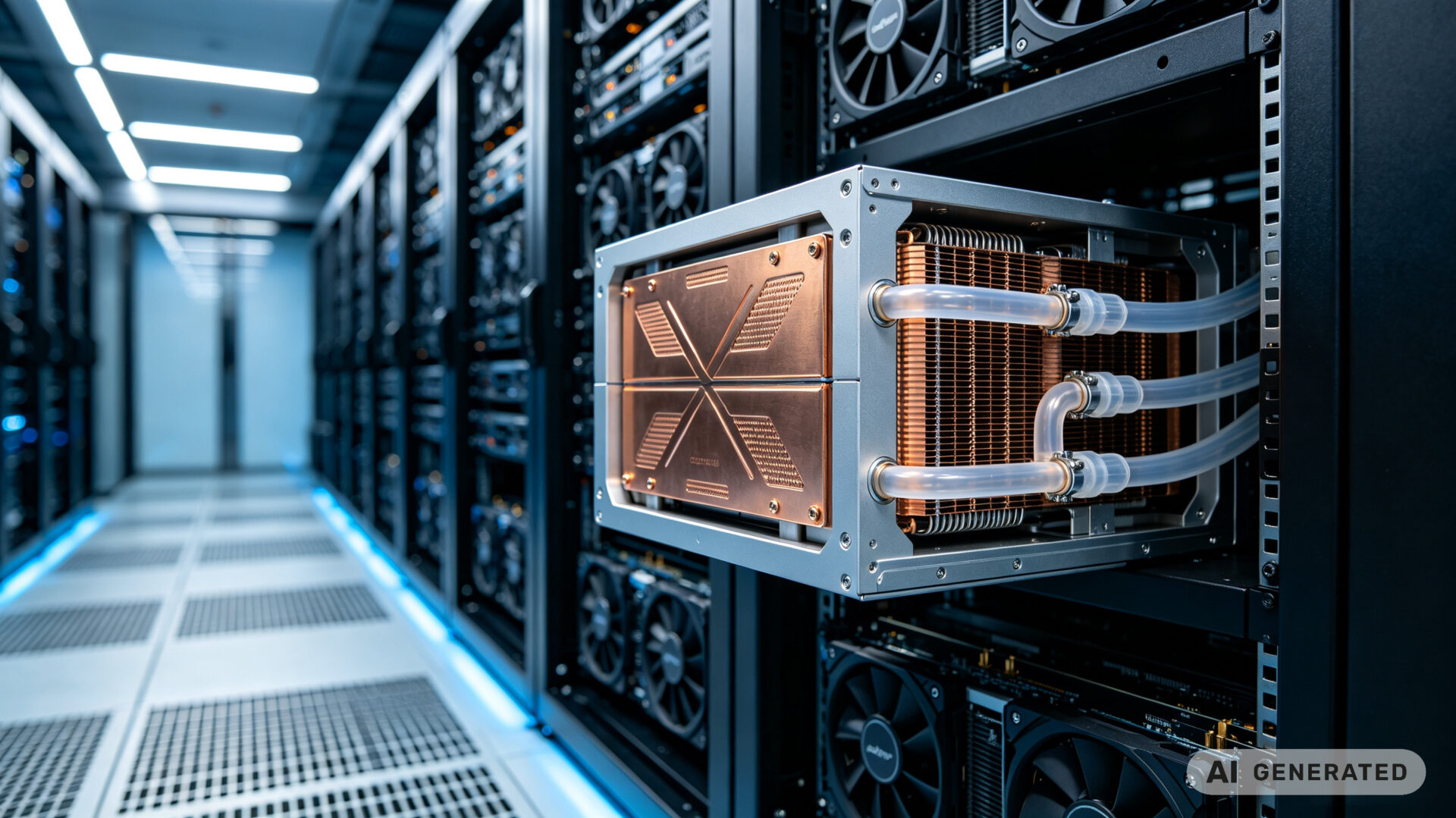
2. The TPS Solution: Copper-Aluminum Hybrid Enclosure Design
TPS Elektronik’s approach combined sheet metal fabrication expertise with thermal management engineering to deliver a copper-aluminum hybrid server enclosure that met all customer requirements.
Design & Engineering:
- Hybrid material strategy: Copper cold plates and fluid channels for optimal thermal conductivity; aluminum frame and structural members for weight reduction
- Integrated manifold design: Coolant distribution channels machined directly into the enclosure structure, eliminating separate manifold components
- ORv3 compliance: Enclosure designed to meet Open Rack V3 mechanical specifications, including mounting interfaces and dimensional requirements
- Leak-proof sealing: O-ring grooves and sealing surfaces machined to tight tolerances for reliable fluid connections
Material Selection:
- Copper (C11000): Cold plates and fluid channels for maximum thermal conductivity (401 W/m·K)
- Aluminum (6061-T6): Frame and structural components for lightweight strength and corrosion resistance
- Dissimilar metal joining: Transition interfaces designed to manage thermal expansion differences between copper and aluminum
For copper-aluminum hybrid chassis applications, managing the thermal expansion mismatch between the two metals is critical. Copper expands at approximately 16.5 µm/m·K, while aluminum expands at 23.1 µm/m·K—a difference that can cause joint failure if not properly designed. TPS’s engineering team addressed this through carefully designed transition interfaces and joining techniques that accommodate differential expansion.
3. Manufacturing Approach: Precision Metal Fabrication for Liquid Cooling
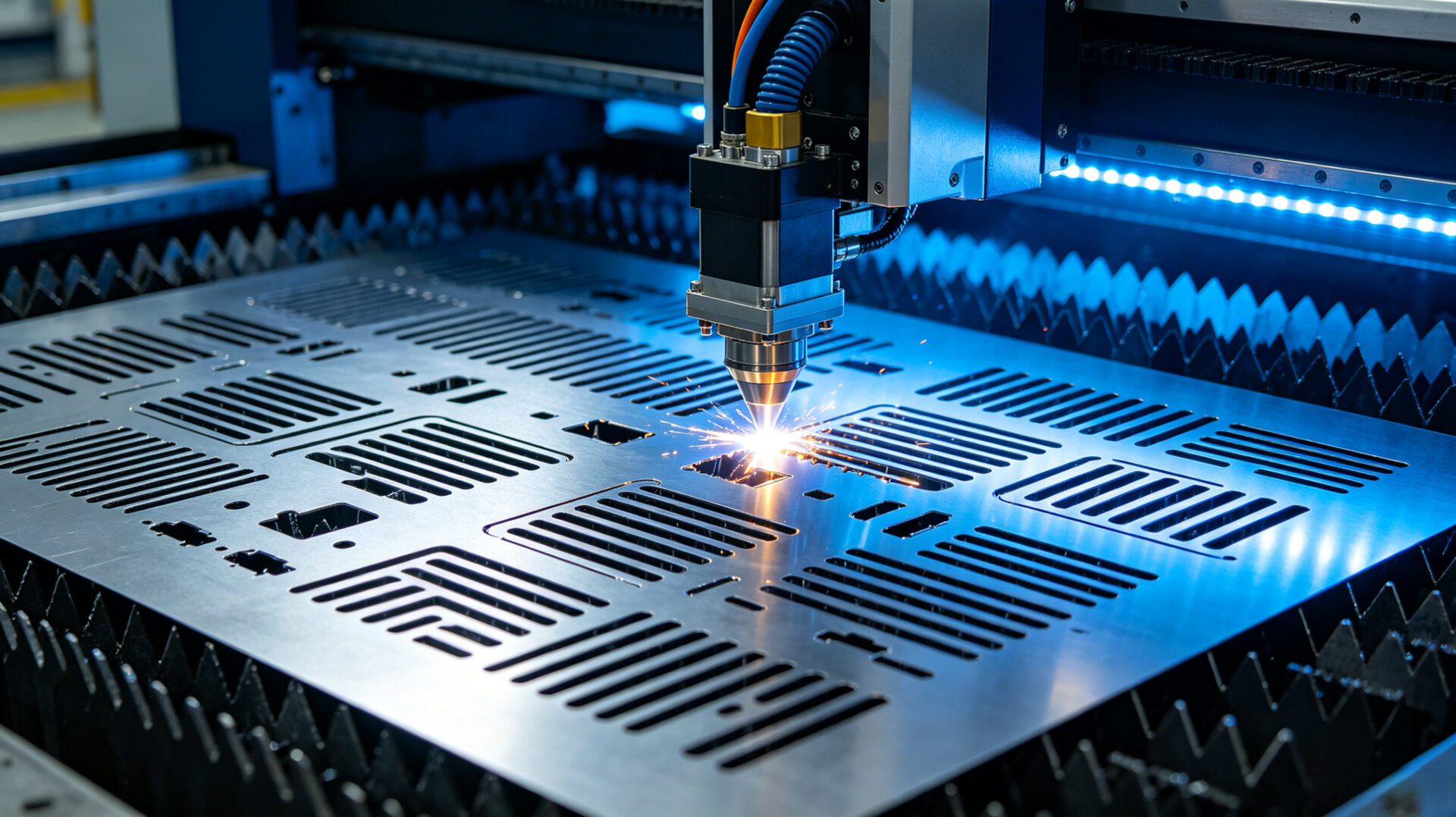
TPS Elektronik’s custom sheet metal fabrication capability was critical to the success of this project. The manufacturing process encompassed multiple precision operations:
Cutting & Forming:
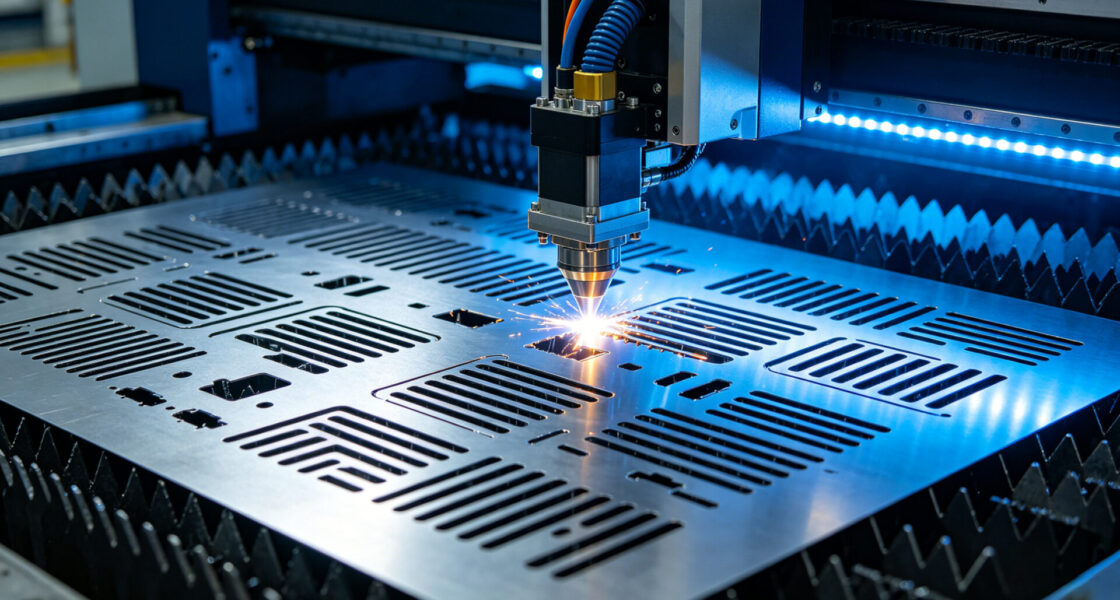
- Fiber laser cutting: Precision cutting of aluminum and copper sheets with ±0.1–0.2 mm tolerance
- CNC press brake bending: Forming of complex enclosure geometries with bend angles maintained within ±0.5°
- CNC machining: Precision milling of fluid channels, sealing surfaces, and mounting interfaces
Joining & Assembly:
- TIG welding: Precision welding of copper components and aluminum frame members
- Dissimilar metal joining: Specialized techniques for copper-aluminum transition joints
- Hardware insertion: PEM inserts and threaded fasteners for component mounting
Finishing & Testing:
- Surface finishing: Deburring, blasting, and powder coating for corrosion resistance and aesthetics
- Pressure testing: Leak testing of all fluid channels at 1.5× operating pressure
- First Article Inspection (FAI): Comprehensive dimensional reports per AS9100 requirements
For liquid-cooled server enclosure metal applications, the integration of fluid paths into the metal structure requires exceptional precision. TPS’s in-house metal fabrication capabilities—including CNC machining of cooling channels directly into copper and aluminum—enabled the customer to eliminate separate manifold components, reducing assembly complexity and potential leak points.
TPS’s integrated EMS approach meant that sheet metal fabrication was coordinated with broader system requirements, including PCB mounting, cable routing, and thermal interface management. Our EMS sheet metal processing service provided the end-to-end workflow from RFQ to inspected production.
4. Integration and Outcomes: Meeting ORv3 Compliance and Thermal Targets
The copper-aluminum hybrid server enclosure delivered by TPS Elektronik exceeded the customer’s performance targets while meeting all ORv3 compliance requirements.
Key Outcomes:
- ORv3 compliance: Enclosure met all Open Rack V3 mechanical specifications, including mounting interfaces and dimensional requirements
- Thermal performance: Integrated copper cold plates achieved thermal resistance below 0.05 K/W, enabling GPU operation at full TDP
- Leak integrity: All fluid channels passed 1.5× operating pressure testing with zero leakage
- Weight reduction: Aluminum frame reduced enclosure weight by approximately 30% compared to all-copper or all-steel designs
- Assembly simplification: Integrated manifold design eliminated separate manifold components, reducing assembly time by 25%
Operational Benefits:
- Reduced cooling energy: Direct-to-chip liquid cooling enabled by the integrated manifold reduced cooling energy consumption by up to 30%
- Higher rack density: The compact enclosure design supported more GPU servers per rack
- Simplified maintenance: Integrated manifold design with leak-proof connections reduced maintenance complexity
This case study demonstrates how TPS Elektronik combines expertise in custom metal enclosures for electronics, precision sheet metal fabrication, and thermal management engineering to deliver integrated solutions for high-density data center applications. By integrating liquid cooling manifolds directly into the enclosure structure, TPS helped the customer transition from air-cooled to liquid-cooled AI infrastructure with minimal disruption.
5. TPS Advanced Metal Fabrication Capabilities for Liquid-Cooled Enclosures
TPS Elektronik’s custom sheet metal fabrication service for liquid-cooled server enclosures combines precision manufacturing, material expertise, and thermal management engineering in a single integrated workflow.
Manufacturing Capabilities:
- Fiber laser cutting: Precision cutting of aluminum, copper, and steel with ±0.1–0.2 mm tolerance
- CNC press brake bending: Complex geometries with bend angles ±0.5°
- CNC machining: Precision milling of fluid channels, sealing surfaces, and mounting interfaces
- TIG and MIG welding: Precision welding of copper, aluminum, and steel components
- Surface finishing: Deburring, blasting, powder coating, and anodizing
- Assembly: Hardware insertion, component mounting, and final assembly
Specialized Capabilities for Liquid Cooling:
- Copper-aluminum hybrid fabrication: Precision joining of dissimilar metals with thermal expansion management
- Integrated fluid channel machining: CNC milling of coolant channels directly into enclosure structures
- Leak-proof sealing surfaces: Precision machining of O-ring grooves and sealing interfaces
- Pressure testing: Leak testing of all fluid channels at 1.5× operating pressure
Quality & Compliance:
- ISO 9001 and IATF 16949: Quality management systems
- First Article Inspection (FAI): Comprehensive dimensional reports
- Material certificates: Full traceability of material provenance
- PPAP: Production Part Approval Process available on request
TPS supports both prototype and production volumes, with scalable manufacturing capacity for liquid-cooled enclosure programs of any size. TPS’s custom sheet metal fabrication service is integrated with broader EMS capabilities—including cable assembly, PCB assembly, and system integration—reducing supply chain complexity for system integrators and procurement teams.
For GPU data center metal enclosure applications, TPS’s sheet metal processing and custom metal fabrication capabilities provide a comprehensive solution from design to production.