

System integrators, panel builders, procurement teams and electrical engineers rarely lose an RFQ because sheet metal fabrication equipment is unavailable.
Delays typically occur when the mechanical scope is fragmented across multiple suppliers. One supplier cuts parts, another handles welding, tolerances are interpreted differently, and assembly-related issues such as fit, grounding or finishing are only discovered after delivery.
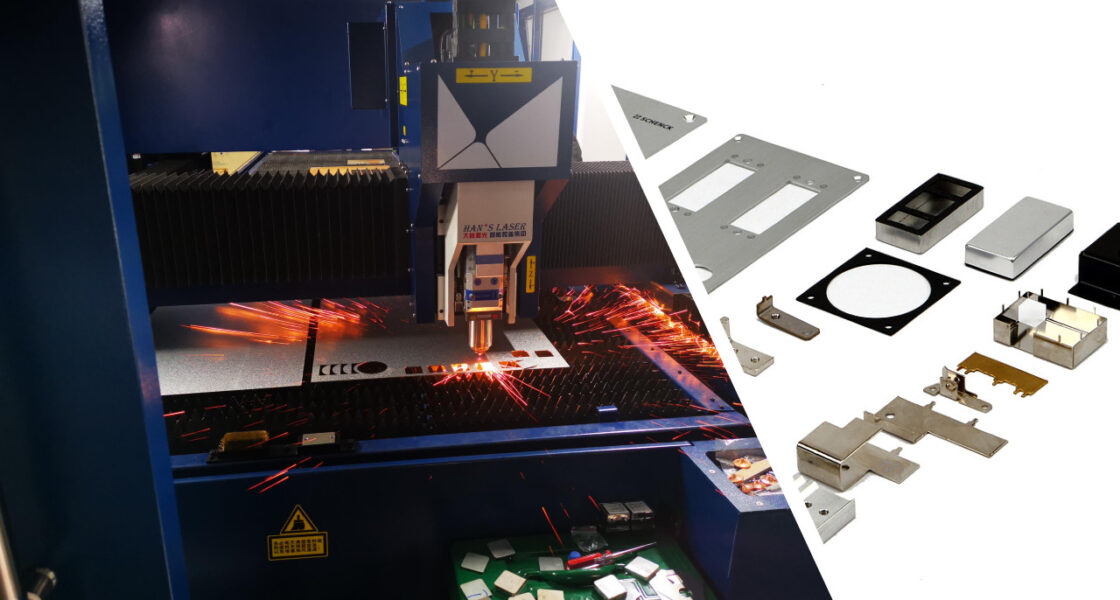
This update explains how TPS Elektronik structures EMS sheet metal processing as an RFQ-ready workflow for electronics programs: from quotation and early DFM feedback to cutting, punching, CNC bending, tube processing, welding, finishing, assembly and documented inspection.
1. Why this EMS sheet metal update matters for RFQ outcomes
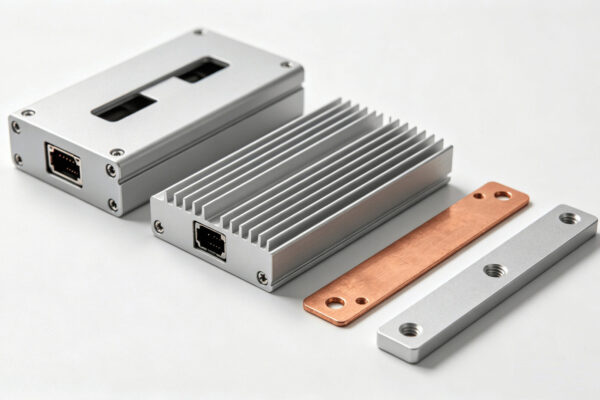
In electronics manufacturing, sheet metal is more than a standard mechanical component. It often forms the interface between PCB assemblies, cable routing, cooling concepts, grounding strategies, enclosure geometry and final installation conditions.
As a result, relatively small deviations can affect later assembly stages:
- A bend angle that is technically within tolerance may obstruct connector access.
- A surface finish selected primarily for appearance may interrupt grounding areas.
- A weld sequence chosen without assembly context may introduce distortion during final fitting.
TPS positions sheet metal processing within a broader EMS workflow so that mechanical parts are reviewed together with the electronics environment they must support.
For procurement teams, the objective is typically not only to source a drawing at the lowest nominal price. The focus is often on obtaining a manufacturable and repeatable part package that supports prototype builds, pilot runs and later series production with fewer coordination issues.
This is also why TPS content related to custom sheet metal fabrication and electronics enclosures is relevant for engineering-led procurement teams: the emphasis is placed on fit, assembly integration and release readiness rather than isolated fabrication steps.
2. EMS sheet metal capabilities: from cutting to inspected assembly
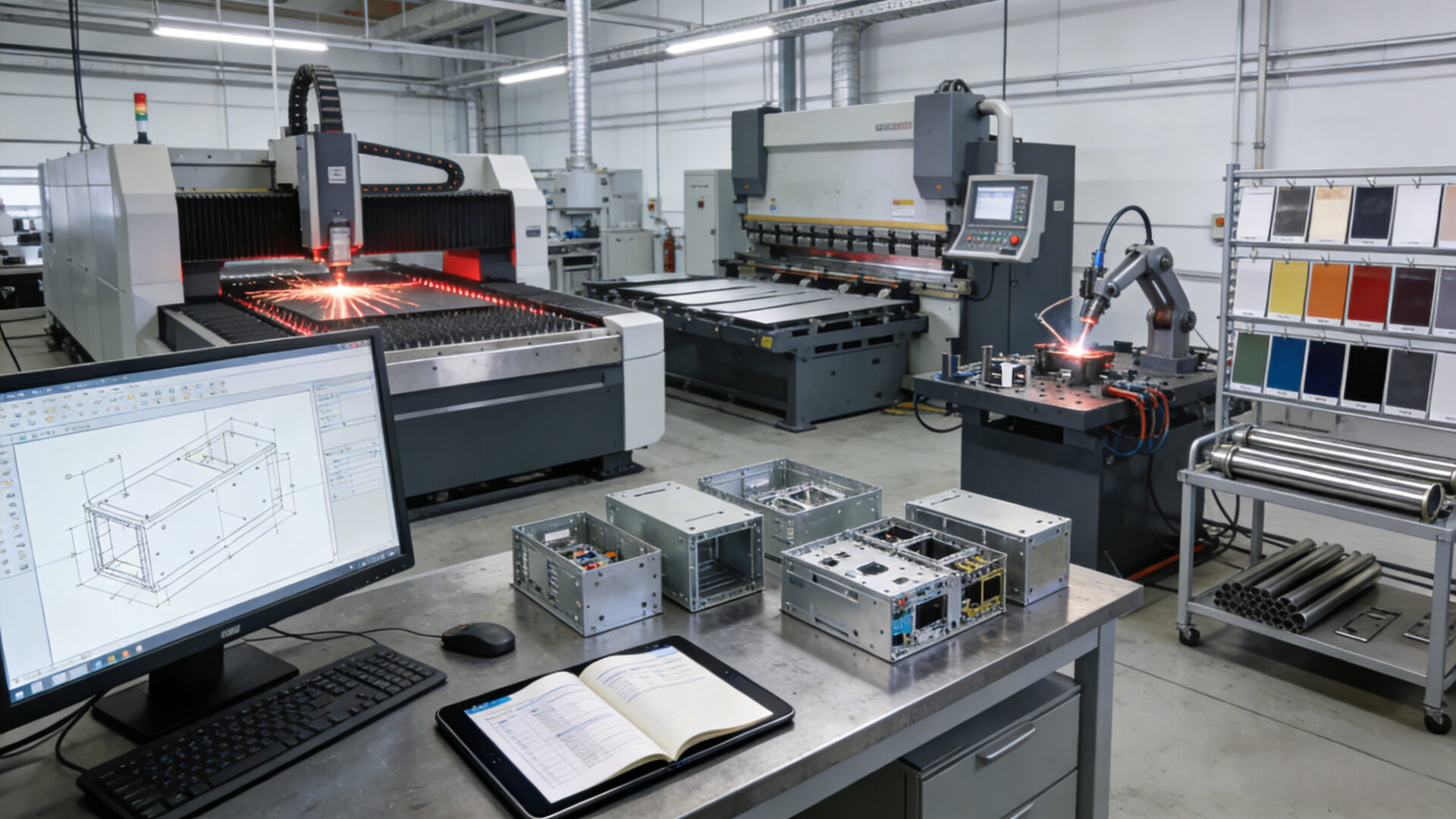
TPS structures sheet metal processing as part of an integrated EMS-oriented workflow.
Depending on project requirements, the scope may include:
- Cutting and punching
- CNC bending and forming
- Tube and profile processing
- Welding and joining processes
- Surface finishing
- Mechanical pre-assembly
- Documented inspection and quality checks
This integrated approach can help reduce coordination gaps between fabrication, mechanical assembly and electronics integration.
For projects involving enclosure systems, mounting structures or hybrid mechanical assemblies, combining sheet metal and tube processing within one sourcing workflow may also simplify communication during DFM and approval stages.
3. Where machine-related search terms actually fit in an EMS project
Many sourcing processes begin with machine-oriented search terms such as:
- bending machine
- CNC bender
- tube bending machine
- CNC tube bender
- CNC pipe bender
- industrial tube bender
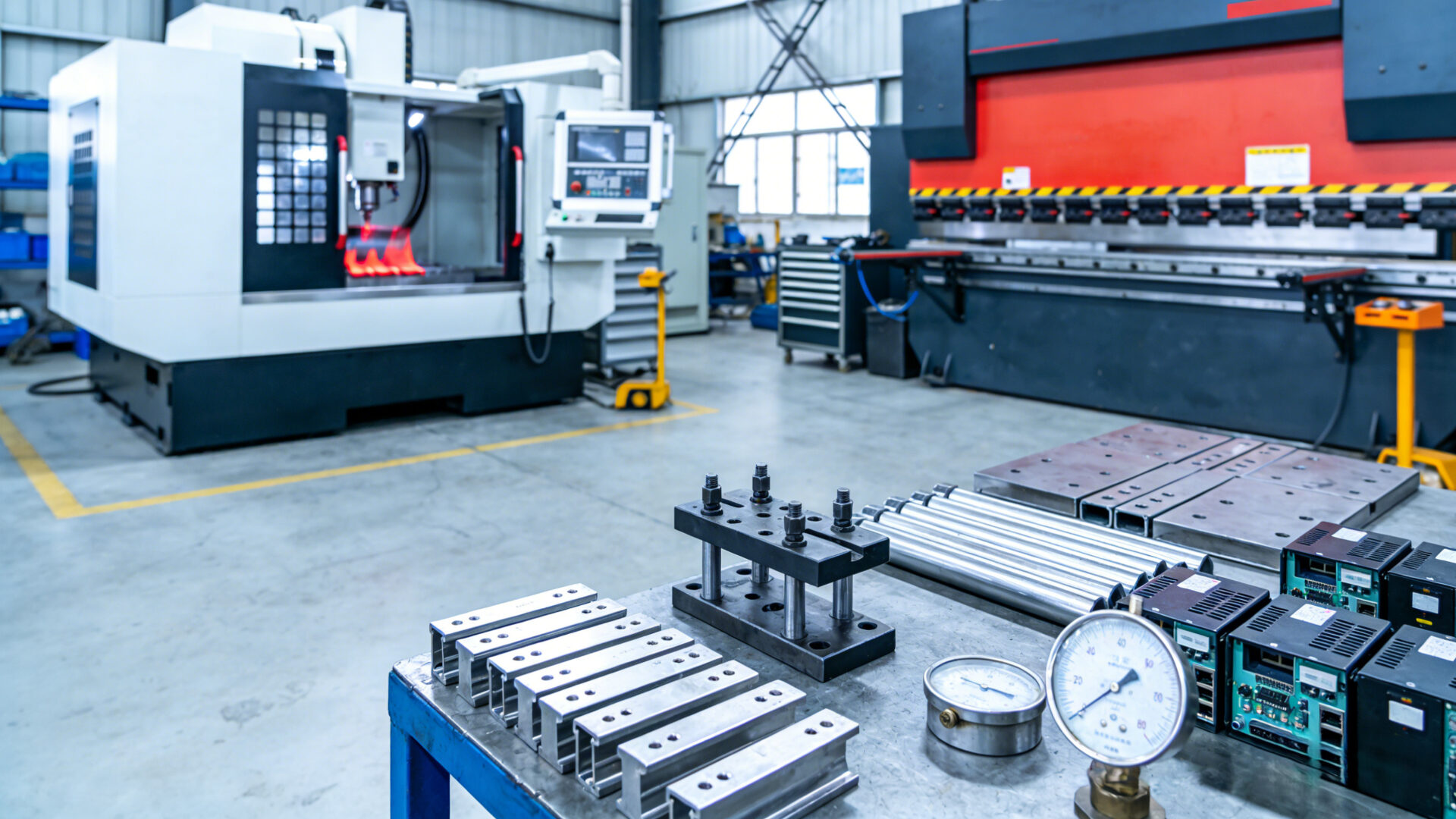
These terms are common during early research phases. In an EMS procurement context, however, buyers are generally not searching for standalone equipment. The focus is typically on the manufacturing result: consistent geometry, stable bends, suitable surface quality, assembly compatibility, inspection documentation and delivery readiness.
The same principle applies to related search terms such as:
- tube bending equipment
- CNC tube forming
- tube end forming machine
- electrical tube bender
In practice, the decision is rarely about the machine category itself. It is about whether the associated process can be integrated into a controlled RFQ-to-production workflow.
For TPS, the emphasis is therefore not on machine ownership alone. The value lies in coordinating sheet parts, tube components, joining methods and electronics assembly requirements within one sourcing path.
This approach may help reduce handoff issues between mechanical fabrication and later assembly stages.
If a project includes both enclosure panels and routed metal supports, reviewing sheet and tube operations together during the RFQ phase can support cleaner DFM feedback, clearer tolerance discussions and more efficient approval loops.
4. How quality, documentation and DFM can support approval workflows
In many sourcing discussions, quality planning is addressed relatively late. However, approval-related issues are often easier to manage earlier in the quotation and DFM phase.
This may include clarification of:
- Critical dimensions
- Cosmetic classifications
- Material and finish requirements
- Inspection scope
- Documentation expectations
- Approved alternatives
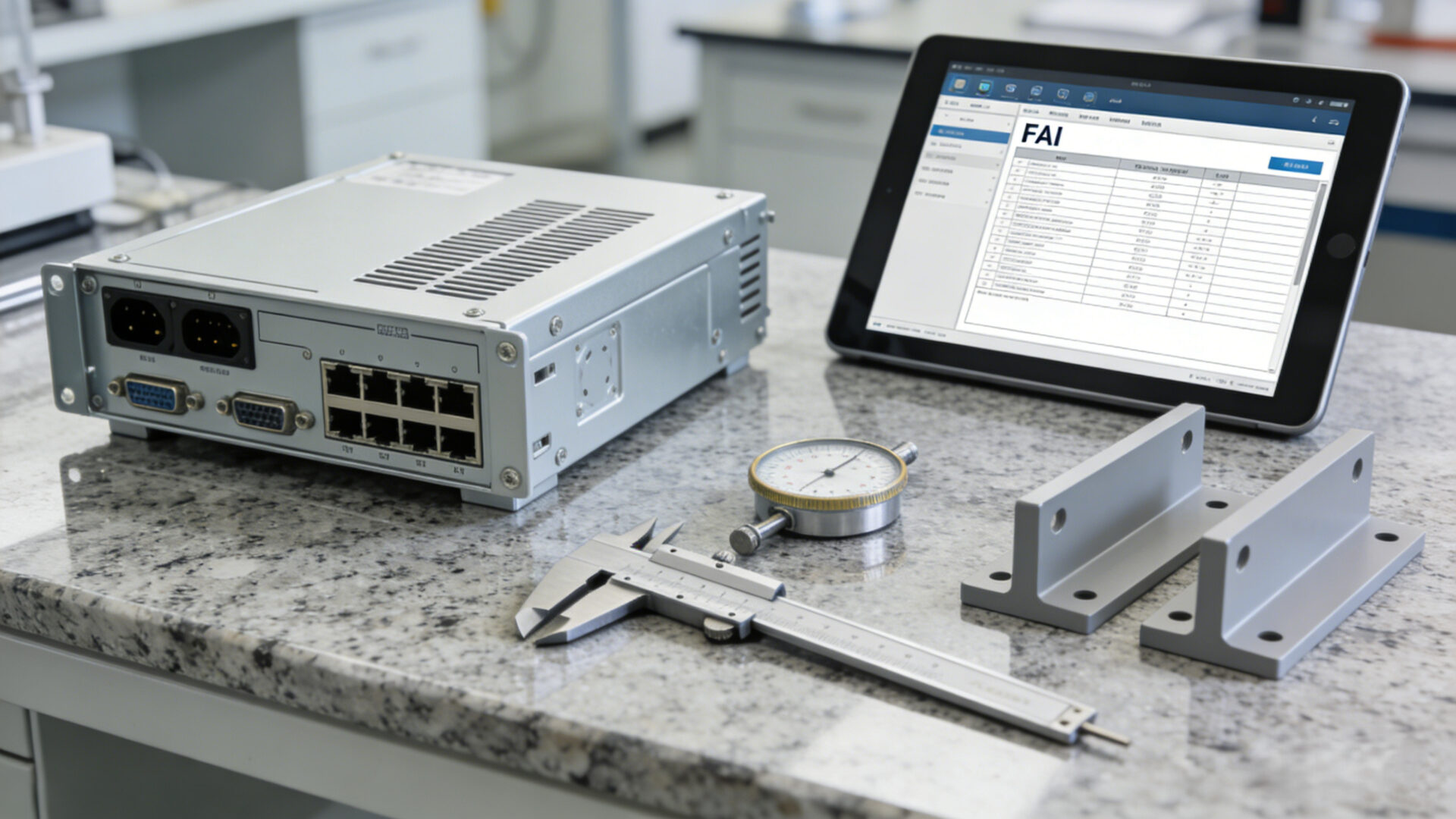
TPS’s public sheet metal content emphasizes early DFM feedback, documented inspections and optional quality documentation support such as FAI or PPAP where project requirements call for it.
This can be particularly relevant for:
- High-mix manufacturing programs
- Regulated environments
- Projects transitioning from prototype to repeatable production workflows
For supplier-quality frameworks, the official ISO 9001 standard is commonly referenced. In ESD-sensitive electronics environments, the IEC 61340 family may also be relevant when mechanical parts are integrated into controlled electronics handling processes.
From an RFQ perspective, quality readiness typically means:
- Critical features are clearly identified.
- Materials and finishes are unambiguous.
- Inspection expectations are defined early.
- Engineering and procurement teams share the same acceptance criteria.
Clear alignment during DFM can help reduce later revision cycles and corrective actions.
5. What to include in your RFQ now
A well-structured RFQ can help speed up quotation workflows and reduce revision cycles.
For EMS sheet metal processing, it is generally useful to provide:
- PDF drawings
- 3D CAD data where available
- Material specifications
- Thickness information
- Surface finishing requirements
- Masking requirements
- Grounding contact areas
- Cosmetic expectations
- Prototype, pilot and recurring volume expectations
If tube processing is involved, specify whether the following are critical:
- Bend geometry
- End forming
- Cut lengths
- Welded interfaces
- Fixture-dependent dimensions
If welding is required, indicate:
- Preferred process (MIG, TIG, spot or stud welding)
- Cosmetic seam expectations
- Areas sensitive to distortion
If inspection or customer approval depends on documentation, this should ideally be defined during the RFQ phase rather than after pricing.
Most importantly, identify dimensions that are truly critical to assembly function. Connector cut-outs, mounting holes, grounding surfaces and interface planes are often more important than applying unnecessarily tight tolerances to every feature.
Clear priorities typically support more targeted DFM feedback and more accurate commercial evaluation.
FAQ
What is the difference between buying a machine and buying EMS sheet metal output?
Machine-focused sourcing is centered on equipment categories such as bending machines or CNC tube benders. EMS-oriented sourcing is typically focused on validated manufacturing output, including geometry, assembly fit, inspection documentation and production readiness.
When is tube processing relevant in an electronics sheet metal project?
Tube processing may become relevant when a project includes frames, routed supports, protective structures or hybrid assemblies that combine sheet parts with bent tube or profile elements.
Why is DFM important for electronics enclosures?
Enclosure parts can affect connector access, cable routing, grounding areas, thermal clearances and overall assembly stack-up. Early DFM reviews can help identify potential issues before fabrication begins.
Which welding process is typically used for sheet metal assemblies?
The appropriate welding process depends on factors such as material, thickness, cosmetic requirements, throughput and distortion sensitivity. MIG and TIG welding each offer advantages depending on the application.
What information should procurement send first for faster quotation handling?
Useful RFQ information generally includes:
- Drawings
- 3D files where available
- Material and finish requirements
- Quantities
- Critical dimensions
- Welding expectations
- Required inspection or approval documentation
Clear RFQ documentation can help reduce clarification loops during quotation and DFM review.