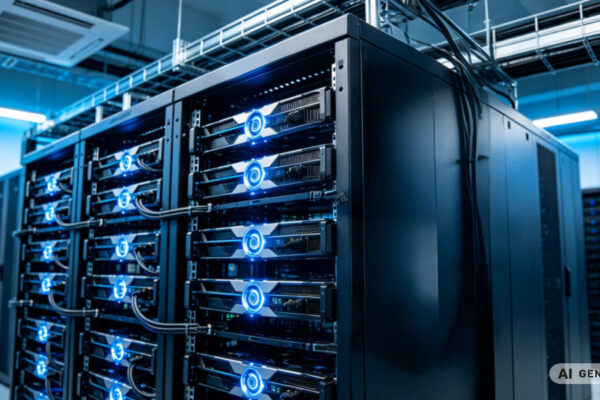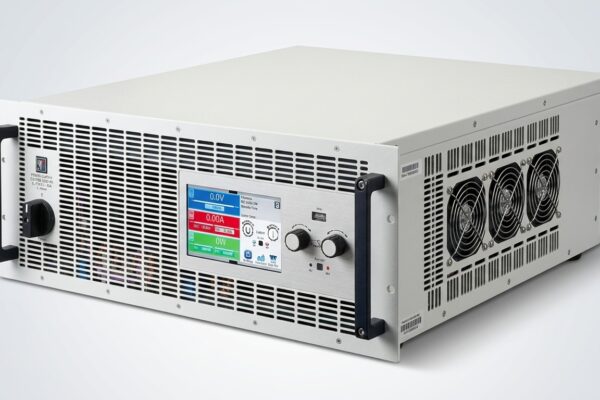


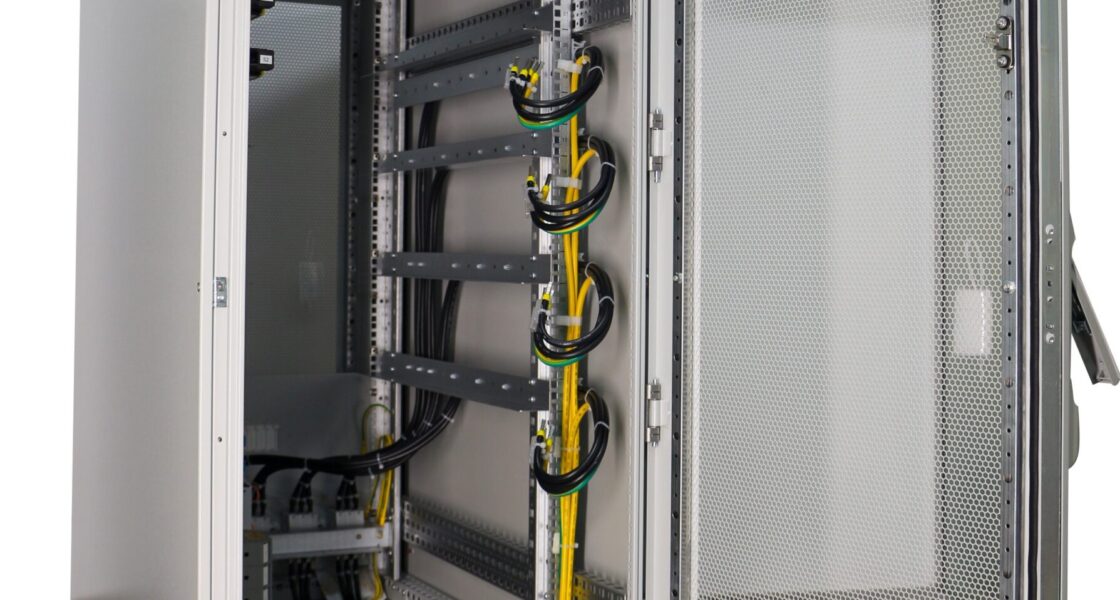
For system integrators, panel builders, and engineering‑driven procurement teams, the physical cabinet that houses servers and switches is no longer just a sheet‑metal enclosure. It is the central hub of power distribution. When a rack must accommodate multiple power distribution units (PDUs). An uninterruptible power supply (UPS), and dense cable routing, a standard IT rack often forces dangerous compromises. Inadequate depth blocks UPS insertion. Insufficient side channels prevent neat vertical PDU mounting. And a weak frame risks collapse under heavy battery loads.
The TPS Power Integrated Data Center Cabinet solves these problems at the structural level. Specifically designed around PDU and UPS integration. This 19‑inch rack cabinet combines load‑bearing steel construction, standard‑compliant mounting rails, and generous rear and side access. It transforms a passive enclosure into an active element of a streamlined power distribution architecture. The cabinet described here — the TPS 42U Industrial Cabinet . It is available from stock and can be configured with multiple PDU and UPS mounting options.
What a power integrated data center cabinet is
A power integrated data center cabinet is a 19‑inch rack enclosure that accommodates not only servers and switches but also the power distribution and backup equipment necessary to operate them. Unlike a general‑purpose server rack, a true power integration cabinet provides dedicated mounting channels for vertical (0U) PDUs, reinforced bottom rails for UPS battery weight. And enhanced cable management pathways that keep power and data cables physically separated.
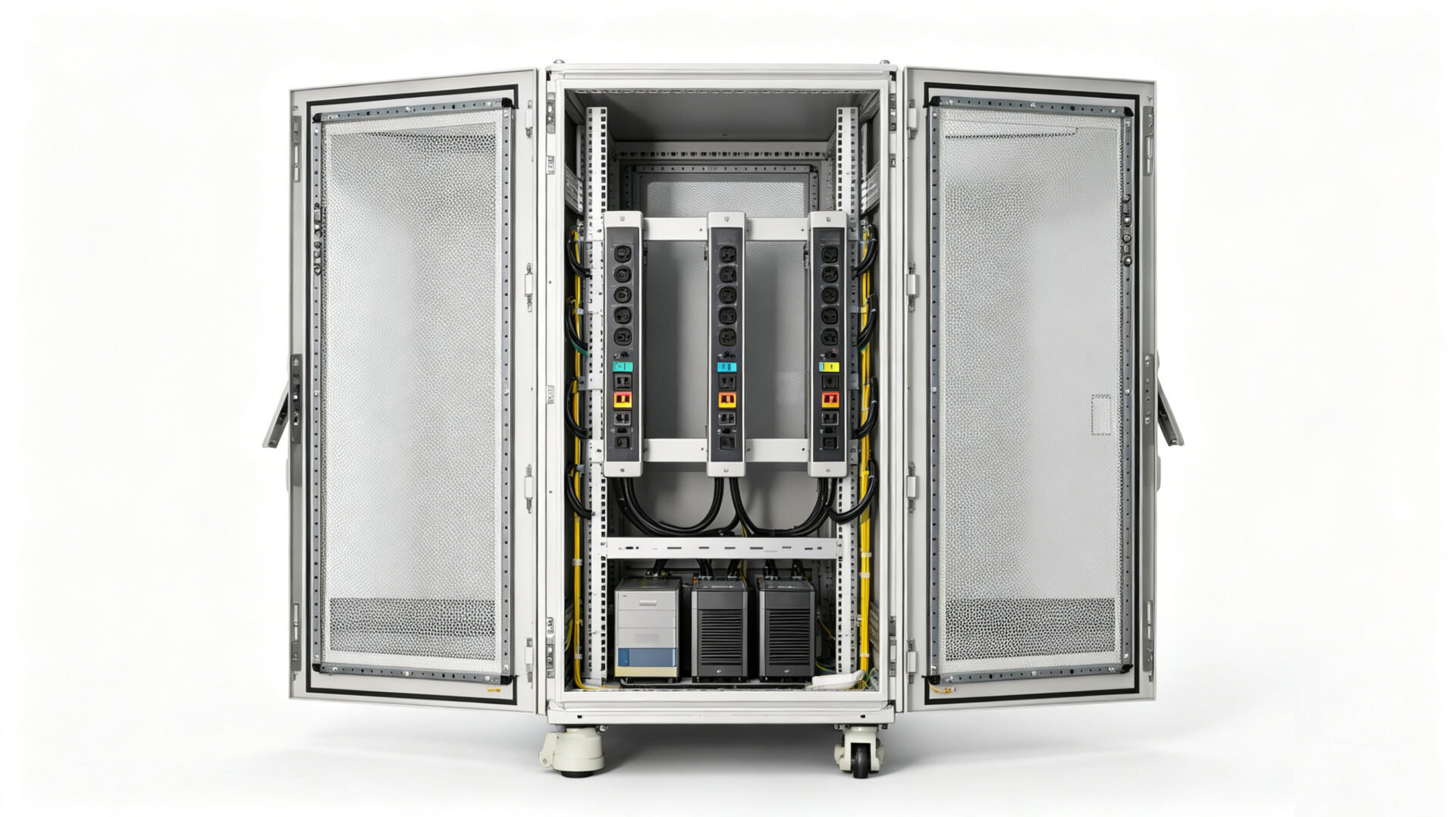
The TPS 42U cabinet achieves this through a modular, free‑standing design with external dimensions of 610 × 1070 × 2120 mm (W × D × H). The 1070 mm depth provides ample clearance for full‑length UPS chassis and deep server rails, while the 2120 mm height offers 42 rack units of vertical equipment space. Both the front and rear single doors use square‑pipe reinforcement and lock‑rod fasteners (TS007 system with M6×12 screws). Which ensuring the cabinet remains rigid even when heavy UPS units are installed at the bottom and dense cabling fills the rear channels. The frame constructed from sheet steel with a powder‑coated RAL 7035 finish. And the removable top and bottom panels allow flexible cable entry for both top‑of‑rack and bottom‑of‑rack power feed configurations.
For smaller installations, TPS also offers the 15U cabinet and 24U cabinet, which share the same frame design and power integration features. The complete range is available on the TPS 19‑inch cabinets category page.
PDU mounting: horizontal and vertical 0U channels
A common mistake in rack specification is to treat PDUs as afterthoughts, occupying valuable horizontal U‑space that should reserved for revenue‑generating equipment. A well‑designed power integrated cabinet provides dedicated vertical mounting channels that accept 0U PDUs without consuming any rack units. The TPS 42U cabinet incorporates these channels along the rear and side frame members.
The 512.5 mm spacing between the front and rear 19‑inch mounting rails creates a generous rear service area. This space is sufficient to mount up to three vertical PDUs. For example, one for A‑feed, one for B‑feed, and one for management network power. While still leaving room for vertical cable managers. Each PDU can be a three‑phase intelligent model with per‑outlet metering, connected to the facility power via the removable top panel or through the rear door cutouts.
Horizontal PDUs (1U or 2U) can also mounted in the standard 19‑inch rails, but the vertical channels are the key differentiator for power integration. They keep power cords short and direct. Which reducing voltage drop and eliminating the tangle of extension cords that plague retrofit PDU installations. For further context on rack integration practices, see the TPS news and insights section.
UPS integration: bottom‑mount stability and airflow
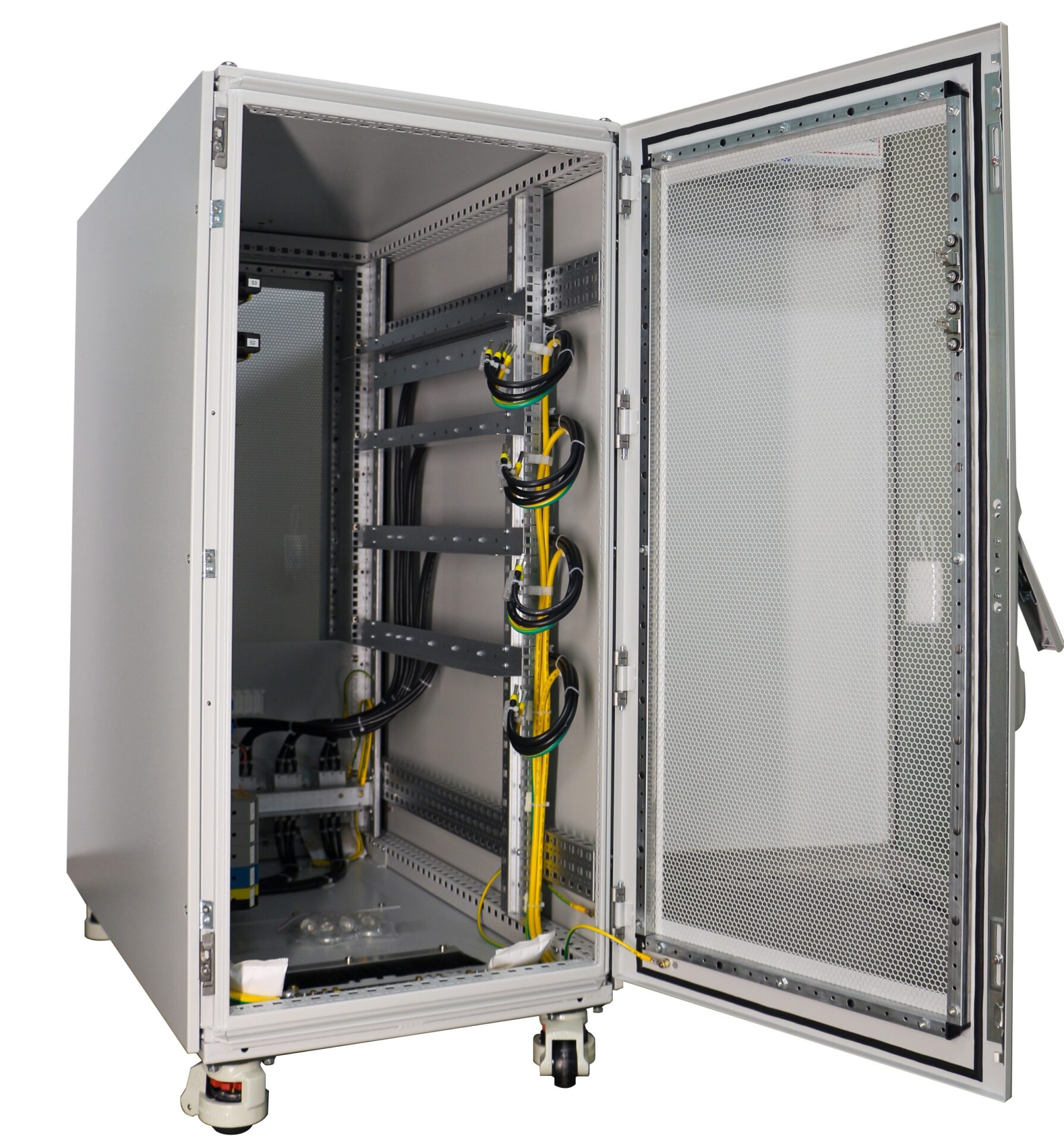
Rack‑mount UPS units present a dual challenge: they are heavy, and they require unimpeded airflow for cooling during both normal operation and battery discharge. A standard server rack with a light‑duty base may deflect under a 60 kg 4U UPS, causing misalignment of adjacent equipment. The TPS cabinet addresses this with a reinforced bottom section and heavy‑duty casters rated for a static load of 1 200 kg.
By placing the UPS at the bottom of the rack, the center of gravity remains low. This configuration also positions the UPS close to the facility power input and the main PDU, minimizing power cable lengths. The removable bottom panel allows bottom‑entry power cabling. Which can routed directly into the UPS input terminals without crossing data cables. The cabinet’s 150° door hinges and fixed side doors provide full access to the UPS front panel and battery compartment for maintenance without removing adjacent equipment.
UPS integration also demands consideration of thermal management. The cabinet’s perforated front and rear doors support front‑to‑rear airflow. And the generous internal depth ensures that UPS exhaust air does not recirculate into server intakes. When specifying a power integrated cabinet. It always verify the UPS airflow direction (front‑to‑rear or front‑to‑side) and align it with the rack’s cooling strategy.
IEC 60297 and EIA‑310‑D compliance
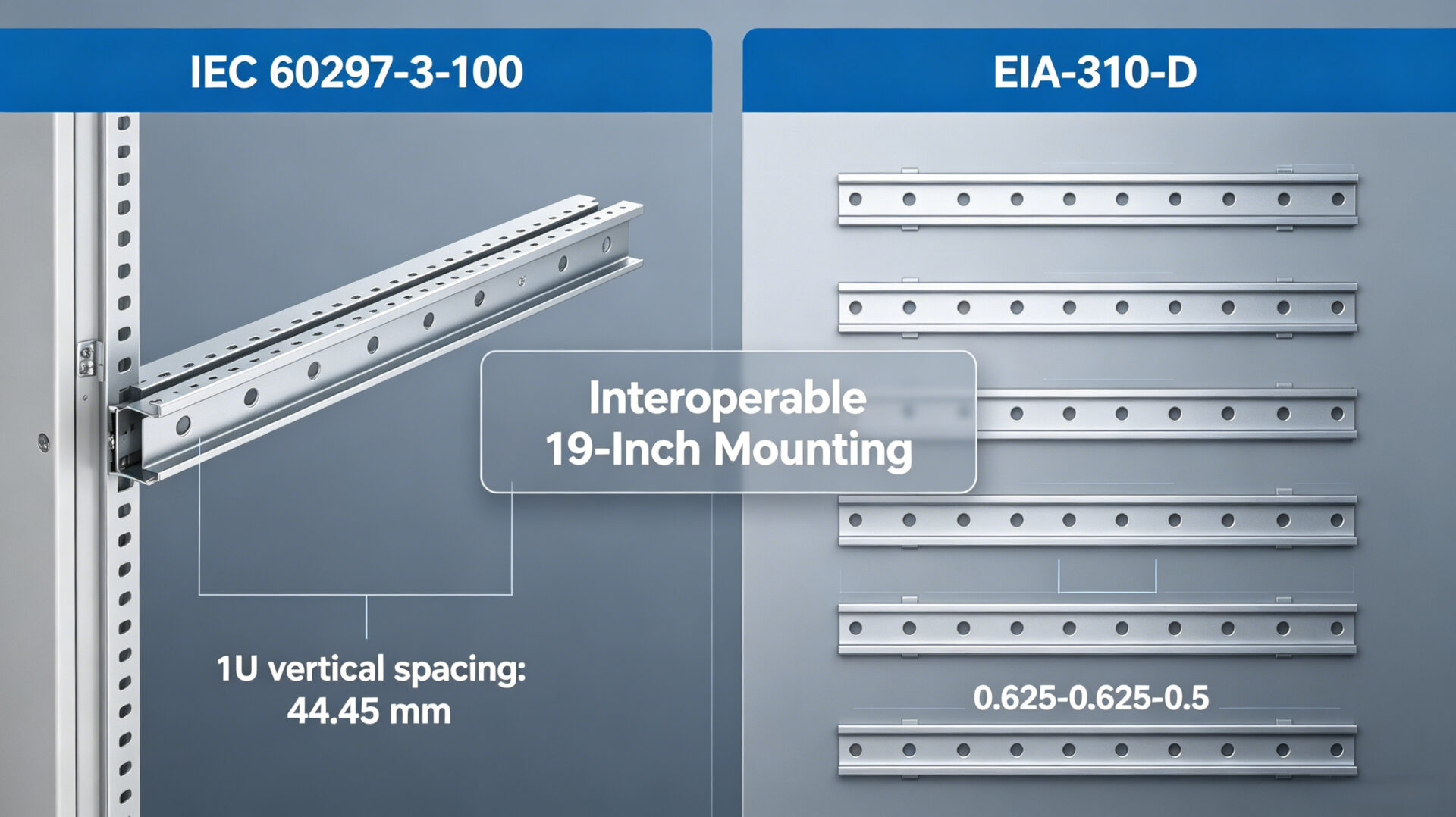
Dimensional compliance is the invisible infrastructure of a data center. If a cabinet does not meet the 19‑inch mounting standards defined by IEC 60297‑3‑100 and EIA‑310‑D, then PDUs, UPS rails, and server slide kits from different manufacturers will not fit without modification. The TPS 42U cabinet manufactured to these exact standards.
IEC 60297‑3‑100 specifies the basic dimensions of the 482.6 mm (19‑in) series: the 1U vertical spacing of 44.45 mm, the horizontal hole‑to‑hole distance of 465 mm, and the depth‑aligned mounting‑flange geometry. EIA‑310‑D defines the same vertical unit (1U = 1.75″ = 44.45 mm) and the alternating hole pattern of 0.625″‑0.625″‑0.5″. Both standards are referenced in broader safety guidelines such as IEC 62368‑1 for AV/ICT equipment. TPS provides a declaration of conformity for every cabinet, supporting the integrator’s own compliance documentation.
Load capacity and frame integrity
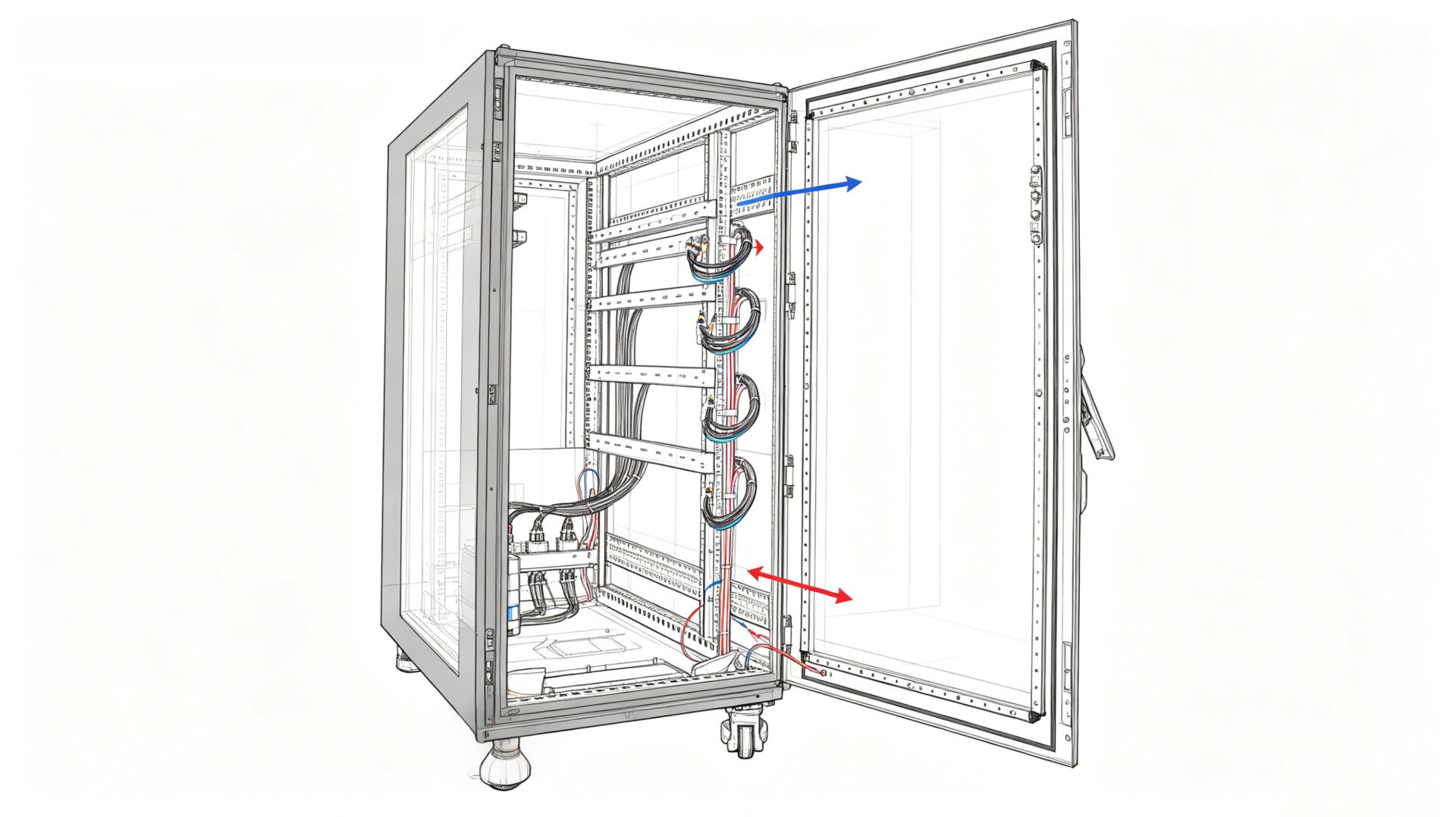
A data center cabinet that houses a UPS must rated for significantly more than the static weight of the equipment it holds. The TPS 42U cabinet rated for a static load of 1 200 kg and a dynamic load of 1 000 kg. These values represent the uniform load that the frame, casters, and mounting rails can support without permanent deformation.
The structural integrity begins with the welded steel frame and the reinforced top and bottom panels. The load path runs from the 19‑inch mounting rails through these panels into four heavy‑duty casters. Each caster is height‑adjustable, allowing the cabinet to leveled on uneven data center floors. The TS007 lock‑rod fasteners on the doors contribute to the overall rigidity. Which preventing door sag that could interfere with equipment access. For procurement teams, a tested load rating provides objective evidence that the cabinet will not fail under the weight of a fully populated UPS and server configuration. A risk that is often overlooked when purchasing uncertified racks.
Application guidance for data centers
The TPS power integrated cabinet serves multiple roles within a data center or colocation facility:
- Dedicated power distribution rack: A 42U cabinet populated exclusively with PDUs, UPS bypass switches, and intelligent power monitoring equipment. This rack consolidates all power management functions into a single, physically secured enclosure.
- Integrated server‑plus‑power rack: A rack that houses servers in the upper portion and a UPS plus PDUs in the lower portion. Which creating a self‑contained power island. This configuration is common in edge data centers and remote sites where separate power racks are impractical.
- Industrial control power cabinet: In factory environments, the same cabinet can house a PLC, I/O modules, a UPS, and DC power supplies for field devices, all within the same EIA‑310‑D compliant frame. The removable panels and configurable mounting brackets simplify field wiring and maintenance.
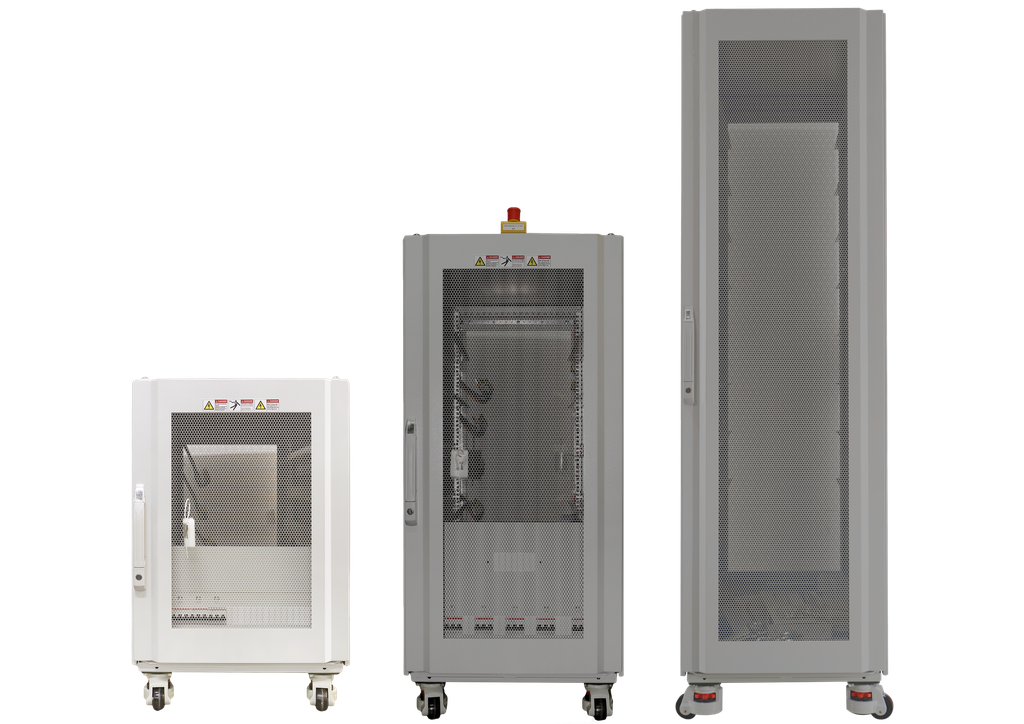
For more information on the full range of 19‑inch enclosures, visit the TPS 19‑inch cabinets and chassis page.
RFQ checklist
To streamline quotation and evaluation for a power integrated data center cabinet:
- Cabinet height: Specify 42U, or consider 15U / 24U for smaller deployments. Link to the 42U cabinet product page.
- PDU configuration: Number of vertical PDUs, phase (single or three‑phase), outlet types (C13/C19), intelligent vs. basic.
- UPS specification: UPS model, dimensions, weight, and airflow direction.
- Power entry: Top or bottom cable entry, preferred feed location, and required cutouts.
- Accessories: Casters, leveling feet, cable managers, additional shelves.
- Documentation: IEC 60297 compliance certificate, load rating certificate, CE declaration.
Frequently Asked Questions
What is the difference between a standard server rack and a power integrated data center cabinet?
A power integrated cabinet provides dedicated 0U mounting channels for vertical PDUs, reinforced bottom rails for UPS weight, and enhanced cable management. A standard rack may lack these features, requiring aftermarket brackets and compromising airflow.
Can the TPS 42U cabinet support a 4U rack‑mount UPS?
Yes. The cabinet has a 1 200 kg static load rating and a 1070 mm depth, accommodating most 4U UPS models. The reinforced bottom section and heavy‑duty casters ensure stability under battery weight.
Does the cabinet include PDUs and UPS, or are they sold separately?
The cabinet is the enclosure. PDUs, UPS units, and cable managers are specified and installed according to the project requirements. TPS can supply compatible power equipment; contact us during the RFQ process.
Is the TPS cabinet compliant with IEC 60297 and EIA‑310‑D?
Yes. The 19‑inch mounting rails, 465 mm horizontal hole spacing, and 44.45 mm vertical unit spacing meet both standards. A compliance certificate is provided with each cabinet.
Where can I see the full product range?
Visit the 19‑inch cabinets category for 15U, 24U, and 42U models, or the product line overview.