

System integrators, panel builders, and procurement teams often struggle with bridging engineering innovation and physical manufacturing. A promising concept remains stuck on a whiteboard if the design cannot be efficiently sourced, assembled, tested, and delivered to market. This gap delays revenue and exposes projects to last-mile quality surprises that erode margins.
TPS ELEKTRONIK’s comprehensive electronic design services close this gap. They merge creative hardware design with rigorous production engineering under one roof. By managing the entire lifecycle—from concept to serial manufacture—we accelerate product launches while reducing the risk of costly design revisions found only at the compliance stage.
1. Integrated Design and Development
Effective development starts long before the schematic table. A holistic industrial electronic design service must anticipate regulatory compliance, thermal management, and long-term component availability from day one. It requires an engineering team that understands both hardware design and manufacturing constraints simultaneously.
TPS Elektronik’s approach therefore begins with a collaborative DFM review. Hardware engineers work directly with production teams who will eventually assemble the boards. We evaluate component placement, thermal profiles, and mechanical integration points early in the cycle. This iterative feedback loop ensures that a functioning prototype can repeatably scale to a high-yield manufacturing line without late-stage redesigns.
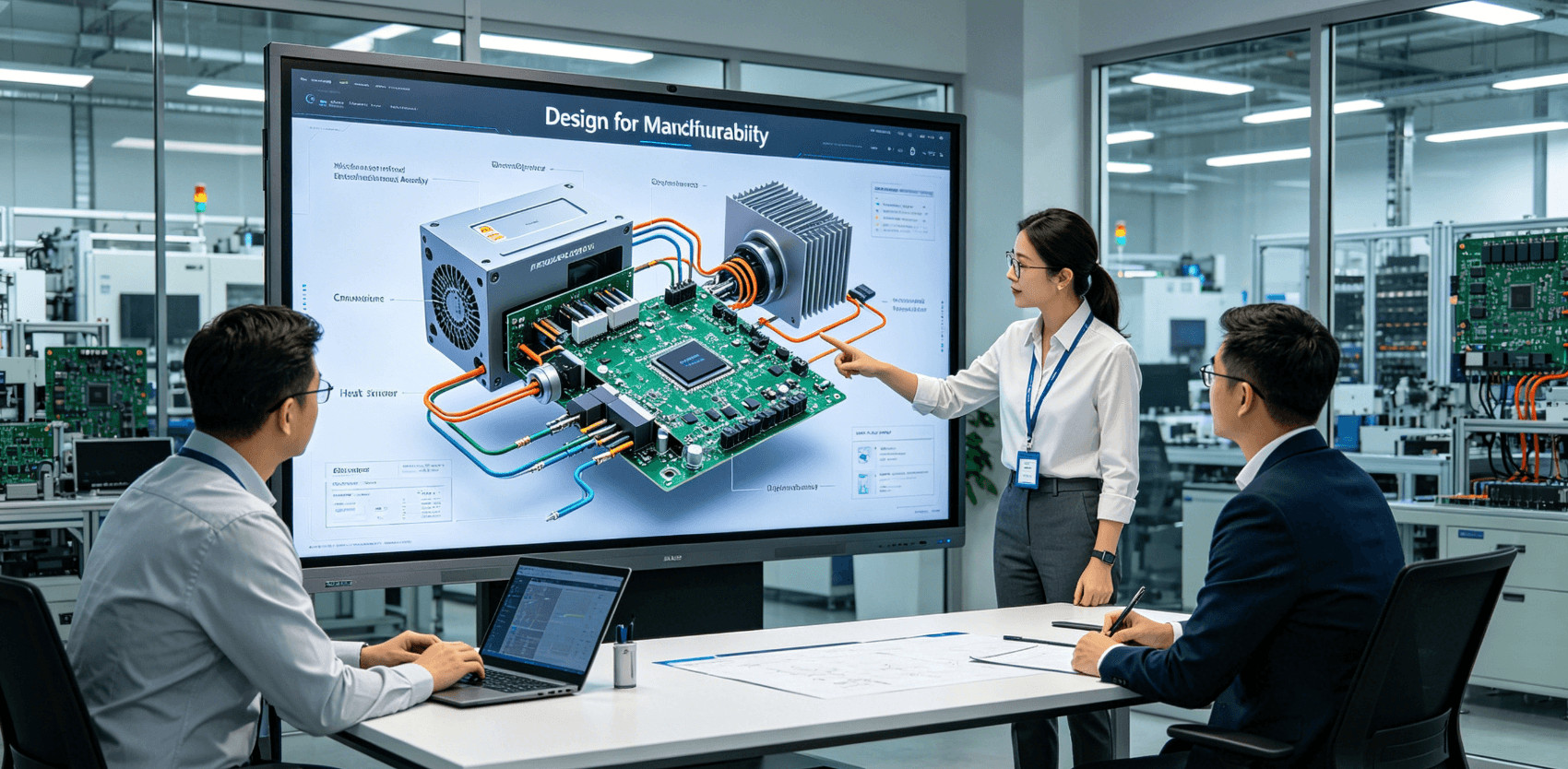
Beyond layout, our embedded firmware engineering is developed in parallel. Code is not written in isolation. It is tested against the physical hardware early, so communication conflicts between the board and its firmware are resolved well before the pilot build. This tight integration between mechanical, electronic, and software design is a foundational part of our complete solutions framework.
2. New Product Introduction (NPI) and Logistics
Moving from prototype to production introduces more complexity than the initial design itself. Procurement faces fragmented supplier chains, long lead times for specialized magnetics, and the risk of receiving uncertified batches. A proper turnkey embedded system design service handles these logistics internally.
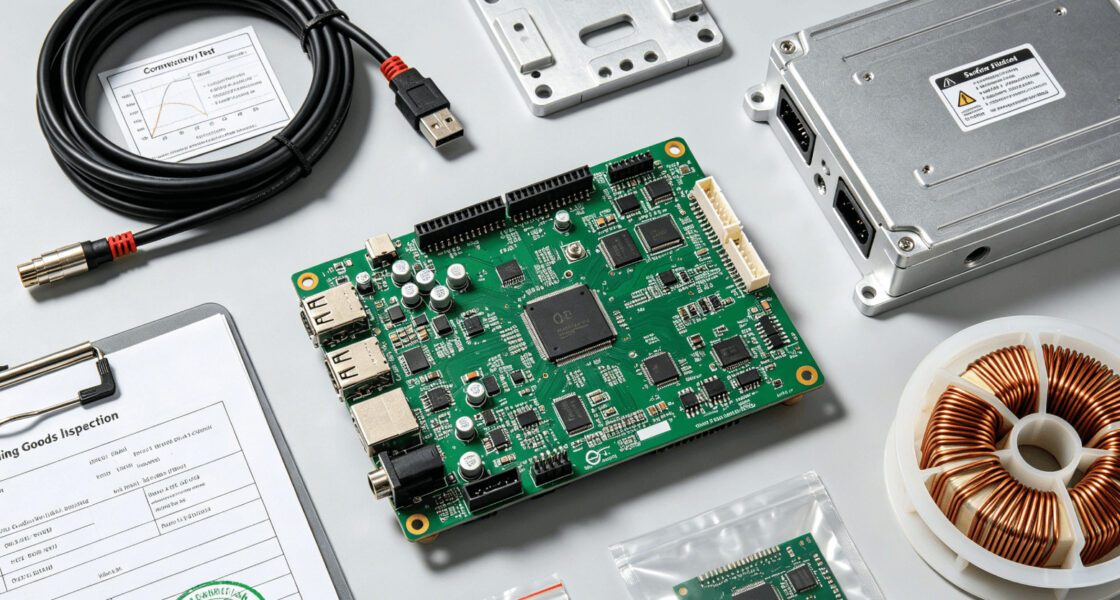
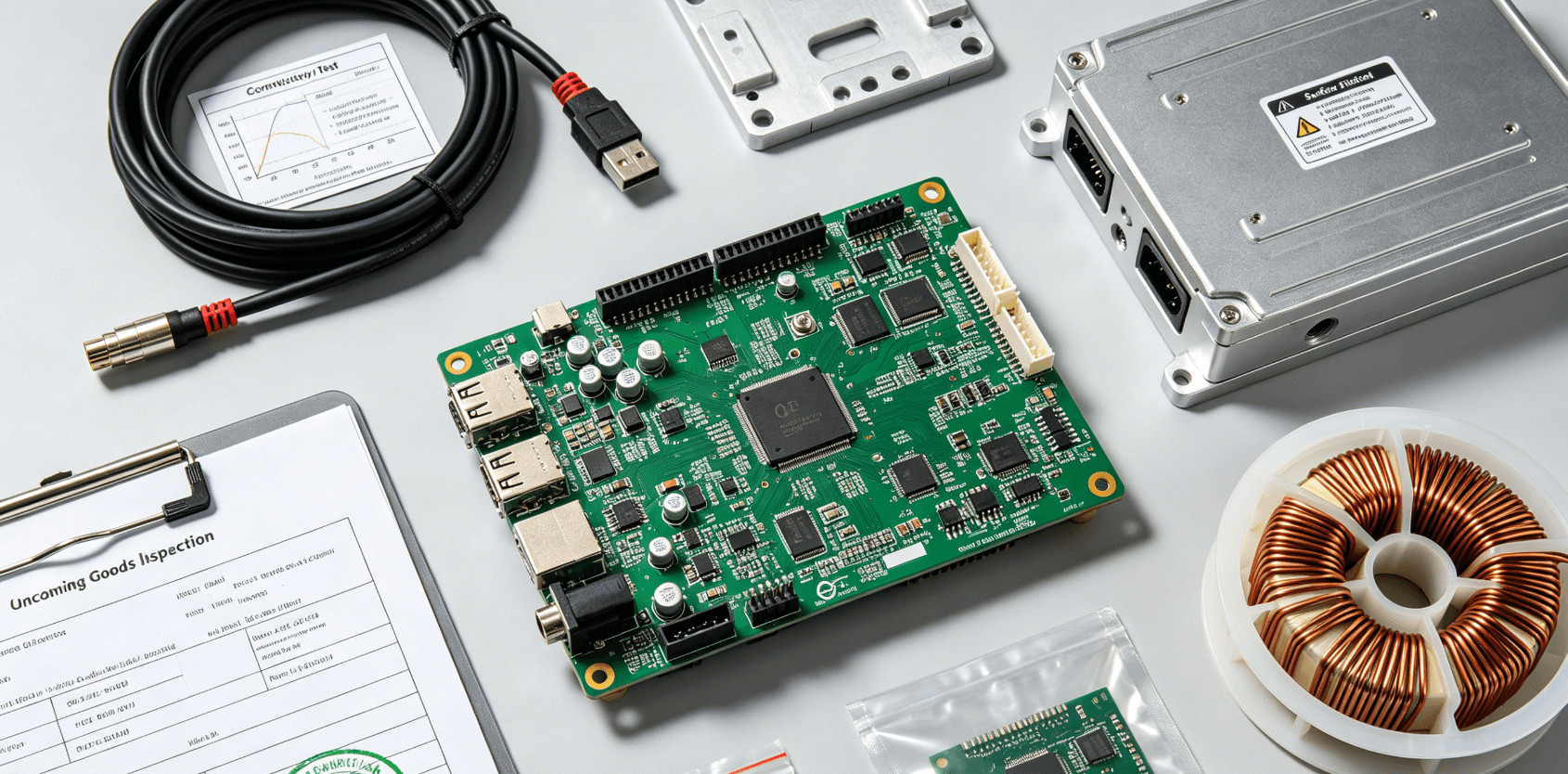
Unlike brokers or simple PCB assemblers, TPS provides a managed supply chain solution and comprehensive electronic design services. We accept a full bill of materials (BOM) and leverage our network to secure authentic components at scale. Our incoming goods inspection process verifies component quality before a single capacitor is soldered. Any non-conformance is quarantined long before it can cause a field failure. We detail this approach in our article on improving production efficiency through incoming inspection.
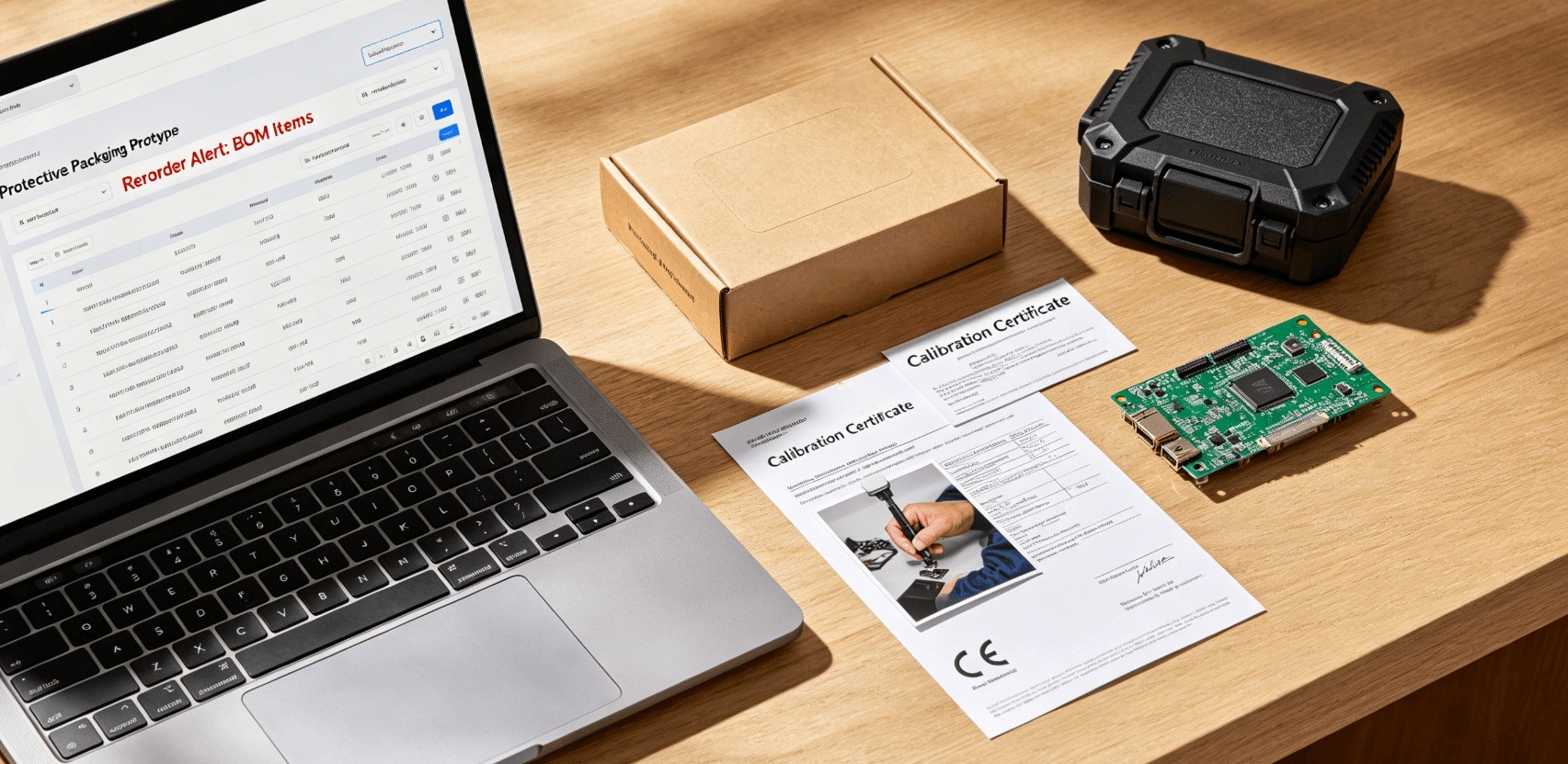
This logistics discipline extends to packaging and fulfillment. Designing the right protective packaging prevents ESD damage during transit. As explored in our guide on inventory management and packaging services, these auxiliary services keep your certified product intact from our factory to your end customer. Our case study on procurement solutions demonstrates how integrated NPI services cut weeks from a launch schedule.
3. Quality, Compliance, and Post-Production
An electronic device development service must also address post-launch stability. Without clean documentation and rigorous traceability, even a flawless design can fail a future factory audit. Our services therefore extend well beyond the assembly line.
Every system receives detailed documentation covering schematics, layouts, test reports, and safety compliance evidence aligned with IEC 62368-1. This hazard-based safety standard is essential for global market access, and our engineering ensures that designs inherently meet these requirements. For customers navigating complex regulatory landscapes, our compliance services provide a clear pathway to CE and other certifications. TPS builds and maintains a complete manufacturing record, ensuring full traceability for every component placed on a board—a critical requirement for medical device or automotive electronics submissions.
Furthermore, we offer component storage and buffer stock management. Our case study on inventory management for electronics illustrates how strategic stockholding removes supply volatility risk. The goal is true end-to-end partnership: you own the product IP, and TPS provides a stable, documented, and scalable path from concept to the end-user. This life-cycle support, also detailed in our incoming goods inspection report guide, completes the turnkey journey.
4. FAQ
What is included in TPS “concept to manufacture” electronic design service?
We cover system architecture, schematic capture, PCB layout, embedded software, mechanical integration, prototyping, compliance testing, series manufacturing, and logistics. Clients hand us a specification and receive a certified, production-ready product.
How does TPS manage component obsolescence during development?
We monitor the lifecycle status of every BOM line during the design phase using proactive supply chain intelligence. Risky parts are flagged and replacements are proposed before the design freeze, avoiding costly mid-production redesigns.
Does TPS provide firmware and software development alongside PCB design?
Yes. Our embedded engineering team develops firmware against real hardware—not just simulators—so integration issues are resolved early, ensuring a reliable system at first power-up.
Can TPS help if I already have a design but want to improve its manufacturability?
Absolutely. Our DFM service analyzes existing Gerber files and BOMs to identify yield risks, supply chain weaknesses, or potential compliance issues before you commit to mass production.