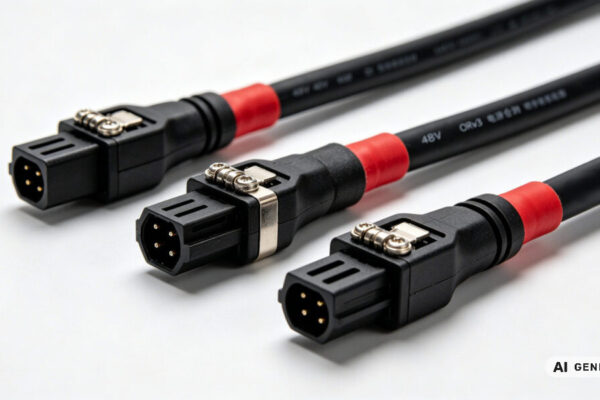



If you’re a system integrator, panel builder, or procurement lead, you don’t need “more vendors.” You need fewer handoffs, fewer surprises, and cleaner documentation—so projects ship on time and RFQs don’t stall in exceptions. TPS Elektronik’s
Additional Services
are designed to reduce friction from purchasing through warehousing, variant handling, packaging, customs clearance, and worldwide shipping.
1) What “Additional Services” Mean in Real Projects
In many engineering programs, schedule risks do not originate in the schematic or firmware. Instead, they appear in the operational interfaces between suppliers, inspection procedures, warehousing, configuration changes, and shipping logistics.
“Additional Services” aim to close these operational gaps.
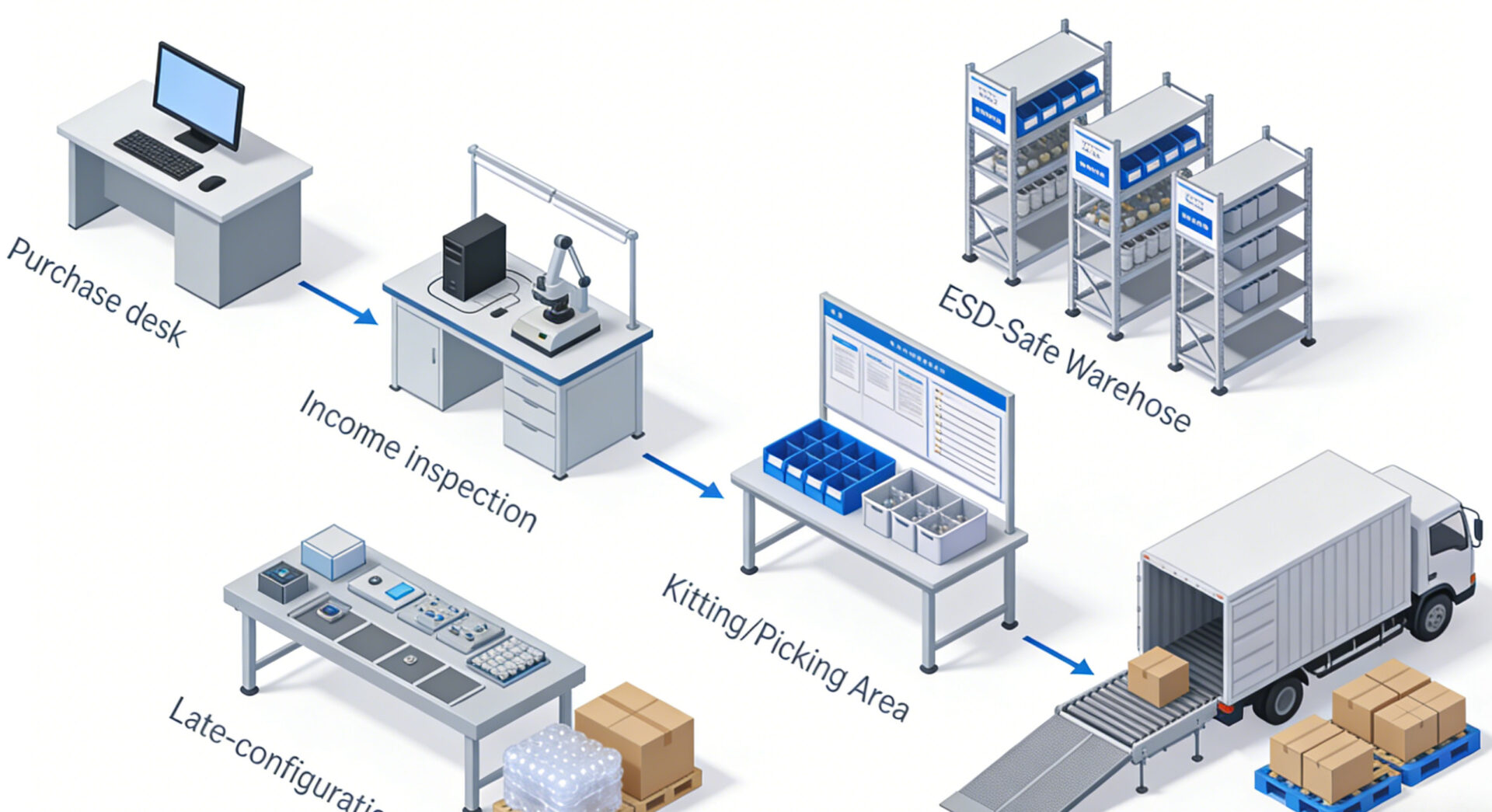
TPS Elektronik positions these services as an extension of the customer’s supply chain and fulfillment processes. Depending on project requirements, this may include:
Purchasing support and supplier coordination
Incoming goods inspection
Inventory and warehouse management
Variant handling and late configuration
Packaging and picking
Customs documentation and worldwide shipping
For system integrators and panel builders, this is particularly relevant because the deliverable is usually a configured system rather than a single product SKU.
Typical requirements include:
Staged deliveries to multiple project sites
Customer-specific documentation and labeling
Controlled configuration shortly before shipment
A structured fulfillment partner can help coordinate these operational steps and reduce the number of exceptions during procurement and delivery.
2) BoFu decision checklist for integrators & panel builders
The following checklist can help determine whether additional fulfillment services may be useful in an upcoming project.
You may benefit from additional services if your project involves:
Multiple delivery destinations (installation sites, warehouses, service hubs)
Configurable end systems with different cables, firmware, labels, or accessories
Staged rollout deliveries over several weeks or months
Incoming inspection requirements for QA documentation
Working capital constraints requiring controlled stock buffers
Cross-border shipping with customs documentation
Large numbers of product variants or frequent engineering changes
If several of these conditions apply, a structured fulfillment workflow can simplify procurement and logistics coordination.
Relevant TPS resources include:
3) From PO to Delivery: A Practical Workflow
Additional services are most effective when organized as a repeatable workflow that procurement, engineering, and logistics teams can rely on.
A typical fulfillment process may include:
Purchasing support
Incoming goods inspection
Raw material and finished goods inventory management
Variant handling and late configuration
Packaging, documentation, and shipping
3.1 Purchasing Support
Purchasing support does not simply mean ordering parts.
It typically focuses on areas where integrators frequently lose time:
Component sourcing and supplier research
Identification of alternative components
Supplier structure optimization
Cost and availability evaluation during supply shortages
This type of support can reduce interruptions to engineering teams and help maintain a stable production schedule.

3.2 Incoming Goods Inspection Reports
Many organizations search for a “incoming goods inspection report.”
In practice, the key requirement is structured documentation that allows procurement and QA teams to approve materials efficiently.
An inspection report commonly includes:
Identification
Purchase order reference
Supplier and part number
Lot or date code (when applicable)
Quantity received
Packaging and condition
Damage inspection
ESD packaging verification
Moisture-sensitive packaging checks (if relevant)
Inspection method
Sampling method
Acceptance criteria defined in the RFQ or specification
Findings
Photographs or defect classification
Measurements when required
Final disposition (accept, quarantine, return)
Traceability
Storage location
Links to picking or kitting processes
Organizations may align inspection logic with recognized sampling frameworks such as ISO 2859-1 and ESD handling practices such as IEC 61340.
3.3 Inventory Management of Raw Materials and Finished Goods
Inventory visibility is essential for reliable delivery planning.
In integrator environments, raw materials may include:
Customer-supplied components
Standard electronic parts
Packaging materials
Finished goods may include:
Fully assembled devices
Configured kits awaiting shipment
Effective inventory management typically provides:
Clear stock visibility
Defined storage conditions (ESD, climate, packaging)
Structured picking and kitting processes
Allocation rules per customer or project
These elements help reduce confusion when engineering changes occur during a project.

3.4 Finished goods inventory management for staged deliveries
Large projects often require deliveries across several shipment waves.
In such situations, finished goods inventory functions as a controlled pipeline:
Build → Hold → Release
An RFQ should clarify several operational points:
What constitutes a finished unit (device, kit, pallet)
How units are labeled and tracked
How inventory is reserved per project
What triggers shipment release
Clear rules help maintain traceability even when project schedules change.
Finished goods inventory management (and managing finished goods inventory across shipment waves) is where integrators typically bleed time:
customer requests change, site readiness shifts, and partial deliveries become the norm. A strong partner helps you treat finished goods like a controlled pipeline:
build, hold, release—without losing traceability.
3.5 Variant Management and Late Configuration
Many integrator projects involve a stable base system with variable final configurations.
Variant management services support this scenario by allowing:
Standard base units to remain in stock
Region- or customer-specific items to be added later
Typical late-stage configuration elements include:
Labels and documentation
Cable harness variants
Accessory kits
Firmware presets
This approach can help reduce SKU complexity while maintaining flexibility for customer-specific requirements.
3.6 International Shipping for Electronics
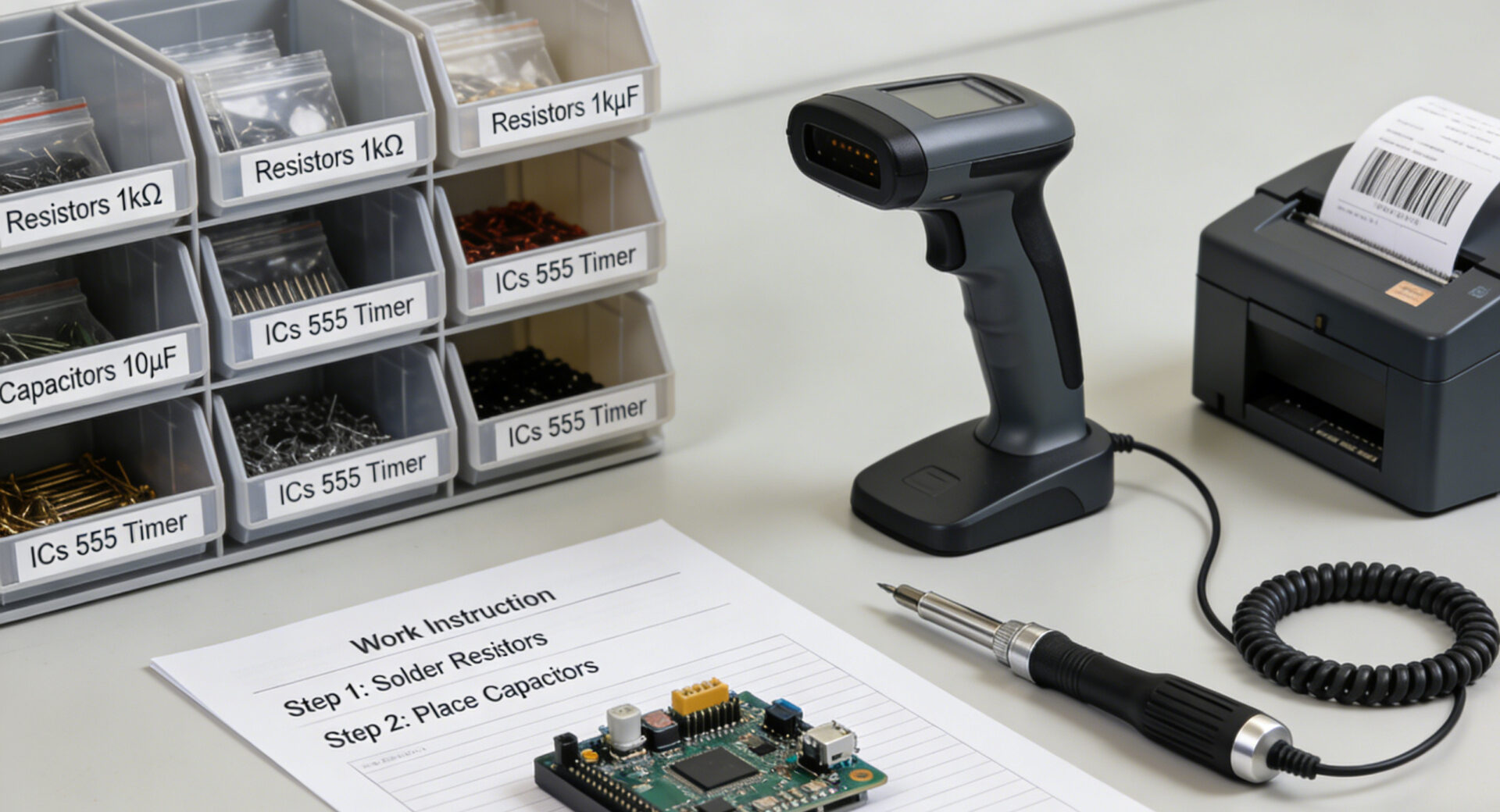
International shipping involves more than simply generating a shipping label.
Typical considerations include:
Export and customs documentation
Packaging requirements
Incoterms alignment
Shipment traceability
TPS describes worldwide shipping services that may include documentation preparation and simplified customs handling (such as the ATLAS export procedure used in Germany).
When defining responsibilities in an RFQ, teams should clarify:
Product classification
Licensing checks (if required)
Responsibility for export/import documentation
Authoritative references include:
4) Documentation, Quality, and Traceability
Procurement and engineering teams increasingly require documentation that supports internal audits and project tracking.
Structured fulfillment services typically provide:
Standardized inspection documentation
Digital traceability between inventory, picking, and shipment records
Documented procedures for non-conformities
These elements can help reduce rework loops by identifying issues earlier in the process.
TPS references quality management frameworks such as ISO 9001 across its website.
For specific projects, RFQs should request the relevant certificate scope and reporting formats.
5) Where Additional Services Can Improve Operational Efficiency
Additional services are most valuable when they address recurring operational challenges.
Examples include:
Managing Inventory Without Excess Capital
Controlled inventory buffers or consignment stock can help maintain availability while avoiding excessive purchasing.
Stabilizing Production Through Incoming Inspection
Structured incoming inspection processes can help detect material issues earlier and document corrective actions.
Supporting Customer-Specific Variants
Late configuration and variant management help manage systems that share a common base platform but require different final configurations.
6) Engineering Corner: Why “Mnemonic Systems” Matter in Variant Control
Some search queries related to electronics or engineering education refer to mnemonic devices used to remember rules, such as the order of electron orbitals in chemistry.
While unrelated to logistics directly, the concept illustrates an operational principle.
Projects that rely on tribal knowledge—for example remembering which harness belongs to which customer—are more prone to errors.
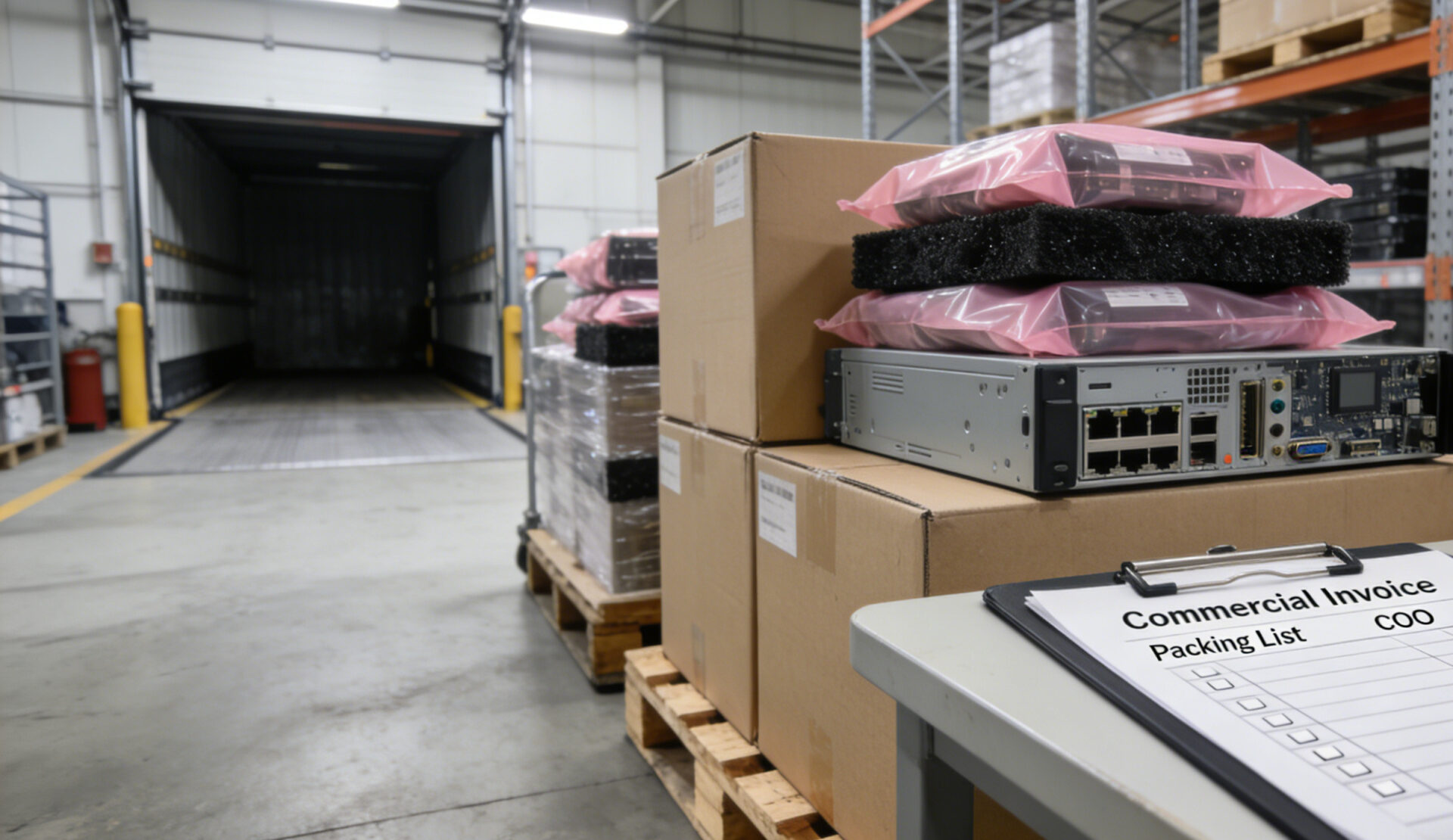
Variant management systems replace memory-based processes with:
standardized identifiers
documented work instructions
scan-based verification steps
This helps operational processes scale more reliably.
7) What to Include in an RFQ
A well-structured RFQ allows fulfillment partners to provide accurate quotations and realistic implementation plans.
Recommended RFQ information includes:
Service scope
Purchasing support
Warehousing
Incoming inspection
Packaging and shipping
Variant management
Volumes
Expected monthly demand
Delivery waves
Seasonality
Inventory rules
Minimum/maximum levels
Reservation logic
Allocation approval process
Inspection requirements
Required inspection reports
Data fields and documentation format
Non-conformity handling procedures
Variants
Attribute list (labels, harnesses, firmware, accessories)
BOM differences
Late configuration points
Shipping information
Origin and destination countries
Incoterms
Documentation requirements
FAQ
What should an incoming goods inspection report include?
A typical report links material identification (PO, supplier, lot, quantity) with the inspection method, findings, and final disposition. It should also maintain traceability to storage locations and picking or kitting processes.
How is finished goods inventory managed for staged deliveries?
Units are labeled and tracked, reserved for specific projects, and released based on shipment instructions. This structure helps prevent mix-ups during multi-phase deliveries.
Can one partner manage both raw materials and finished goods inventory?
Yes, provided warehouse processes, traceability systems, and allocation rules are defined clearly in advance.
What are variant management services?
Variant management controls how different configurations of a base product are assembled, verified, and shipped. It is particularly useful when systems differ by labels, cables, accessories, or firmware.
How can risk in international shipping be reduced?
Responsibilities for documentation, packaging, and Incoterms should be defined early, and shipment data should be verified before dispatch.