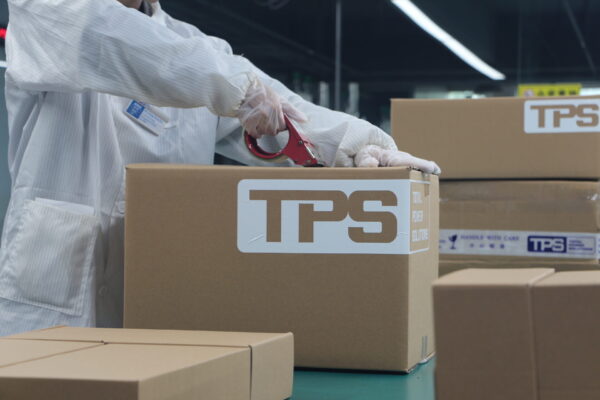



Integrators often face delays not due to manufacturing complexity, but because fulfillment processes are fragmented.
Receiving, inspection, inventory control, and variant definition are frequently handled separately, leading to coordination gaps.
This article outlines how TPS structures Additional Services as an RFQ-ready fulfillment workflow.
The approach connects incoming goods inspection reports,
inventory management (raw materials and finished goods),
finished goods inventory management,
variant management, and
international shipping for electronics into a consistent operational process.
Looking to prepare an RFQ that aligns procurement and engineering requirements?
Start your inquiry here:
TPS Additional Services
Overview: why a unified workflow matters
Additional services are most relevant when they contribute to reducing operational deviations such as urgent escalations,
incorrect variant shipments, or delays caused by late detection of nonconforming materials.
TPS structures these services as a unified operational layer. This may include receiving, inspection documentation,
picking and kitting, late configuration, packaging, and global shipping.
The goal is to support a more consistent and traceable fulfillment process.
From PO to delivery
A typical fulfillment chain for configurable electronics includes:
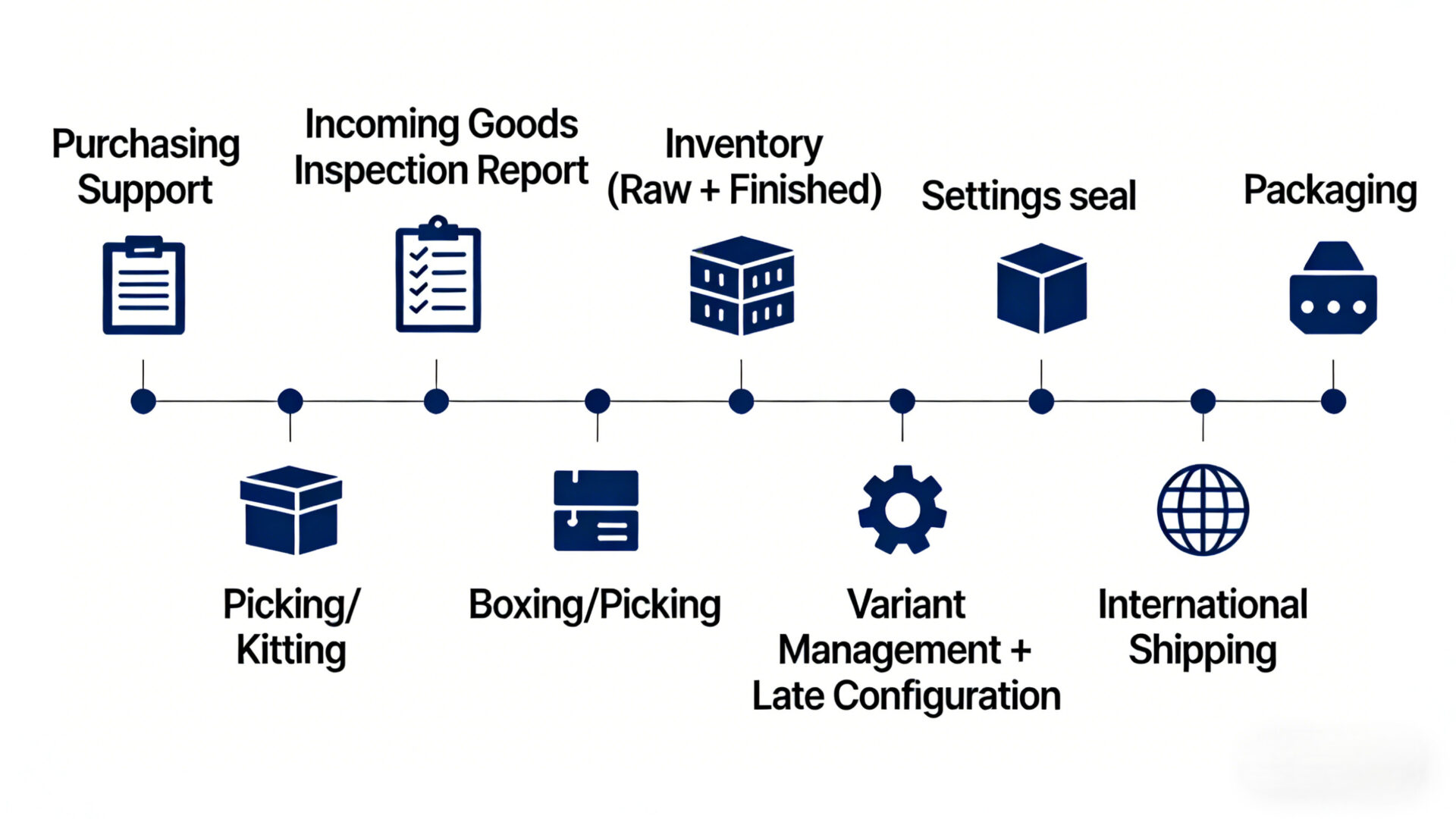
- Purchasing support
- Receiving and inspection
- Inventory control
- Picking and kitting
- Variant configuration and verification
- Packaging
- Release to shipping
When these steps are documented within one system, procurement gains traceability,
while engineering benefits from improved process consistency.
Incoming goods inspection report
An incoming goods inspection report translates quality requirements into a structured, auditable format.
Standardization improves repeatability and transparency.
Typical report elements include:
- PO, supplier, part number, and lot traceability
- Packaging condition and ESD handling notes
- Sampling method and acceptance criteria
- Documented findings (including images where relevant)
- Disposition (accept, quarantine, return, or rework)
Reference standards may include ISO 2859-1 for sampling and IEC guidance for ESD control.
Inventory management
Inventory management of raw materials and finished goods requires both visibility and control mechanisms.
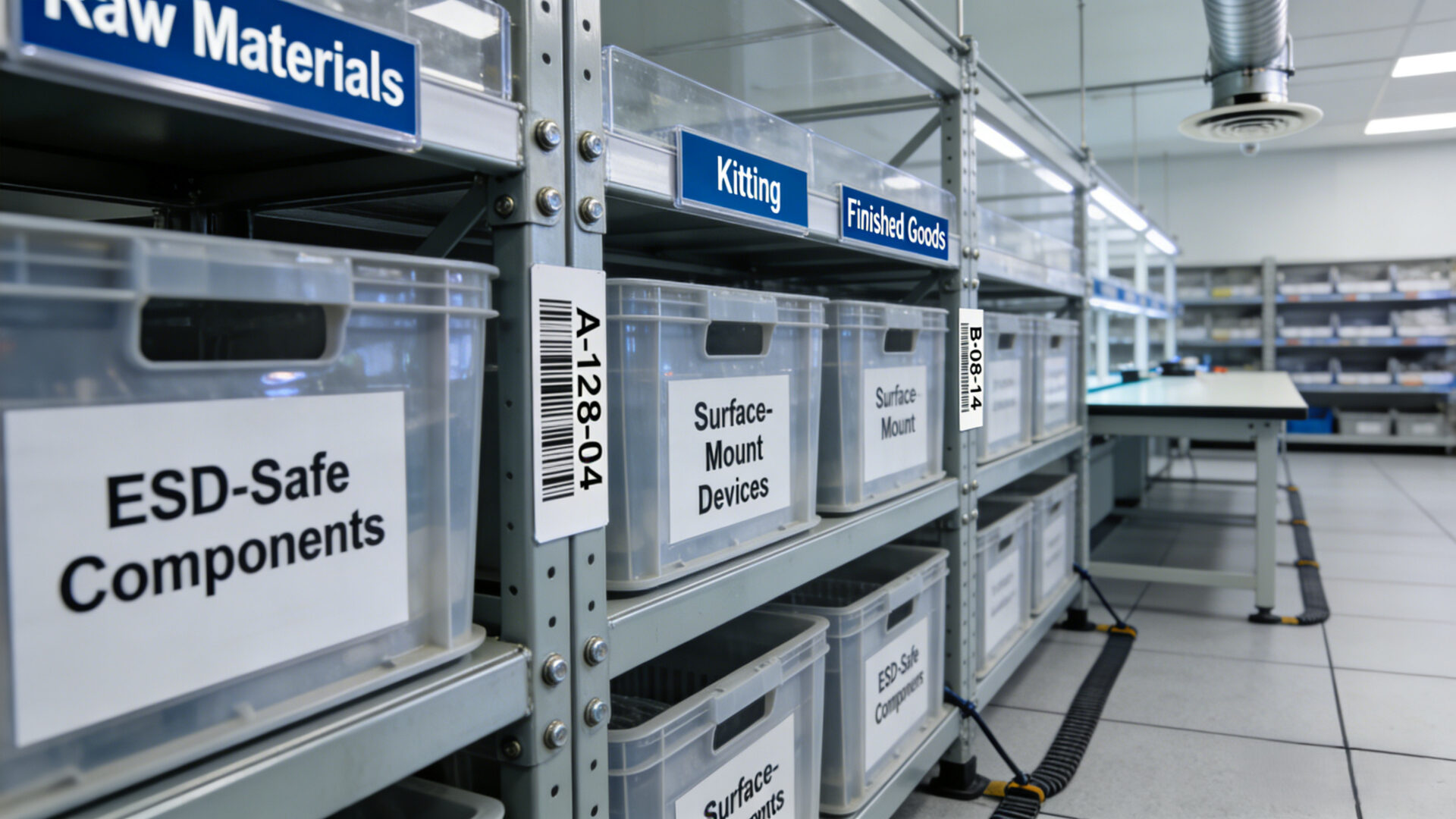
- Stock transparency (location, quantity, status)
- Allocation and reservation rules
- Documented substitution processes
- Regular reporting for procurement and engineering stakeholders
The focus is not only on stock levels, but on aligning inventory with project commitments and revision control.
Finished goods inventory control
Finished goods inventory management becomes critical in staged delivery scenarios.
A structured pipeline may include:
- Build
- Hold
- Reserve
- Release
RFQs should define unit structures (e.g. device, kit, pallet),
reservation rules, and handling of engineering changes (ECOs).
Variant management and late configuration
Variant management is relevant when product differences are introduced late in the process,
such as labeling, firmware configuration, accessories, or regional documentation.
Late configuration allows a standardized base product to be adapted close to shipment.
This approach may help reduce excess inventory and variant-related errors.
Clear identifiers, scan verification, and structured work instructions are essential to support correct variant execution.
International shipping for electronics
International shipping for electronics requires coordination between packaging, documentation, and release processes.
- Export and customs documentation
- Labeling and compliance requirements
- Packaging suited for electronic components
- Defined release procedures prior to dispatch
Proper preparation can help reduce delays during customs clearance.
RFQ package checklist
- Scope: Required services (inspection, inventory, kitting, configuration, shipping)
- Volumes: Quantities and delivery cadence
- Quality definitions: Acceptance criteria and sampling methods
- Inventory rules: Reservation logic and reporting frequency
- Variants: Attributes and configuration stage
- Shipping: Routes, Incoterms, and documentation requirements
FAQ
What should an incoming goods inspection report include?
Traceability data, inspection criteria, sampling method, findings, and a defined disposition process.
How is inventory managed effectively?
Through visibility, allocation rules, controlled substitutions, and structured reporting.
What is finished goods inventory management?
A controlled process linking production, storage, reservation, and release across delivery phases.
When is variant management required?
When product configurations differ by customer or region, especially near shipment.
What reduces risk in international shipping?
Coordinated documentation, appropriate packaging, and defined release procedures.