

For system integrators, panel builders, and engineering‑driven procurement teams, selecting a power supply for a robotic joint is not only about wattage. It also involves extreme compactness, galvanic isolation to protect sensitive encoder and logic circuits from the noisy motor drive bus. The ability to operate reliably in a sealed, high‑temperature environment. And the long‑term reliability to avoid costly downtime on a production line. When a DC‑DC converter fails inside the wrist joint of a six‑axis robot, the repair cost is not the component itself. Which is the hours of lost production.
The TPS DC DC converter series, including the HCLS1 family, is engineered precisely for these demanding embedded power applications. With a SIP4 package, 1500 VDC isolation, an operating temperature range of ‑40 °C to +105 °C. And an MTBF of 3,500,000 hours, these modules provide the safe, efficient, and space‑saving power conversion that modern industrial robot joint servo drives demand. This article examines the TPS DC‑DC converter platform and explains why it is the preferred choice for powering control electronics at the heart of robotic automation.
Why DC DC converters are critical inside robot joints
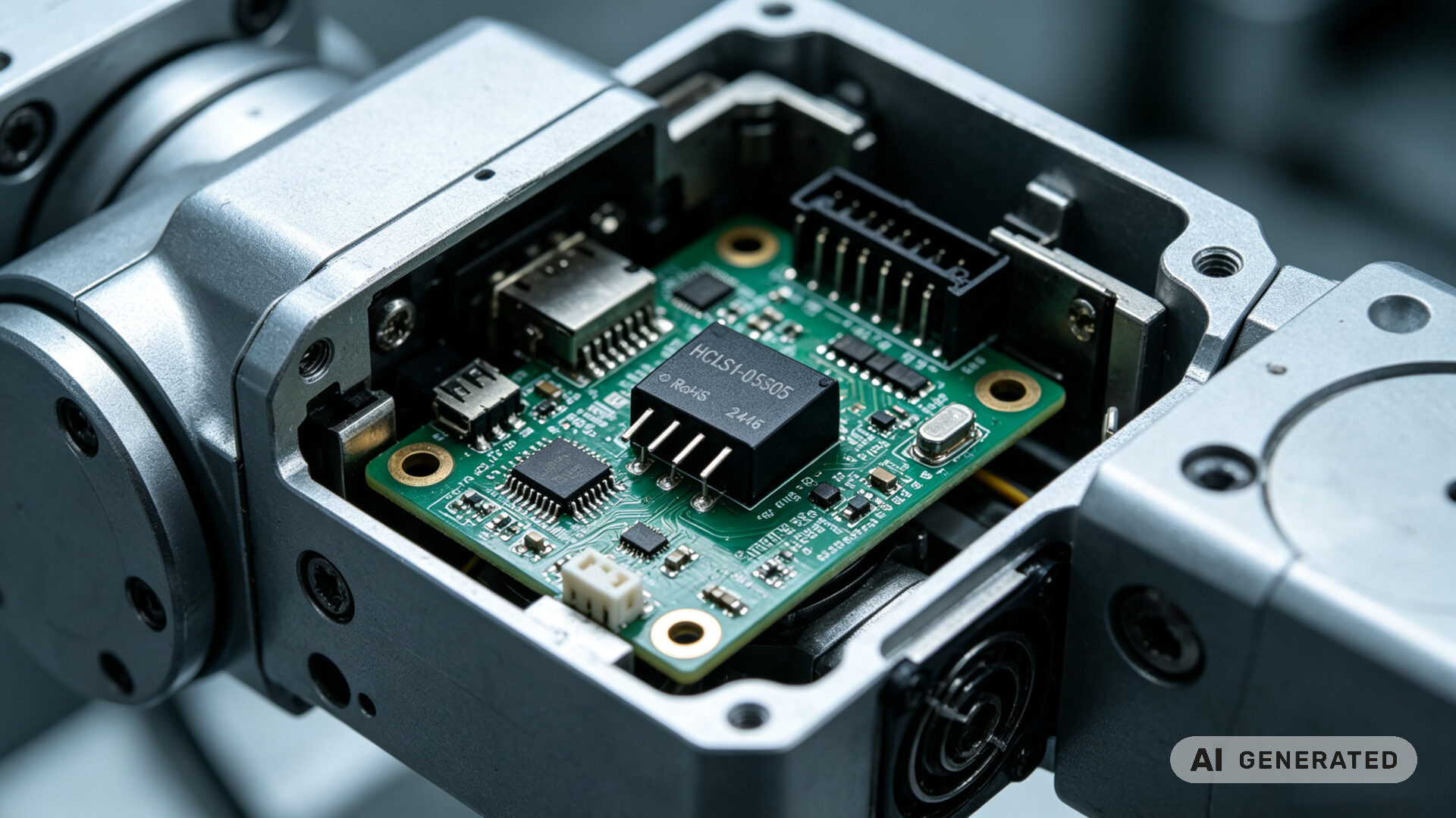
An industrial robot joint contains a densely packed assembly of a servo motor, a position encoder, a brake, and a local servo drive. The main DC bus, typically 48 V or 24 V, supplies the motor windings, but the control electronics—the microcontroller, the encoder interface, the fieldbus communication chip. Which require a clean, stable low voltage, typically 5 V or 3.3 V. A compact DC DC converter mounted directly on the servo drive PCB steps down the higher bus voltage to these logic levels with high efficiency and minimal heat dissipation. This is essential for maintaining safe operating temperatures inside a sealed, unventilated joint.
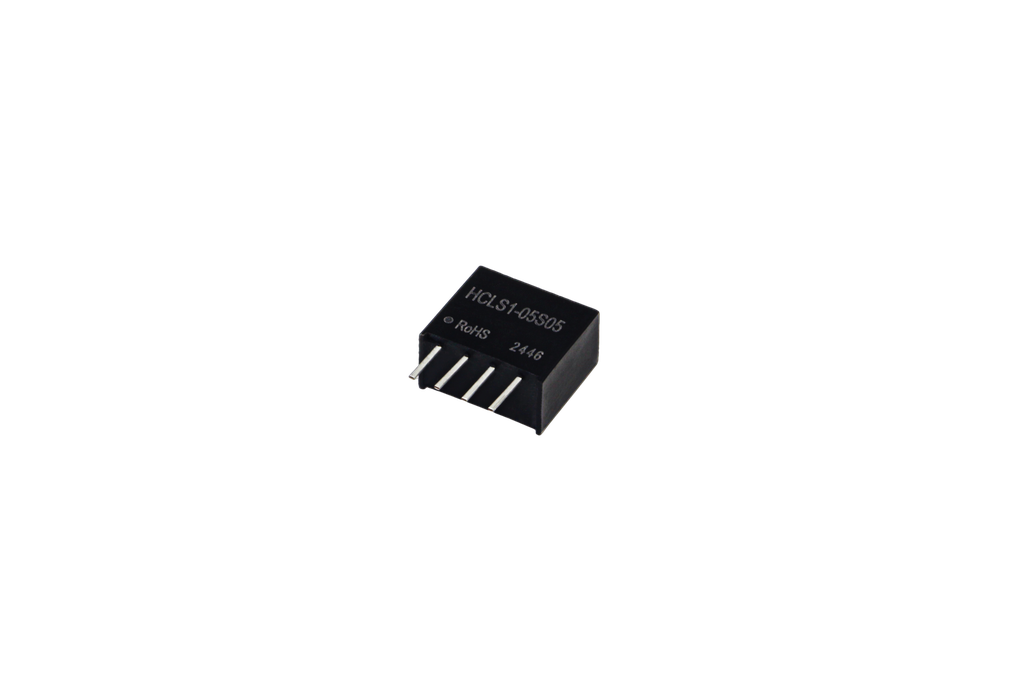
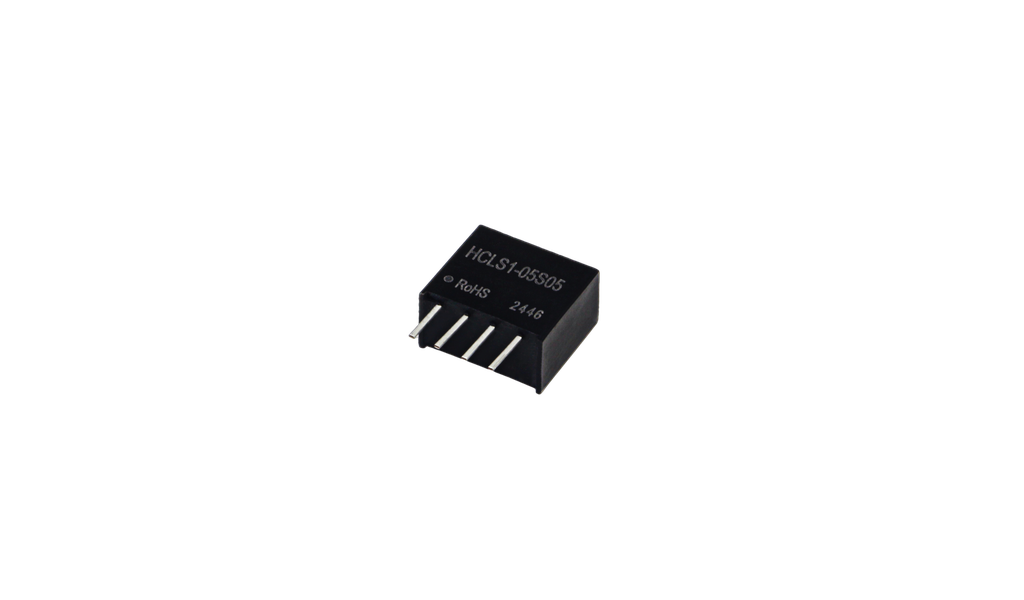
Beyond voltage conversion, the DC DC converter provides galvanic isolation between the noisy motor drive power stage and the sensitive digital control circuits. Without this isolation, switching noise from the PWM inverter can couple into the encoder signals, causing position errors. Or disrupt the fieldbus communication, leading to a complete joint shutdown. A dedicated isolated DC‑DC module, such as the TPS‑HCLS105S05, solves both the voltage conversion and the isolation requirements in a single, miniature component. For a broader look at how power components integrate into manufacturing systems, see the TPS services overview.
TPS HCLS1 DC DC converter platform: compact, isolated, and efficient
The TPS‑HCLS1 series is a family of low‑power, high‑reliability isolated DC‑DC converters housed in an industry‑standard SIP4 package. Designed for automated insertion and wave soldering, these modules are optimized for high‑volume PCB assembly. The series offers a wide range of input voltages—3.3 V, 5 V, and 12 V—and provides regulated outputs including 3.3 V, 5 V, 9 V, 12 V, 15 V, and 24 V. This flexibility allows a single module type to standardized across multiple robot models with different logic voltage requirements. The entire range is available on the TPS DC‑DC module category page.
Efficiency is a critical parameter in a sealed robot joint where there is no forced‑air cooling. The TPS‑HCLS1 series achieves a typical efficiency of 89 %, minimizing the heat dissipated into the joint and reducing the temperature rise of surrounding components. The module’s internal short‑circuit protection ensures that a fault on the logic supply does not propagate back to the main DC bus. Which protecting the servo drive’s power stage. This internal protection, combined with the module’s inherent ruggedness. Which supports the long service life required in industrial automation.
Isolation, safety, and noise immunity for servo control
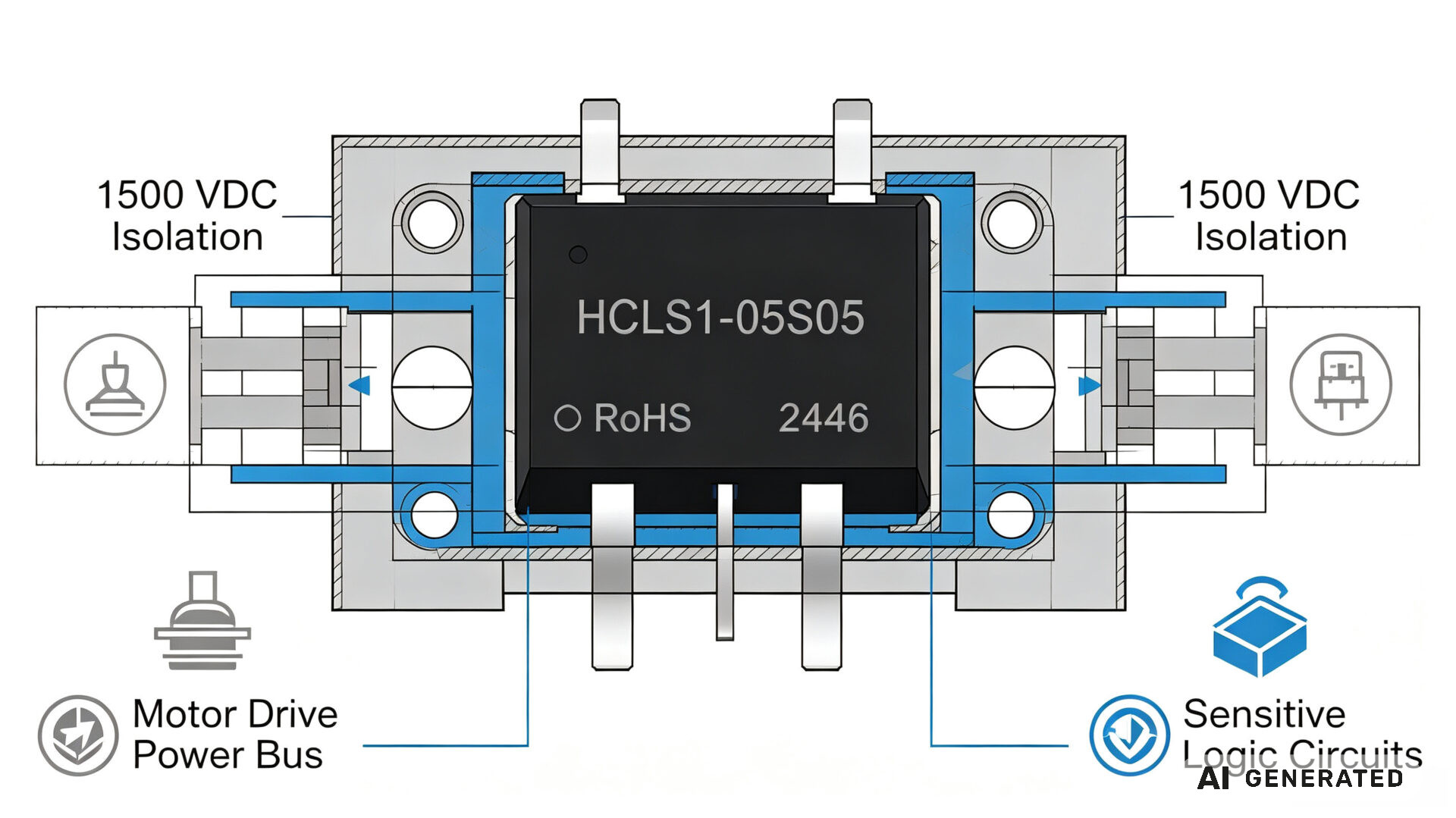
The 1500 VDC input‑to‑output isolation provided by the TPS‑HCLS1 modules is a critical safety and performance feature. In a robot joint, the motor drive bus can experience voltage transients from the PWM switching of the inverter. Without adequate isolation, these transients can cross into the logic supply, causing data corruption or permanent damage to the control ICs. The TPS module’s isolation barrier, tested at 1500 VDC, provides a robust defense against these transients. Which ensuring the integrity of the control electronics. This isolation also simplifies the grounding scheme of the servo drive, as the logic ground can float independently of the power ground. For a wider discussion on electromagnetic compatibility in integrated systems, see the TPS news and insights section.
Environmental resilience: wide temperature and high reliability
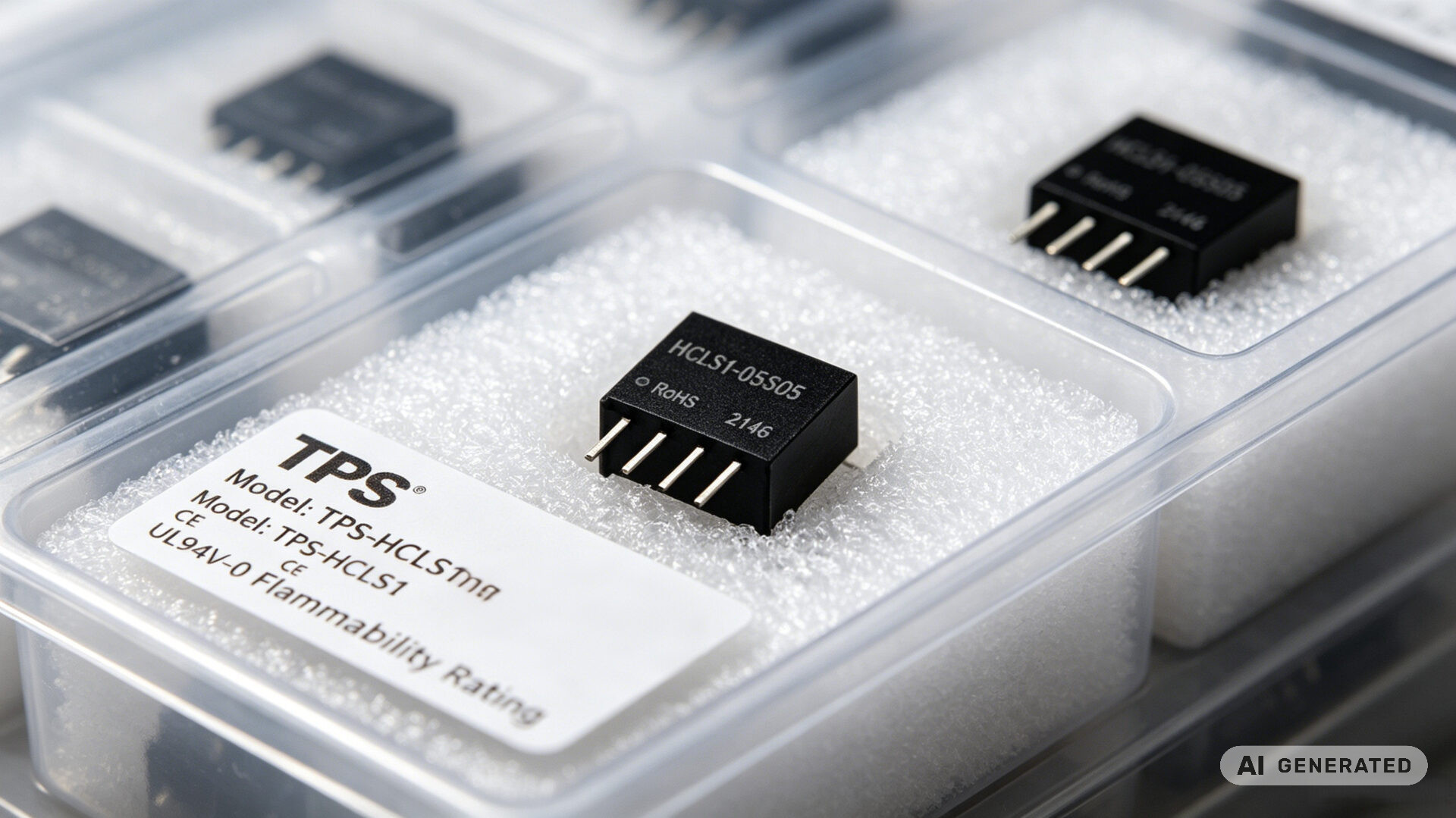
Robot joints operate in demanding environments. A welding robot experiences high ambient heat. A cleanroom robot may undergo frequent sterilization cycles. The TPS‑HCLS1 series rated for operation across an ambient temperature range of ‑40 °C to +105 °C. Which ensuring reliable startup in freezing conditions and continuous operation in high‑temperature factory environments without derating. The module’s UL94V‑0 flame‑retardant plastic case provides additional safety. Which preventing the spread of fire in the unlikely event of a catastrophic component failure.
Reliability is quantified by the module’s MTBF of 3,500,000 hours (calculated per Telcordia standards). In a factory with hundreds of robots, this translates to an expected service life measured in decades. Which minimizing the risk of unplanned downtime due to a power supply failure. This long‑term reliability is essential for mission‑critical automation cells where any stoppage incurs significant cost. The module’s robust design is further validated by its wide input voltage tolerance and built‑in protection features.
Mechanical integration: SIP4 packaging and system design
The SIP4 (Single In‑line Package, 4 pins) form factor of the TPS‑HCLS1 series is a key enabler of compact servo drive design. With a footprint of approximately 12 × 9 mm and a height of 7 mm, the module occupies minimal board space. Which allowing the servo drive PCB to be shrunk to fit within the tight confines of a robot joint. The standard pinout simplifies PCB layout and enables automated assembly. Which reducing manufacturing cost and improving throughput. The module’s international standard pin‑out also provides a second‑source option, giving procurement teams supply chain flexibility. For more insights into component integration, explore the TPS blog content section.
Compliance and safety: IEC 62368‑1 and UL94V‑0
The TPS DC‑DC converter designed as a component for integration into equipment that complies with IEC 62368‑1, the hazard‑based safety standard for audio/video, information, and communication technology equipment. This standard addresses protection against electric shock, fire, mechanical, and thermal hazards. All relevant to a sealed robotic joint. The UL94V‑0 flammability rating of the module’s casing ensures that it meets the strict fire safety requirements of industrial machinery. As mandated by standards such as IEC 60204‑1 for the electrical equipment of machines. TPS provides a Declaration of Conformity with each shipment, supporting the robot manufacturer’s own CE marking or NRTL listing process.
Application guidance: robot joints, AGVs, and factory automation
- Robot joint servo drives: Providing isolated 5 V or 3.3 V logic power from a 24 V or 48 V DC bus, with the compact size and high temperature rating essential for sealed joint enclosures.
- Automated Guided Vehicles (AGVs): Powering control and communication modules from the vehicle’s battery bus, with wide input tolerance to accommodate battery voltage fluctuations.
- Distributed factory automation I/O: Generating isolated local logic supplies from a 24 V field bus, reducing wiring complexity and improving noise immunity.
RFQ checklist for robot DC DC converters
- Input voltage: Nominal DC bus voltage and its tolerance range (e.g., 24 V ±20 %).
- Output voltage and current: Required logic voltage and maximum load current.
- Isolation voltage: Minimum required isolation (e.g., 1500 VDC).
- Temperature range: Expected ambient temperature range at the PCB location inside the joint.
- Quantity and schedule: Prototype, pilot, and series production volumes.
- Certifications: Applicable safety standards (IEC 62368‑1) and flammability ratings.
Frequently Asked Questions
What is the purpose of a DC‑DC converter inside a robot joint?
It efficiently steps down the higher DC bus voltage (e.g., 48 V) to a stable low voltage (e.g., 5 V) for the control electronics, while providing galvanic isolation to protect against noise and transients.
Why is 1500 VDC isolation important for a servo drive?
It prevents high‑voltage transients from the motor drive PWM switching from damaging the sensitive encoder and microcontroller circuits, ensuring reliable operation.
Can the TPS‑HCLS1 series operate in the high temperatures inside a sealed robot joint?
Yes, the series is rated for continuous operation from ‑40 °C to +105 °C, making it suitable for the demanding thermal environment of a sealed robot joint.
Where can I find the complete product specifications?
Visit the TPS DC‑DC module category page for datasheets and application notes.