

System integrators, panel builders, and procurement teams working on high-speed rail infrastructure face a persistent challenge: trackside signaling and interlocking equipment must operate reliably across a wide voltage range while withstanding surges that would destroy standard industrial power supplies. The railway environment is uniquely demanding. Extreme temperature variations from -40°C to +85°C, long-term shock and vibration, and exposure to uncontrolled electromagnetic interference. Off-the-shelf power supplies rarely survive these conditions.
TPS Elektronik’s custom power supply solutions for railway trackside signaling and interlocking engineered to meet the rigorous demands of EN 50125. The European standard that defines environmental conditions for railway equipment. From wide voltage range input stages to surge immune output protection, our mechatronic power modules deliver the reliability that high-speed rail signaling demands.
1. Why EN 50125 Compliance Matters for Trackside Signaling Power Supplies
EN 50125 is the European standard that defines environmental conditions for railway equipment. It covers a comprehensive range of parameters that directly impact power supply design: altitude, temperature, humidity, air movement, rain, snow, hail, ice, lightning. Electromagnetic compatibility, solar radiation, pollution, vibrations, shocks, and environmental conditions in tunnels. The standard applies to fixed electrical installations for traction power supply, signaling and telecommunications systems. And equipment essential to operate a railway.
For power supply designers, EN 50125 is not optional. It is the baseline for any product destined for European railway infrastructure. The standard defines the environmental design envelopes that inform component selection, thermal management, corrosion protection, EMC mitigation, and mechanical design. A power supply that fails to meet these requirements will not survive the railway environment. And the consequences of failure—signal loss, interlocking faults. Or point machine malfunction—are unacceptable in safety-critical systems.
EN 50125-2 specifically addresses fixed electrical installations used in railway applications. Its purpose is to provide a unified framework for manufacturers, system integrators, and railway operators to ensure that critical stationary equipment operates with high reliability, safety, and a long service life. Adherence to EN 50125-2 is essential for guaranteeing the integrity of systems vital to train operations. Such as signaling, power supply, and telecommunications. The standard dictates minimum requirements for equipment to withstand the often harsh and demanding environments found alongside railway lines, in substations, and within control centers.
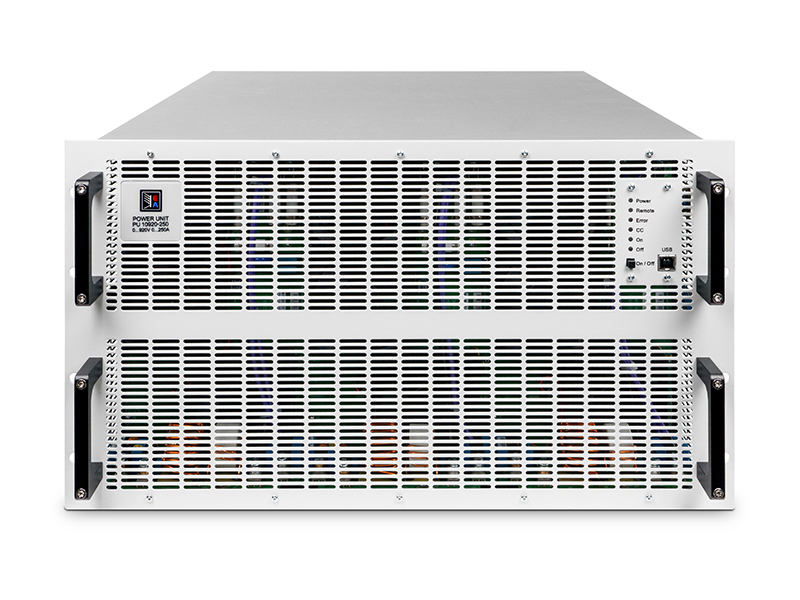
Image Generation Prompt: “Railway trackside signaling equipment cabinet with custom power supply modules mounted on DIN rail, ruggedized enclosure with surge protection devices, professional railway infrastructure environment, photorealistic, wide shot, industrial setting” — Alt: Railway trackside signaling cabinet with custom power supply modules
2. Wide Voltage Range Design: The Foundation of Railway Power Supply Reliability
One of the most critical requirements for trackside signaling power supplies is the ability to operate across a wide input voltage range. Railway power sources are notoriously unstable. Nominal voltages of 24V, 36V, 48V, 72V, and 110V DC are common, but actual input voltages can fluctuate dramatically due to traction system demands, distance from substations, and network conditions. A power supply designed for a narrow input range will fail when the voltage dips or spikes. And in trackside signaling, failure is not an option.
TPS Elektronik addresses this challenge through custom power supply designs that incorporate wide-voltage-range input stages. Our engineering team leverages pre-engineered, pre-tested topologies to deliver customizable power supply solutions that match exact specifications while drastically reducing development time and certification risks. By utilizing a library of proven power platforms, we can create a modified standard power supply that behaves exactly like a custom unit but is delivered in a fraction of the time.
The wide voltage range capability is particularly important for interlocking systems. Which control point machines, signals, and level crossing barriers. These systems require stable power regardless of input fluctuations. A custom power supply with a wide input range ensures that the interlocking logic remains powered and functional even when the trackside supply voltage varies beyond normal limits. This is not just a performance feature. It is a safety requirement.
For system integrators and panel builders, a wide-voltage-range custom power supply simplifies system design. Instead of specifying different power supplies for different track sections or network conditions, a single custom design can cover the entire range. This reduces inventory complexity, simplifies maintenance, and improves overall system reliability.
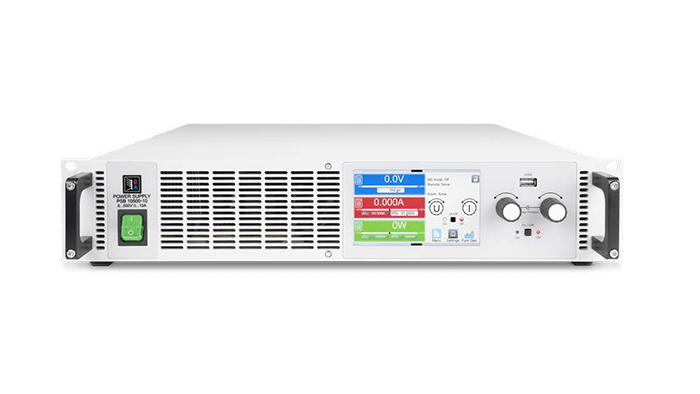
Image Generation Prompt: “Wide voltage range railway power supply module with input range selector and thermal management features, shown with technical callouts for voltage range and operating temperature, engineering documentation visible, photorealistic, technical product shot” — Alt: Wide voltage range railway power supply module with technical specifications
For a deeper look at TPS’s custom power supply design capabilities, see our custom power supply engineering guide and buck-boost converter design resources.
3. Surge Immunity: Protecting Signaling and Interlocking from Railway Transients
Surge immunity is perhaps the most critical—and most overlooked—requirement for trackside signaling power supplies. The railway environment is rich with transient events: lightning strikes, switching operations in traction power systems, fault clearing. And inductive load switching all generate voltage surges that can destroy unprotected power supplies.
3.1 Sources of Surges in Railway Environments
Lightning is the most obvious source of surges, but it is far from the only one. Traction power systems generate significant transients when locomotives accelerate or brake. When pantographs make or break contact with overhead lines, and when circuit breakers operate. Inductive loads—such as point machines and level crossing barriers—generate back-EMF surges when de-energized. These transients can reach hundreds of volts and last for milliseconds, easily exceeding the input ratings of standard industrial power supplies.
EN 50125 addresses these environmental influences, including lightning and electromagnetic compatibility. While the standard defines environmental conditions rather than specific test requirements, it establishes the framework within which power supplies must operate. Compliance with EN 50125 means designing for the full range of environmental stresses—including surges—that equipment will encounter in service.
3.2 Surge Protection Strategies for Trackside PSUs
TPS Elektronik incorporates multiple layers of surge protection in custom power supply designs for railway applications. Our approach includes:
- Input surge suppression: Metal oxide varistors (MOVs) and transient voltage suppression (TVS) diodes at the input stage clamp surge voltages to safe levels.
- Galvanic isolation: Reinforced isolation between input and output stages prevents surges from propagating to sensitive signaling and interlocking circuits.
- Robust component selection: Components rated for high surge currents and wide temperature ranges ensure long-term reliability.
- PCB layout optimization: Careful layout minimizes parasitic inductance and capacitance that can amplify surge effects.
For railway signaling applications, surge immunity is not just about protecting the power supply itself. It is about protecting the entire signaling system. A surge that damages a power supply can take down an entire interlocking, point machine, or level crossing, with potentially catastrophic consequences. TPS custom power supplies designed to survive the surge and keep the signaling system operational.
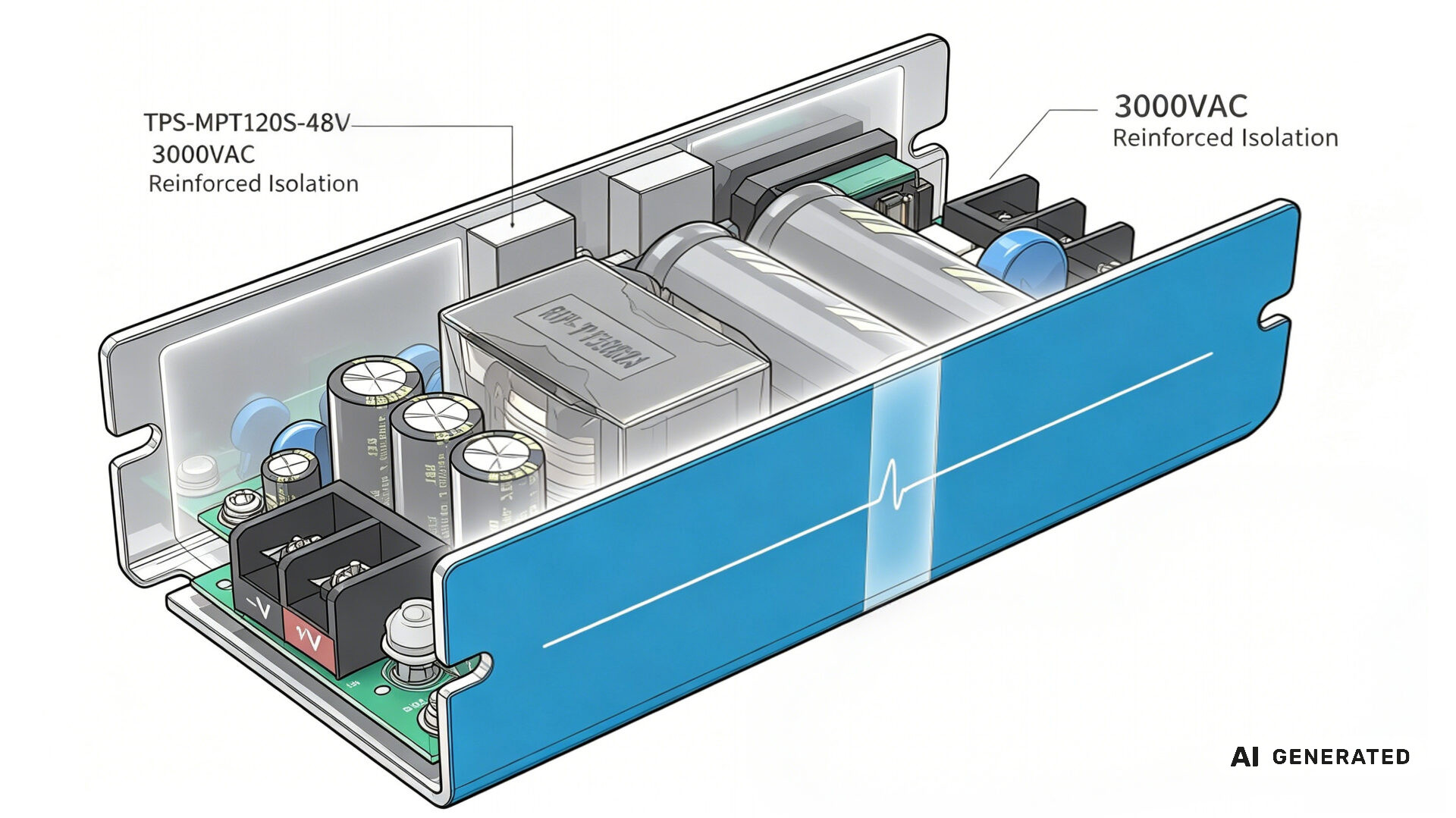
Image Generation Prompt: “Railway power supply surge protection circuit board with MOVs, TVS diodes, and isolation barriers, technician performing surge immunity testing with transient generator, oscilloscope showing surge waveform, professional test laboratory environment, photorealistic” — Alt: Railway power supply surge protection circuit board under test
For related design insights, see our circuit breaker panel design and buck-boost converter design with circuit protection resources.
4. The TPS Approach: Custom Power Supply Solutions for Railway Infrastructure
TPS Elektronik’s custom power supply solutions for railway trackside signaling and interlocking are built on an EMS foundation. Every power supply treated as a controlled product with defined process steps, documented testing, and full traceability. Our mechatronics service spans the entire product lifecycle. From concept and design through PCB assembly, box-build manufacturing, and final testing.
Our modular, platform-based approach to custom power supply design is particularly well-suited to railway applications. By utilizing pre-engineered, pre-tested topologies, we deliver customizable power supply solutions that perfectly match specifications while drastically reducing development time and certification risks. The platform approach allows us to adapt proven designs to specific railway requirements. Wide voltage ranges, surge immunity, extended temperature operation, and custom form factors—without starting from scratch.
Key capabilities of our railway power supply service include:
- Wide input voltage range: Designs covering 14.4V to 154V DC or broader, accommodating multiple nominal voltages.
- Surge immunity: Multi-layer protection against lightning, traction system transients, and inductive load switching.
- Extended temperature operation: Components and thermal management designed for -40°C to +85°C railway environments.
- Galvanic isolation: Reinforced isolation for safety and noise immunity.
- Custom mechanical integration: Form factors that fit trackside cabinets, DIN rail mounting, and enclosure requirements.
- Full documentation: Test reports, BOM/revision control, and serialized traceability for compliance and field service.
Our power supply development service transitions seamlessly into in-house PCB assembly, testing, and full mechatronic box-build manufacturing. This integrated approach ensures that the power supply designed for the railway environment is the power supply delivered—without the gaps that can occur when design and manufacturing are handled by different vendors.
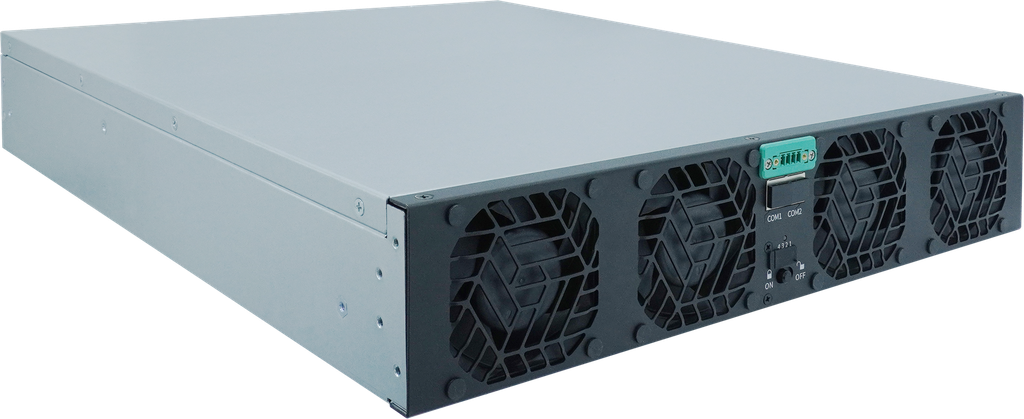
Image Generation Prompt: “Custom power supply mechatronic assembly for railway signaling, showing complete box-build with DIN rail mounting, terminal blocks, and surge protection modules, professional EMS manufacturing environment, photorealistic, wide shot” — Alt: Custom power supply mechatronic assembly for railway signaling
For more information on our mechatronics capabilities, see our custom power supply design case study and battery test system and power supply design resources.
5. Applications: From Point Machines to ETCS Lineside Electronic Units
TPS custom power supply solutions for railway signaling and interlocking serve a wide range of trackside applications:
Point Machines (Railway Point Machine Power Supply): Point machines require high inrush current for motor operation and stable power for position sensing. Our custom power supplies deliver the peak power needed for motor starting while maintaining regulation for control electronics.
Level Crossing Barriers (Level Crossing Barrier Power System): Level crossing systems combine motor drives, control logic, and monitoring—all requiring reliable power. Our power supplies provide the multiple outputs and isolation needed for these safety-critical systems.
Axle Counters (Axle Counter Power Supply Unit): Axle counter systems require clean, stable power for sensitive detection electronics. Our custom designs include filtering and isolation to prevent track noise from affecting counter accuracy.
ETCS Lineside Electronic Units (ETCS Lineside Electronic Unit PSU): European Train Control System (ETCS) trackside equipment demands high reliability and compliance with railway standards. Our power supplies are designed for the environmental conditions defined in EN 50125, ensuring ETCS equipment remains operational in all conditions.
Railway Signaling Battery Chargers (Railway Signaling Battery Charger): Trackside signaling systems often rely on battery backup. Our custom battery chargers are designed for the railway environment, with wide input voltage ranges, surge protection, and temperature-compensated charging.
For each application, TPS works closely with system integrators and panel builders to define the exact requirements—input voltage range, output voltages and currents, mechanical form factor, environmental ratings, and certification needs—and delivers a custom power supply solution that meets those requirements.