

Key Takeaways
Custom power supplies are engineered to meet specific voltage, current, environmental, and form-factor requirements that off-the-shelf units often cannot cover.
- A robust design flow covers topology selection, component sizing, thermal design, PCB layout, and safety/EMC compliance (e.g., IEC/UL 62368-1, IEC 60601-1 for medical, CISPR 32/35 for EMC).
- Modern switching topologies (e.g., LLC resonant, synchronous rectification, GaN/SiC) can achieve peak efficiencies in the 90–95% range in optimized designs, depending on operating conditions and system constraints.
- Validation includes load/line regulation, ripple, transient response, thermal, reliability, and EMC testing.
- Cost optimization balances performance, compliance, manufacturability, and lifecycle/obsolescence planning.
Last updated: March 2025
Why Custom Power Supplies?
Modern systems—from renewable energy and telecom to medical devices and battery energy storage—often require non-standard voltages, isolation, reliability levels, or mechanical envelopes. Custom design aligns the power stage to the real load profile, integration needs (e.g., BMS, PLC, CAN/PMBus), and the regulatory landscape.

What “Custom” Actually Means
Custom power supply engineering spans:
Electrical: topology choice, magnetics, semiconductors (Si, GaN, SiC), control algorithms.
Mechanical/Thermal: form factor, cooling strategy, heatsinks, airflow, vibration constraints.
Safety & EMC: insulation system, creepage/clearance, protective earth, emissions/immunity.
System Integration: interfaces (I²C/PMBus/CAN/Ethernet), telemetry, and energy management.
Core Subsystems
Input stage: inrush limiting, surge protection, filtering, and (if required) PFC.
Power stage/topology (the “heart”): determines efficiency, power density, and EMI behavior.
Control: analog PWM (e.g., current-mode) or digital (adaptive loops, telemetry, PFC).
Output stage: rectification, synchronous stages, LC filtering, sense/feedback networks.
Common Topologies (when to use what)
Flyback (to ~150 W): simple, isolated, multi-output capable. Great for chargers/aux rails.
Forward/Two-transistor forward (~100–500 W): higher efficiency and lower ripple than flyback.
LLC resonant (wide power range): very high efficiency with soft switching and low EMI—popular for high density and battery-related applications.
Half-/Full-Bridge (≥1 kW): robust at higher power; good regulation with appropriate control and magnetics.
Control, Protection & Feedback
Controllers: PWM (e.g., current-mode UCx family) or digital controllers for PFC, telemetry, adaptive dead-time, and multi-phase coordination.
Protection: Overvoltage (OVP), Overcurrent/Overload (OCP/OLP), Short-circuit (SCP), Overtemperature (OTP), input UVLO/OVLO; with coordinated fault responses.
Feedback stability: ensure adequate gain/phase margin and fast transient response (especially for dynamic loads/BMS).
Requirements & Specifications (get these right first)
Inputs: voltage windows, frequency, hold-up time, PFC requirements, surge/ESD.
Outputs: voltages, current ranges, ripple/noise targets, regulation, sequencing, dynamic load steps.
Environment: temp (often −40…+85 °C industrial), altitude, humidity, vibration/shock.
Safety: insulation classes, creepage/clearance, PE bonding, fault conditions.
Power quality & EMC: harmonics, PF, CISPR 32/35 targets, grid codes if applicable (for inverters/ESS).
Battery specifics (if relevant): CC/CV profiles, cell chemistry, balancing, BMS comms.
Design Process (end-to-end)
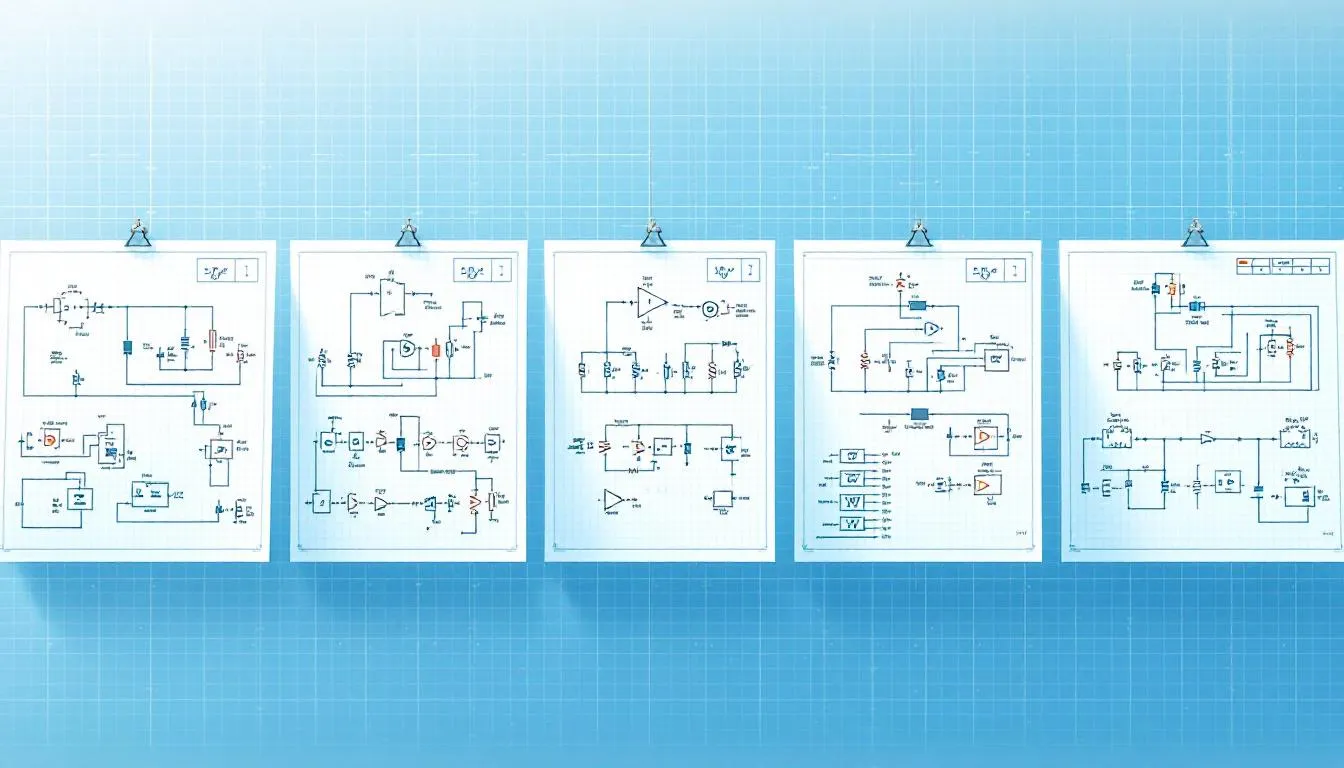
Requirements definition and risk analysis
Topology trade-off analysis (efficiency, density, cost, compliance)
Component selection (magnetics, capacitors, semiconductors, protection devices)
Simulation (electrical, thermal, EMC pre-analysis)
Prototype development
PCB layout optimization (loop areas, switch nodes, return paths, creepage/clearance)
Iterative testing and optimization
Pre-compliance testing (safety and EMC)
Design freeze, DFM/DFT, pilot build, certification, ramp-up
Thermal Management Considerations
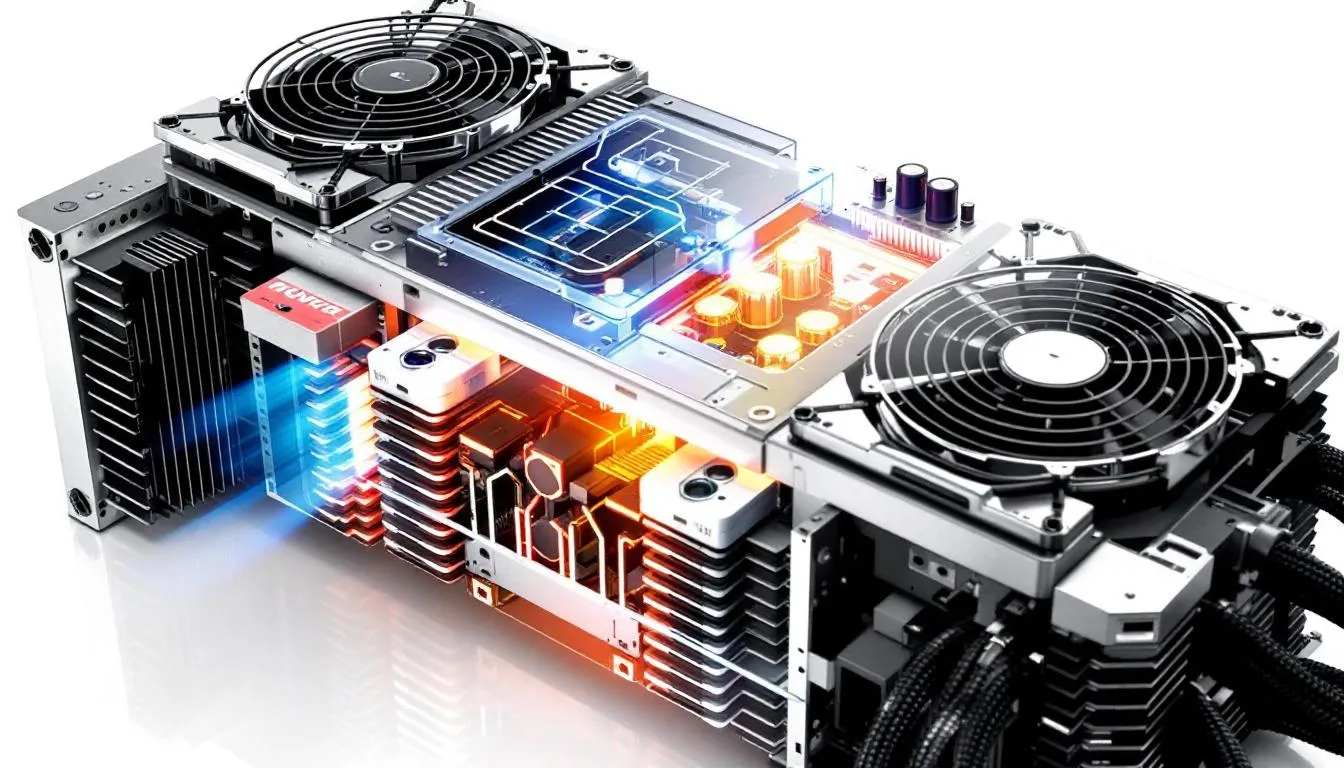
Effective thermal design addresses:
Conduction and switching losses
Core and copper losses
Gate-drive and auxiliary consumption
Cooling strategies may include:
Natural convection
Forced air
Heat pipes
Cold plates or liquid cooling in high-density systems
Validation should include worst-case ambient conditions, altitude derating, and capacitor hotspot analysis.
Safety and EMC Framework
Applicable standards depend on the end application and market.
Common examples:
IEC/UL 62368-1 (IT/AV and industrial equipment)
IEC 60601-1 / -1-2 (medical safety and EMC)
CISPR 32 / CISPR 35 (emissions and immunity)
EU Ecodesign (e.g., EU 2019/1782) for external power supplies
Testing typically includes:
Hi-pot and ground bond
Leakage current
Surge, EFT, and ESD
Conducted and radiated emissions
Conducted and radiated immunity
Requirements must always be defined during the specification phase.
Verification and Validation
Validation generally includes:
Load and line regulation
Ripple and noise
Efficiency across load and temperature
Hold-up time
Step-load transients
Startup and shutdown sequencing
Reliability screening (e.g., burn-in, derating review)
Environmental testing (thermal, humidity, vibration)
EMC pre-compliance before formal lab testing
Application-Specific Considerations
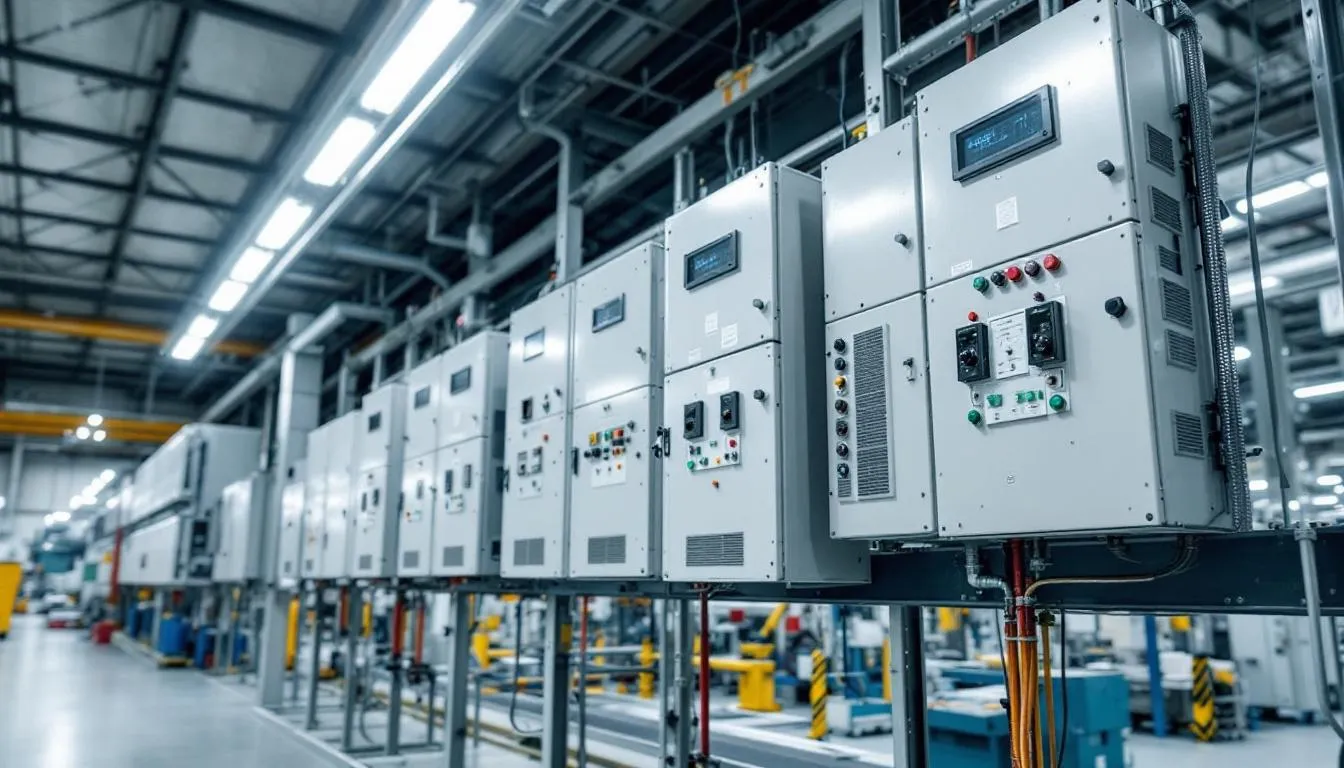
Medical: Low leakage currents, reinforced isolation, strict EMC.
Battery Energy Storage (BESS): Bidirectional stages, communication with BMS/EMS.
Industrial Automation: Noise immunity, wide temperature range, fieldbus integration.
Telecom: Redundancy, hot-swap capability, telemetry.
Renewables: Grid code compliance and harmonic limits where applicable.
Cost Optimization in Custom PSU Projects
Cost optimization involves:
Right-sizing specifications
Evaluating equivalent components with similar reliability
Designing for manufacturability (DFM) and testability (DFT)
Planning for second sources and lifecycle management
Balancing NRE against expected production volume
Monitoring component lifecycle status and supply chain stability remains an important consideration in long-term industrial programs.
Emerging Trends
Wide Bandgap Maturity (GaN & SiC):
Continued adoption in industrial and energy systems enables higher switching frequencies and improved efficiency under real-world operating conditions.High-Transient Loads (AI & Edge Computing):
Increasingly dynamic load profiles require faster control loops, tighter regulation, and improved power integrity design.Bidirectional Power Architectures:
Growth in battery energy storage and hybrid systems drives demand for bidirectional converters with high efficiency across CC–CV operation.Digitalization & Telemetry:
Remote diagnostics, firmware updates, and predictive maintenance are becoming standard expectations in industrial and telecom applications.Lifecycle & Sustainability Focus:
Obsolescence planning, component transparency, and energy efficiency compliance are gaining importance in EU markets.
Conclusion
Custom power supply design is a multidisciplinary engineering process that integrates electrical performance, safety, EMC compliance, thermal management, and lifecycle planning.
As system requirements become more application-specific, tailored designs can offer advantages in integration, efficiency, and compliance alignment. However, these benefits depend on clearly defined specifications and a structured development process.
Early definition of regulatory, environmental, and interface requirements remains critical to project success.
FAQs
What is a typical development timeline?
For a single-output custom PSU, development often ranges from approximately 12 to 20 weeks, depending on complexity and certification scope. Medical, aerospace, or energy storage applications may require additional time.
When should I choose custom over off-the-shelf?
A custom solution may be appropriate when standard products cannot meet:
Required output characteristics
Isolation levels
Environmental ratings
Mechanical constraints
Interface or compliance requirements
What minimum order quantities (MOQ) are typical?
MOQs commonly range from 100 to 1000 units, depending on complexity and whether non-recurring engineering (NRE) costs are amortized separately.
How does power density compare?
Optimized designs using modern topologies and wide bandgap semiconductors can achieve higher power density than general-purpose units. Typical values vary significantly by cooling method, safety spacing, and application constraints.
Which certifications are most common?
Commonly referenced standards include:
IEC/UL 62368-1
IEC 60601-1 / -1-2
DO-160 (aerospace, if applicable)
ISO 26262 (automotive functional safety)
CISPR 32 / CISPR 35 (EMC)
Certification requirements depend on the target application and market.