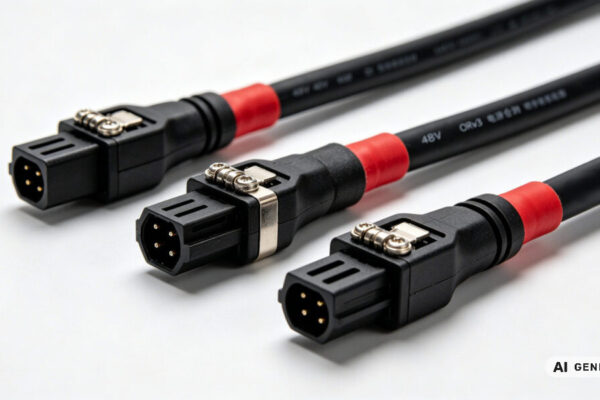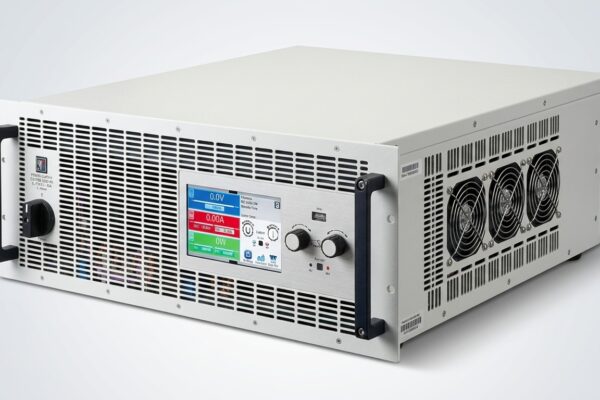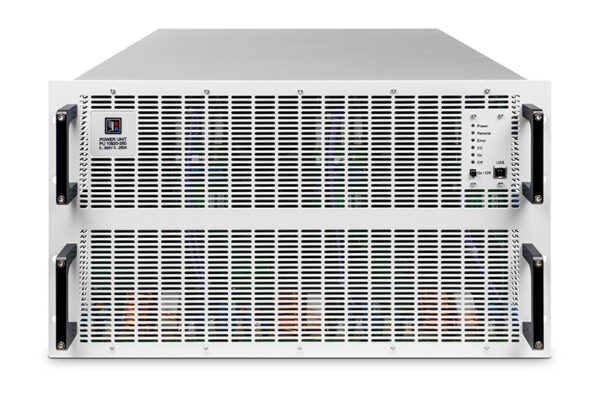


For system integrators, panel builders, and engineering‑driven procurement teams, selecting a power supply for telecom and data center infrastructure is not only about wattage. It also involves hot‑swap capability, N+1 redundancy, remote monitoring via PMBus. And whether the unit can maintain full power output at elevated ambient temperatures without derating. When a single power module in a critical network node fails, the entire service can disrupted—unless the power architecture has been designed for seamless failover.
The TPS 1500W power supply is engineered specifically for these mission‑critical environments. Delivering a regulated 48 V DC output at 1500 W, and designed to operate in parallel with active current sharing for N+1 or 2N redundancy. This power module provides the reliable, efficient, and manageable DC power that modern telecom base stations, routers, and server racks demand. This article examines the TPS 1500W power supply platform and explains why it is the preferred building block for scalable, high‑availability DC power systems.
Why 48V and 1500W is the sweet spot for telecom and data center power
The 48 V DC bus has been the backbone of telecommunications power for decades, and it is now the fastest‑growing standard in hyperscale data centers. The reason is efficiency: a 48 V distribution system incurs lower I²R losses than a 12 V system for the same power. Which allowing thinner cabling and longer distribution distances. A 1500W rectifier at 48 V delivers approximately 31 A. Which is the ideal current level for powering a fully loaded server rack or a 5G base station’s remote radio head.
Selecting a dedicated 48V 1500W PSU that is purpose‑built for continuous operation in unconditioned environments is essential. Unlike a standard industrial supply, a telecom‑grade unit must withstand high ambient temperatures, humid and dusty conditions, and operate for a decade without failure. This is why units like the TPS 1500W power module designed with advanced digital control, comprehensive protection, and compatibility with N+1 redundant power shelves. For a broader overview of TPS power solutions, see the programmable power supply category.
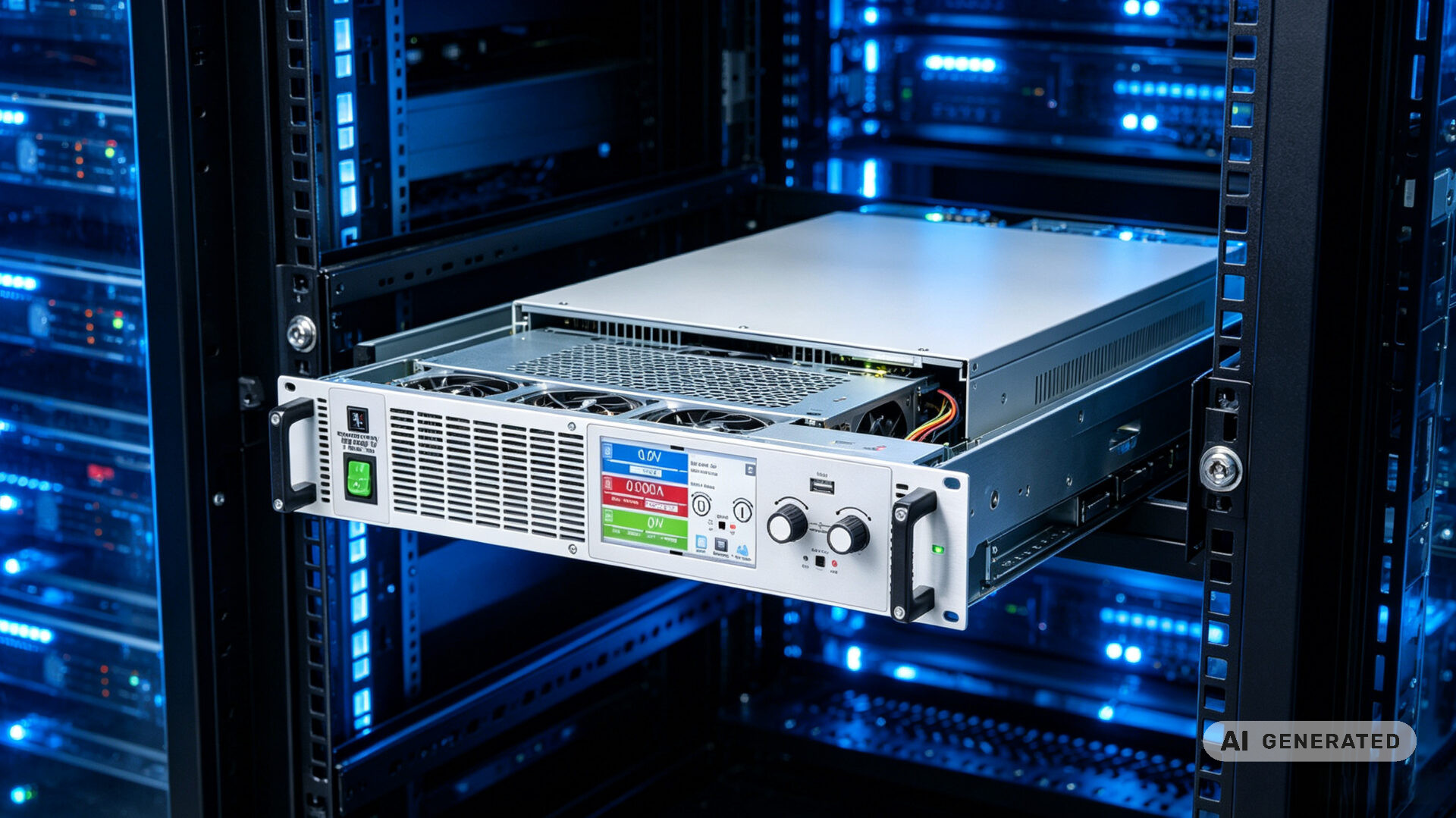
TPS 1500W power supply platform overview
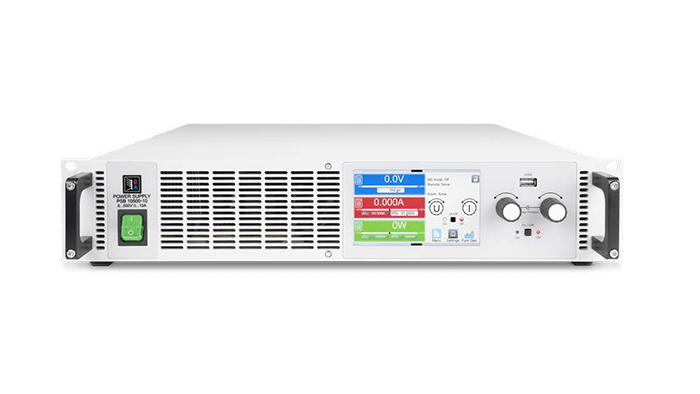
TPS Elektronik offers a comprehensive range of programmable and fixed‑output power supplies. Which including 1500 W modules optimized for 48 V DC distribution. These modules designed for 19‑inch rack‑mount power shelves, fitting into a 1U or 2U form factor that can house multiple units in parallel. Each module operates from a universal AC input (typically 100–240 V AC) with active power factor correction. Which delivering a tightly regulated 48 V DC output with low ripple and noise. The complete range of compatible programmable DC power supplies and accessories is available on the TPS power supply category page.
Within this range, TPS also offers dedicated models for lower power, space‑constrained applications, as detailed in the guide to 1U programmable DC power supply space‑saving setups. However, for high‑power, high‑reliability needs, the 1500 W class provides the optimal balance of power, density, and serviceability.
N+1 redundancy, hot‑swap, and active current sharing
The defining feature of a telecom‑grade power system is its ability to survive a single module failure without service interruption. The TPS 1500 W module designed for N+1 redundant power architectures: in a shelf holding three modules. Only two needed to supply the full load, with the third serving as a live spare. If any module fails, the remaining units seamlessly take over the load, with active current sharing ensuring that no single module overloaded.
Hot‑swap capability is integral to this design. A technician can extract a failed module and insert a replacement without powering down the shelf or disrupting the output bus. Staggered connector pins ensure that the ground and control connections made before the main power contacts, preventing inrush current surges and bus voltage disturbances. This concurrent maintainability is a fundamental requirement for high‑availability telecom and data center facilities.
Efficiency, thermal management, and reliability
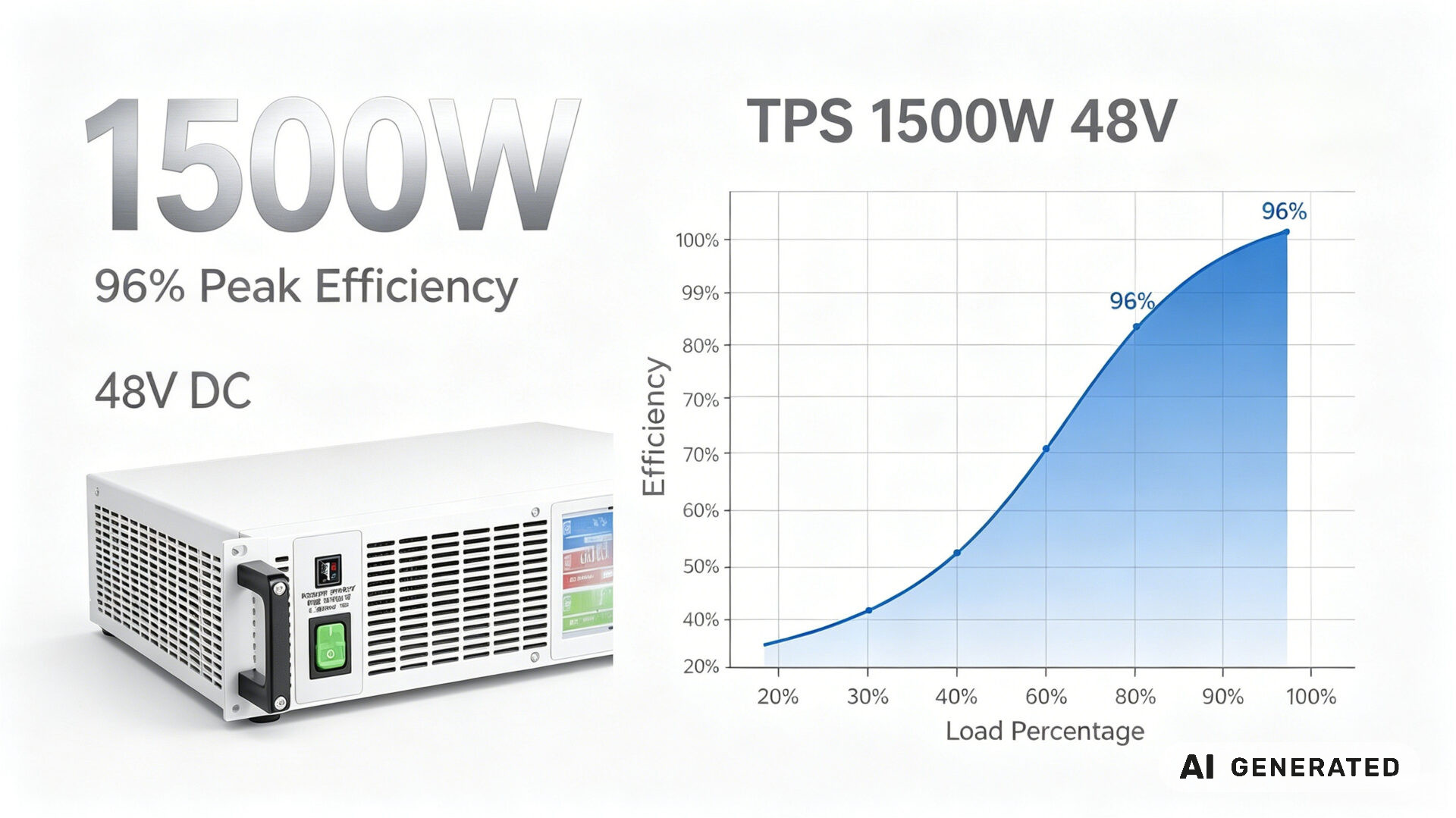
In a facility operating thousands of rectifiers, a single percentage point of efficiency improvement translates into tens of thousands of euros in annual energy savings. TPS 1500 W modules achieve efficiency levels exceeding 95 %, qualifying for 80 PLUS Titanium or Platinum certification, with a flat efficiency curve that maintains high performance even at light loads. This reduces both electricity cost and the thermal load on the facility’s cooling infrastructure.
Thermal management is equally critical. The modules employ forced‑air cooling with intelligent, temperature‑controlled fans that adjust speed based on internal temperature and load. The front‑to‑rear airflow design ensures that hot exhaust air directed away from the equipment. The modules rated for continuous full‑power operation at ambient temperatures up to 55 °C, with linear derating above that point. Which ensuring reliable operation even in unconditioned outdoor cabinets.
Digital control, PMBus monitoring, and system integration
Modern telecom networks require remote visibility of every power asset. TPS 1500 W modules equipped with digital signal processors (DSPs) that provide precise regulation and extensive monitoring capabilities. Through a standard PMBus interface, the system controller can read real‑time data including input voltage, output voltage, output current, internal temperature, fan speed, and fault status. This data enables predictive maintenance, allowing operators to identify a degrading fan or a drifting output before it causes a failure.
Beyond PMBus, the modules support communication via CAN bus and RS‑485, and can integrated into higher‑level network management systems using SNMP or Modbus protocols. For a deeper look at how such intelligent power management fits into broader system designs, see the TPS overview of 2U programmable DC power supplies balancing power and space.
Compliance and safety: IEC 62368‑1 and EMC
Safety and electromagnetic compatibility are paramount in public network infrastructure. The TPS 1500 W power module is designed and tested to meet IEC 62368‑1, the hazard‑based safety standard for ICT and AV equipment. Which addresses protection against electric shock, fire, mechanical, and thermal hazards. EMC compliance demonstrated against CISPR 32 / EN 55032 Class A for conducted and radiated emissions. And against the IEC 61000‑4‑x series for immunity. The module carries CE and UL marks, and TPS provides a Declaration of Conformity with each shipment, simplifying the system integrator’s own certification process.
Application scenarios: base stations, data centers, and edge computing
- Telecom base stations (5G/LTE): Powering remote radio units (RRUs) and baseband processing units (BBUs) from a 48 V DC bus, with N+1 redundancy and remote fault monitoring.
- Data center server racks: Centralized 48 V power shelves feeding multiple server racks. Which reducing conversion losses compared to individual AC‑DC power supplies per server.
- Edge computing and micro‑data centers: Compact, high‑reliability power modules that can operate in unattended, remote locations with wide temperature tolerances.
RFQ checklist for 1500W power supplies
- Output power and voltage: Confirm 1500 W at 48 V DC meets the load requirement, with margin for future expansion.
- Redundancy model: N+1 or 2N, with active current sharing and hot‑swap.
- Monitoring interface: PMBus, CAN, RS‑485, or SNMP for system integration.
- Environmental conditions: Maximum ambient temperature, humidity, and any special requirements for outdoor or unconditioned spaces.
- Certifications: IEC 62368‑1, CE, UL, and any regional requirements.
- Quantity and schedule: Prototype, pilot, and series production volumes.
Frequently Asked Questions
Can the TPS 1500W module operate in parallel with different power ratings?
It is recommended to parallel identical modules for proper active current sharing. TPS provides power shelves and system controllers designed to manage identical 1500 W modules in N+1 configurations.
What happens if a module fails in an N+1 shelf?
The remaining modules continue to supply the load without interruption. The faulty module can hot‑swapped while the system is live, without any downtime.
Is the output voltage adjustable?
The nominal output is 48 V DC, but the voltage can adjusted within a limited range via the PMBus interface to accommodate battery charging profiles or voltage drop compensation.
Where can I find the complete technical specifications?
Datasheets and application notes are available on the TPS programmable power supply category page.