

For system integrators, panel builders, and engineering-driven procurement teams, selecting a cooling fan is not only about airflow. It also involves static pressure, acoustic noise, bearing life. And whether the component can operate reliably for years in a sealed, unconditioned remote telecom cabinet. When a single fan in a critical network switch fails, the resulting hotspot can cause intermittent packet loss or a complete system shutdown. Which leading to costly downtime and emergency field service dispatches.
The TPS range of 12V DC fans engineered to prevent these failures. Designed specifically for the demanding thermal environments of telecom and networking equipment, these fans—from compact 38mm axial models to powerful 1U rack fan trays—provide the high static pressure, long life, and quiet operation that modern communication infrastructure demands. This article examines the role of the 12V DC fan in telecom cooling and explains why a purpose-built TPS fan is a critical investment in network reliability.
Why dedicated 12V cooling is essential for telecom and networking
Telecom and networking equipment often deployed in harsh, unattended environments—from roadside cabinets to remote base stations. Inside these sealed enclosures, high-speed processors, power amplifiers, and optical transceivers generate significant heat. Without active forced-air cooling, internal temperatures can rise above 85 °C, accelerating component aging and leading to unpredictable thermal shutdowns. A 12V DC fan for telecom is the most common and reliable solution, as the 12 V rail is universally available from the system’s internal power supply or a battery backup system, ensuring cooling continues even during a grid power failure.
Beyond simple airflow, a purpose‑built networking cooling fan must overcome the high airflow resistance of densely packed circuit boards, heatsinks, and cable looms. This requires a fan that delivers high static pressure. Which is the force needed to push air through a restrictive path. A standard, low‑cost fan with low static pressure will simply stall and fail to move any air through the system. TPS fans specifically designed with optimized blade geometries to maintain effective airflow even against these high impedances. Which ensuring no component exceeds its safe operating temperature.
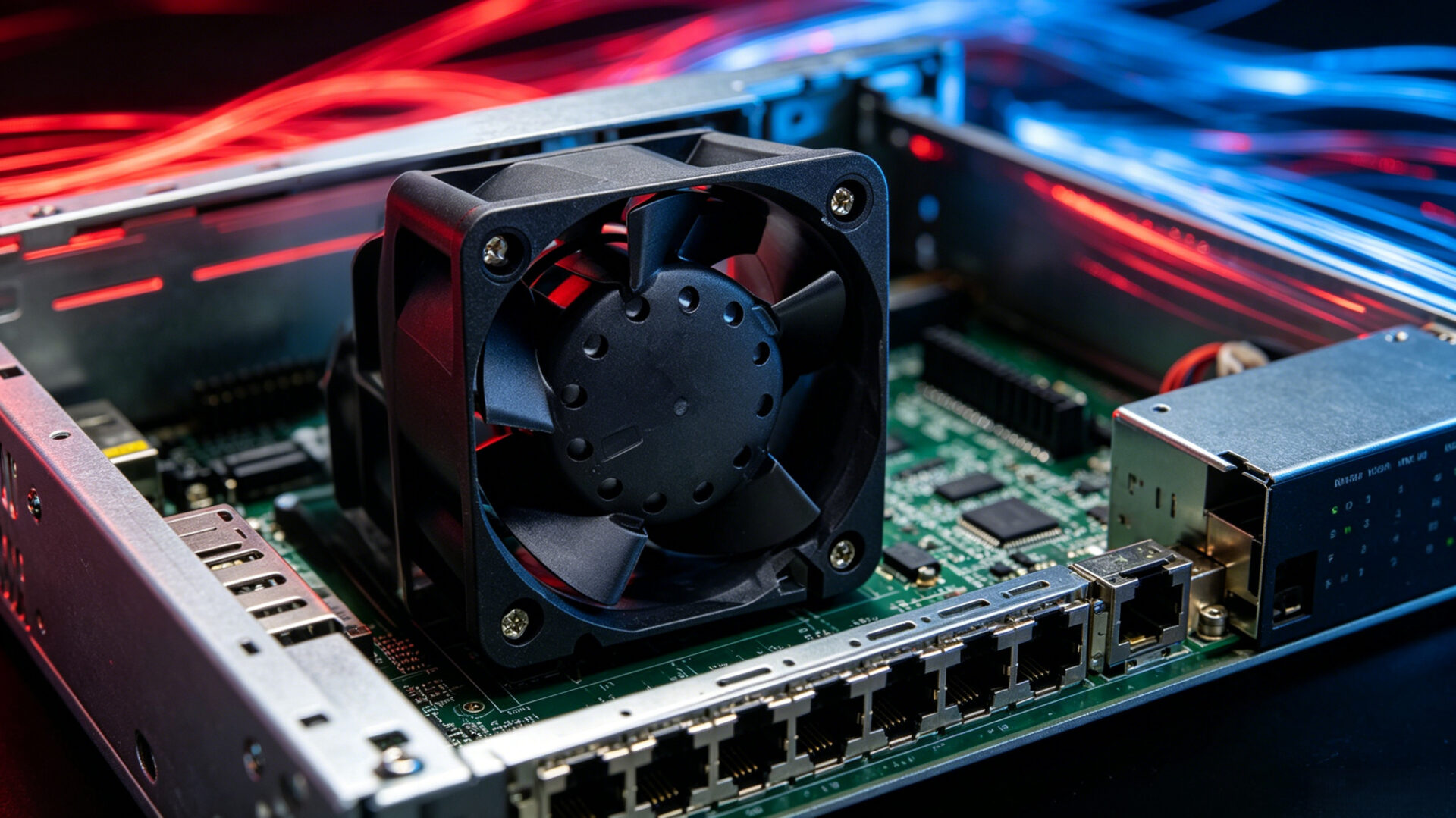
TPS 12V DC fan range overview
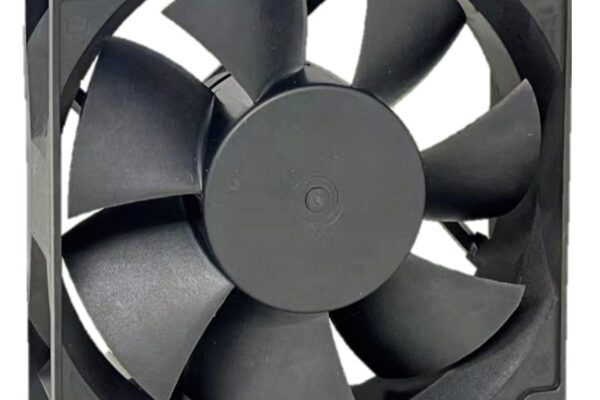
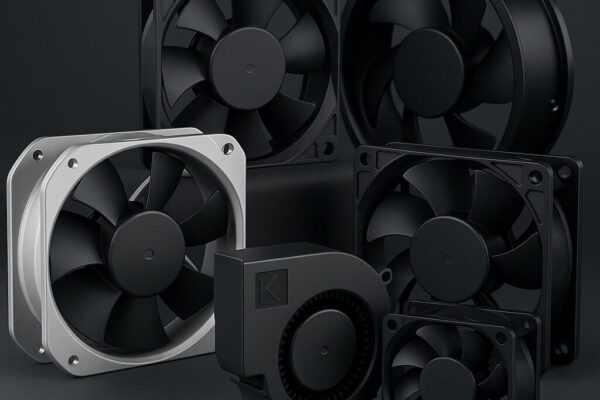
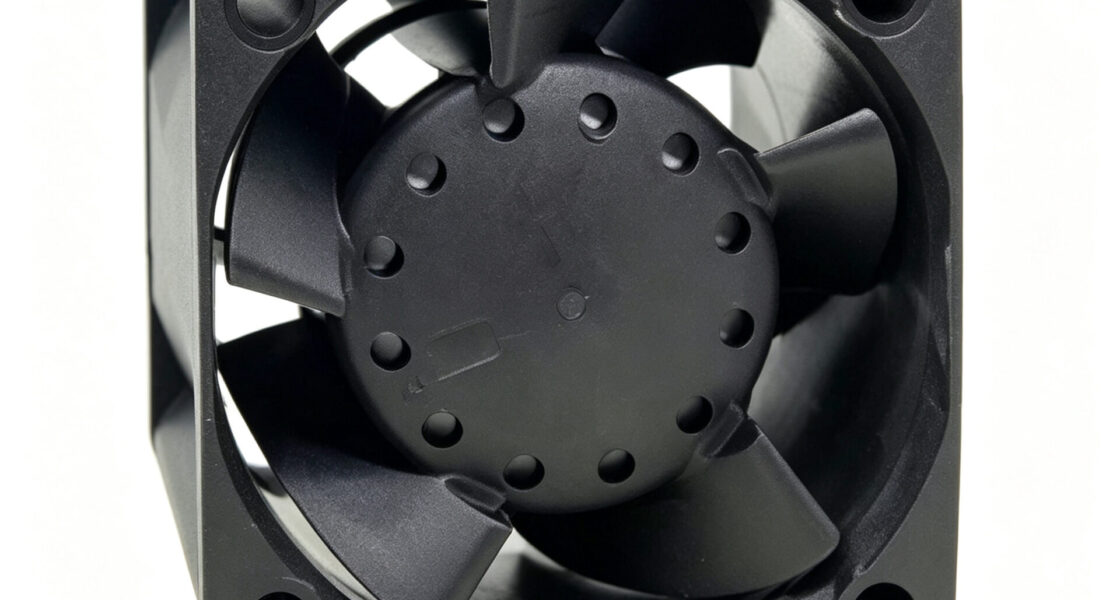
The TPS portfolio addresses the full spectrum of telecom cooling requirements. At the component level, models like the AGB03828B12U064-TBC are ultra‑compact 38 × 38 × 28 mm axial fans designed for point‑cooling of high‑power FPGAs and processors on crowded PCBs. For higher airflow needs, larger 40mm, 60mm, and 80mm 12V fans offer increased swept area and can be integrated directly into equipment chassis.
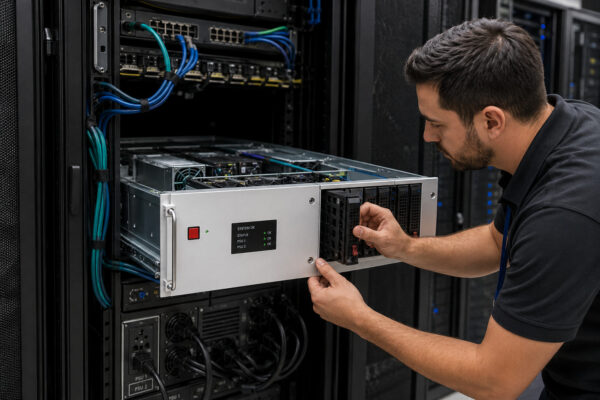
For rack‑level cooling, TPS offers fully assembled 1U and 2U fan trays that snap into standard 19‑inch racks. These trays house multiple high‑performance fans and often include intelligent features such as tachometer speed monitoring, PWM speed control, and hot‑swappable designs. Which allowing a failed unit to be replaced without powering down the rack. The entire range is available on the TPS DC and AC fan category page. For a broader discussion on how these components integrate into complete systems, visit the TPS services overview.
Key performance metrics: static pressure, airflow, and acoustics
Selecting the right fan requires a careful balance of three competing parameters. Airflow, measured in cubic feet per minute (CFM), is the total volume of air moved. However, in dense networking gear, a high CFM rating is meaningless if static pressure is low. A fan must maintain its airflow even against the resistance of the system, which is why 12V DC high static pressure fans are a must for deeply packed enclosures. TPS fans engineered to operate efficiently at the “knee” of their performance curve. Which is where a typical telecom system operates.
The third critical metric is acoustic noise. Data center and central office operators enforce strict limits on fan noise to protect personnel and meet environmental standards. TPS’s advanced blade aerodynamics and precision bearings minimize turbulent noise. Which making them suitable for even office‑grade networking equipment. These performance characteristics, while crucial, often validated in detailed testing as would be explored in technical articles on the TPS blog.
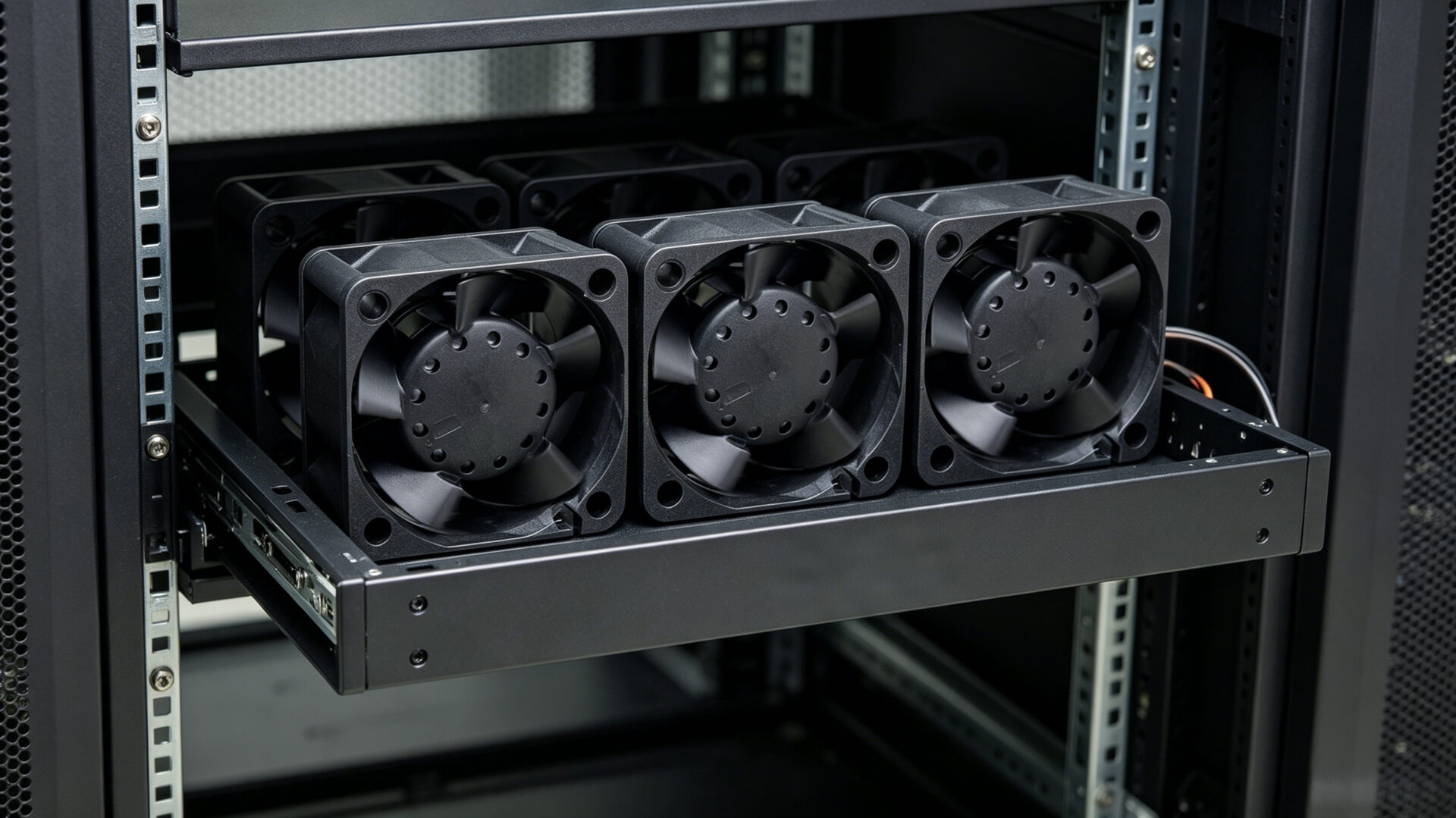
Bearing technology and long-term reliability
The single most critical factor in fan lifespan is the bearing system. A seized bearing in a remote base station fan requires an expensive truck roll to replace a component that costs only a few dollars. TPS addresses this vulnerability by offering fans with high‑quality dual ball bearings or advanced maglev (magnetic levitation) systems. These bearings rated for continuous operation at elevated temperatures, often achieving an L10 life expectancy of over 70,000 hours at 40 °C. This translates to eight years of continuous, maintenance‑free operation, a non‑negotiable requirement for mission‑critical telecom infrastructure.
Furthermore, TPS fans often include tachometer output and locked‑rotor alarm signals. These allow the host system to monitor fan health in real time. Which providing a predictive failure warning that allows for scheduled maintenance rather than an emergency repair after the equipment has already overheated. This proactive approach to thermal management is a cornerstone of service continuity.
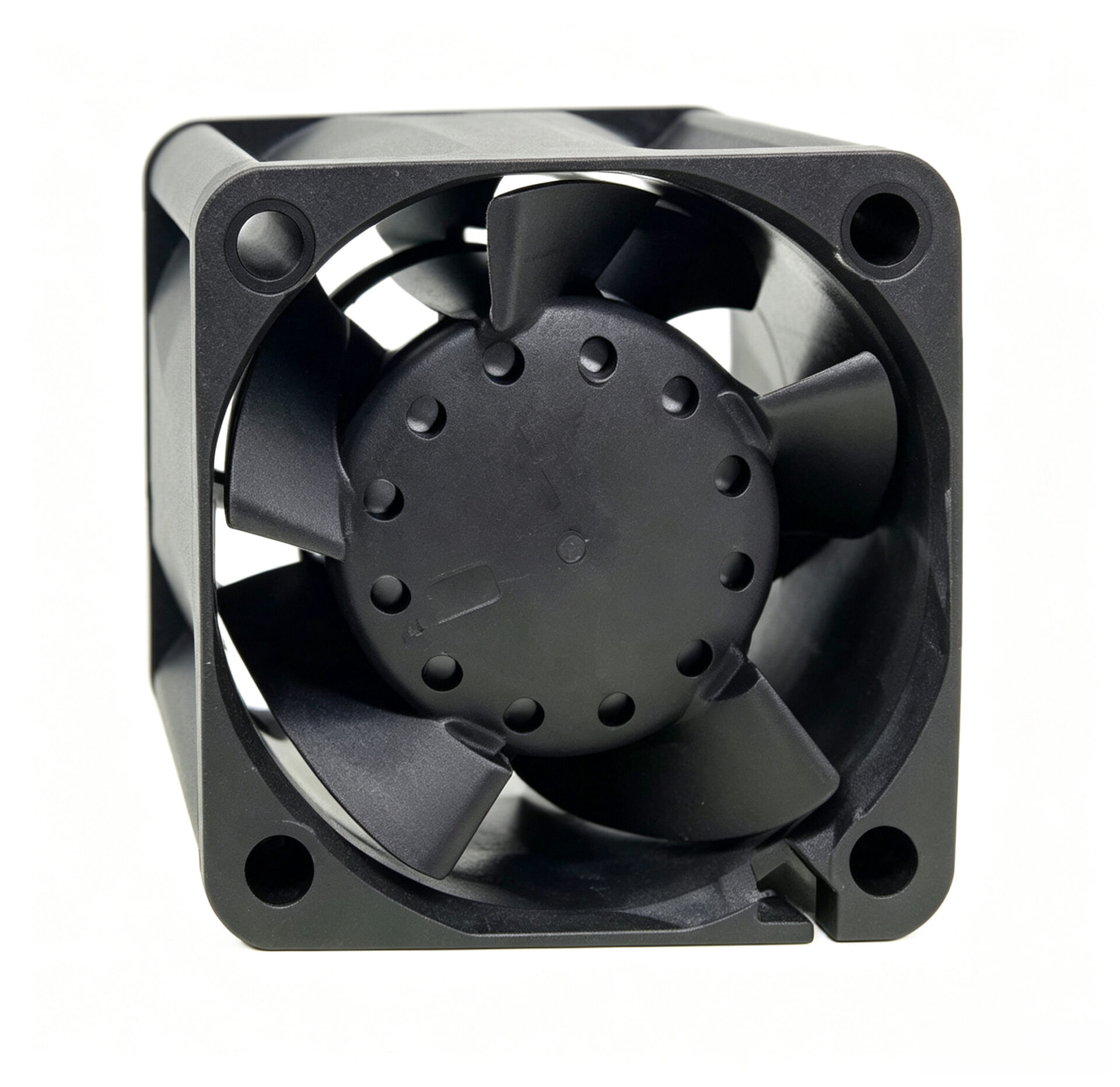
Mechanical integration and fan tray solutions
Integrating a fan mechanically involves more than just mounting holes. For fan trays, the design must allow for hot‑swapping, proper sealing against air leakage, and vibration dampening. TPS fan trays custom‑engineered to match specific 19‑inch rack dimensions. Which ensuring a perfect fit that forces all intake air to pass through the equipment, not around it. The use of rubber grommets and precision‑balanced rotors minimizes vibration transmission to the rack. Which is critical for preventing hard drive failures in co‑located storage arrays. The compact size of the AGB03828B12U064-TBC, measuring just 38mm on a side, exemplifies this space‑efficient engineering, allowing it to placed directly onto a crowded board.
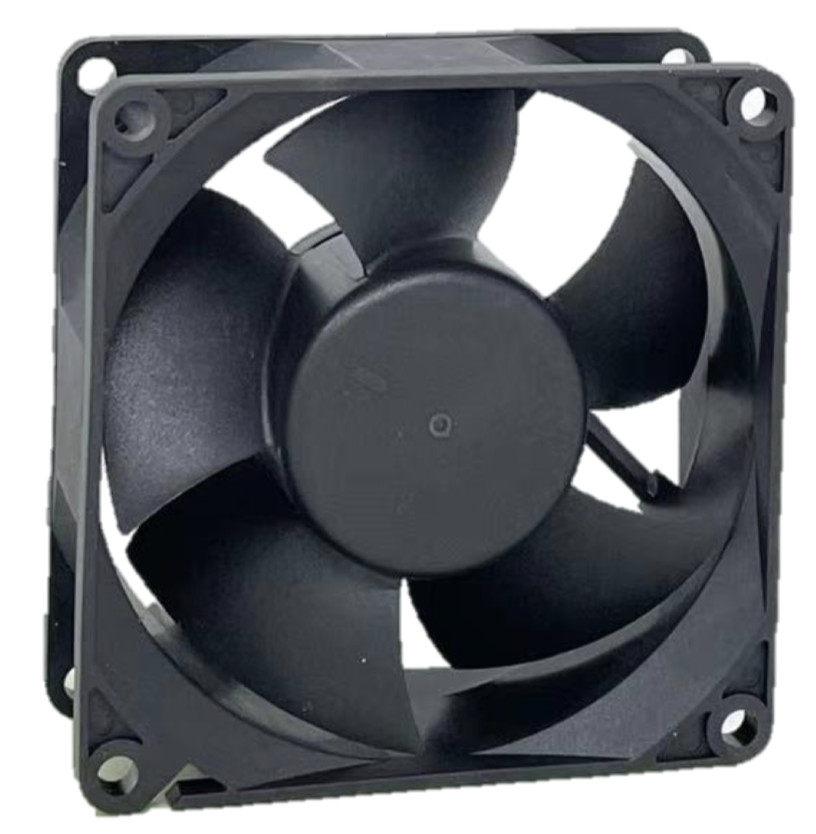
Compliance, safety, and EMC considerations
A fan is an electromechanical device and must not compromise the safety or electromagnetic compatibility of the host system. TPS 12V DC fans designed as components for integration into equipment that complies with IEC 62368‑1, the hazard‑based safety standard for ICT and AV equipment. This ensures the fan’s insulation system and fire enclosure requirements are met. Furthermore, the fan’s brushless DC motor designed for low electromagnetic interference, preventing it from disrupting sensitive high‑speed data signals. This is in line with global EMC requirements such as CISPR 32 and EN 55032, and TPS provides the necessary documentation for OEM compliance as part of its service commitment, discussed further on the TPS news and insights page.
Application scenarios: switches, routers, and base stations
- Core Network Switches and Routers: High‑CFM, hot‑swappable fan trays are essential to prevent thermal throttling of high‑capacity backplanes during peak traffic.
- Telecom Base Stations (5G/LTE): Sealed outdoor enclosures use high‑static pressure 12V fans with advanced dust and water resistance to cool power amplifiers and digital units in all weather conditions.
- Remote Digital Loop Carriers (DLCs): Compact, ultra‑reliable, and silent 12V fans are required for sidewalk cabinets that must operate for a decade without maintenance.
RFQ checklist for 12V DC fans
- Mechanical constraints: Required dimensions (e.g., 38×38×28mm), mounting hole pattern.
- Performance specification: Target airflow (CFM) and minimum static pressure (mmH2O) at the operating point.
- Acoustics: Maximum acceptable noise level (dBA) at 1 meter.
- Reliability: Required bearing type (dual ball, maglev) and L10 life expectancy at a given ambient temperature.
- Features: Tachometer output, locked-rotor alarm, PWM speed control, IP rating.
- Compliance: Applicable safety (IEC 62368-1) and EMC (CISPR 32) standards.
Frequently Asked Questions
What is the difference between a 12V DC fan and a 48V DC fan for telecom?
Both are common, but 12V is the standard for smaller, localized board‑level cooling and low‑power systems, while 48V is typically used for high‑power amplifier cooling in macro base stations where the higher voltage reduces current draw.
How do I calculate the required airflow for my enclosure?
As a rule of thumb, you can use the formula CFM = (1.76 × Watts) / ΔT(°C), where Watts is the total heat dissipated, and ΔT is the allowable internal temperature rise. For high‑density, flow‑restrictive equipment, the fan’s static pressure capability is more critical than the raw CFM number.
Can TPS provide a custom fan tray for a proprietary rack system?
Yes. TPS has full mechatronic design and sheet metal fabrication capabilities and can design a fully custom, plug‑and‑play fan tray with integrated control electronics for any rack specification.
Where can I find the complete product specifications?
Datasheets and 3D models are available on the TPS DC and AC fans product page.