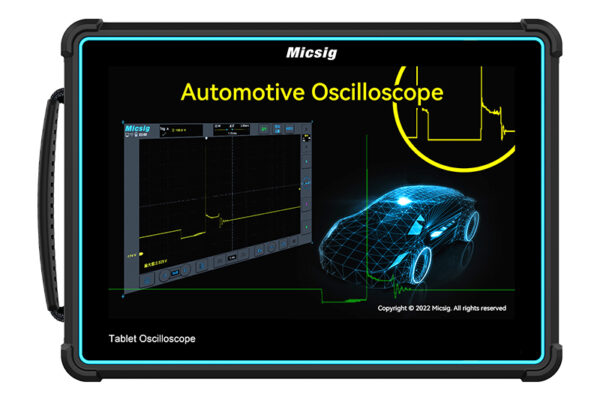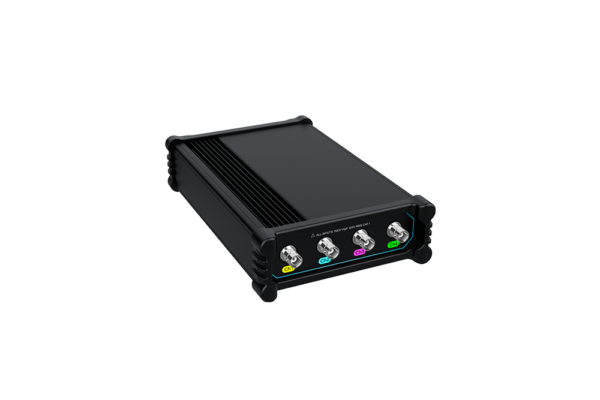


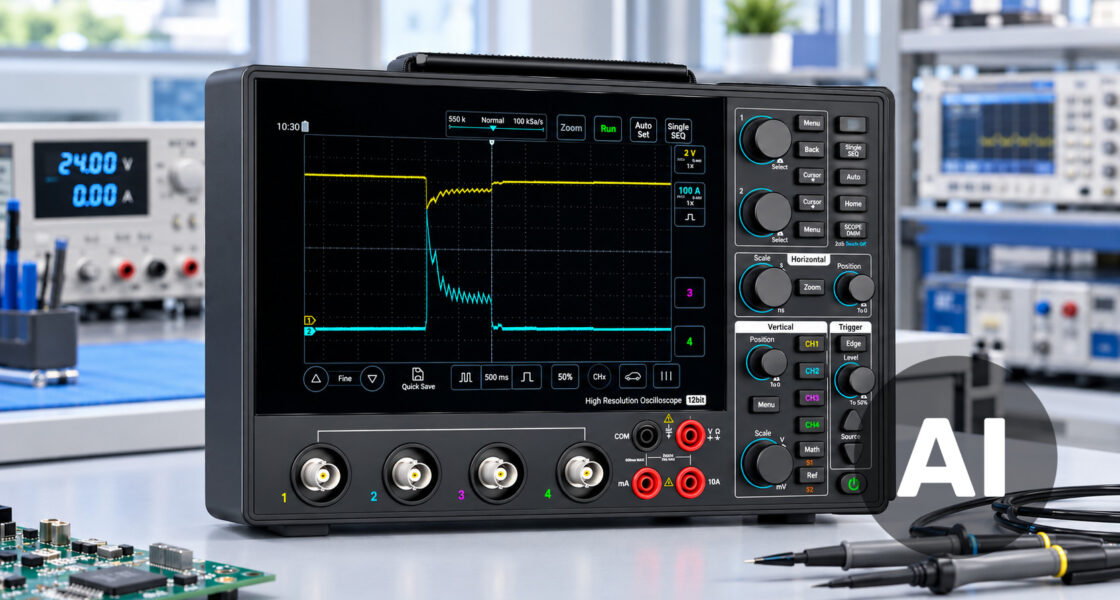
The oscilloscope definition describes an electronic test instrument. It graphically displays varying signal voltages as a two-dimensional plot of voltage versus time. Engineers use this tool to observe signal shape, measure amplitude, frequency, rise time, and detect transient events. But in modern vehicle repair, the answer to “what is the oscilloscope used for” goes far beyond basic electronics. A general purpose oscilloscope can serve as the foundation for automotive signal diagnosis. Yet it needs specific hardware and software enhancements. These handle the harsh electrical environment of a vehicle. Our platform bridges that gap. It keeps full general purpose oscilloscope functionality for bench work. It also integrates high-resolution capture, a built-in digital multimeter, a hardware frequency counter, and multi-protocol bus decoding. Automotive technicians and engineers need these features.
European engineering teams work on internal combustion engines, hybrid systems, and fully electric vehicles. They need one instrument for both laboratory debugging and roadside fault tracing. This is no longer a luxury—it is a necessity. The term “general purpose oscilloscope” often implies a compromise. But with the right architecture, a single platform delivers accurate DC measurements, fast waveform capture, and portable field operation. It sacrifices nothing in performance. This article explains how our platform achieves that balance. It covers core oscilloscope principles, specific demands of automotive signal diagnosis, and practical features. These make a general purpose instrument truly suitable for vehicle testing.
Understanding the Oscilloscope Definition and Its Core Role in Measurement
Before discussing automotive specifics, revisit what an oscilloscope is and what it does. The basic oscilloscope definition describes an instrument that converts electrical signals into a visual graph. Time appears on the horizontal axis and voltage on the vertical axis. This shows an engineer the signal’s amplitude, frequency, period, noise, and transient behavior. A student or new technician may ask “what is oscilloscope”. The answer is straightforward: it is the most fundamental tool for observing dynamic electrical behavior.
When we ask “what is the oscilloscope used for,” the list is extensive. In general electronics, an oscilloscope verifies clock frequencies, analyzes signal integrity, debugs communication interfaces, measures rise and fall times, and characterizes power supply ripple. In automotive diagnostics, the same instrument captures waveforms from crankshaft position sensors, ignition coils, fuel injectors, oxygen sensors, wheel speed sensors, and data buses such as CAN and LIN. The difference lies not in the fundamental principle but in the signal environment. Automotive circuits involve high-voltage transients, inductive kickback, low-level analog outputs, and serial data patterns. These demand specialized input protection, triggering, and decoding.
A well-engineered general purpose oscilloscope handles both worlds with the right architecture. Our platform uses the same core acquisition system as a high-performance bench scope. It adds automotive-specific layers. Engineers can switch from measuring a microcontroller clock to diagnosing a faulty wheel speed sensor without changing instruments. This dual-purpose design makes the platform valuable for workshops and R&D labs alike.
Why a Standard General Purpose Oscilloscope May Fall Short in Automotive Testing
Many engineers start with a bench oscilloscope and assume they can simply carry it out to a vehicle. In principle, a scope is a scope. In practice, automotive testing presents several challenges that a basic general purpose unit may not address. Understanding these limitations helps you select the right tool for automotive signal diagnosis.
High-Voltage Input Protection
Automotive circuits connect to ignition coils, injectors, and solenoids. They can produce voltage spikes well above the nominal system voltage. A standard general purpose oscilloscope may rate for only 300 V CAT I. This is insufficient for probing primary ignition waveforms that reach hundreds of volts. Our platform includes robust input protection and supports appropriate attenuation probes. It makes engine system testing and ignition system analysis safe without risk of damage.
Isolated Input Channels
In a vehicle, different sensors and actuators may reference different ground points. Connecting multiple non-isolated probes can create ground loops. These distort measurements or even damage the oscilloscope. Automotive-specific scopes often provide channel-to-channel and channel-to-ground isolation. Our platform includes isolated inputs. It allows simultaneous measurement of signals on different ground references. This is a critical feature for automotive sensor testing and automotive actuator testing.
Automotive-Specific Trigger Modes
Intermittent faults are the hardest to diagnose. A general purpose scope with only edge triggering may miss a rare glitch or a specific pulse width anomaly. Our platform offers advanced triggering options. These include pulse width, runt, timeout, and pattern triggers. They are essential for capturing erratic sensor signals or communication errors. This capability directly supports vehicle fault troubleshooting and fast waveform capture in the field.
Integrated Protocol Decoding
Modern vehicles rely on digital buses such as CAN, CAN FD, LIN, and FlexRay. A basic general purpose oscilloscope shows only the differential voltage waveform. This is nearly impossible to interpret manually. Our platform includes hardware-based decoding for all major automotive protocols. You can view decoded frames alongside the raw waveform. This feature covers CAN bus decoding, CAN FD protocol analysis, LIN bus testing, and FlexRay network testing without external adapters.
Built-in Digital Multimeter and Hardware Frequency Counter
Carrying a separate multimeter and frequency counter slows down diagnostics. Our platform integrates a high-accuracy DMM with 4.5/6-digit resolution and a hardware frequency counter. You can measure DC voltage, resistance, and frequency directly from the oscilloscope interface. The transition from waveform analysis to precise DC measurement becomes seamless. This is especially useful for charging circuit measurement and starting current testing. You need both waveform detail and precise numerical values for these tasks.
Key Features That Make Our Platform a True Dual-Purpose Instrument
We examined the limitations of a basic general purpose scope. Now look at the specific capabilities that transform our platform into a complete solution. It serves both laboratory work and automotive signal diagnosis. Each feature meets the needs of European engineers. They demand precision, portability, and ease of use.
High-Resolution Waveform Capture
Automotive sensors often produce subtle signal variations. These carry critical diagnostic information. For example, a camshaft position sensor may output a 0.5 V signal with tiny amplitude changes. These indicate mechanical wear or timing drift. A scope with only 8-bit vertical resolution may miss these details entirely. Our platform provides high-resolution acquisition with up to 12-bit vertical resolution. You can see fine waveform detail that would otherwise be invisible. This high-resolution capability is especially valuable for fuel injector waveform testing and pressure waveform analysis. Small pulse-width or amplitude changes can reveal a failing component.
4.5/6-Digit Digital Multimeter Accuracy
Accurate DC measurement is essential for verifying sensor supply voltages, battery voltage, and charging system performance. Instead of using a separate benchtop multimeter, our platform integrates a high-accuracy DMM. It offers up to 4.5/6-digit resolution. You can measure DC voltage with millivolt precision directly from the oscilloscope screen. You can also capture both AC and DC components simultaneously. The built-in DMM reduces the number of tools you need to carry. It speeds up vehicle fault troubleshooting in the workshop or at the roadside.
Hardware Frequency Counter
Many automotive signals are frequency-based. Examples include wheel speed sensors, crankshaft position sensors, and PWM-controlled actuators. A hardware frequency counter provides direct, real-time frequency measurement. It does not load the main acquisition system. Our platform includes a dedicated frequency counter. It can measure up to several hundred MHz. This makes it useful for automotive rotational speed checks and general electronic troubleshooting. The feature complements the oscilloscope and DMM. You get a complete measurement toolkit in one portable unit.
CAN, CAN FD, LIN, and FlexRay Bus Decoding
Protocol decoding is no longer optional for automotive work. Our platform includes hardware-based decoders for CAN bus decoding, CAN FD protocol analysis, LIN bus testing, and FlexRay network testing. You can trigger on specific message IDs and view decoded frames in real time. You can also export data for offline analysis using the USB 3.0 host interface. This capability eliminates the need for separate bus analyzers. It makes diagnosing communication faults between ECUs much easier.
HDMI Output Display
In a workshop or training environment, a larger display helps share waveforms with colleagues or customers. Our platform includes an HDMI output. You can connect the oscilloscope directly to a monitor or projector. This turns the instrument into a presentation tool. It is particularly valuable for collaborative diagnosis and for documenting vehicle fault troubleshooting procedures.
USB 3.0 Host Interface
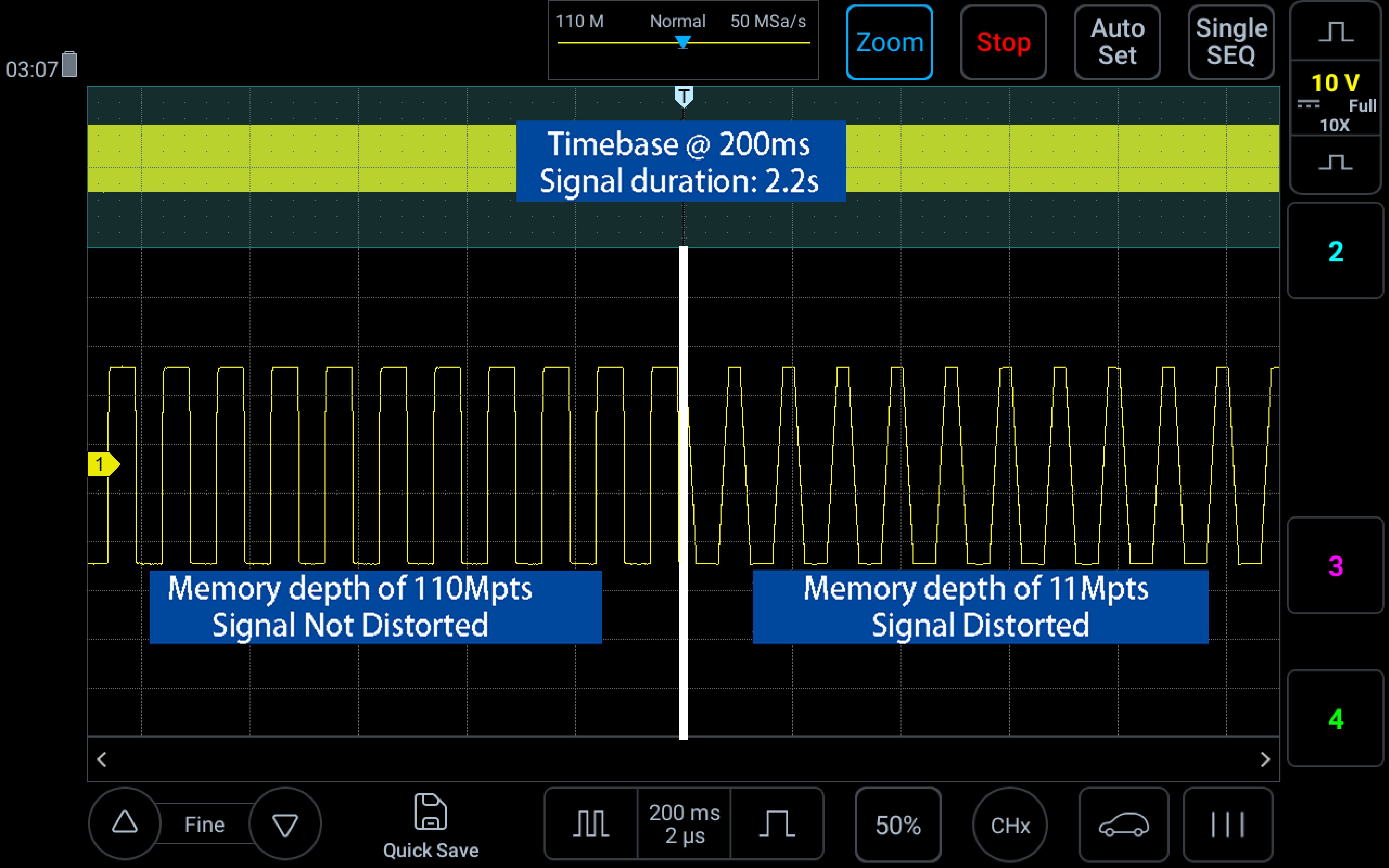
Fast data transfer is essential for saving long recordings and archiving waveform data. The USB 3.0 host interface on our platform enables high-speed connection to external storage devices. You can capture hours of data or transfer large files to a PC for detailed analysis. This is especially useful for outdoor vehicle testing and long-term monitoring of intermittent faults.
Type-C Charging Support
Portable field repair often takes place far from a mains power outlet. Our platform supports Type-C charging. You can power it from a standard USB-C power bank, a vehicle charger, or a laptop adapter. This flexibility is critical for mobile diagnostic solution applications. You can keep working even in remote locations. Combined with the instrument’s rugged design, Type-C charging makes it a practical choice for roadside assistance and field service engineers.
SCPI Remote Programming
Automated test benches and production environments require remote control. Our platform supports the SCPI command set. You can integrate the oscilloscope into larger test systems and automate measurements. This feature benefits general purpose electronics labs and automotive component manufacturers. They need consistent, repeatable testing procedures.
Practical Applications in Automotive Signal Diagnosis
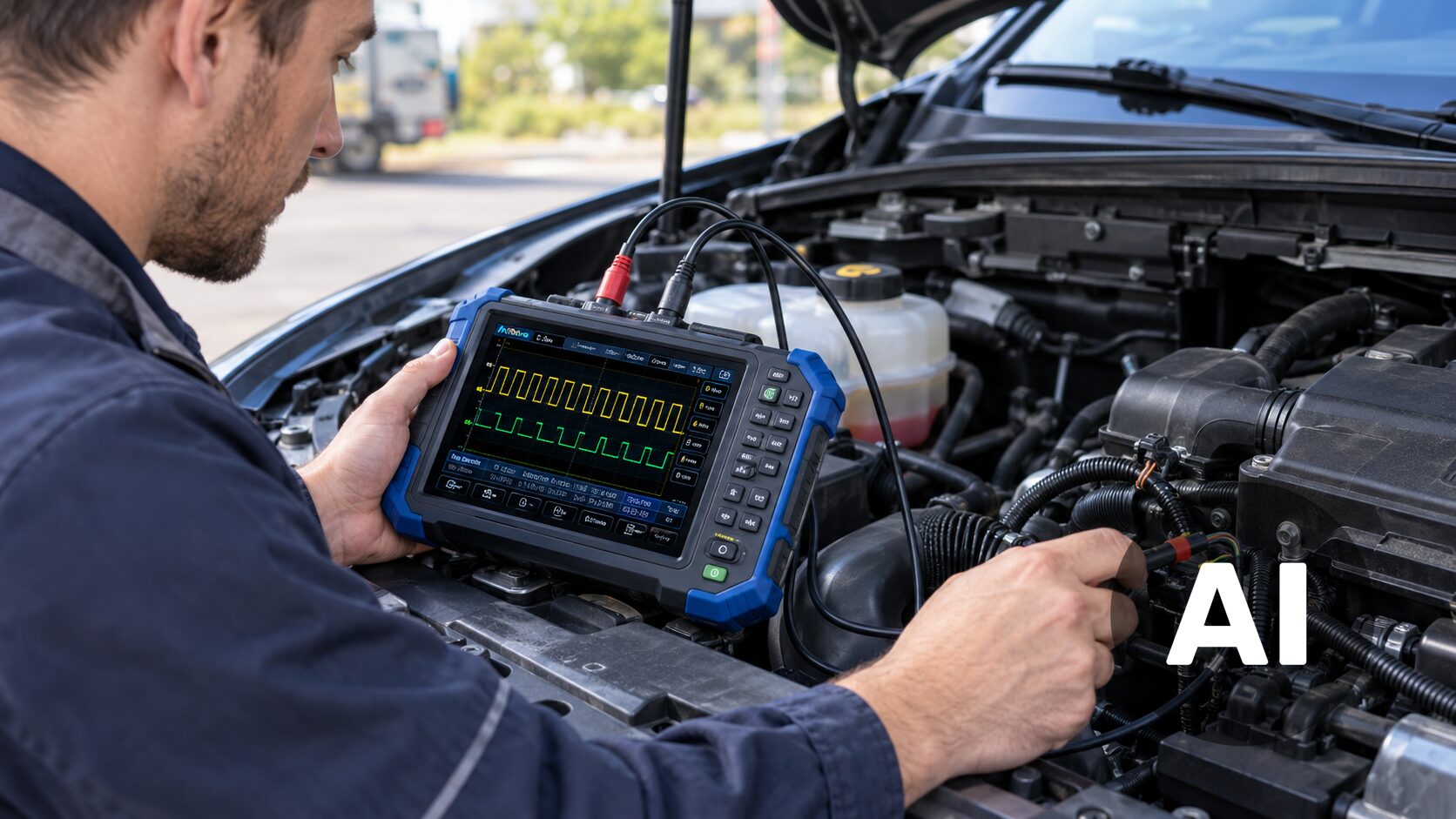
With the core features established, examine how a general purpose oscilloscope with these capabilities performs in real-world automotive diagnosis. The following scenarios represent common tasks for European vehicle technicians. They highlight the value of one instrument that handles both waveform analysis and precise numerical measurement.
Engine System Testing and Ignition Analysis
Ignition system analysis requires capturing the primary and secondary waveforms of ignition coils. These signals have very fast rise times and high voltage peaks. High-resolution capture is essential. Our platform lets you observe spark duration, coil oscillation, and misfire conditions with clarity. The isolated inputs protect the instrument from high-voltage transients. Advanced triggering helps you capture a single misfire event even when it occurs intermittently.
Fuel Injector Waveform Testing
Fuel injector waveforms provide valuable information about injector opening time, current ramp, and pintle movement. A high-resolution automotive oscilloscope can reveal subtle differences between a healthy injector and one that is clogged or failing. With fast waveform capture and precise triggering, our platform makes it easy to compare injector waveforms across cylinders. You can identify the root cause of rough running or misfires.
Automotive Sensor and Actuator Testing
Sensor testing covers a wide range of components. Examples include throttle position sensors, wheel speed sensors, and oxygen sensors. Many of these sensors produce analog signals. You must check them for noise, dropouts, or incorrect scaling. Actuator testing involves driving a component and measuring its response. For example, you can verify that an EGR valve moves correctly when commanded. You can also check that its position feedback signal matches. Our platform’s built-in DMM and frequency counter allow you to verify supply voltage, signal continuity, and response time simultaneously. This makes automotive sensor testing and automotive actuator testing more efficient.
Charging Circuit Measurement and Starting Current Testing
Battery and charging system diagnosis is a daily task in many workshops. Starting current testing measures the current drawn by the starter motor during cranking. It can reveal a weak battery or high resistance in the starter circuit. Charging circuit measurement verifies that the alternator produces the correct voltage. It also checks that ripple stays within acceptable limits. Our platform’s accurate DC measurement and current probe support make these tests straightforward. The built-in DMM provides precise numerical readouts for pass/fail decisions.
Electric Vehicle Diagnostics and New Energy Vehicle Diagnosis
The rise of electric vehicles introduces new challenges. These include high-voltage battery systems, inverters, and complex control networks. Electric vehicle diagnostics require an oscilloscope with high common-mode rejection and isolated inputs. You also need accurate DC bus voltage measurement. Our platform meets these requirements. It suits new energy vehicle diagnosis. The integrated DMM with 4.5/6-digit accuracy is particularly valuable for verifying high-voltage DC measurements. The HDMI output lets you display waveforms to a wider audience during training or customer briefings.
Pressure Waveform Analysis
Modern engine management systems rely on pressure sensors for intake manifold, fuel rail, and exhaust gas pressure. Pressure waveform analysis involves capturing the analog output of these sensors. You then compare it to expected patterns. The oscilloscope’s high resolution and flexible triggering let you detect small pressure fluctuations. These indicate leaks, clogged filters, or failing sensors. This type of analysis is particularly useful for diagnosing turbocharger issues and emissions-related faults.
Technical Performance Summary
Here is a summary of the key performance parameters that define our platform’s suitability. It serves both general purpose oscilloscope use and automotive signal diagnosis. These specifications meet the expectations of European engineering environments. Precision, reliability, and compliance with international standards are non-negotiable there.
- Vertical Resolution – Up to 12-bit high-resolution mode for fine waveform detail and accurate small-signal analysis.
- Bandwidth and Sample Rate – Sufficient for automotive sensor and actuator signals. Fast waveform capture catches intermittent faults.
- Built-in Digital Multimeter – 4.5/6-digit accuracy for DC voltage, AC voltage, resistance, and current measurements. Integrated into the oscilloscope interface.
- Hardware Frequency Counter – Direct frequency measurement for rotational speed and PWM signals. Works up to several hundred MHz.
- Bus Decoding – Hardware-based decoding for CAN, CAN FD, LIN, and FlexRay. Includes trigger and search capabilities.
- Display and Connectivity – HDMI output for external monitors, USB 3.0 host for data export, and Type-C charging for mobile use.
- Remote Control – SCPI command set for automated testing and integration into larger systems.
These specifications are not just numbers. They translate directly into faster diagnosis, more accurate measurements, and greater flexibility in the field. The high vertical resolution lets you see the small voltage dip caused by a worn injector. The built-in DMM lets you verify supply voltage without moving probes. The HDMI output is invaluable when presenting a waveform to a customer. The USB 3.0 host port enables you to archive long recordings for warranty claims or training purposes.
Conclusion: One Platform for General Purpose and Automotive Testing
In summary, a general purpose oscilloscope can indeed serve automotive signal diagnosis. It needs the right capabilities. The classic oscilloscope definition and the question of “what is the oscilloscope used for” both lead to the same conclusion. The instrument must adapt to the application. Modern vehicles demand high-resolution capture, multi-protocol decoding, accurate DC measurement, and portability. Our platform delivers all of these in a single unit. It bridges the gap between general electronics and automotive diagnostics without compromise.
You may work on internal combustion engine testing, electric vehicle diagnostics, or outdoor vehicle testing. The right oscilloscope can significantly reduce the time required for vehicle fault troubleshooting. Choose an instrument that combines general purpose flexibility with automotive-specific performance. You ensure that your diagnostic capabilities keep pace with the rapidly evolving automotive industry. Contact us today to learn more about how our platform can support your engineering and field service needs.