

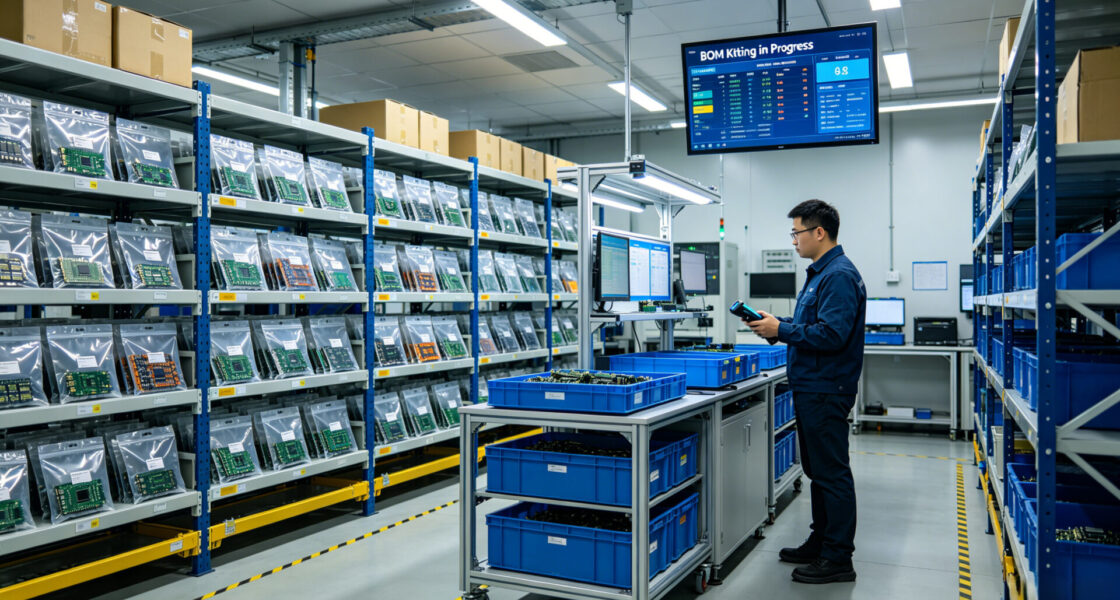
For system integrators, panel builders, OEMs, and procurement teams, production schedules can depend on the availability of a single critical component on the bill of materials (BOM). An item that appears to be available through a distributor portal may be subject to allocation or extended lead times when an order is placed. When several critical BOM components are constrained simultaneously, procurement can become a significant factor in production planning and delivery schedules.
TPS Elektronik’s PCB component procurement service, supported by its global sales partner network, is intended to address these sourcing challenges. By combining multi-regional sourcing, inventory access, component-level evaluation, incoming inspection, and documentation, TPS provides OEMs and EMS providers with a structured approach to sourcing constrained and hard-to-find electronic components.
1. Why PCB Component Procurement Affects Project Timelines
Electronic component availability remains uneven across device categories and regions. Certain automotive-grade microcontrollers, specialized isolation amplifiers, power management ICs, and other application-specific devices may be subject to allocation or extended lead times. For a system integrator building industrial control equipment, the unavailability of even one required IC can delay final assembly despite all other BOM items being available.
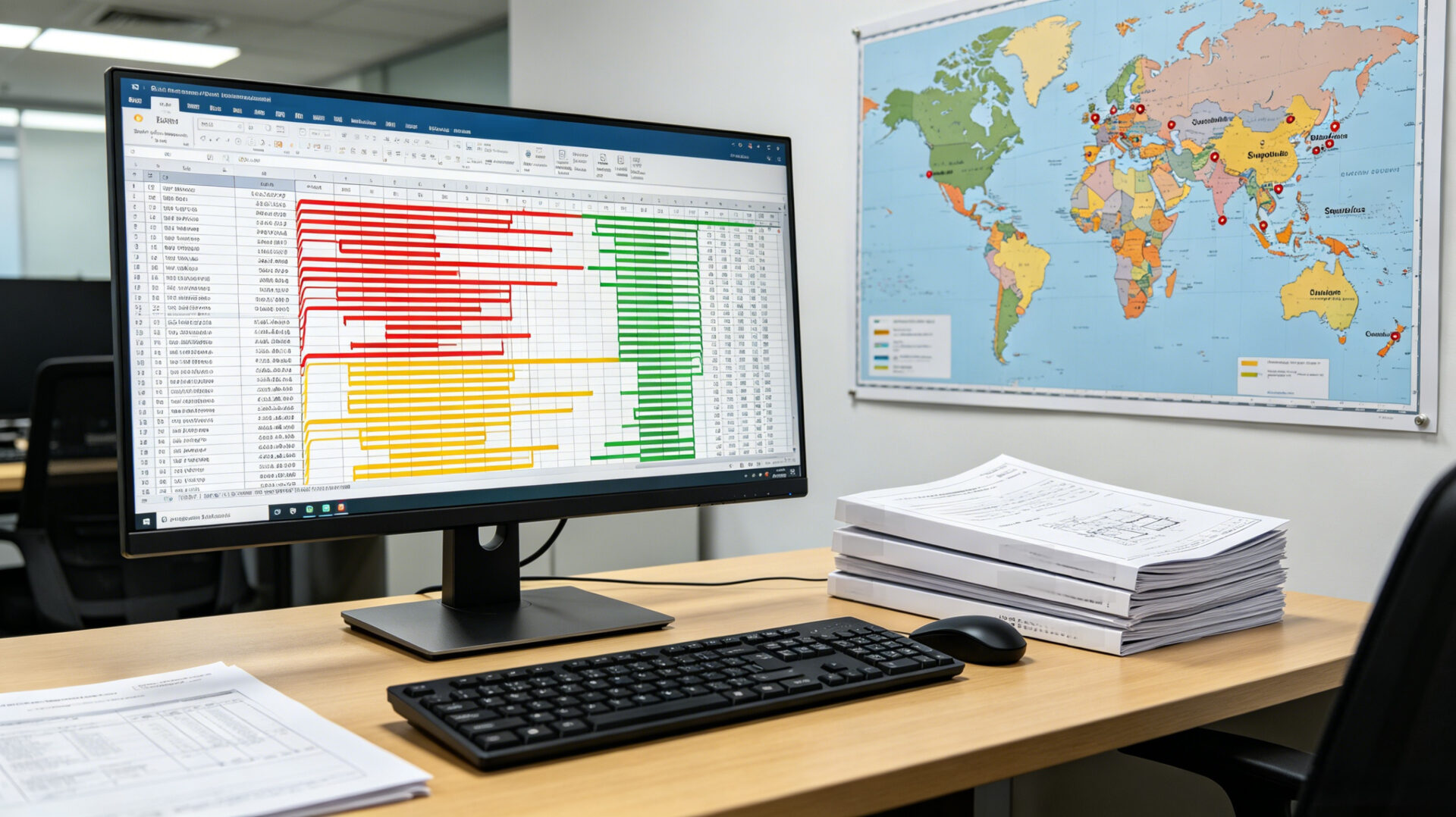
Under these conditions, PCB component procurement extends beyond transactional purchasing. Procurement teams must assess component availability, lifecycle status, lead times, sourcing options, and production requirements early enough to identify BOM lines that could become bottlenecks.
Shortages can also increase exposure to non-authorized or otherwise unfamiliar supply channels. When conventional sources cannot provide the required components, buyers may need to evaluate alternative sources, making traceability and component verification increasingly important.
TPS addresses these requirements through BOM shortage management for electronics, combining multi-regional sourcing with component-level evaluation, documented incoming inspection, allocation management, and supply-chain documentation. For a broader discussion of sourcing and supply-chain considerations, see TPS’s overview of supply chain optimization for electronics.
2. TPS Global Sales Partner Service: Beyond Component Distribution
TPS Elektronik combines Electronic Manufacturing Services (EMS) capabilities with a global sales and sourcing network. Rather than functioning solely as a catalog-based distribution channel, the service is structured around component sourcing, technical evaluation, inspection, and procurement support.
This approach addresses two closely related questions:
- How can constrained or hard-to-find components be sourced when conventional distribution channels have insufficient availability?
- How can components sourced through alternative channels be evaluated before they are released for use?
The TPS global sales partner network supports both aspects through multi-regional sourcing and documented component inspection. For an overview of the service model, see TPS as a global sales partner for electronics.
2.1 Shortage Sourcing and Allocation
When a critical BOM item, such as a specific isolated gate-driver IC, is unavailable through conventional distribution channels, TPS can initiate a multi-regional shortage sourcing process.
Component availability may differ significantly between markets. A device with limited availability in Europe, for example, may still be obtainable through supply channels or OEM excess inventory in Asia or North America. Multi-regional sourcing can therefore provide additional options for shortage component sourcing for PCB production when standard procurement routes are constrained.
Locating inventory is only part of the process. Where applicable, TPS can also support BOM component allocation by reserving identified stock against confirmed production requirements. This can help align component procurement with scheduled production and reduce exposure to changes in availability during the purchasing cycle.
For further information on TPS’s international sourcing and market-support activities, see global sales partnership for electronics in 2026.
2.2 BOM Risk Management and Alternate Sourcing
Effective BOM risk management requires more than responding to components that are already unavailable. Lifecycle status, lead times, source concentration, and alternate availability should be considered throughout the product lifecycle.
A technically functional BOM can still create procurement difficulties when a critical component is sole-sourced or becomes subject to allocation. Identifying these dependencies early gives engineering and procurement teams more time to evaluate possible alternatives.
Where suitable alternatives are available, TPS can propose potential Form, Fit, and Function (FFF) replacements for engineering review. Any alternate component must be evaluated and qualified for the specific application before implementation. Addressing alternate sourcing before a shortage becomes critical can give design teams more time for technical assessment, validation, and approval.
Integrating these alternatives into procurement and production planning can support a more resilient sourcing strategy and reduce dependence on reactive spot-market purchasing. For additional background, see TPS’s overview of supply chain optimization.
2.3 Counterfeit Mitigation and Quality Assurance
Component shortages can increase the need to source outside established procurement channels, which makes source evaluation, traceability, and incoming inspection particularly important.
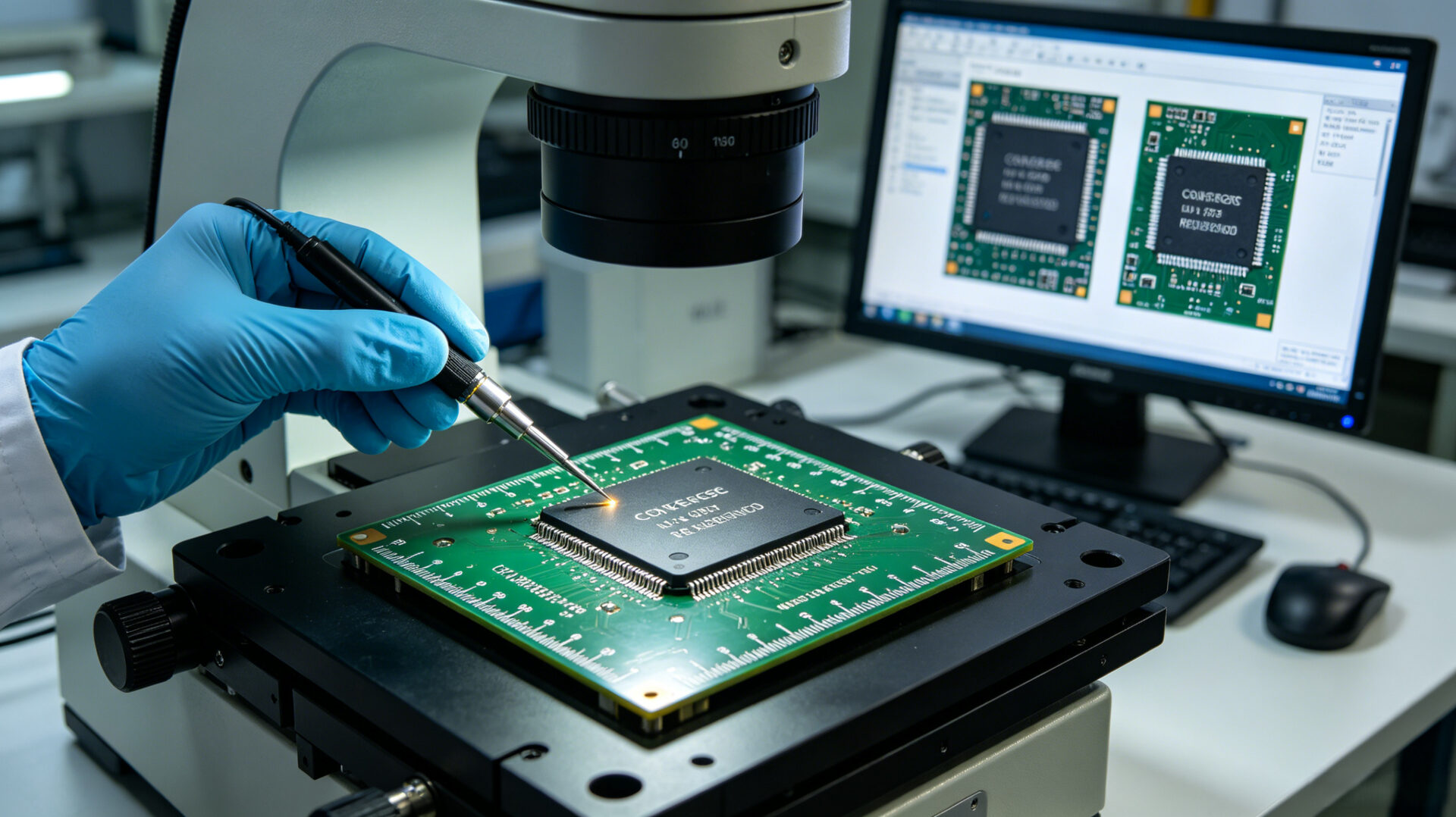
As part of its hard-to-find electronic components service, TPS takes physical possession of sourced components for incoming goods inspection rather than relying solely on supplier documentation. The documented inspection process includes checks such as visual inspection, marking permanency, and physical dimension verification.
These inspection activities are intended to support the identification of anomalies that may indicate suspect or non-conforming components. TPS applies inspection procedures aligned with relevant principles of the industry-recognized IDEA-STD-1010 standard for counterfeit component inspection.
Incoming inspection is one element of a broader component-quality process and should be considered together with supplier evaluation, traceability, documentation, and any project-specific verification requirements.
For additional information on TPS quality processes, see the quality assurance customer case.
3. Certifications, Documentation, and Compliance
For procurement in regulated or documentation-intensive applications, component traceability and conformity documentation can be as important as physical availability. Requirements vary by industry, application, customer, and component type and should therefore be defined at the RFQ stage.
Depending on the project and available supplier documentation, procurement requirements may include:
- Certificates of Conformance (CoC)
- traceability documentation
- material declarations
- RoHS and REACH information
- manufacturer and source documentation
- project-specific inspection records
Where a finished product is subject to a standard such as IEC 62368-1, component selection must be considered within the compliance requirements applicable to the complete equipment. IEC 62368-1 is a hazard-based safety standard covering audio/video, information and communication technology equipment. Component procurement and documentation can support the equipment-level conformity process, but component sourcing alone does not establish compliance of the finished product.
For further information on TPS’s approach to certification and quality control, see international standard computer security certification and metal testing and quality control for global electronics.
4. RFQ Checklist for Component Procurement
Providing complete sourcing information at the RFQ stage can accelerate availability checks and help distinguish acceptable sourcing options from technically or commercially unsuitable alternatives.
- Bill of Materials (BOM): Provide complete manufacturer part numbers, required quantities, and any already-approved alternates.
- Production schedule: Specify required delivery dates, production batches, and ramp-up requirements where relevant to allocation planning.
- Approved manufacturer list (AML): Identify restrictions concerning manufacturers, brands, production locations, or countries of origin.
- Alternate-component requirements: State whether Form, Fit, and Function alternatives may be proposed and what level of engineering approval is required.
- Compliance requirements: Define applicable certification, material declaration, RoHS, REACH, traceability, and Certificate of Conformance requirements.
- Inspection criteria: Specify required source verification, quality documentation, incoming inspection, or additional testing requirements.
- Volume expectations: Provide estimated annual or project volumes, particularly for constrained BOM lines where allocation may be relevant.
5. FAQ
How does TPS handle components with long lead times across authorized distribution channels?
TPS uses multi-regional sourcing to identify potential inventory in international markets and OEM excess-stock channels. Where technically suitable alternatives exist, TPS can also propose Form, Fit, and Function replacements for evaluation and qualification by the customer’s engineering team.
What safeguards does TPS use when sourcing hard-to-find components?
TPS takes physical possession of sourced components for documented incoming inspection. Depending on the sourcing route and project requirements, verification can include visual inspection, marking checks, dimensional inspection, source documentation, and traceability review. TPS applies inspection procedures aligned with relevant principles of IDEA-STD-1010.
Can TPS support a single constrained component, or only complete BOM procurement?
TPS can support both individual constrained line items and complete BOM procurement. The scope can be adapted to the availability profile, quantities, documentation requirements, and production schedule of the project.
What documentation is available for procured components?
Documentation may include Certificates of Conformance, material declarations, traceability records, and other compliance information, depending on the component, source, supplier documentation, and project requirements. Required documentation should be specified during the RFQ process.
Can TPS propose alternate components for unavailable BOM items?
Where appropriate alternatives can be identified, TPS can propose potential Form, Fit, and Function replacements for engineering review. Qualification and approval remain application-specific and should be completed before an alternate is released for production.
Where can I learn more about TPS’s global procurement and sales capabilities?
Visit the TPS global sales partner service page, or read more about global sales partnership and supply chain optimization.
Component Procurement Support for Constrained BOMs
For projects affected by constrained, allocated, or hard-to-find electronic components, TPS Elektronik can support sourcing, component evaluation, incoming inspection, documentation, and procurement planning according to the requirements of the project.