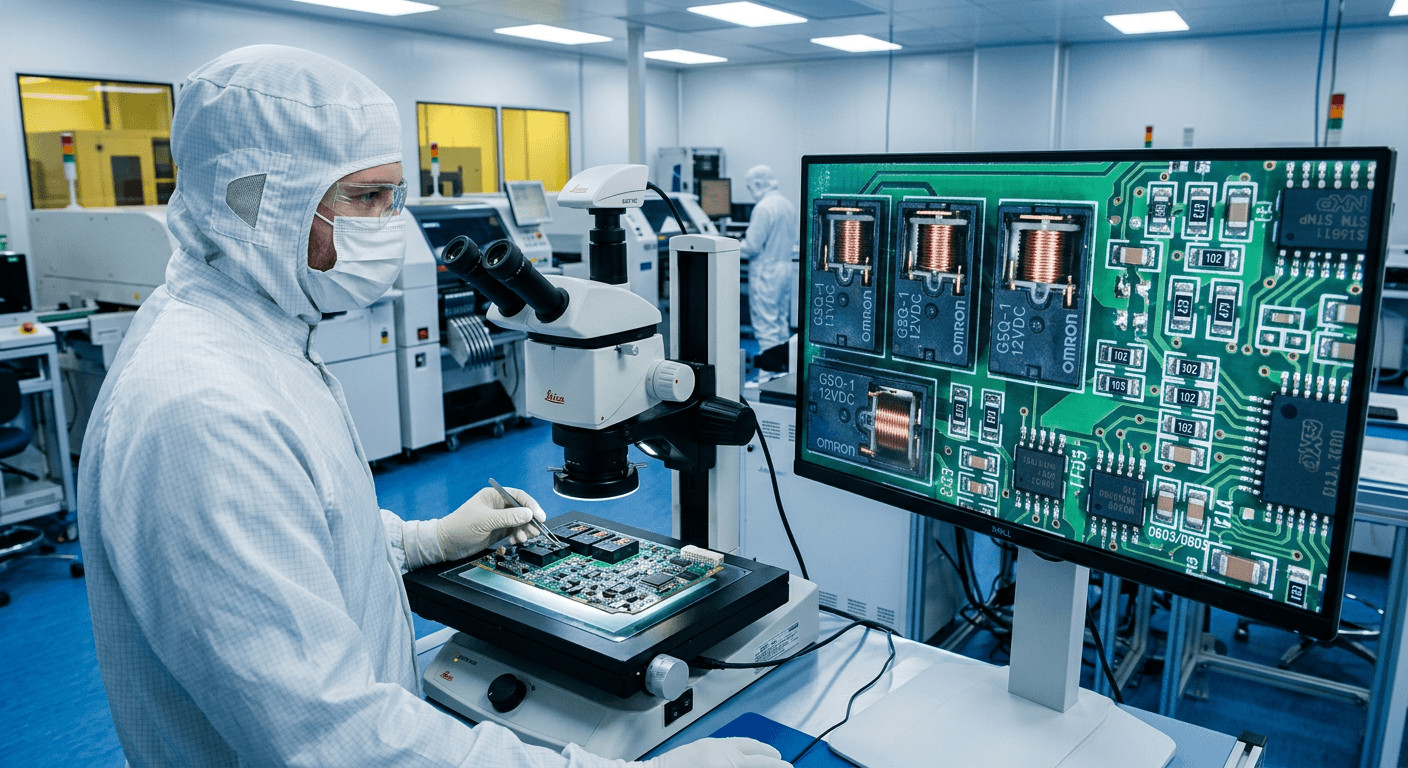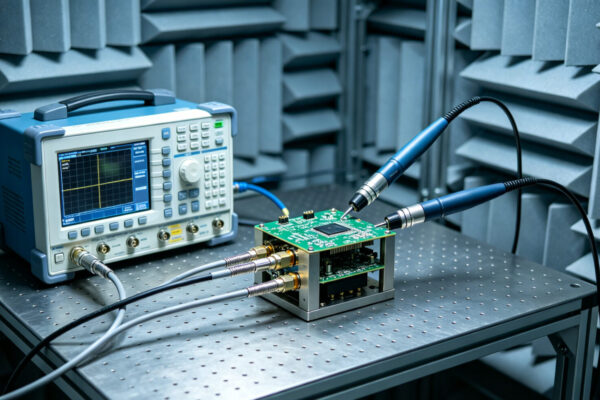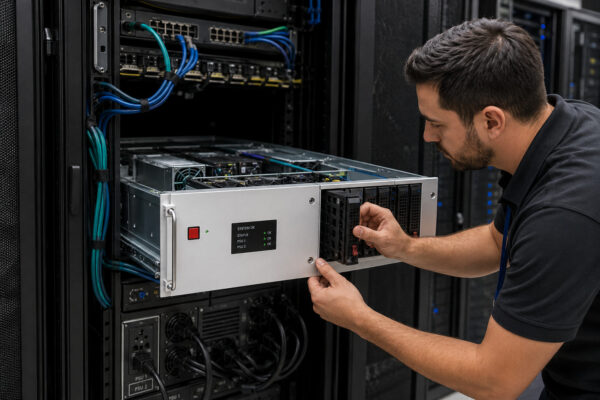


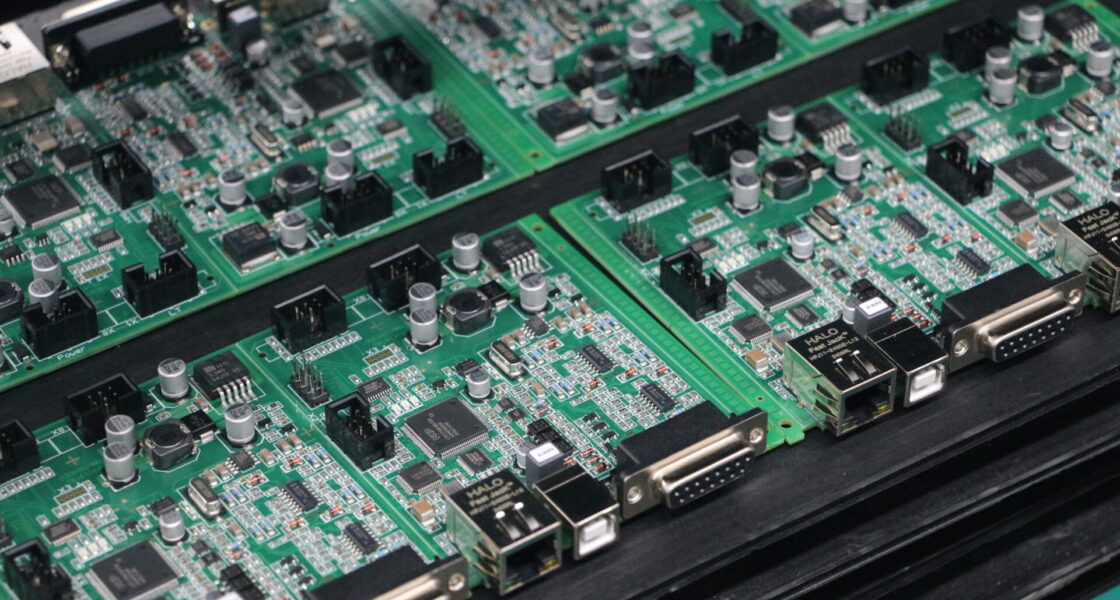
For system integrators, panel builders, and procurement teams, the reliability of an end product hinges entirely on the quality of its foundation: the printed circuit board (PCB). A flawed component selection or a mismanaged bill of materials (BOM) doesn’t just cause a single board to fail; it leads to systemic field failures, costly recalls, and delayed market entries. Understanding the intricacies of circuit board components—from passive resistors to complex active microcontrollers and robust electromechanical relays—is critical for ensuring long-term performance in industrial and automotive applications. TPS Elektronik’s comprehensive Electronic Manufacturing Services (EMS) are designed to mitigate these risks, offering end-to-end support from component sourcing to high-precision assembly and testing.
1. Why PCB component selection dictates project success
In the realm of electronic manufacturing, the PCB component selection guide is more than just a technical manual; it is a risk management tool. Choosing the right types of circuit board components impacts thermal management, electromagnetic compatibility (EMC), and overall lifecycle costs. When procurement teams source sub-standard parts to cut initial costs, they often face higher failure rates during the assembly and testing phases.
At TPS Elektronik, our EMS approach integrates component engineering early in the design phase. By leveraging our global supply chain network, we ensure that every part on your BOM meets stringent industrial standards, preventing counterfeit parts from entering your production line and ensuring seamless PCB assembly.
2. Passive electronic components PCB: The foundational elements
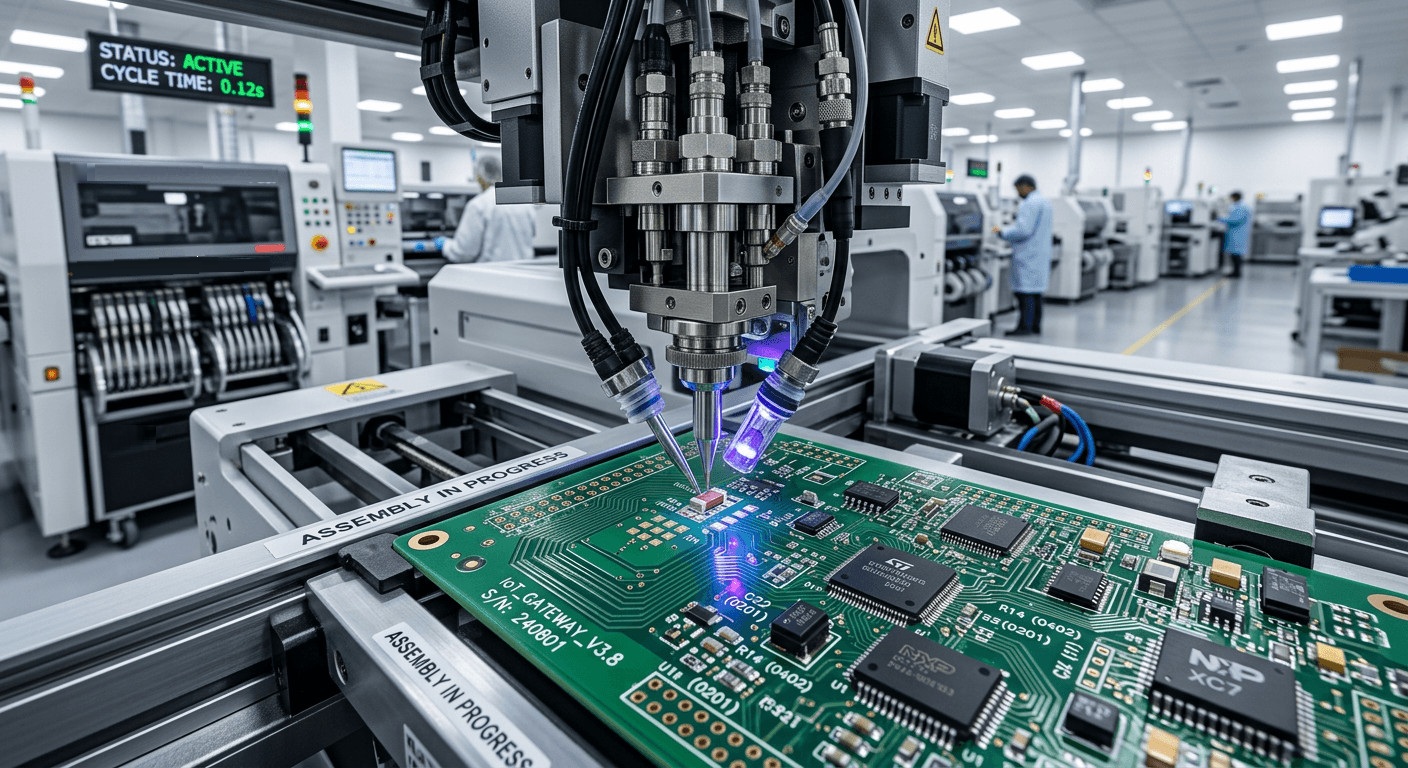
Passive electronic components PCB do not generate power or amplify signals; instead, they dissipate, store, or release energy. They are the most abundant circuit board parts on any assembly.
- Resistors: Used to control current flow and divide voltages. In industrial applications, precision thin-film resistors are preferred for their low temperature coefficients.
- Capacitors: Essential for filtering noise, smoothing power supplies, and storing charge. Ceramic capacitors (MLCCs) are ubiquitous in SMD circuit board components, while electrolytic capacitors handle bulk energy storage.
- Inductors and Transformers: Crucial for power electronics and RF circuits. They store energy in magnetic fields and are vital for filtering out high-frequency EMI.
Proper placement of these passive elements is critical for signal integrity, a process we perfect during our SMD and THT assembly operations.
3. Active components circuit board: The brains and amplifiers
Unlike passives, an active components circuit board relies on an external power source to alter signals, amplify power, or process data. These are the core drivers of modern electronics.
- Integrated Circuits (ICs): Microcontrollers, FPGAs, and memory chips act as the brain of the system. Their selection dictates the processing power and software architecture of the device.
- Transistors (MOSFETs, IGBTs): Used for switching and amplification. In power supplies and motor drives, selecting the right transistor is critical for thermal efficiency.
- Diodes: Allow current to flow in only one direction, essential for power rectification and overvoltage protection.
Handling active components requires strict ESD (Electrostatic Discharge) protocols and precise thermal profiling during the reflow soldering process, standards strictly adhered to in TPS Elektronik’s complete EMS facilities.
4. Electromechanical components PCB: Bridging the physical and electrical
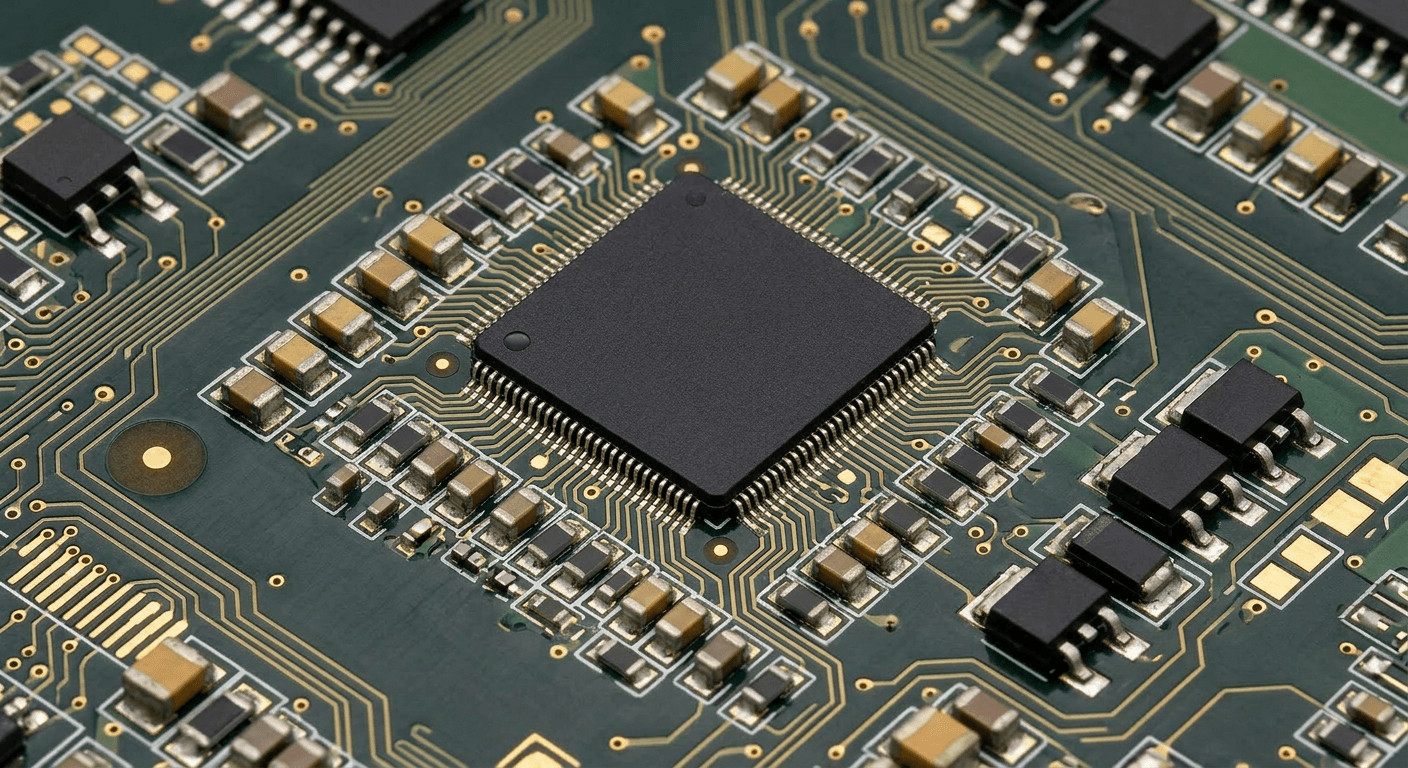
Electromechanical components PCB are where the electronic system interacts with the physical world. These components are often the most vulnerable to mechanical wear and environmental degradation.
- Relays: Electrically operated switches used to control high-power circuits with low-power signals.
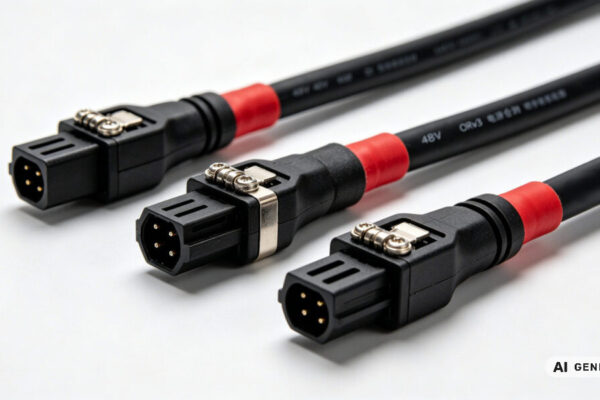
- Connectors and Terminals: Vital for interfacing the PCB with external sensors, power sources, and other boards. Industrial environments demand ruggedized, gold-plated connectors to prevent oxidation.
- Switches: Tactile, DIP, and rotary switches that allow user input.
Because these parts are often bulky, they frequently require Through-Hole Technology (THT) assembly. TPS Elektronik utilizes advanced wave soldering and selective soldering techniques to ensure robust mechanical bonds for these critical parts.
5. SMD vs SMT components: Navigating package sizes
A common point of confusion in any PCB components identification guide is the difference between SMD and SMT. SMT (Surface Mount Technology) is the manufacturing process, while SMD (Surface Mount Device) refers to the actual electronic components for PCB.
Understanding SMD component package sizes is crucial for PCB layout. Sizes like 0402, 0603, and 0805 dictate the physical footprint of resistors and capacitors. As devices shrink, the industry pushes toward 0201 and even 01005 packages. Assembling these microscopic SMD circuit board components requires state-of-the-art optical inspection (AOI) and highly calibrated pick-and-place machines—capabilities that define TPS Elektronik’s advanced PCB assembly services.
6. Electronic component selection criteria for industrial use
When dealing with industrial circuit board components or automotive PCB component selection, standard commercial-grade parts are insufficient. Engineers must evaluate:
- Temperature Range: Automotive components must often withstand -40°C to +125°C (AEC-Q200 standard).
- Vibration and Shock: Components must be mechanically robust, often requiring underfill or conformal coating.
- Longevity and Obsolescence: Industrial products have lifecycles of 10+ years. Selecting parts with guaranteed long-term availability is a core part of our BOM management strategy.
For projects requiring high reliability, such as medical devices, our rapid prototyping and medical-grade assembly ensures compliance with strict regulatory standards like ISO 13485.