

System integrators and OEMs rarely fail because they lack a functional design. They lose time—and budget—when the mechanical assembly of dozens of small, individual brackets, fasteners, and mounting plates becomes a hidden bottleneck on the production floor. A leading manufacturer of industrial packaging machinery faced exactly this challenge with their new high‑speed cartoning module. The initial prototype required over 15 labor hours per unit just to assemble the frame and sensor mounting structure from a kit of 17 separate aluminum parts. The complexity of the assembly not only slowed throughput but also introduced potential points of misalignment and failure.
TPS Elektronik’s multi-axis aluminum CNC machining service brought in to solve this problem. By applying a design‑for‑manufacturing review and leveraging 5‑axis CNC technology, TPS successfully consolidated the 17‑part assembly into a single, monolithic, precision‑machined aluminum bracket. This case study details the collaboration and the manufacturing techniques that dramatically reduced assembly time. Which improved quality, and accelerated time‑to‑market.
1. The assembly time challenge
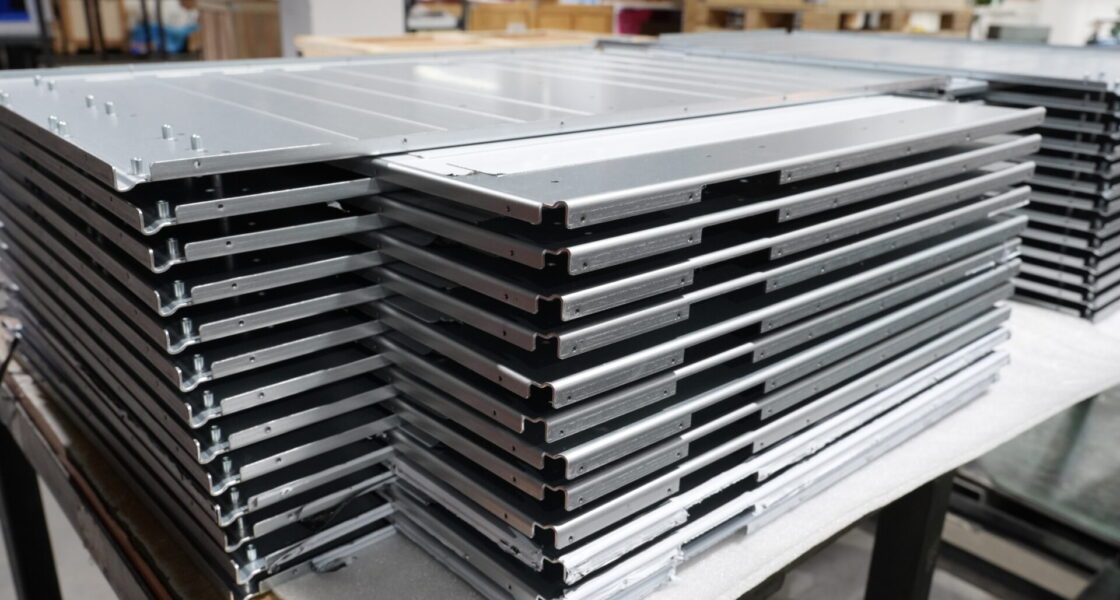
The packaging machine’s main sensor and actuator mounting frame originally designed as a bolted assembly of 17 individual components: laser‑cut brackets, threaded spacers, and adapter plates. Each part required manual alignment and tightening with calibrated torque wrenches. The documented assembly procedure, including quality checks, took over 16 hours per machine. Which creating a significant bottleneck during a critical ramp‑up phase. The design’s reliance on multiple fasteners also introduced the risk of loosening due to machine vibration, threatening long‑term reliability. The procurement team urgently needed a partner who could deliver a custom aluminum CNC machining service to consolidate these parts into a single, precision‑machined component without sacrificing functionality.
2. The TPS multi‑axis CNC integration solution
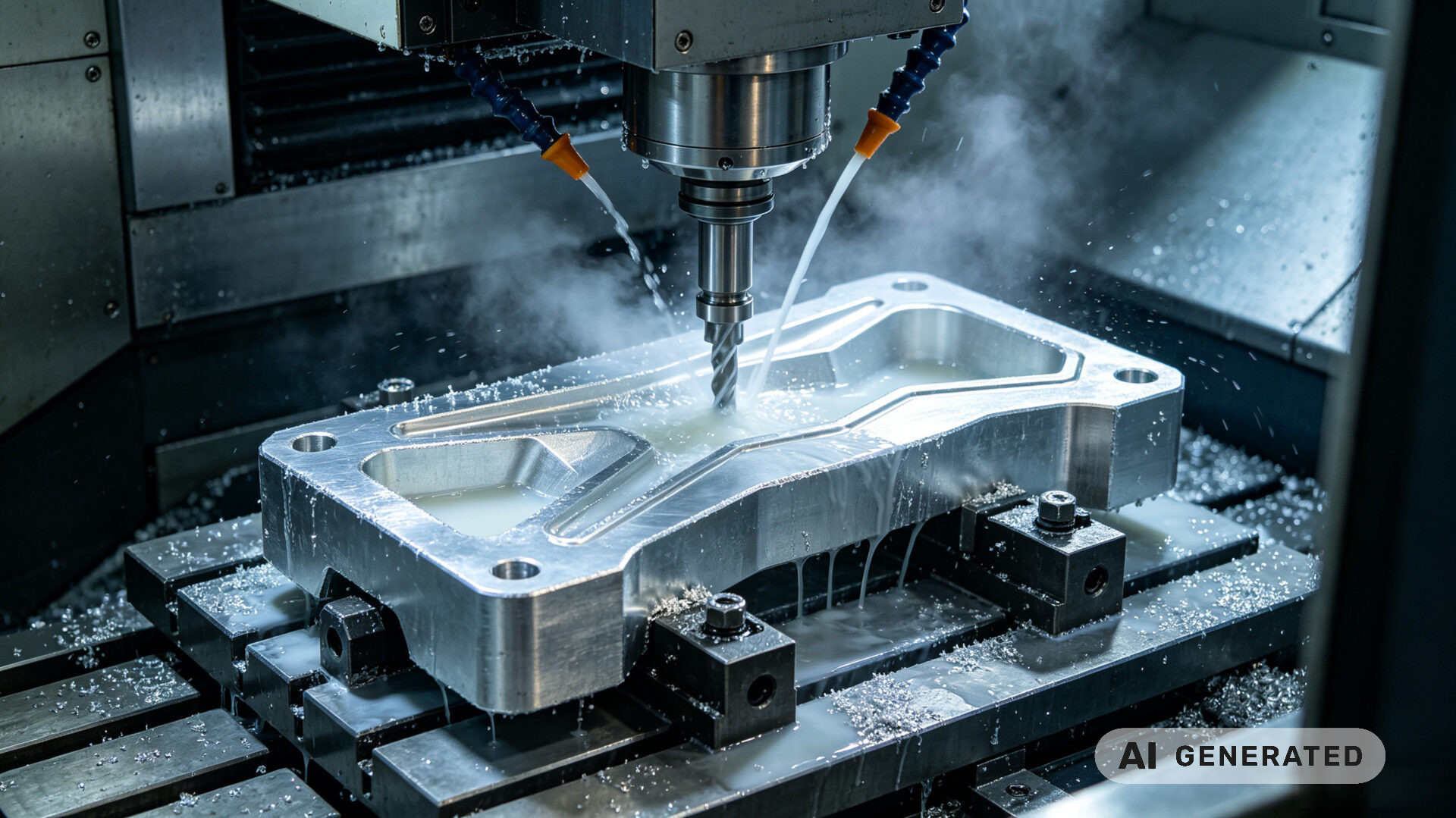
TPS proposed a complete redesign of the structure, leveraging its extensive experience in precision machining for integrated mechatronic systems. The solution was based on 5‑axis CNC machining of a solid billet of 6061‑T6 aluminum, a technique that allows complex geometries with undercuts and angled holes to produced in a single setup. This approach is a key capability detailed in our overview of types of milling machines and the discussion on top CNC milling machine options.
2.1 Design for integration: from 17 parts to one
The design process began with a detailed DFM review. TPS engineers worked closely with the customer to ensure that all critical mounting points, sensor targets, and cable routing channels from the original 17‑part assembly were accurately reproduced in a single, monolithic design. Internal 3D‑printed prototypes of the new part produced to validate the form and fit before committing to aluminum. The final design not only eliminated all 102 fasteners but also reduced the overall weight by 15 % and improved the structural stiffness, as described in our related service on precision machining from prototype to production.
2.2 Precision 5‑axis machining and material selection
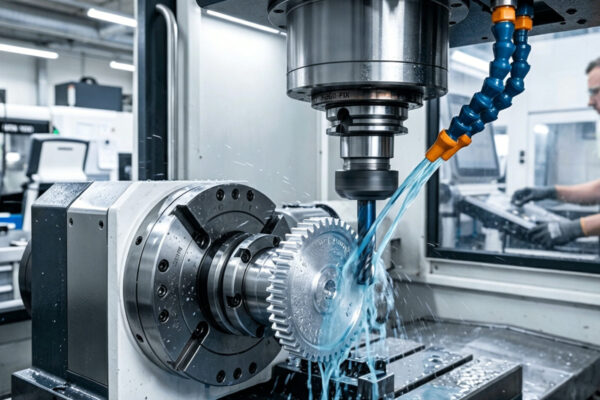
The monolithic bracket machined from a single billet of aircraft‑grade 6061‑T6 aluminum, chosen for its excellent strength‑to‑weight ratio, corrosion resistance, and machinability. A 5‑axis CNC machining center used to access all five exposed faces of the part in a single setup. This eliminated the tolerance stack‑up that occurs when re‑fixturing a part for multiple 3‑axis operations. Which ensuring that every mounting hole, bearing seat, and sensor alignment feature was perfectly oriented. The entire machining cycle completed in a fraction of the time previously required to assemble the multi‑part structure. The high‑speed machining strategies and tooling employed further detailed in our overview of EMS CNC milling for electronics: DFM and fixture strategy.
3. Measurable results: reduced assembly time and cost
The switch to the monolithic TPS‑machined bracket delivered immediate, quantifiable benefits. The total assembly time for the frame slashed from over 16 hours to just 2 hours, representing an 87 % reduction in direct labor per unit. This allowed the customer to double their daily production output without hiring additional assembly technicians. Furthermore, the elimination of 102 fasteners and the associated manual alignment steps reduced the direct material cost per unit by 18 %. The CMM inspection report provided with each bracket guaranteed its dimensional accuracy, eliminating the need for post‑assembly adjustment and rework. This success story perfectly illustrates the value of integrating precision CNC machining with a holistic understanding of the final assembly process.
4. RFQ checklist for integrated aluminum brackets
- CAD models: 3D STEP files of the desired monolithic design, or the original assembly for TPS to propose an integrated DFM solution.
- Material specification: Alloy preference (e.g., 6061‑T6), surface finish (anodizing, chem‑film), and any required material certifications.
- Functional requirements: Tapped hole sizes, critical flatness requirements, and any press‑fit inserts.
- Quantities and schedule: Prototype, pilot, and series production volumes.
- Inspection requirements: CMM reporting and PPAP documentation if applicable.
5. FAQ
What is the main advantage of using a monolithic machined bracket over an assembly?
It eliminates tolerance stack‑up, drastically reduces assembly labor, and improves structural rigidity by removing bolted joints. Which resulting in a more reliable and cost‑effective final product.
How many parts can typically be consolidated into a single CNC bracket?
There is no fixed limit, but assemblies containing anywhere from a few parts to over 20 individual components can often be consolidated into a single, optimized monolith.
Can TPS handle the necessary post‑machining surface finishing?
Yes, TPS provides a full range of surface finishes, including anodizing (clear, black, or colored) and chromate conversion coating, all managed as an integrated service.
Where can I learn more about TPS’s broader machining capabilities?
Visit our overview on precision CNC machining for high accuracy or the dedicated PCB assembly service page.