

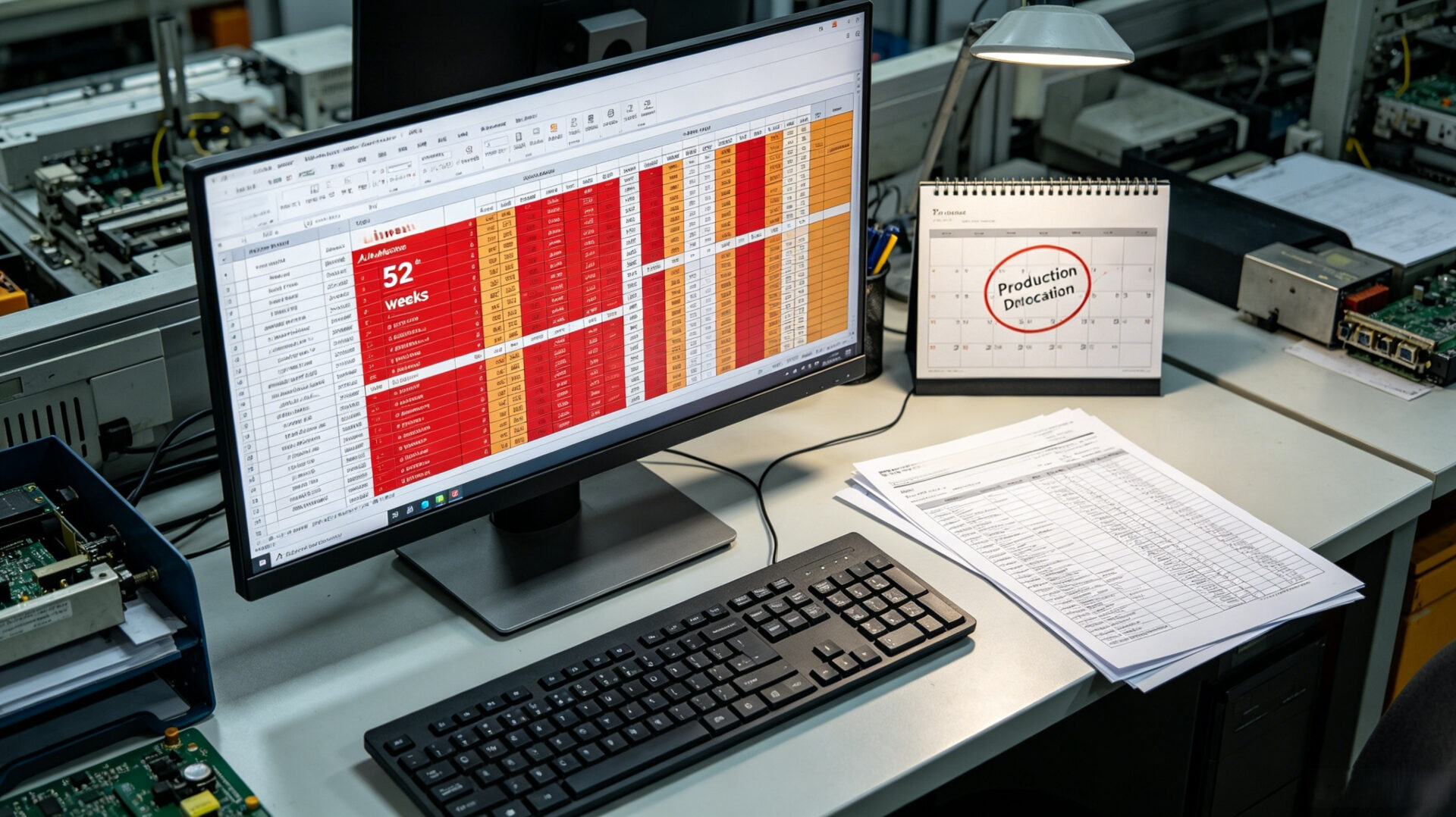
System integrators and panel builders rarely fail because they lack a capable product design. They lose time—and budget—when a single, seemingly innocuous component on the bill of materials becomes unobtainable overnight, grinding an entire production line to a halt. A few months ago, a manufacturer of industrial automation controllers faced exactly this scenario. Their flagship PLC design relied on a specific 32‑bit automotive‑grade microcontroller. When their main distributor suddenly placed the part on allocation, the quoted lead time was 52 weeks. With no immediate alternate and customer orders queued, the production line facing a forced stoppage that would have cost millions in lost revenue.
TPS Elektronik’s component procurement service brought in to resolve the crisis. By leveraging its global sales partner network and rigorous component verification capabilities, TPS not only sourced the constrained MCU but also established a buffer stock and alternate source strategy to prevent the problem from recurring. This case study describes how a bespoke. Which engineering‑backed procurement approach can turn a critical shortage from a production catastrophe into a managed, solvable challenge.
1. The critical shortage challenge
The manufacturer’s procurement team had exhausted every traditional channel. The microcontroller was a sole‑sourced device, critical to the product’s core function, and had no immediate drop‑in replacement. Attempts to purchase from independent brokers were met with offers of suspect or unverifiable stock. With a firm commitment to deliver finished panels within eight weeks, the risk of a complete production line shutdown was imminent. This situation perfectly illustrates why a standard procurement model fails during a component shortage solution procurement crisis: distributors manage logistics, but they do not manage risk.
2. The TPS solution: global allocation and verification
TPS Elektronik was engaged not just as a component reseller, but as an EMS partner with a global sales infrastructure. The immediate objective was threefold: locate authentic stock of the constrained MCU, secure it for the client’s production schedule, and establish a long‑term mitigation strategy. This proactive framework aligns with the comprehensive approach described in TPS’s electronic design services and supply chain solutions overview.
2.1 Global shortage sourcing
Using its multi‑regional network, TPS’s hard to find electronic parts team identified verified stock of the exact microcontroller in an OEM’s excess inventory in Asia. Because TPS operates as a global sales partner rather than a broker, it was able to secure this allocation against a firm production commitment, bridging the supply gap.
2.2 BOM risk mitigation and alternate qualification
While the immediate stock being routed to the production line, TPS’s engineering team began a parallel BOM shortage mitigation electronics process. They identified a pin‑compatible microcontroller from a different manufacturer and provided the client’s design team with the necessary comparison data to qualify the alternate firmware. This cross‑qualification is a hallmark of complete electronic design services. Which ensuring that future shortages would not threaten production continuity.
2.3 Counterfeit mitigation and incoming inspection
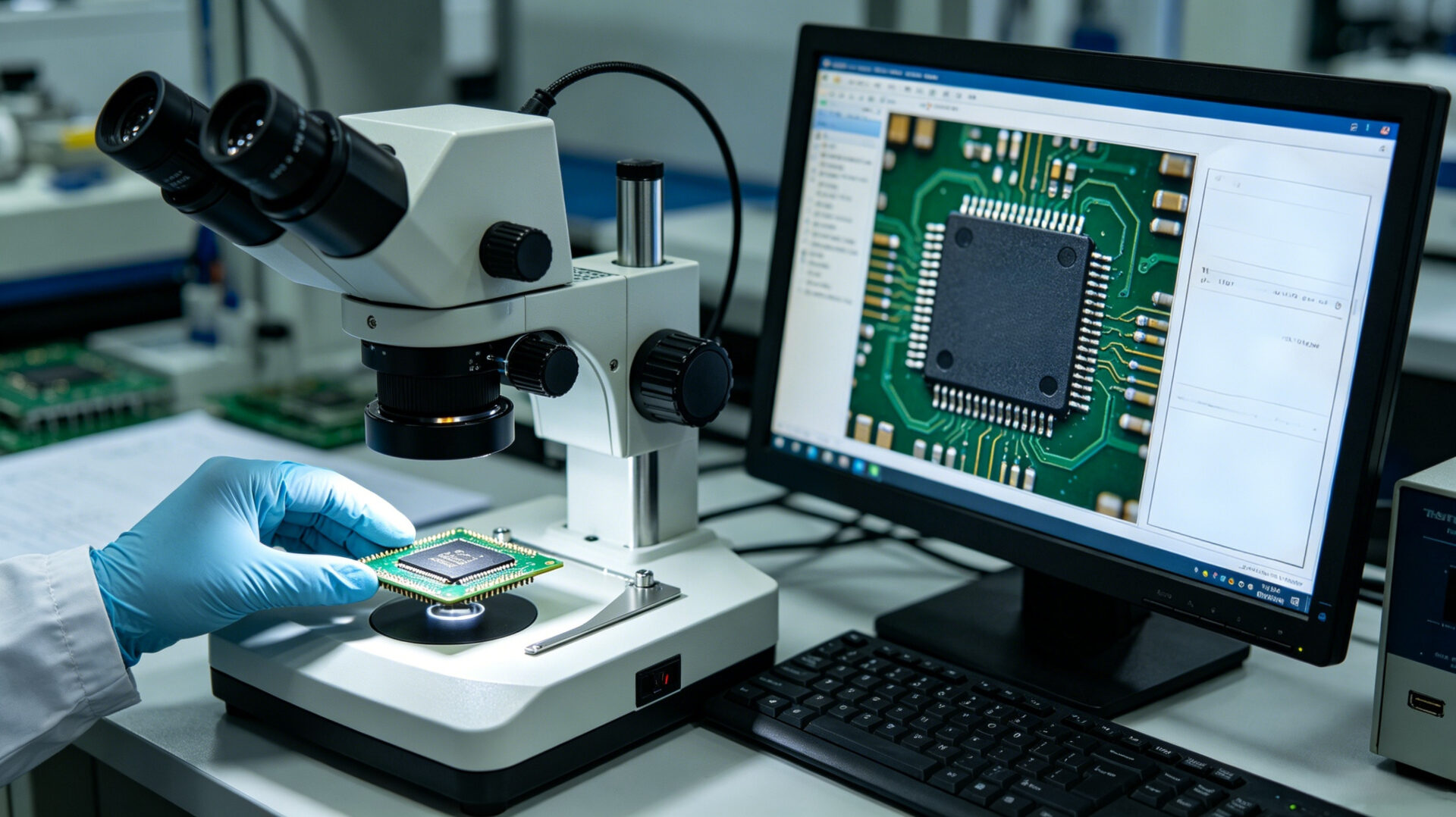
Procuring from the open market carries inherent counterfeit risks. To neutralize this threat, all sourced components, including the allocated MCUs, routed through TPS’s incoming goods inspection facility before being released for production. This verification process, aligned with industry best practices for production line stoppage prevention, physically confirmed the authenticity and integrity of every component. The value of this rigorous inspection is detailed in TPS’s case study on improving production efficiency with incoming inspection.
3. Measurable results and procurement impact
The result of this integrated component shortage recovery service was clear. The production line maintained without a single shift of stoppage. The original MCU secured and delivered within three weeks, while an alternate device was fully qualified for future builds. Additionally, a managed buffer stock of the original part established, transforming a catastrophic risk into a managed inventory strategy. This case exemplifies how TPS’s approach to supply gap bridging components moves beyond transactional sourcing. For more insights on how inventory management supports long‑term stability, see the TPS guide on inventory management for electronics.
4. RFQ checklist for component shortage recovery
- Urgent part identification: Full manufacturer part number(s) and required quantities.
- Production schedule: Immediate delivery requirements and long‑term usage forecasts.
- Acceptable condition: New, date code restrictions, or approved alternate brands.
- Quality verification: Required inspection documentation and counterfeit test reports.
- Commercials: Target budget and authorization for global sourcing.
5. FAQ
How fast can TPS respond to a critical component shortage?
Response time depends on the part’s availability in the global market. TPS’s procurement network can provide initial feedback on stock feasibility within hours of receiving a BOM and often secures critical allocations within days.
What if TPS cannot find a specific discontinued component?
If a part is fully obsolete and unavailable, TPS’s engineering team can assist with identifying and qualifying a functional alternate, helping to avoid a redesign.
Does TPS only source individual shortage parts, or can it manage a full production BOM?
TPS can manage a single constrained line item, a full production BOM, or any mix of parts, adapting its service to the immediate procurement need.
Where can I find more information about TPS’s broader procurement and inventory services?
Visit the TPS additional services page or explore our resources on incoming goods inspection and inventory control.