

Data center architects and system integrators rarely fail because they lack a server specification. They lose time—and competitive edge. When a single microsecond of latency added by a poorly managed cable or a stray electromagnetic field from a neighboring server rack causes a trading algorithm to miss a market window. In the world of high‑frequency trading (HFT), the physical infrastructure of the data center. The rack enclosure, its cabling pathways, and its electromagnetic shielding. That is as critical to financial performance as the silicon executing the trades.
TPS Elektronik’s 42u rack enclosure server cabinet, delivered through its integrated additional services. Which engineered specifically for the extreme demands of HFT environments. By combining precision‑fabricated steel construction with integrated EMI shielding, dedicated front‑to‑rear fiber and copper cable management. And modular accessory compatibility, TPS provides a foundational platform that minimizes latency. Which ensures signal integrity, and protects against electromagnetic interference.
1. Why physical infrastructure defines HFT performance
In HFT, latency measured in nanoseconds. A single meter of fiber optic cable introduces approximately 5 ns of propagation delay. A poorly managed bend in that same fiber can introduce additional dispersion and attenuation, degrading the signal and potentially increasing bit error rates that require retransmission—catastrophic for a time‑sensitive trading strategy. Similarly, high‑frequency electromagnetic interference (EMI) from adjacent servers, power supplies. And cooling equipment can couple into copper network cables, inducing noise that corrupts market data feeds or delays order execution signals.
An EMI shielded rack enclosure is the first line of defense against these physical‑layer threats. By creating a Faraday cage around the trading servers, the rack attenuates external radiated emissions and contains internally generated noise. Which ensuring that the network interfaces operate in a clean electromagnetic environment. Combined with meticulously planned structured 42u rack enclosure server cabinet pathways that minimize cable stress and optimize airflow, the physical rack becomes an active contributor to trading performance rather than a passive container. This integrated approach to physical infrastructure is a key element of the solutions described in TPS’s overview of comprehensive electronic design services.
2. TPS 42U rack enclosure server cabinet: engineered for low latency and EMI control
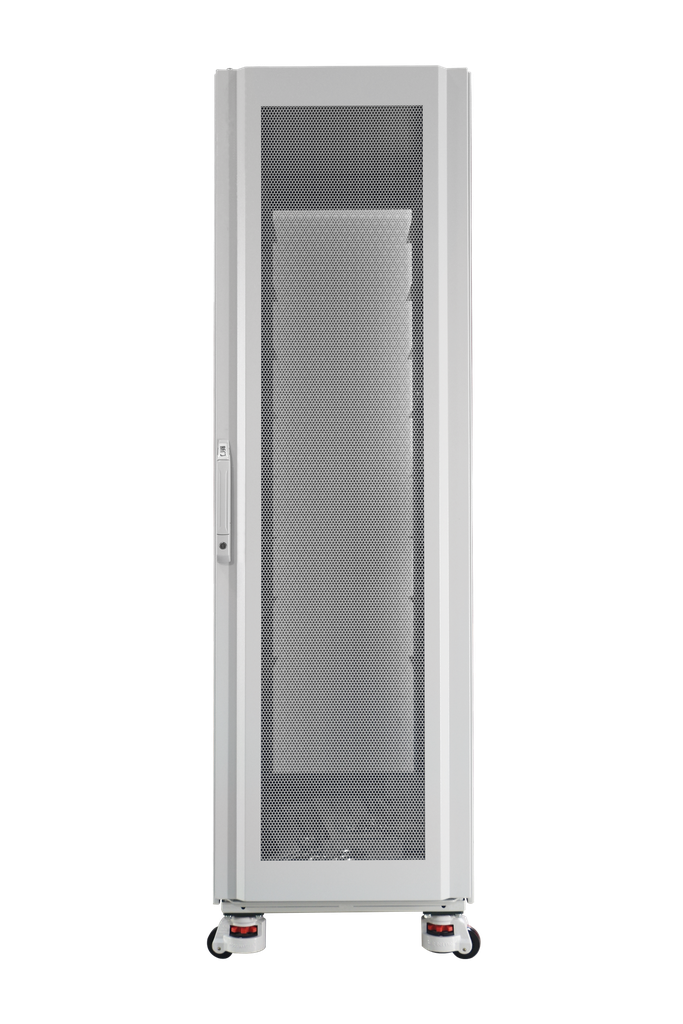
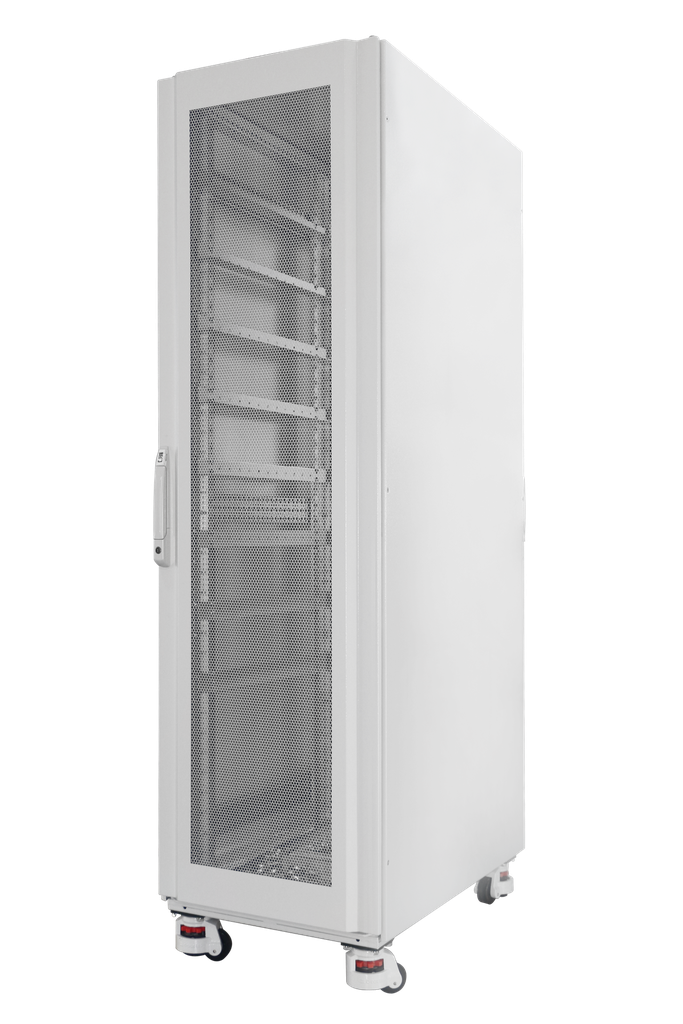
TPS’s 42U rack enclosure designed from the ground up as a precision tool for data center architects. The enclosure fabricated from heavy‑gauge steel with a powder‑coated finish in RAL 7035. Which providing both mechanical rigidity and a conductive surface for grounding and shielding continuity. The frame conforms to EIA‑310‑D and IEC 60297‑3‑100 standards for 19‑inch mounting. Which ensuring compatibility with all industry‑standard server rails, patch panels, and cable management accessories.
The enclosure delivered as part of TPS’s additional services. Which include custom engineering of cable entry points, integration of pre‑terminated fiber trunks, and installation of EMI shielding accessories. These services ensure that each rack purpose‑configured for its specific role in the trading infrastructure. Whether it houses core network switches, market data feed servers, or order execution gateways. For a broader view of how TPS manages integrated supply chains for such projects, see the resource on supply chain solutions for electronic design.
2.1 Structured cabling pathways for copper and fiber
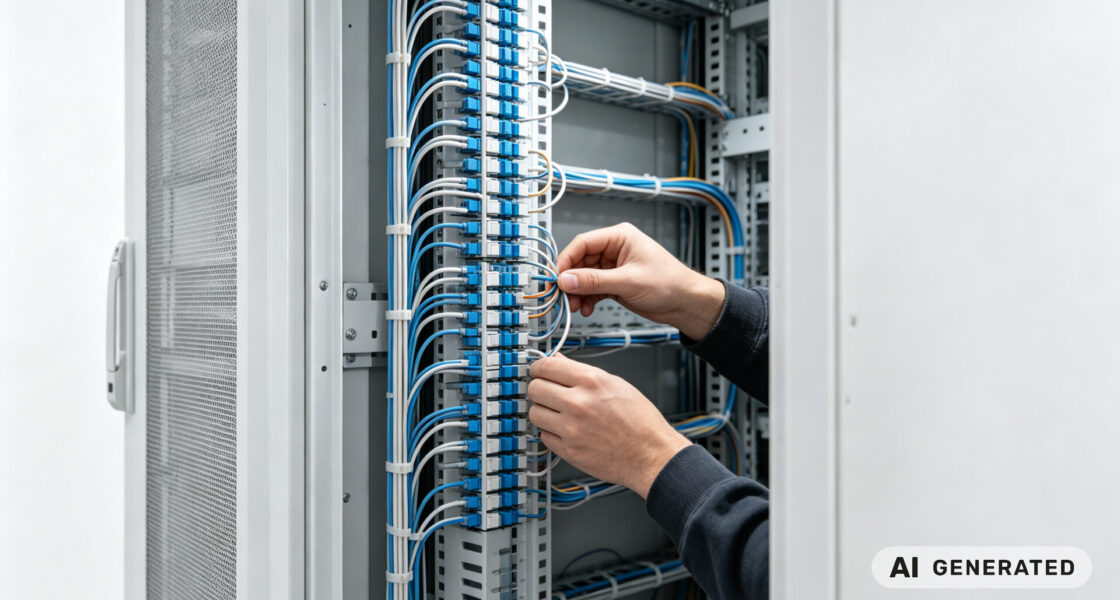
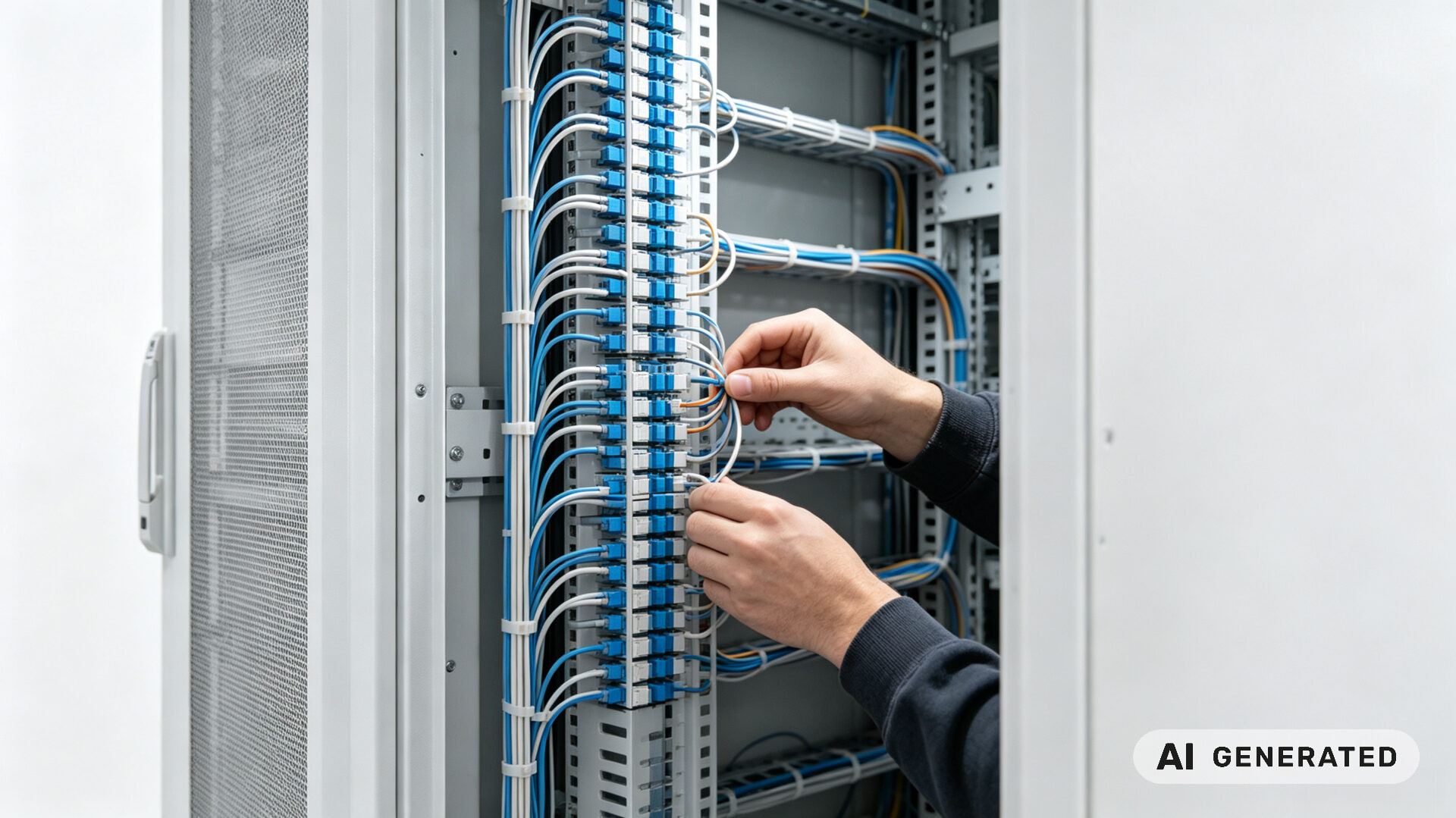
Latency is not only determined by cable length. It also affected by cable quality and routing. A tight bend radius in a single‑mode fiber can induce macro‑bend loss. Which attenuating the signal and degrading the signal‑to‑noise ratio at the receiver. TPS’s 42U enclosure incorporates dedicated vertical and horizontal cable management channels with bend‑radius control features, specifically designed to accommodate both high‑density fiber patch panels and Cat 6A copper trunks. Fiber cables routed in protective ducts with gentle sweep bends. While copper cables dressed using Velcro wraps into organized bundles that maintain proper separation from power cables.
This physical separation of copper and fiber, combined with the controlled routing ensures that the cabling itself does not become a source of latency variability. The modular design of the cable management system allows for easy reconfiguration as trading strategies evolve and new equipment deployed. This level of detail in physical infrastructure design is consistent with the quality processes described in TPS’s guide on improving production efficiency through incoming inspection.
2.2 EMI shielding and signal integrity
The TPS 42U enclosure achieves its shielding effectiveness through a combination of design features. All removable side panels, doors, and top and bottom covers fitted with continuous conductive gaskets. Which typically beryllium‑copper spring fingers or conductive elastomer strips—that create a low‑impedance electrical bond between the panel and the frame. The front and rear doors are available in both solid steel and perforated versions; for HFT applications, solid doors often preferred to maximize shielding, with perforated doors used only where forced‑air cooling is essential.
All cable entry points equipped with shielded cable glands or conductive brush strips that maintain the shielding envelope even where cables pass through. The rack frame itself connected to the facility’s single‑point grounding system via a dedicated ground bar. Which ensuring that all induced currents safely shunted to earth without circulating through sensitive equipment. This holistic approach to EMI shielding a core competency documented in TPS’s approach to incoming goods inspection and inventory control, which ensures that every component meets its shielding specification.
3. Compliance and shielding standards: IEC 61587‑3 and EMC
EMI shielding effectiveness is not a subjective claim. It is a quantifiable physical property tested against international standards. The TPS 42U enclosure designed to meet the shielding performance requirements of IEC 61587‑3. Which specifies the electromagnetic shielding performance of empty enclosures used in data centers and commercial buildings. This standard defines test methods for measuring the attenuation of radiated electromagnetic fields across a frequency range typically from 30 MHz to 1 GHz. Which precisely the spectrum where clock harmonics from servers and switches can interfere with sensitive network equipment.
For the European market, the enclosure supports compliance with the EMC Directive (2014/30/EU) by providing the physical shielding necessary for the installed equipment to meet the emission limits of EN 55032 (CISPR 32) and the immunity requirements of the IEC 61000‑4‑x series. TPS provides a Declaration of Conformity and shielding test reports with each enclosure shipment, supporting the data center operator’s own regulatory documentation.
4. Application scenarios: trading floors, colocation, and financial data centers
- Colocation facilities: In a colocation data center where multiple trading firms operate in close proximity, the TPS 42U enclosure provides both physical security and electromagnetic isolation. The shielded enclosure prevents a competitor’s equipment from interfering with your trading servers, and vice versa, ensuring compliance with the facility’s EMI regulations.
- Exchange co‑location: Servers located within an exchange’s own data center require the utmost in signal integrity. The TPS enclosure’s dedicated fiber management system ensures that every market data feed and order entry connection routed with minimal bending and maximal protection. Which preserving the picosecond‑level timing accuracy required for exchange co‑location.
- Proprietary trading firm data centers: For firms operating their own micro‑data centers, the TPS 42U enclosure integrates seamlessly with raised‑floor cooling and overhead cable trays, providing a standardized, repeatable platform that accelerates deployment and simplifies maintenance.
5. RFQ checklist for HFT rack enclosures
- Rack dimensions: Confirm 42U height, 600 mm or 800 mm width, and depth requirements (typically 1000 mm or 1200 mm).
- Shielding requirements: Target shielding attenuation (e.g., 40 dB at 1 GHz per IEC 61587‑3) and preferred door type (solid or perforated).
- Cable management: Required vertical and horizontal cable managers, fiber patch panel capacity, and copper trunk specifications.
- Accessories: Grounding bars, cable entry glands, and any custom cutouts for top‑of‑rack or bottom‑of‑rack cable entry.
- Certifications: IEC 61587‑3 shielding test report, CE Declaration of Conformity, and any regional requirements.
- Quantity and schedule: Number of enclosures and target deployment date.
6. FAQ
What is the shielding effectiveness of the TPS 42U enclosure?
The enclosure designed to meet the requirements of IEC 61587‑3. A test report with frequency‑domain attenuation data is provided with each shipment.
Can the enclosure accommodate both single‑mode and multi‑mode fiber?
Yes. The fiber management system is compatible with all standard connector types (LC, SC, MPO) and fiber categories (OS2, OM4, OM5).
Does the EMI shielding interfere with wireless communication inside the rack?
Yes. A shielded rack intentionally attenuates radio‑frequency signals. Wireless access points and IoT sensors should be placed outside the shielded enclosure.
Where can I learn more about TPS’s broader infrastructure and additional services?
Visit the TPS additional services page, or read about our inventory management capabilities and production efficiency optimization.