

System integrators, panel builders, and procurement teams rarely fail because they lack a circuit design. They lose time—and budget. When a precision‑machined electronic enclosure arrives from a general fabrication shop with the mounting holes for the PCB misaligned by half a millimeter, or a copper heat sink has insufficient flatness to make proper thermal contact with the power semiconductors. These mechanical failures cascade into electrical failures, causing overheating, EMC leakage, and costly field returns.
TPS Elektronik’s high precision CNC machining service eliminates these integration risks. By delivering tight‑tolerance aluminum and copper components specifically engineered for electronic enclosures, heat sinks, and RF cavities. And by integrating mechanical manufacturing with its core electronics expertise. TPS ensures that every machined part fits perfectly and performs its intended thermal or electromagnetic function. This service designed for OEMs who need more than just a machined part; they need a reliable, precision‑engineered component that integrates seamlessly into a complex electronic system.
1. Why precision CNC machining is critical for electronic systems
In high‑density electronic systems, the mechanical enclosure is not just a protective shell. It is a critical component that provides structural support for PCBs, acts as a heat sink for power devices, and forms a Faraday cage for electromagnetic compatibility (EMC) shielding. When the flatness of a heat sink mounting surface deviates by even 50 µm, the resulting air gap can increase the junction temperature of a power transistor by 10 °C or more. Which accelerating degradation and potentially causing thermal runaway. When an RF cavity filter is machined with dimensional errors of just a few microns, the filter’s center frequency shifts, degrading the performance of the entire communication system.
High precision CNC machining is the enabling technology that meets these demanding geometric requirements. Unlike standard machining services that work to general tolerances of ±0.1 mm, TPS’s precision service routinely achieves tolerances of ±5 µm for critical features such as flatness, parallelism, and positional accuracy. This level of precision ensures that heat sinks make intimate thermal contact. Which enclosures provide reliable EMC shielding, and RF cavities resonate at the exact design frequency. For a comprehensive overview of how machining integrates into broader electronic manufacturing services, see the TPS guide on precision CNC machining for high accuracy.
2. TPS precision CNC machining capability
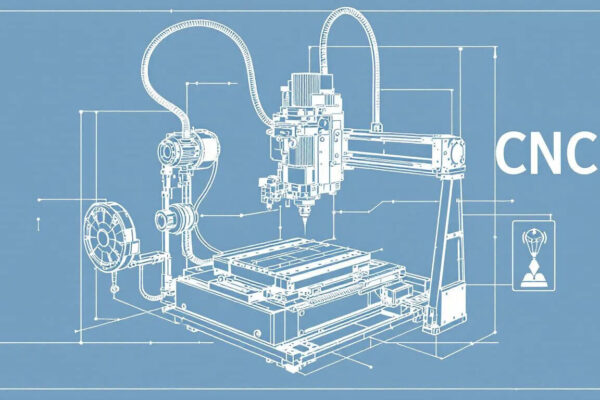
TPS Elektronik operates advanced CNC machining centers capable of 5‑axis simultaneous machining. Which allows complex geometries to be produced in a single setup, improving accuracy and reducing lead time. The service covers the full range of precision components needed for electronic systems, from simple mounting brackets to complex multi‑cavity RF filters. For a detailed overview of the types of equipment employed, refer to the TPS guide on types of milling machines and the discussion on top CNC milling machine options.
2.1 Precision aluminum machining for enclosures and RF cavities
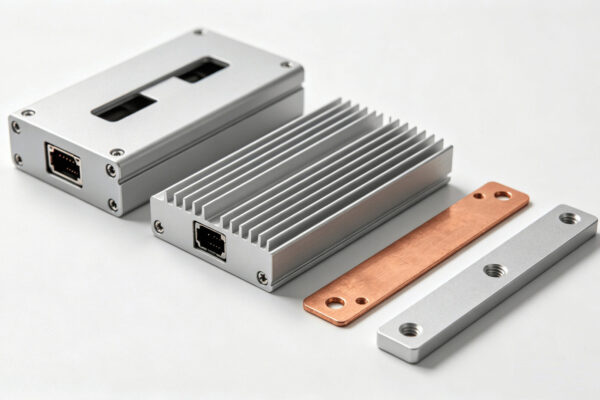
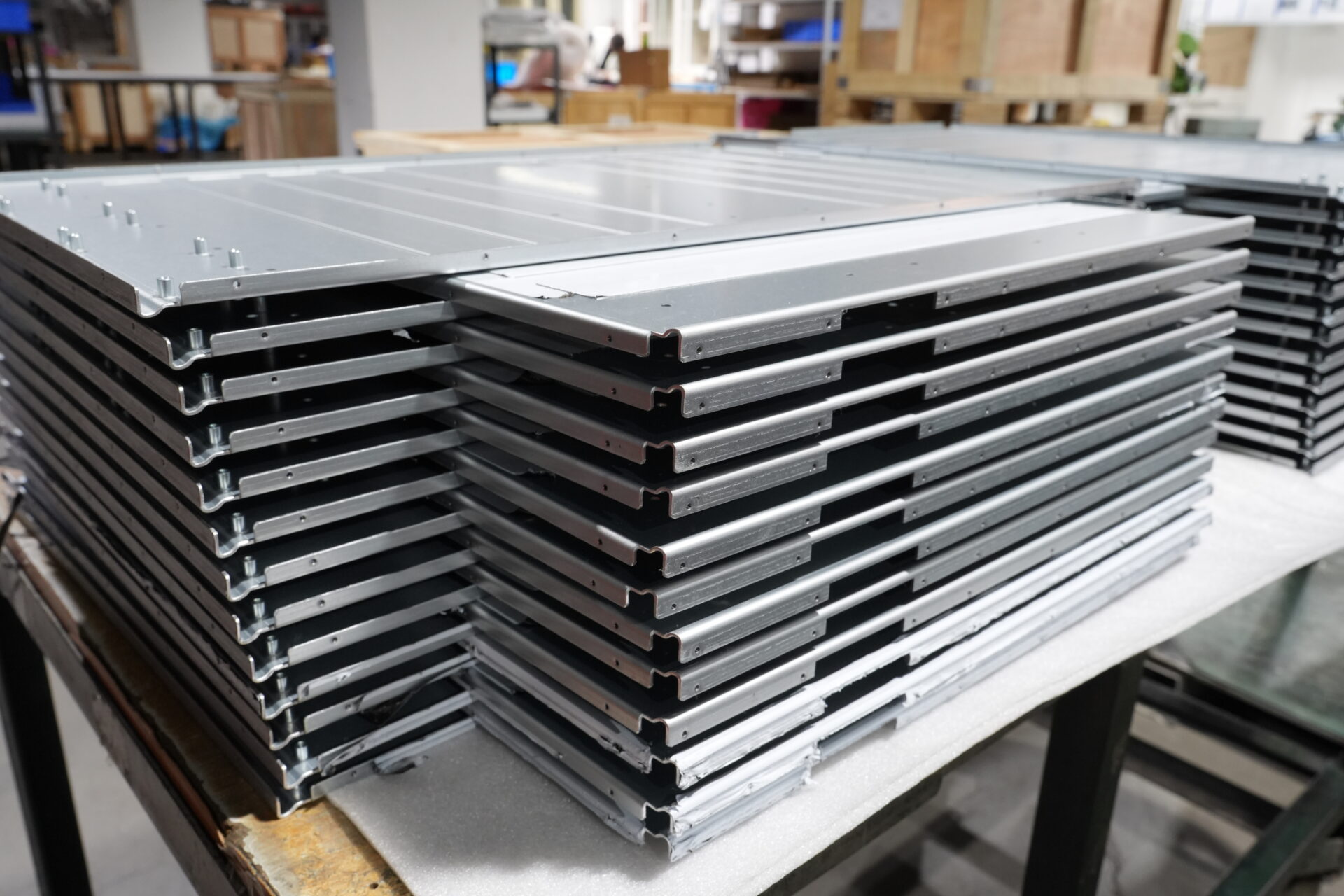
Aluminum alloys—typically 6061‑T6 or 5052‑H32—are the preferred materials for electronic enclosures and RF cavities due to their excellent strength‑to‑weight ratio. Good thermal conductivity, natural corrosion resistance, and ease of machining. TPS machines aluminum enclosures with features such as precisely positioned PCB mounting bosses. Connector cutouts with tight positional tolerances for multi‑pin connectors, and EMI gasket grooves for effective shielding. The interior of RF cavities requires exceptional surface finish and geometric accuracy to minimize signal loss. TPS achieves the required surface quality through optimized cutting strategies. Which including high‑speed machining with polished carbide tools and controlled coolant delivery. Ensuring consistent quality across production batches.
2.2 Precision copper machining for heat sinks and thermal components
Copper is indispensable in high‑power electronics due to its superior thermal conductivity—approximately 385 W/m·K, nearly double that of aluminum. However, copper’s ductility and abrasiveness make it significantly more challenging to machine to tight tolerances. TPS has developed specialized machining strategies for copper. Which using diamond‑coated or polished carbide tools, controlled chip evacuation. And optimized feed rates to produce burr‑free, high‑precision heat sinks, heat spreaders, and busbars. The resulting components exhibit flatness within 5 µm across the mounting surface. Which ensuring maximum thermal transfer to the cooling solution.
3. Achieving tight tolerances: ±5 µm and below
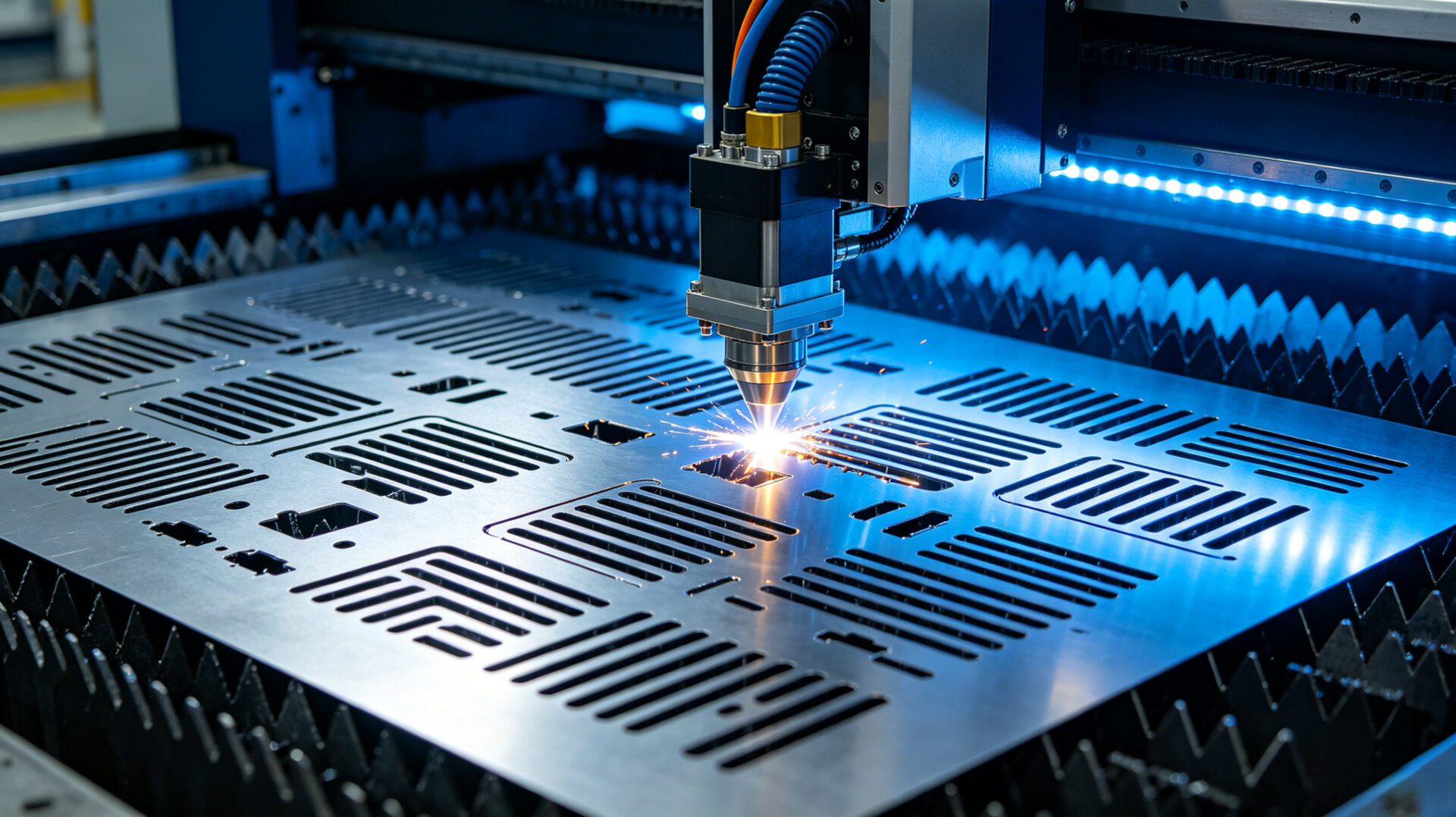
Achieving micron‑level precision in a production environment requires more than just a high‑quality machine tool. TPS combines several key technologies to ensure consistent accuracy. Thermal compensation systems monitor machine and ambient temperatures and adjust axis positions in real‑time to counteract thermal expansion. Balanced tool holders with runout below 3 µm minimize vibration and ensure that the cutting tool follows the programmed path exactly. In‑process probing, using touch‑trigger probes integrated into the machine spindle. Which measures critical features between operations and automatically updates work offsets to compensate for any detected deviation.
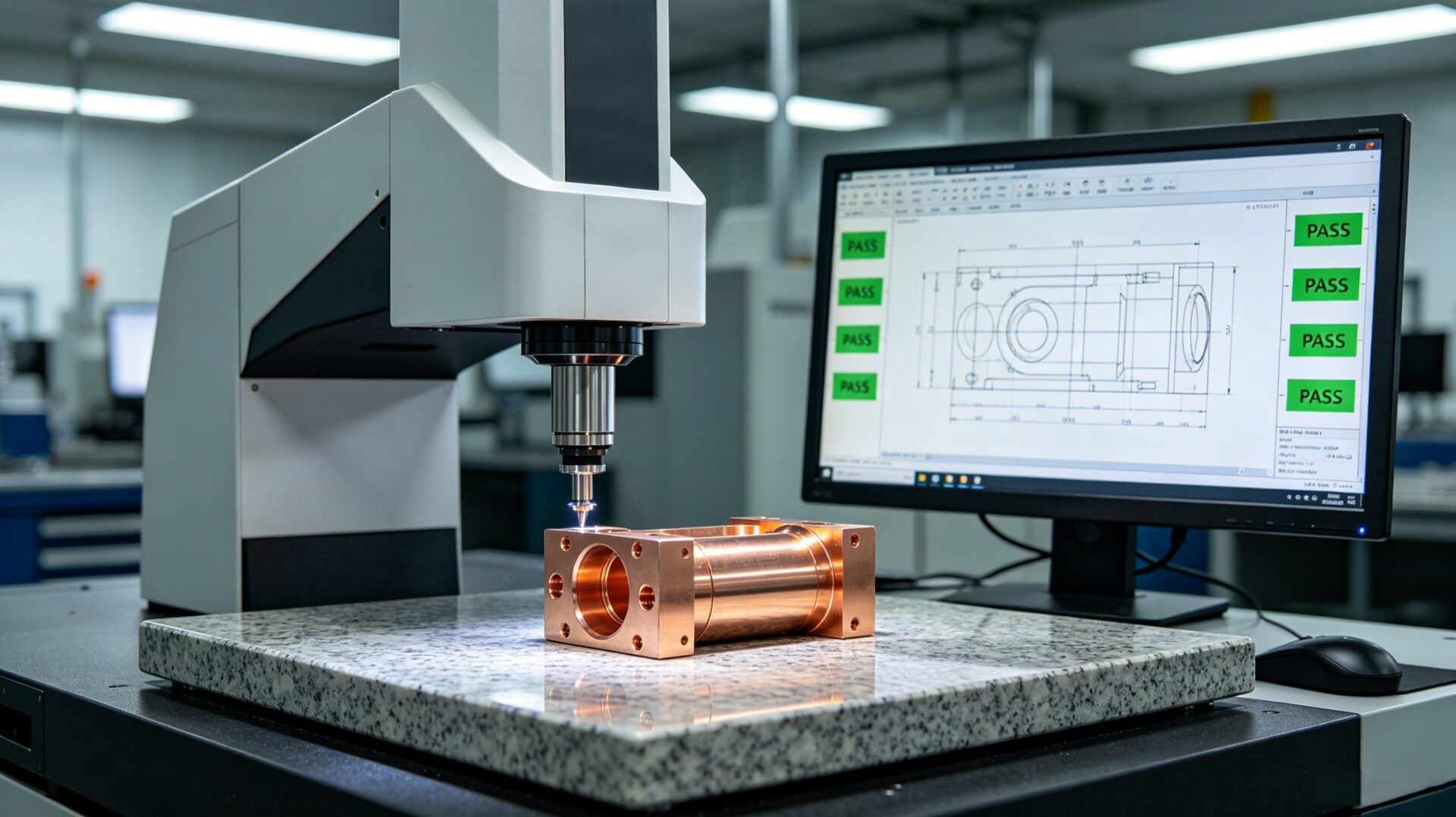
For the most demanding applications, TPS employs a climate‑controlled measurement laboratory with coordinate measuring machines (CMMs) that have a volumetric accuracy of 1.5 µm. Every critical dimension verified against the CAD model, and full dimensional reports are provided with each production lot. This process aligns with the scalable approach detailed in our guide on EMS CNC milling: high‑precision machining from prototype to production.
4. DFM integration: closing the gap between mechanical design and PCB layout
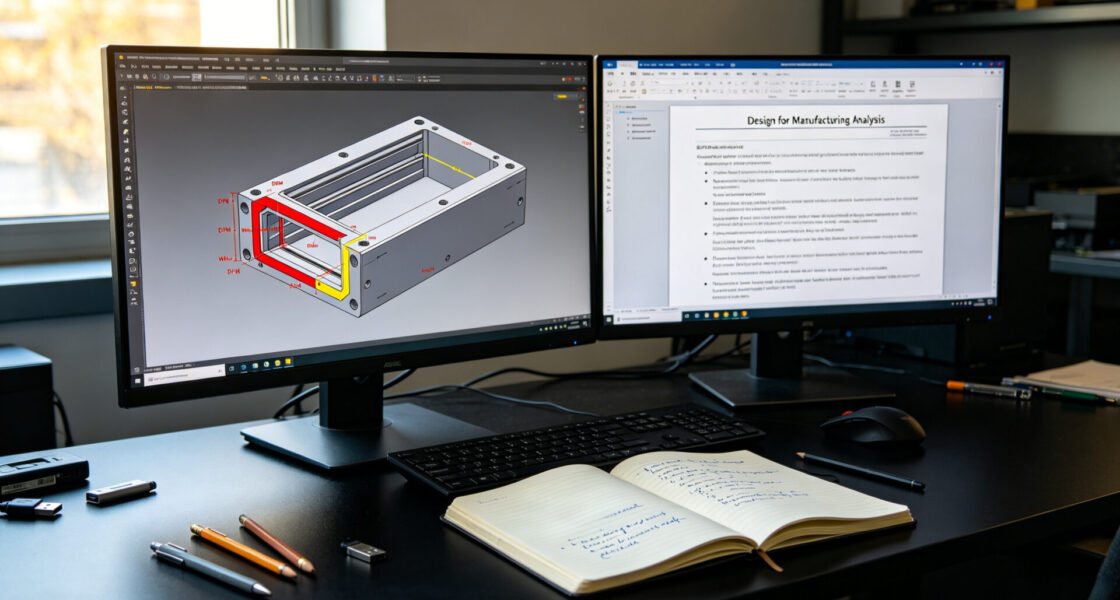
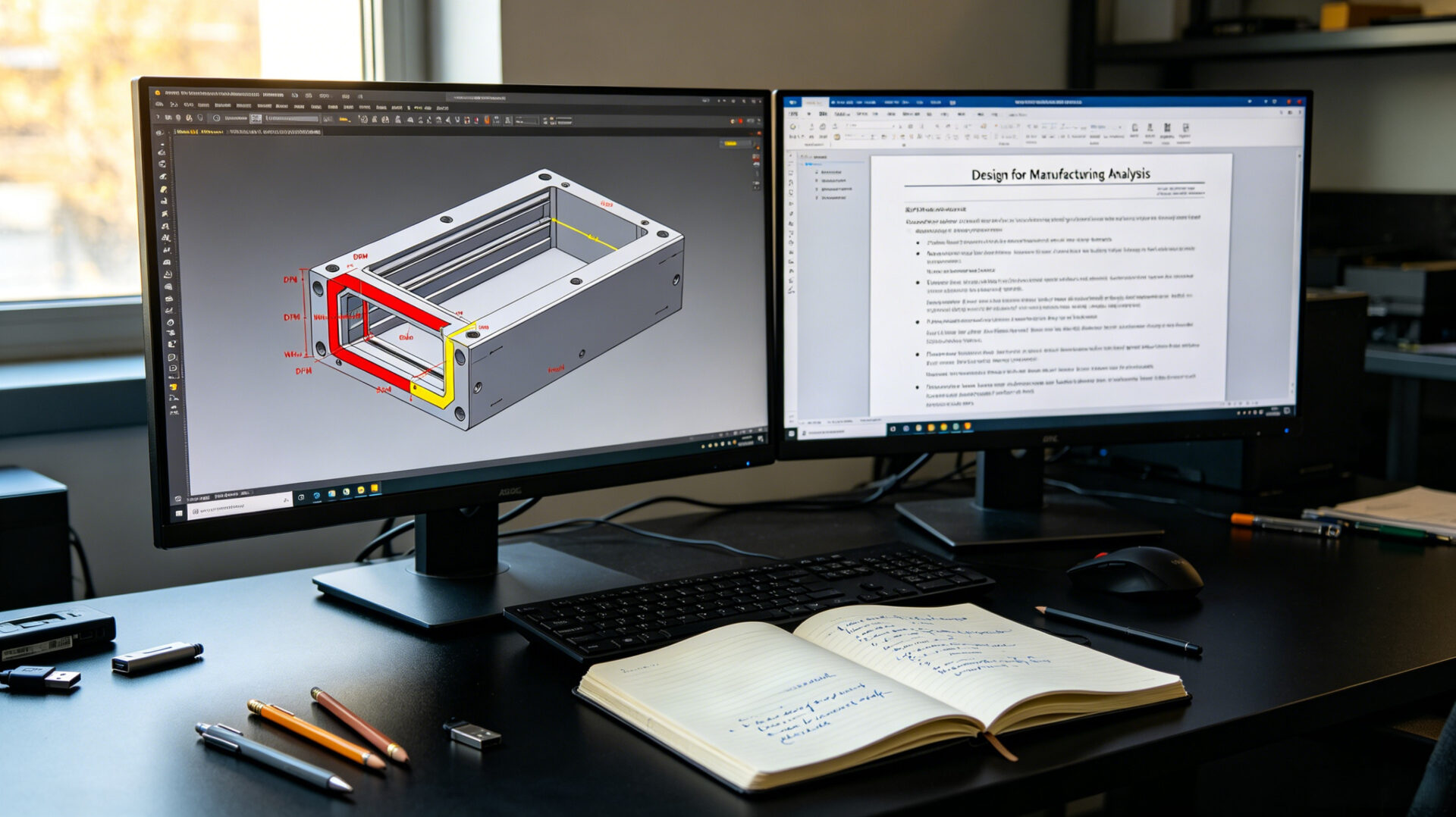
A common source of failure in outsourced machining is the disconnect between the mechanical design and the electronic design. A machinist can deliver a part that meets every dimension on the drawing, yet the final enclosure still does not fit the PCB correctly because the drawing datums were chosen independently from the board outline and connector positions. TPS eliminates this risk through an integrated Design for Manufacturability (DFM) review. The enclosure CAD model overlaid with the PCB assembly data, and critical interfaces—mounting hole patterns, connector cutouts, thermal pad contact areas. Which checked for alignment and tolerance accumulation. This process, which also covers fixture strategy and manufacturability, is further detailed in our resource on EMS CNC milling for electronics: RFQ, DFM, and fixture strategy.
5. Quality assurance and metrology
Precision without verification is meaningless. TPS performs 100 % dimensional inspection on all critical features using a combination of in‑process probing and post‑process CMM verification. The standard inspection protocol includes verification of flatness, parallelism, perpendicularity, and positional tolerances against the customer’s CAD model. Material certificates and full dimensional reports are provided with every shipment. Which supporting the customer’s internal quality audits and regulatory submissions. For medical, automotive, or aerospace applications requiring PPAP or First Article Inspection (FAI) reports per AS9102, TPS can structure the inspection workflow accordingly.
6. Application examples: enclosures, heat sinks, and RF cavities
TPS precision CNC machining serves three critical application areas in the electronics industry:
- Electronic enclosures: Custom aluminum housings for embedded systems, industrial controllers, and medical devices, where precise connector alignment and PCB mounting are essential.
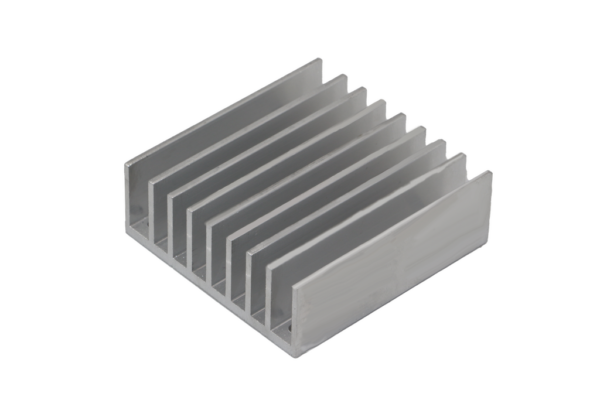
- Heat sinks: High‑performance copper or aluminum heat sinks for power amplifiers, CPUs, GPUs, and laser diodes, where surface flatness and fin geometry directly determine thermal performance.
- RF cavities: Complex aluminum or brass cavities for filters, oscillators, and amplifiers in telecommunications and radar systems, where micron‑level geometric accuracy determines the resonant frequency and insertion loss.
7. RFQ checklist for precision CNC machining
- CAD models and drawings: 3D STEP or IGES files with GD&T annotations for all critical features. Native CAD files accepted.
- Material specification: Alloy and temper (e.g., Al 6061‑T6, Cu‑C11000), plating or surface treatment requirements.
- Tolerance requirements: Target flatness, positional, and profile tolerances. Indicate which features are critical‑to‑function.
- PCB interface data: Board outline, connector positions, and mounting hole locations for alignment verification.
- Quantities and schedule: Prototype, pilot, and series volumes with target delivery dates.
- Inspection and documentation: Required dimensional reports, material certificates, and any customer‑specific FAI or PPAP formats.
8. FAQ
What tolerances can TPS achieve in aluminum and copper CNC machining?
TPS routinely achieves tolerances of ±5 µm for critical features such as flatness, positional accuracy, and profile tolerances. Achievable tolerance depends on part geometry, material, and feature size.
Can TPS machine both prototype and production quantities?
Yes. Prototypes are machined on the same equipment and with the same process documentation used for series production, ensuring a seamless transition from prototype to volume without requalification.
What surface finishes are available?
TPS provides a range of surface finishes including anodizing (clear, black, or colored), chromate conversion coating, electroless nickel plating, and silver plating for RF applications.
How does TPS ensure that machined enclosures fit the PCB assembly?
We perform an integrated DFM review overlaying the enclosure CAD model with the PCB assembly data. Critical interfaces are checked for alignment and tolerance accumulation before machining begins.
Where can I learn more about TPS CNC machining capabilities?
Visit the TPS CNC milling service page, or read our technical overviews on types of milling machines and EMS CNC milling for electronics.