

For system integrators, panel builders, and electrical engineers, the enclosure is more than just a box—it is the critical barrier that protects sensitive electronics from environmental hazards, electromagnetic interference (EMI), and mechanical stress. A flawed sheet metal fabrication process leads to misaligned mounting holes, poor thermal management, and ultimately, project delays and budget overruns.
At TPS Elektronik, our EMS (Electronic Manufacturing Services) approach integrates PCB assembly with advanced mechanical manufacturing. By understanding the nuances of the sheet metal manufacturing process, from material selection to laser cutting and surface finishing, procurement teams can significantly reduce costs and improve product reliability.
1. Understanding the sheet metal fabrication process
The sheet metal fabrication process is a highly specialized series of manufacturing steps used to turn flat sheets of metal into complex, three-dimensional structures. For the electronics industry, this sheet metal process must adhere to strict tolerances to ensure that PCBs, power supplies, and connectors fit perfectly.
The standard sheet metal fabrication processes include cutting (laser, plasma, waterjet), punching, bending (press braking), joining (welding, riveting), and finishing. When procurement teams understand these steps, they can better evaluate supplier capabilities and optimize their designs for manufacturability (DFM), thereby reducing lead times and costs.
2. Material selection: Balancing strength, weight, and cost
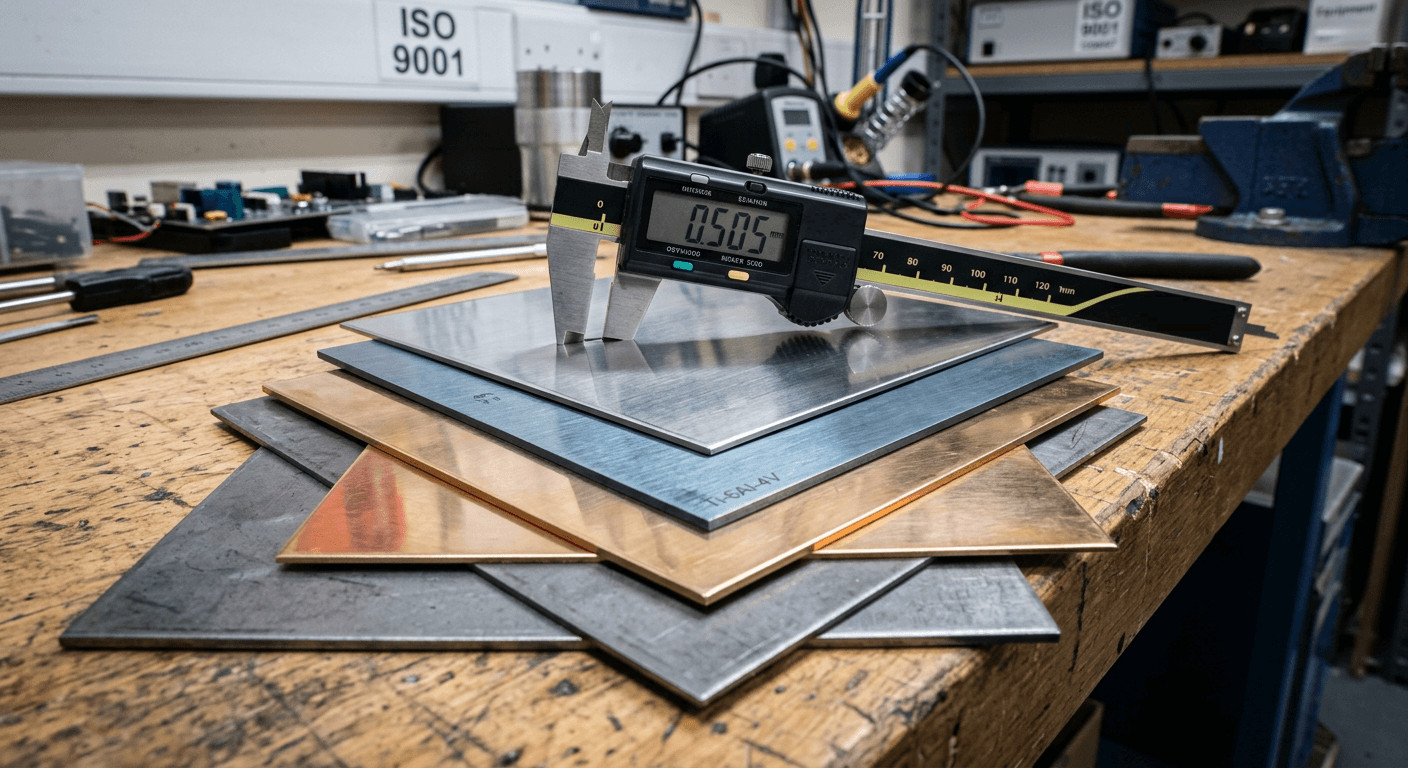
The foundation of any successful sheet metal processing project is selecting the right material. Engineers must balance mechanical properties, environmental resistance, and procurement budgets.
2.1 Steel vs titanium: Is steel stronger or harder than titanium?
A common question among engineers designing ruggedized enclosures for aerospace or military applications is the comparison of steel vs titanium. Specifically, is steel stronger than titanium? And is steel harder than titanium?
The answer depends on the specific alloy. Generally, high-carbon steel and specific stainless steel alloys have a higher ultimate tensile strength and are harder (measuring higher on the Brinell or Rockwell scales) than commercially pure titanium. However, titanium boasts a significantly superior strength-to-weight ratio. It is roughly 45% lighter than steel while maintaining excellent strength and unparalleled corrosion resistance. For most industrial panel builders, steel remains the preferred choice due to its lower cost and ease of machining, while titanium is reserved for weight-critical applications.
2.2 Cold hot rolled steel and spring steel applications
In standard electronics enclosures, cold hot rolled steel is frequently discussed. Hot rolled steel is milled at high temperatures, making it cheaper but leaving a scaly surface and looser tolerances. Cold rolled steel (CRS) is processed further at room temperature, resulting in a smoother finish, tighter tolerances, and higher strength—making it ideal for precision electronic chassis.
Additionally, spring steel—a low-alloy, medium-carbon steel with a very high yield strength—is often used in the sheet metal manufacturing process for creating mounting clips, battery contacts, and EMI shielding gaskets that must return to their original shape after significant deflection.
2.3 Stainless steel sheet metal vs. brass sheet metal
For environments requiring high corrosion resistance without the need for painting, stainless steel sheet metal (such as 304 or 316 grades) is the industry standard. It is widely used in medical, food processing, and marine electronics.
Conversely, brass sheet metal is utilized when excellent electrical conductivity, non-sparking properties, or specific aesthetic finishes are required. Brass is highly malleable and is often used for internal grounding plates or custom RF shielding components.
3. Precision cutting and forming techniques
Once the material is selected, the physical transformation begins. The accuracy of the initial cut dictates the quality of the final assembly.
3.1 Sheet metal laser cutting: Unmatched accuracy
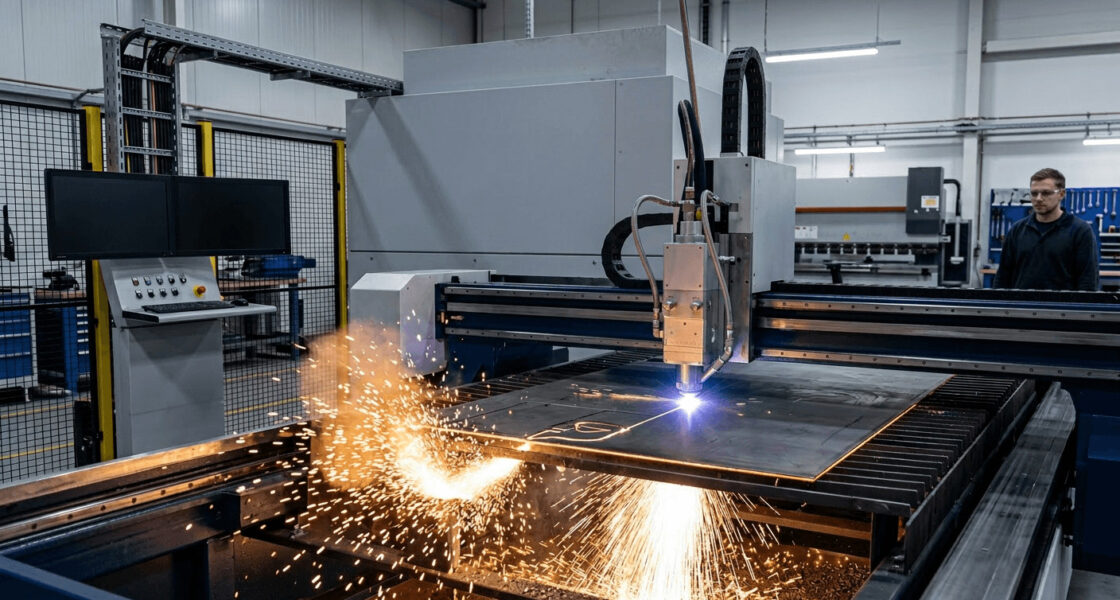
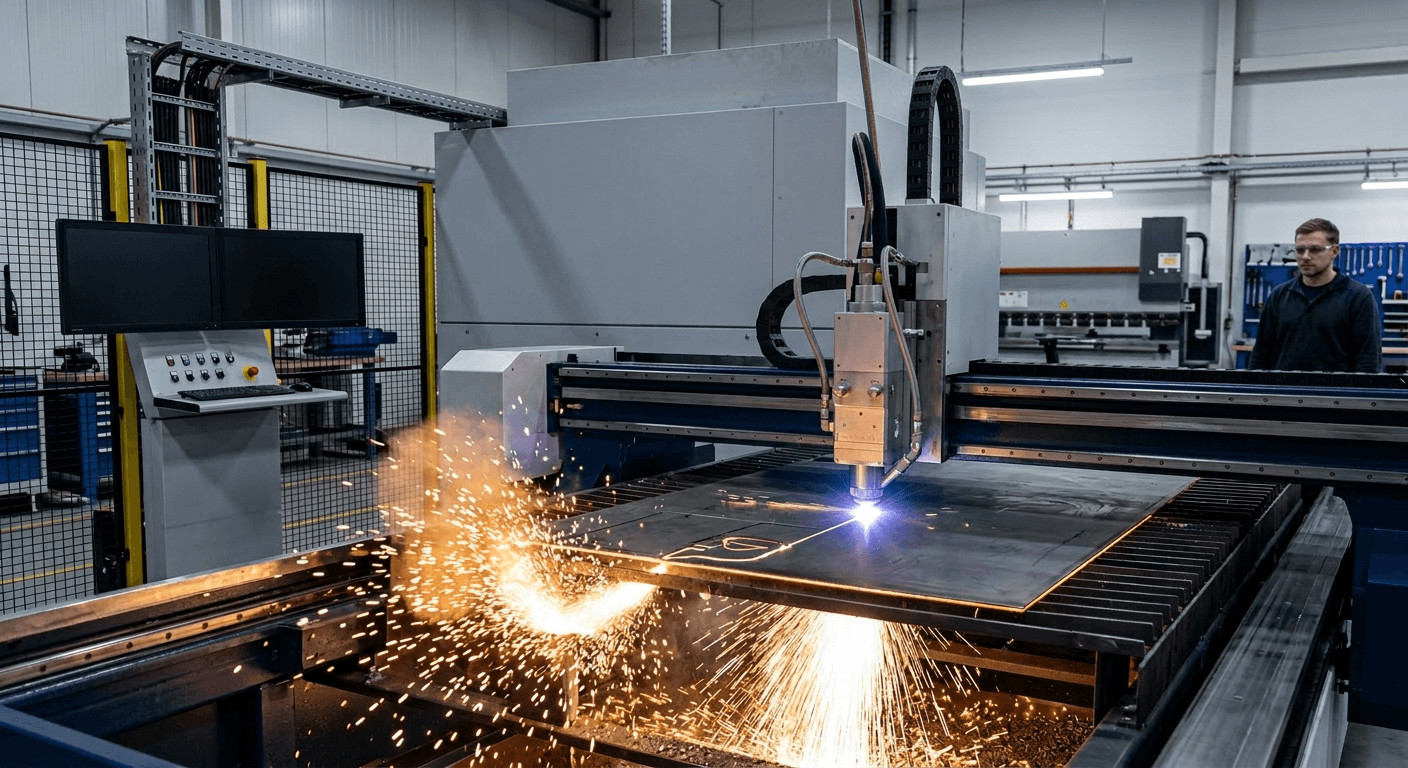
Sheet metal laser cutting has revolutionized the industry. Using high-powered fiber or CO2 lasers, manufacturers can achieve incredibly tight tolerances (often within ±0.1 mm). Laser cutting metal sheet allows for complex geometries, intricate ventilation patterns, and rapid prototyping without the need for expensive custom tooling.
The process of laser cutting of metal sheets minimizes the heat-affected zone (HAZ), reducing material warping. Whether you need a single prototype or a production run of 10,000 units, laser cut sheet metal provides consistency that traditional shearing cannot match.
3.2 Steel sheet punching machine and metal removal rate
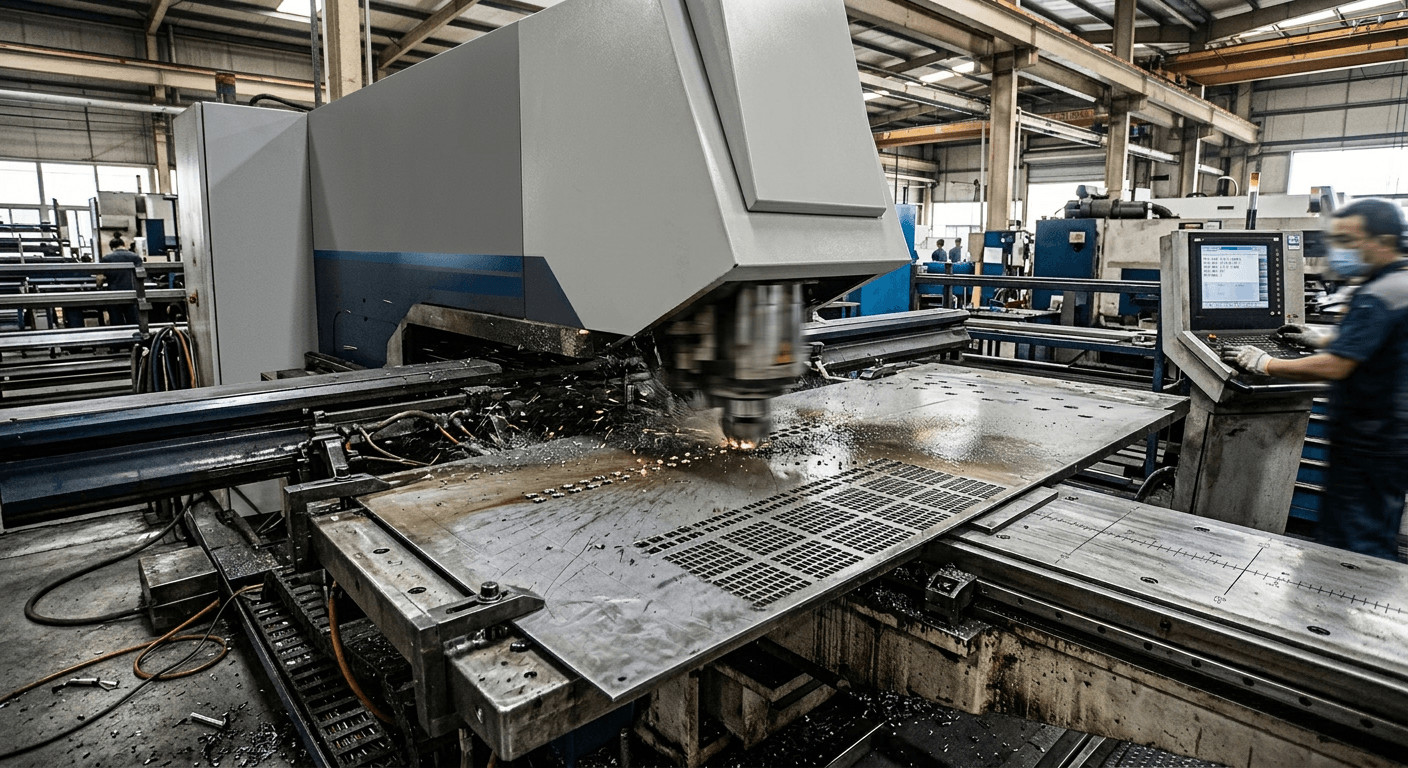
While laser cutting is highly versatile, a CNC steel sheet punching machine is often faster and more cost-effective for creating repetitive shapes, such as standard D-sub connector cutouts, louvers, or dimples. Punching machines physically shear the metal using a punch and die.
When evaluating manufacturing efficiency, engineers look at the metal removal rate (MRR). In milling and routing, MRR is the volume of metal removed per unit of time. In sheet metal punching, efficiency is measured by hit rate (strokes per minute). Optimizing the balance between laser cutting for complex profiles and punching for repetitive features is a key strategy in custom sheet metal fabrication.
4. Advanced joining: Welding and assembly
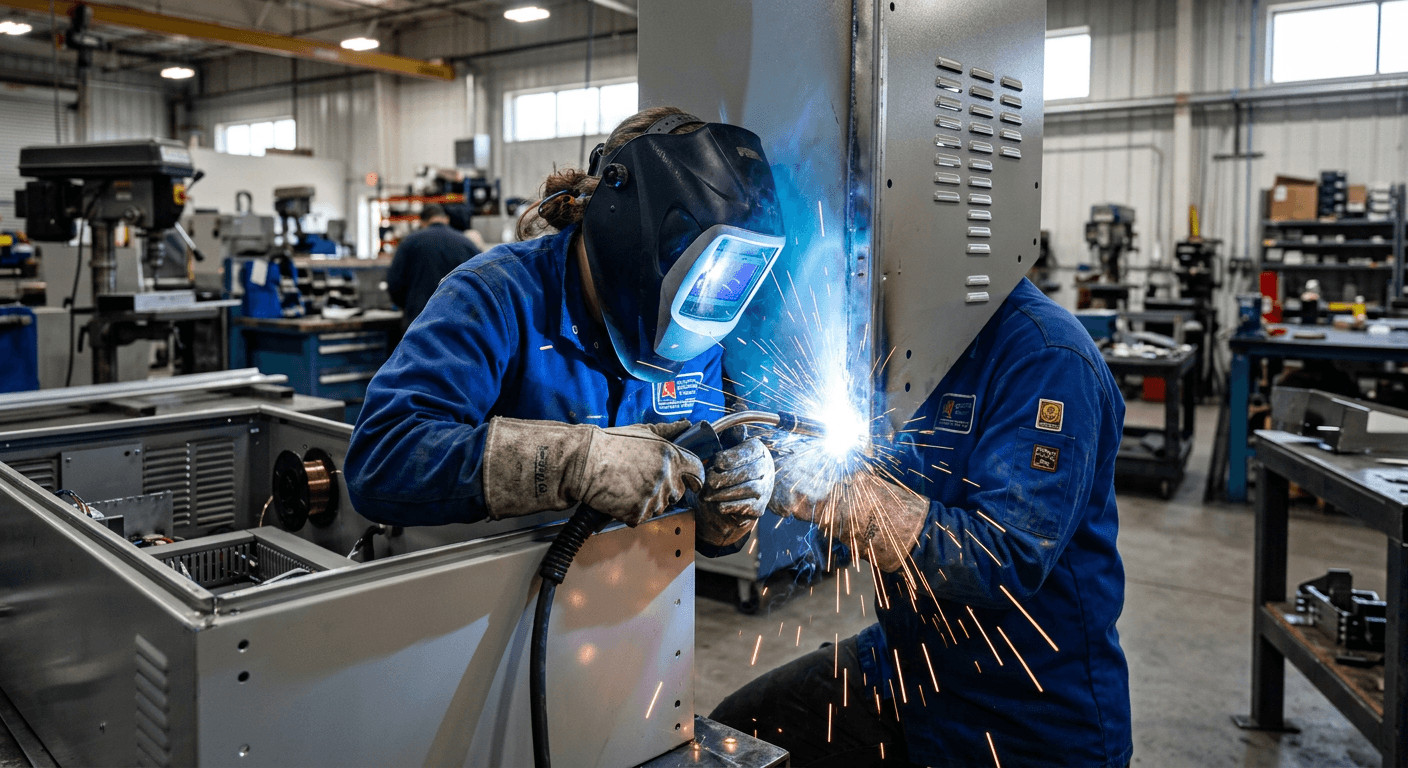
After cutting and bending, the enclosure must be assembled. Welding is the most robust method for joining metal parts. Standard techniques include TIG (Tungsten Inert Gas) and MIG (Metal Inert Gas) welding. Understanding the differences between MIG and TIG welding is crucial; TIG offers superior precision for thin stainless steel sheet metal, while a MIG welding machine provides faster deposition rates for thicker structural frames.
In highly specialized industrial applications, techniques like blast welding (explosion welding) are used to join dissimilar metals (e.g., steel and aluminum) that cannot be welded conventionally. While rarely used for standard electronics enclosures, understanding these advanced metallurgical bonding techniques highlights the depth of modern material science.
5. Surface protection and chrome plating materials
The final step in the sheet metal process is surface finishing. This not only provides aesthetic appeal but also crucial protection against oxidation and wear. Common finishes include powder coating, anodizing (for aluminum), and electroplating.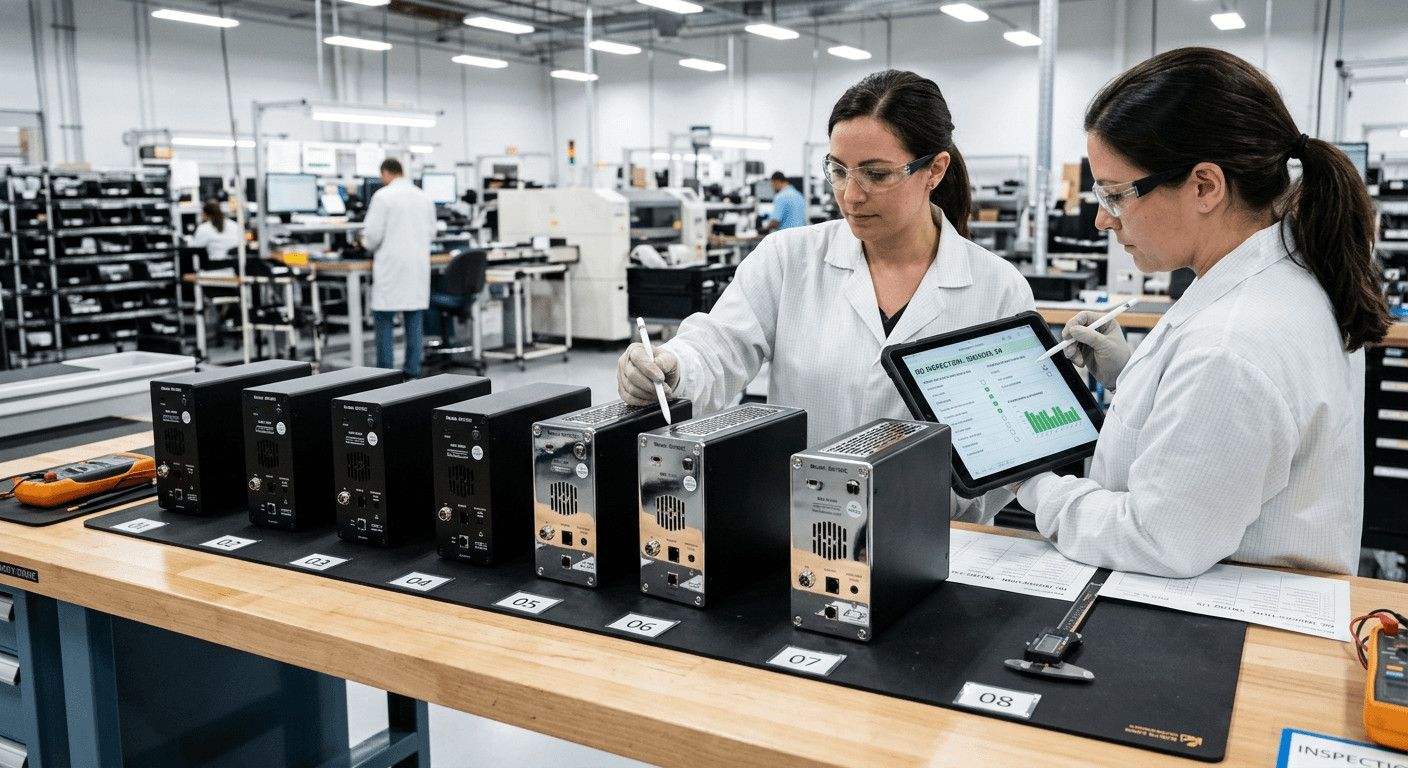
Using chrome plating materials provides an extremely hard, durable, and corrosion-resistant surface. Hard chrome plating is often applied to internal mechanical components that face high friction, while decorative chrome is used for external bezels. For standard enclosures, RoHS-compliant zinc plating with clear or yellow passivation is standard practice to ensure electrical continuity for grounding.
6. The TPS Elektronik advantage in sheet metal processing
Procuring electronic components from one vendor and metal enclosures from another often leads to integration nightmares. Tolerances mismatch, and accountability is lost. TPS Elektronik solves this by offering integrated EMS sheet metal processing.
We handle the entire sheet metal fabrication process in-house or through tightly controlled partners. From the initial CAD design utilizing laser cut sheet metal precision, to the final assembly and testing of the internal electronics, we ensure that your product is built to exact specifications, on time, and within budget.
Discuss your sheet metal and EMS requirements with our engineering team →
7. FAQ
What is the most cost-effective sheet metal fabrication process for prototypes?
For prototyping, sheet metal laser cutting combined with CNC press brake bending is the most cost-effective method. It requires zero custom tooling (unlike stamping or deep drawing) and allows for rapid design iterations.
Is steel stronger than titanium for electronic enclosures?
In terms of absolute yield strength and hardness, high-grade steel alloys are generally stronger and harder than pure titanium. However, titanium has a much higher strength-to-weight ratio. For most industrial enclosures, cold hot rolled steel or stainless steel is preferred due to cost-effectiveness.
Why use a steel sheet punching machine instead of a laser cutter?
A steel sheet punching machine is superior when a design requires hundreds of identical holes (like ventilation grilles) or 3D forms like louvers, dimples, and countersinks. Punching is faster for these specific features, while laser cutting is better for complex, irregular outer profiles.
What are the benefits of using spring steel in electronics?
Spring steel has a high yield strength, allowing it to return to its original shape despite significant bending or twisting. It is ideal for manufacturing battery contacts, retaining clips, and EMI shielding fingers within electronic assemblies.
How does TPS ensure quality in the sheet metal process?
TPS Elektronik integrates mechanical fabrication with electronic assembly. We adhere to strict ISO standards (such as ISO 2768 for general tolerances) and perform rigorous incoming and outgoing quality inspections to ensure perfect fit and function.