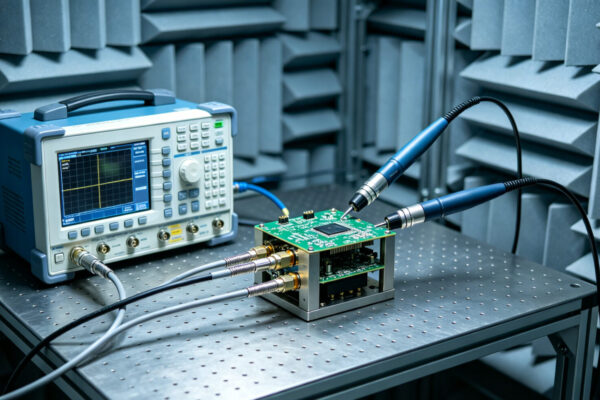


For system integrators, panel builders, and procurement teams in the electronic manufacturing sector, sourcing mechanical components is just as critical as the PCB assembly itself. A perfectly designed electronic system will fail if the custom enclosures, heatsinks, or mounting brackets do not meet exact dimensional tolerances. Poor machining leads to assembly bottlenecks, thermal management failures, electromagnetic interference (EMI) leakage, and ultimately, delayed product launches.
TPS Elektronik’s EMS- CNC Milling and CNC Turning Services are engineered to eliminate these risks. By integrating precision machining directly into our Electronic Manufacturing Services (EMS), we provide a seamless transition from prototype to mass production. We deliver cnc milled components that meet stringent industry certifications, ensuring your complex industrial components fit perfectly the first time, every time.
1. The critical role of precision machining in EMS
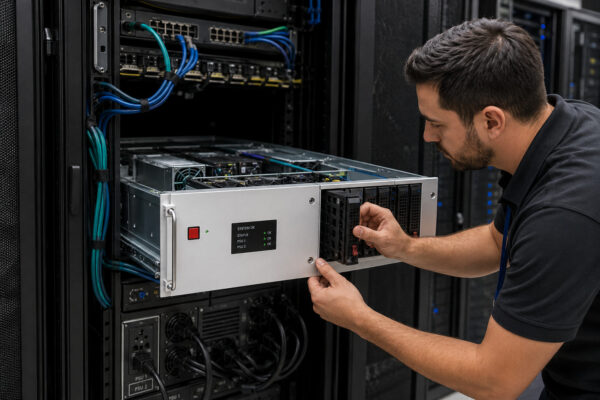
In the realm of industrial electronics, the mechanical housing is the first line of defense against environmental hazards, electromagnetic interference, and thermal overload. When panel builders and electrical engineers design complex systems, they require mechanical parts that adhere to strict Geometric Dimensioning and Tolerancing (GD&T) standards. This is where an industrial cnc mill becomes indispensable.
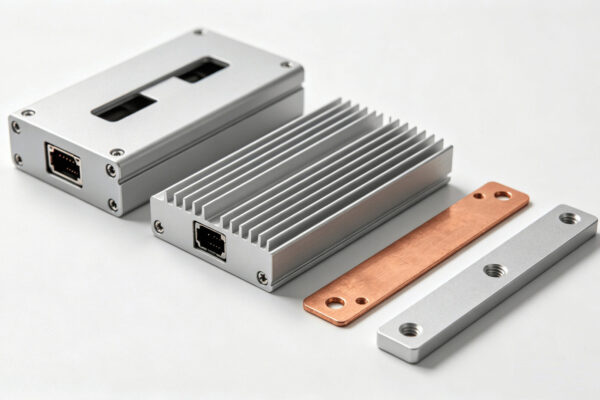
At TPS Elektronik, our precision CNC machining high accuracy capabilities ensure that every heatsink, busbar, and custom enclosure is manufactured to exact specifications. We utilize premium cnc milling machines for industry to achieve tolerances as tight as ±0.005mm. This level of precision guarantees that PCBs align perfectly with mounting standoffs, thermal pads make optimal contact with heatsinks, and IP-rated enclosures seal correctly against moisture and dust.
Furthermore, the integration of mechanical and electronic manufacturing under one roof reduces the supply chain friction that procurement teams often face. Instead of managing separate vendors for metalwork and electronics, partnering with comprehensive cnc milling parts manufacturers like TPS ensures that the mechanical tolerances are perfectly aligned with the electronic assembly requirements.
2. Understanding the difference between CNC milling and CNC turning
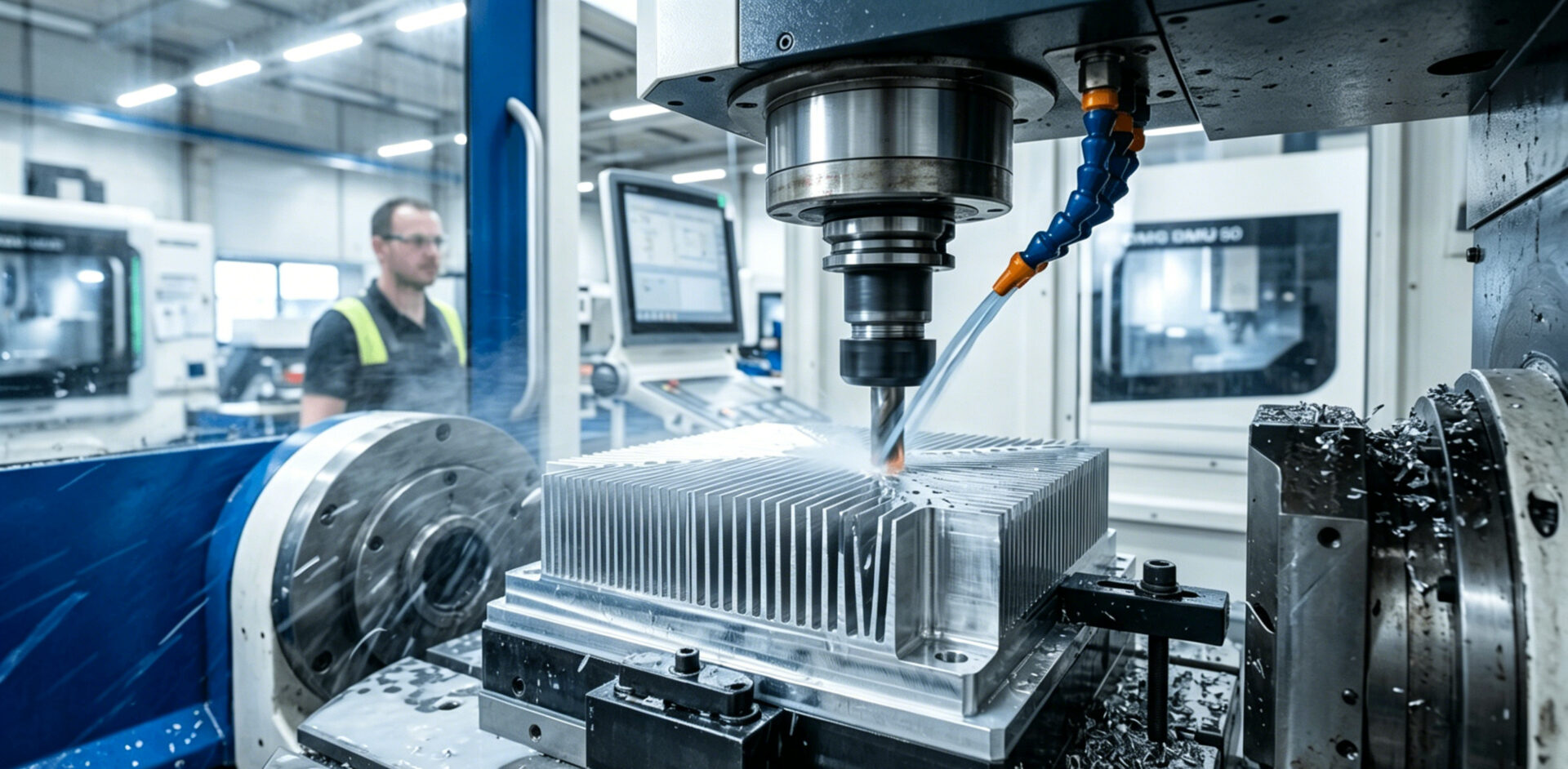
Procurement teams and engineers often need to source a variety of parts, making it essential to understand the difference between cnc milling and cnc turning to optimize costs, select the right vendor, and reduce lead times. While both are subtractive manufacturing processes controlled by computer numerical control, their mechanics and ideal applications differ significantly.
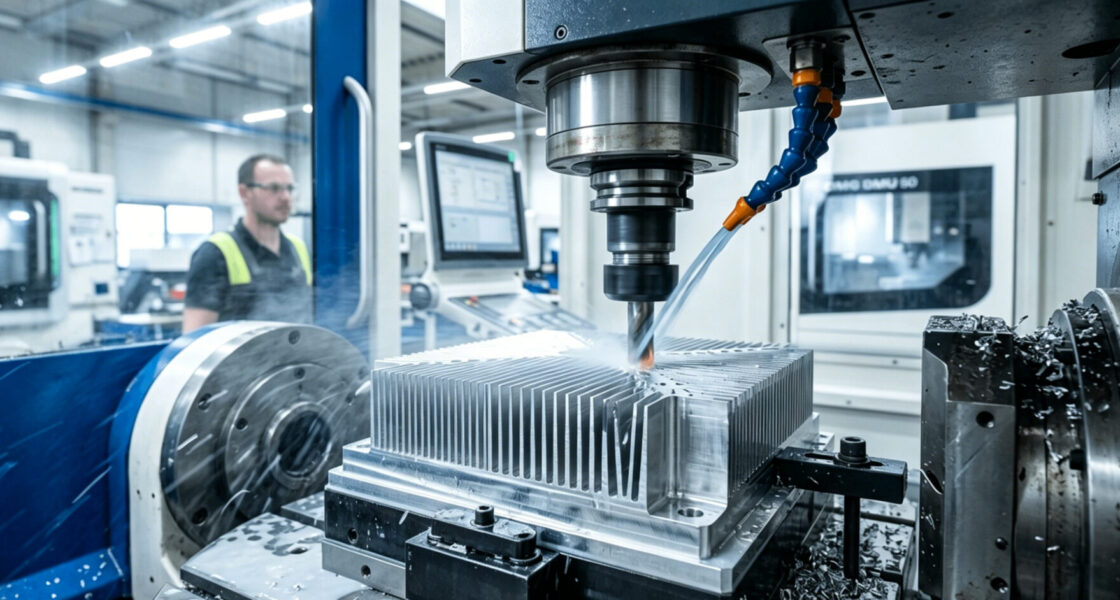
CNC Milling: In this process, the workpiece remains stationary (or moves along specific linear and rotary axes) while a high-speed rotating cutting tool removes material. It is the go-to method for creating complex 3D shapes, flat surfaces, deep pockets, and asymmetrical slots. If you are looking for custom electronic enclosures, intricate heatsinks, or complex mounting brackets, you need milling. To understand the equipment used for these tasks, you can explore the various types of milling machine available in modern manufacturing facilities.
CNC Turning: Conversely, in CNC turning, the workpiece rotates at high speeds in a lathe chuck while a stationary cutting tool shapes it. This process is perfect for creating cylindrical parts like drive shafts, custom standoffs, spacers, and specialized RF connectors.
As comprehensive cnc milling and turning manufacturers, TPS Elektronik combines both technologies. Many complex industrial components require a hybrid approach—for example, a cylindrical sensor housing that requires off-axis drilled holes or milled flats for wrench access. By offering both cnc milling and cnc turning under one roof, we reduce supply chain complexity, eliminate the need to move parts between different machine shops, and ensure perfectly mated assemblies.
3. From prototyping CNC milling to high-volume production
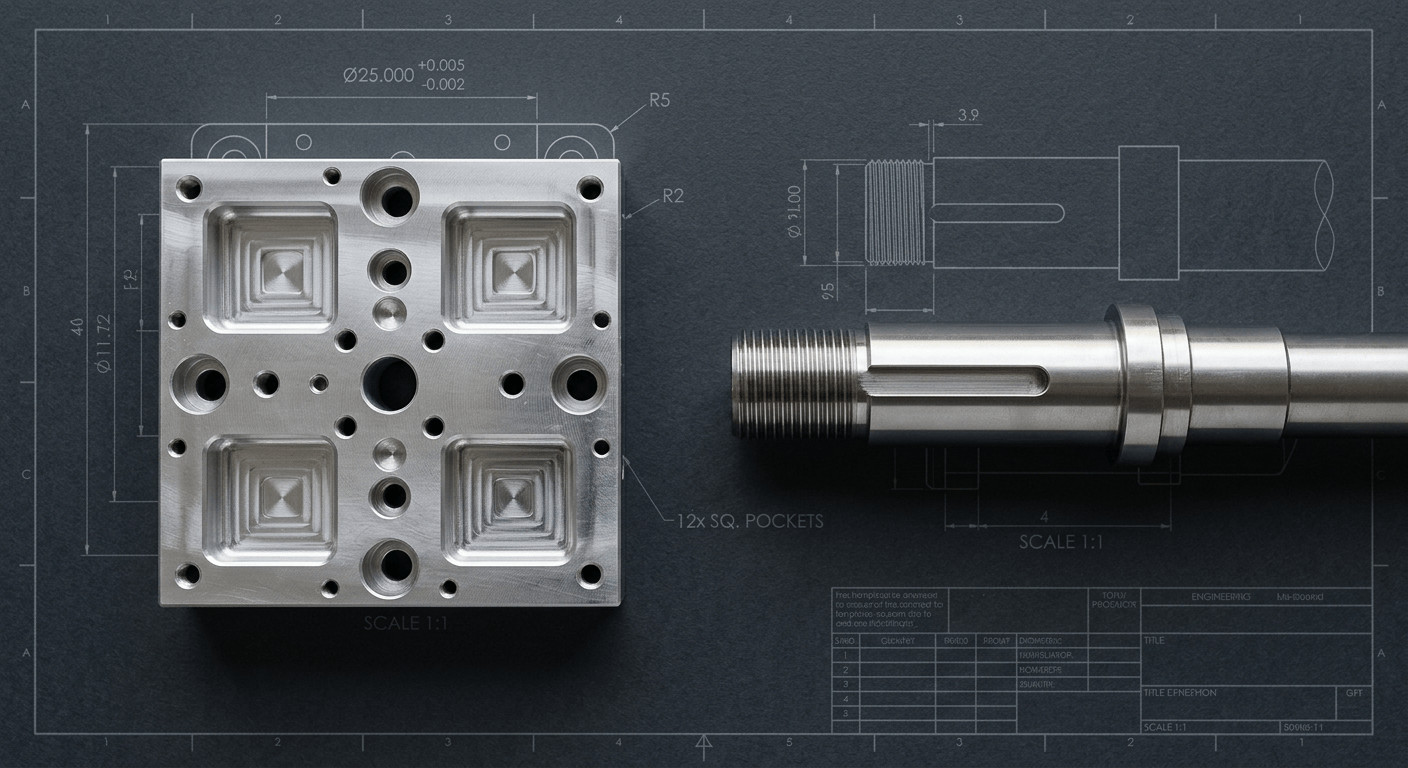
The product development lifecycle in electronic manufacturing demands extreme flexibility. During the initial phases, engineers need a reliable cnc mill for prototyping to validate form, fit, and function. Prototyping cnc milling allows for rapid iteration of mechanical designs before committing to expensive die-casting molds or injection molding tooling.
However, a partner that only specializes in prototyping can become a severe bottleneck when it is time to scale. Transitioning from a local prototype shop to overseas mass production often introduces “translation errors” in CAM programming, tooling strategies, and quality expectations. This is a common pitfall when companies blindly transition to unvetted china aluminum cnc milling manufacturers without a solid engineering bridge.
TPS Elektronik bridges this gap flawlessly. Our EMS CNC milling precision machining prototype to production service ensures that the exact same CAM programming, tooling strategies, and quality standards used for your prototype are seamlessly scaled for mass production. We design the manufacturing process with scalability in mind from day one, ensuring that the unit cost decreases as volume increases, without any compromise in precision or quality.
4. CNC milling machine design and fixture strategies
Achieving high precision at scale is not just about having good machines; it is about how the machining process is engineered. Understanding how to design a cnc milling machine process for a specific part involves deep Design for Manufacturability (DFM) analysis. Our manufacturing engineers analyze your CAD files to optimize tool paths, reduce setup times, select the appropriate cutting speeds and feeds, and minimize material waste.
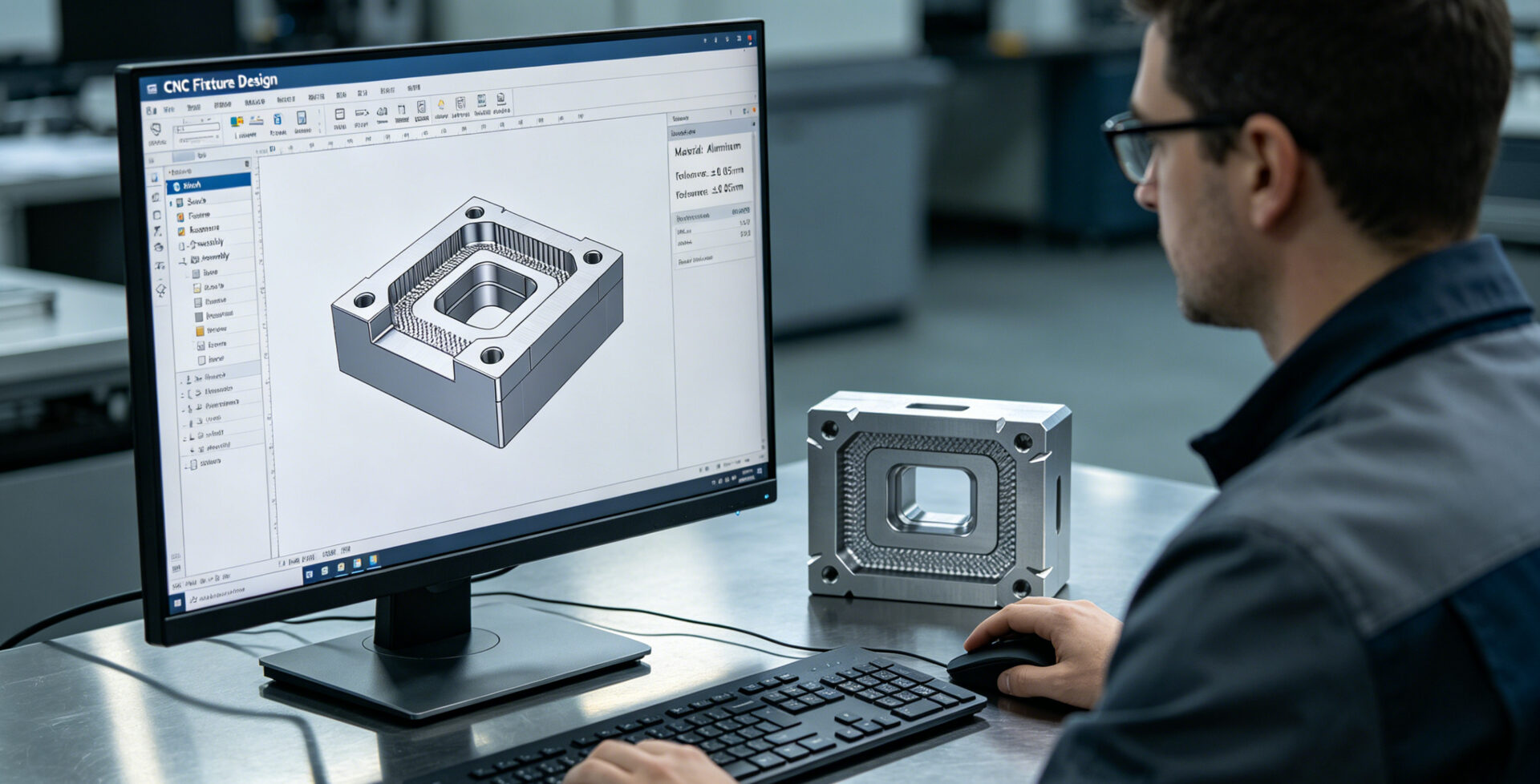
A critical element of this engineering process is cnc milling fixture design. Custom fixtures (or workholding devices) hold the workpiece rigidly in place, preventing vibration, chatter, and deflection during aggressive cutting operations. Proper cnc milling machine design regarding workholding allows for multi-part machining (tombstone fixtures on 4-axis machines) and reduces the number of times a part must be manually repositioned. This is vital for maintaining tight tolerances across large production runs.
As a leading machine center cnc milling machine manufacturer and service provider, we invest heavily in custom workholding solutions to guarantee repeatability. For a deeper dive into the equipment that makes this possible, review our guide on the top CNC milling machine options utilized in our facilities.
5. Materials and industry-specific applications
The choice of material drastically impacts the machining strategy, tool wear, and the final application’s success. TPS Elektronik works with a vast array of industrial-grade materials tailored for electronic and industrial applications:
- Aluminum (e.g., 6061-T6, 7075): Lightweight with excellent thermal conductivity, making it the absolute standard for electronic heatsinks, RF enclosures, and aerospace components.
- Stainless Steel (e.g., 304, 316L): Highly corrosion-resistant and strong, ideal for medical devices, food processing equipment, and harsh industrial environments.
- Copper and Brass: Essential for high-conductivity electrical contacts, custom busbars, and specialized grounding components.
- Engineering Plastics (e.g., PEEK, POM, Delrin): Used for insulating components, lightweight structural parts, and RF-transparent housings.
We also specialize in secondary operations, such as machining custom cnc milled metal castings. Castings and forgings are excellent for creating near-net shapes, but they almost always require post-machining to achieve the precise tolerances needed for mating surfaces, O-ring grooves, and threaded holes. Furthermore, our expertise extends to producing high-reliability cnc milling components for automotive applications, where adherence to strict PPAP (Production Part Approval Process), material traceability, and IATF 16949 standards is mandatory.
6. Quality control, tolerances, and avoiding cheap services
In the highly competitive B2B sector, the allure of a cheap cnc milling service can be tempting for procurement teams under strict budget pressure. However, low-cost providers often cut corners on critical aspects: tool maintenance, fixture rigidity, environmental temperature control, and quality inspection. This results in parts that fail incoming inspection, leading to costly project delays, assembly line stoppages, and a high Cost of Poor Quality (COPQ).
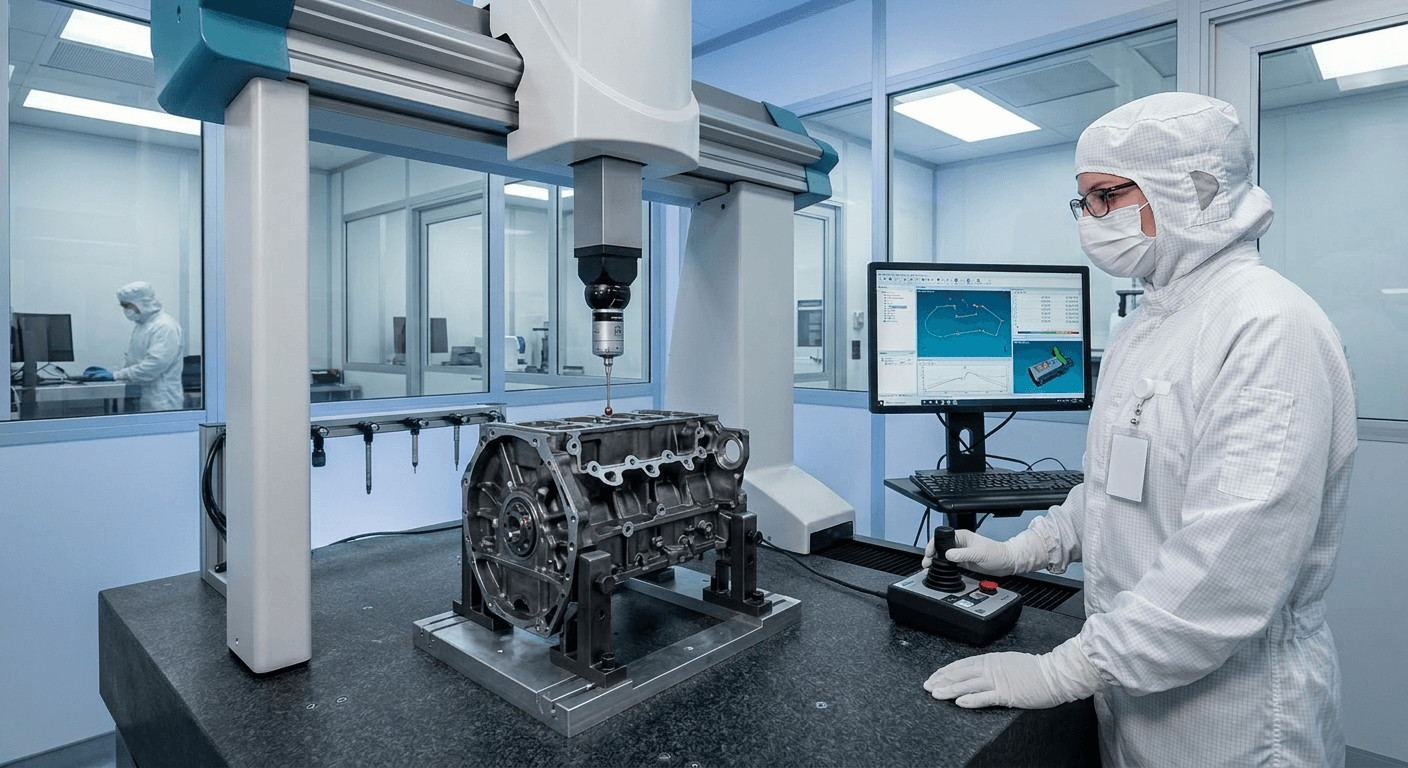
TPS Elektronik operates as a premium cnc milling machining service. We adhere to international standards such as ISO 2768 for general tolerances and utilize advanced Coordinate Measuring Machines (CMM), optical comparators, and laser scanners to verify every critical dimension. Whether you need standard cnc milling machining services for new product introductions or specialized cnc milling repair services for legacy industrial equipment, our quality management system ensures that every part delivered meets your exact specifications.
7. Why choose TPS as your CNC milling parts manufacturer
Choosing the right manufacturing partner is about finding a company that understands the broader context of your product. Because TPS Elektronik is an EMS provider, we don’t just see a piece of metal; we see how that metal interacts with the PCB, the thermal dynamics of the entire system, the EMI shielding requirements, and the final assembly process.
Our EMS CNC milling electronics fast RFQ DFM process ensures that you receive rapid, accurate quotes accompanied by actionable design feedback. By consolidating your PCB assembly and mechanical machining with TPS, you streamline your supply chain, reduce logistical overhead, eliminate finger-pointing between different vendors, and significantly accelerate your time to market.