

For system integrators, panel builders, and procurement professionals, selecting the right pcb assembly services EMS partner is a strategic decision that impacts cost, quality, and time-to-market. This guide explains what to look for in an electronics manufacturing partner—covering assembly technologies, quality standards, DFM integration, and why a full-service EMS provider like TPS Elektronik ensures reliable outcomes.
1. What is PCB assembly? Understanding PCBA meaning in EMS
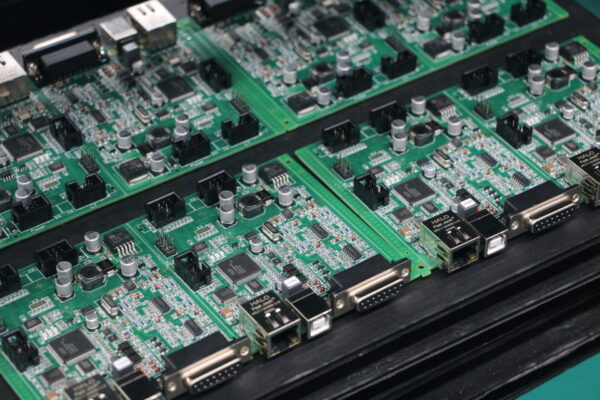
PCB assembly (often abbreviated as PCBA) refers to the process of soldering electronic components onto a printed circuit board to create a functional electronic assembly. Within the context of electronic manufacturing services, PCB assembly is the core activity that transforms a bare board into a ready-to-use module for industrial, medical, or automotive applications.
For procurement teams and electrical engineers, understanding pcba meaning goes beyond the technical definition—it encompasses the quality systems, test protocols, and supply chain capabilities that ensure each assembly meets reliability targets. A professional pcb assembly company offers more than just soldering: it provides DFM feedback, component sourcing, and documented traceability.
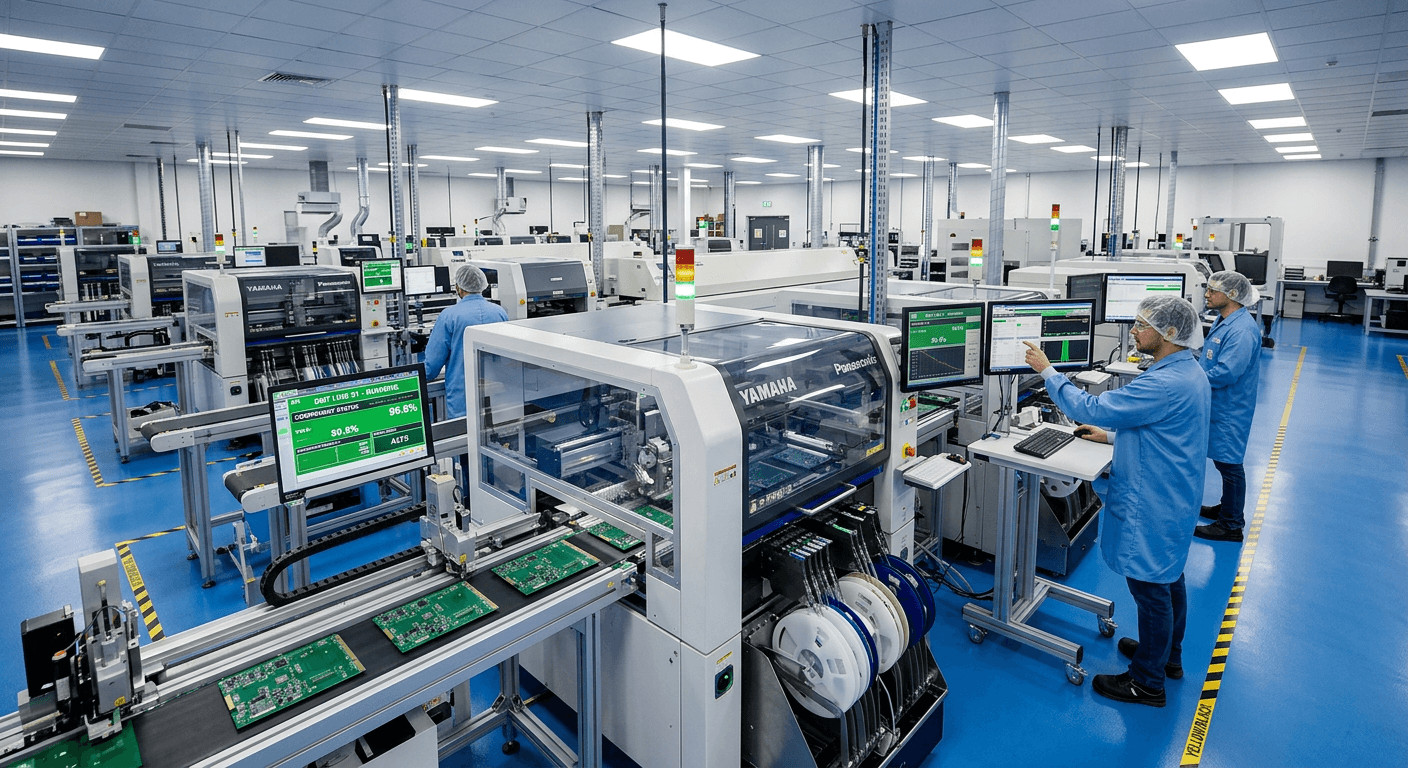
According to IPC-A-610, the global standard for electronic assembly acceptability, proper process control and inspection are essential for achieving Class 2 or Class 3 reliability. TPS Elektronik adheres to these standards, ensuring that every electronic components pcb assembly meets the required workmanship criteria.
For a comprehensive overview, explore our Electronic Manufacturing Services – Complete Guide.
2. PCB assembly technologies: SMT vs THT vs mixed assembly
Modern pcb assembly services typically involve one or more of the following technologies. Understanding these options helps procurement teams specify the right approach for their application.
Surface Mount Technology (SMT)
SMT PCB assembly is the dominant method for high-density, high-volume production. Components are placed directly onto the board surface using automated pick-and-place machines. SMT enables smaller form factors, faster assembly, and excellent repeatability.
Through-Hole Technology (THT)
THT involves inserting component leads through drilled holes and soldering them on the opposite side. This method provides stronger mechanical bonds, making it ideal for connectors, large capacitors, and applications subject to vibration or thermal stress.
Mixed Assembly
Many industrial PCBs combine SMT and THT on the same board. A capable pcb assembly company must handle both technologies seamlessly, with appropriate process flows and inspection points.
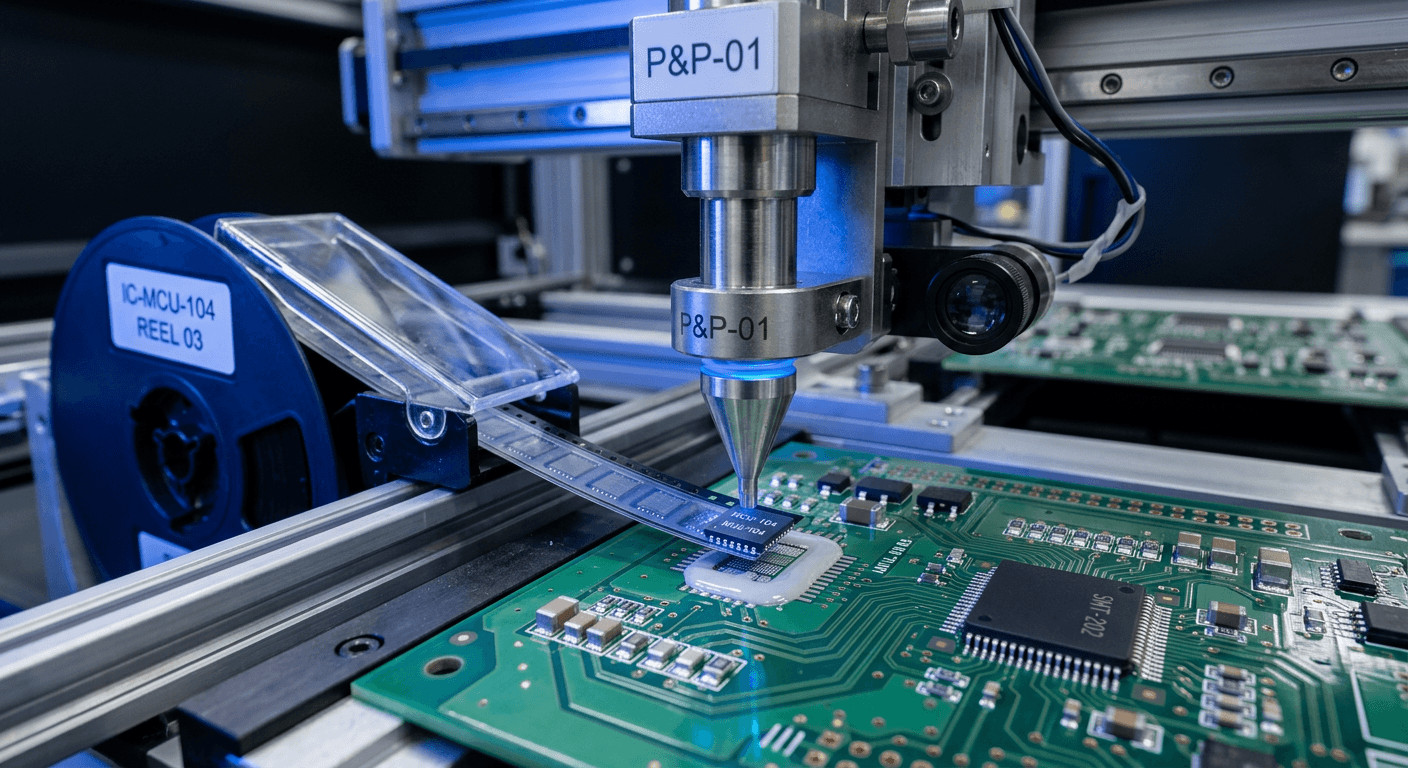
For detailed technical comparisons, refer to our in-depth article: SMD PCB Assembly & THT Assembly – Industrial PCB Manufacturing.
3. Quality and testing in electronic assembly
Reliable electronic assembly depends on comprehensive quality systems and testing protocols. When evaluating pcb assembly services EMS, look for the following capabilities:
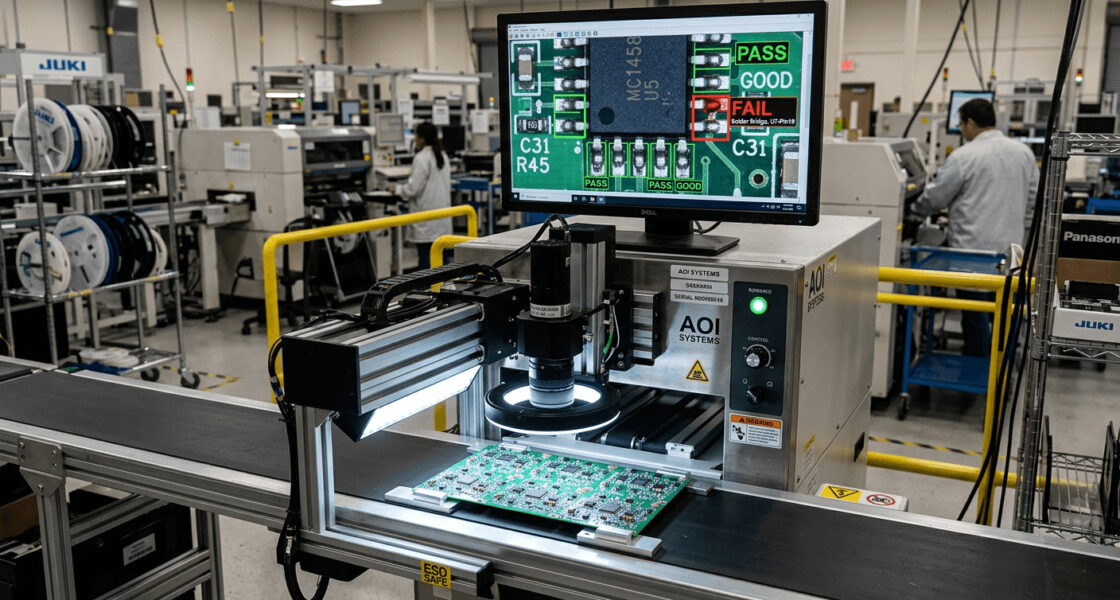
- Automated Optical Inspection (AOI): High-speed cameras verify component placement, polarity, and solder joint quality after SMT.
- Solder Paste Inspection (SPI): 3D measurement of solder paste volume and alignment before component placement.
- In-Circuit Test (ICT): Electrical testing of individual components and circuits to detect opens, shorts, and incorrect values.
- Functional Testing (FCT): Custom test fixtures that simulate real operating conditions to verify the assembled board performs as intended.
- X-Ray Inspection: For BGA and other hidden solder joints, X-ray ensures proper wetting and void control.
Quality documentation—including First Article Inspection (FAI) reports, test logs, and traceability records—is essential for regulated industries. TPS Elektronik provides these as standard deliverables for all production runs.
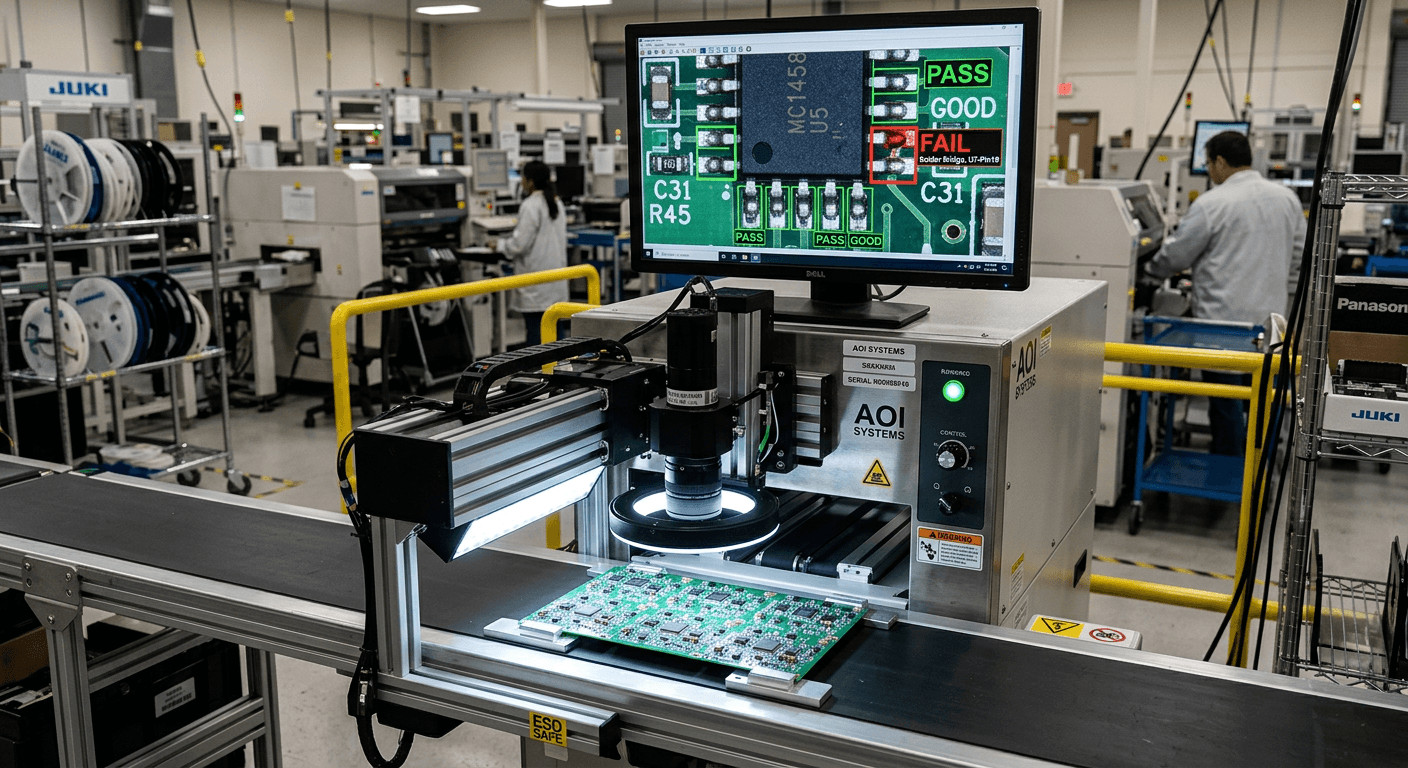
For insights into how component selection and testing integrate, see our Electronic Components PCB Guide – Assembly & Testing.
Request your PCB assembly quote with full test documentation →
4. DFM and supply chain integration: reducing RFQ risks
A critical differentiator among pcb assembly services providers is the depth of Design for Manufacturability (DFM) support and supply chain integration. For procurement teams, these factors directly impact cost, lead time, and risk.
- DFM feedback: Early review of Gerber files, BOM, and assembly drawings to identify potential issues like insufficient solder mask, incorrect pad sizes, or component placement conflicts.
- Component sourcing: Access to authorized distributors, lifecycle management, and obsolescence mitigation.
- Turnkey vs consigned: Flexibility to provide your own components or rely on the EMS partner’s procurement network.
When you work with an experienced pcb assembly company, these services reduce the number of revision cycles and prevent production delays. TPS Elektronik provides detailed DFM reports and leverages long-term relationships with component suppliers to secure materials even in tight markets.
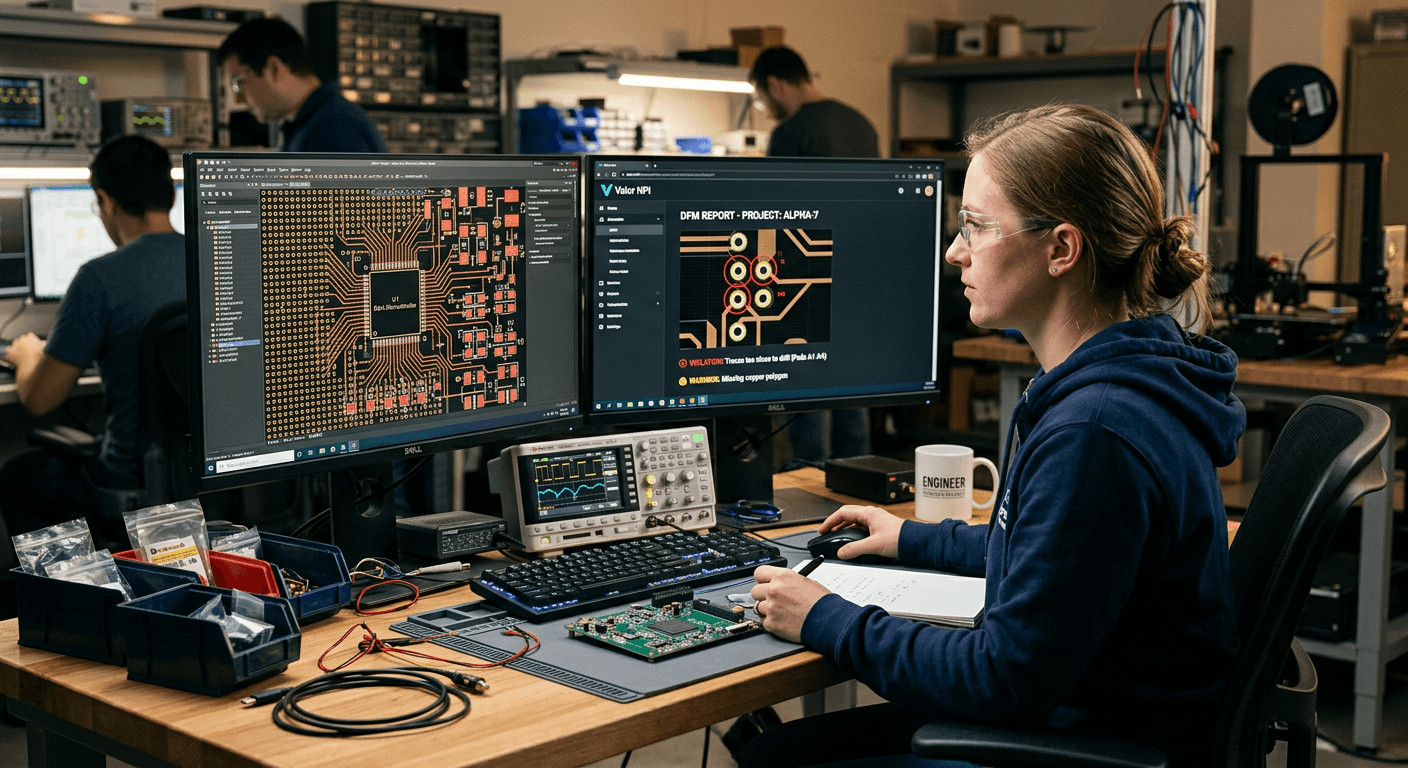
For rapid development cycles, TPS offers specialized EMS PCB Assembly Rapid Prototyping & Quick-Turn Medical services.
5. Why EMS integration matters for system integrators
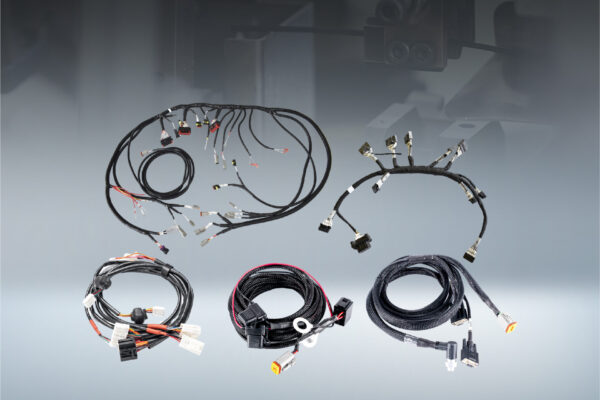
For system integrators and panel builders, the value of a full-service EMS partner extends beyond pcb and electronic assembly. Integration with mechanical assembly, cable harnessing, and final box build creates a single point of accountability.
Benefits of an integrated EMS approach include:
- Reduced interface risk: No need to coordinate separate suppliers for PCB assembly, enclosures, and wiring.
- Streamlined quality documentation: One source for FAI, test reports, and certificates of conformance.
- Faster time-to-market: Coordinated scheduling across all manufacturing steps.
- Cost efficiency: Eliminate multiple markup layers and logistics overhead.
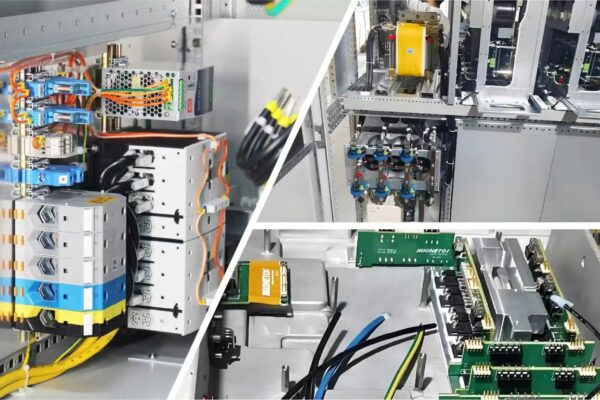
TPS Elektronik combines PCB assembly with sheet metal fabrication, cable assembly, and final system integration—all under one roof. This is particularly valuable for control cabinets, medical devices, and industrial automation systems where mechanical and electronic elements must work together seamlessly.
6. TPS Elektronik: Your PCB assembly company in Germany
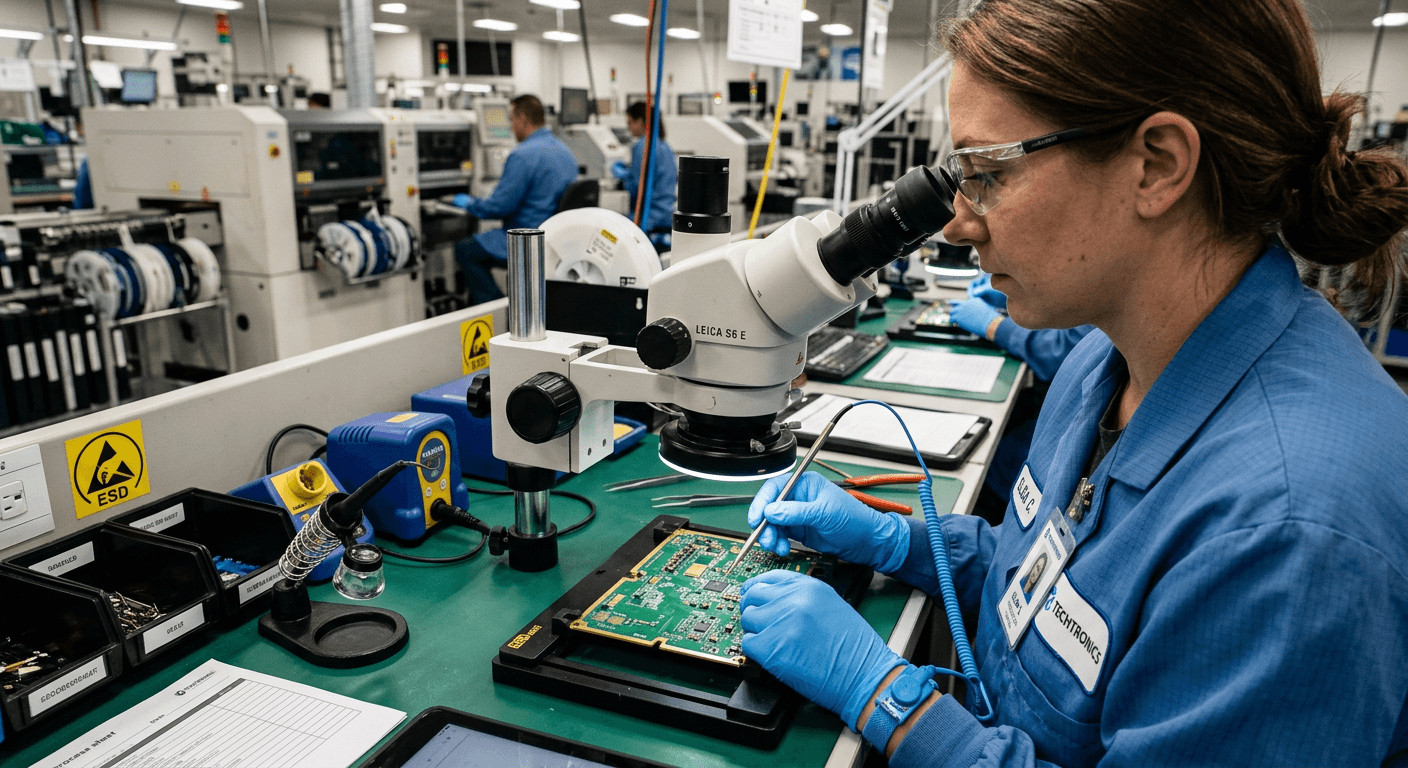
When searching for pcb assembly germany or a reliable oem pcb assembly partner, TPS Elektronik delivers the precision and flexibility required for demanding applications. Our capabilities include:
- SMT lines: Fully automated with solder paste inspection, high-speed placement, and reflow ovens.
- THT assembly: Wave soldering, selective soldering, and manual assembly stations for mixed-technology boards.
- Conformal coating: Automated selective coating for protection against moisture, dust, and chemicals.
- Functional test development: Custom test fixtures and software to validate every board before shipment.
- Box build & system integration: Final assembly into enclosures with cable harnessing and end-of-line testing.
Certified to ISO 9001, ISO 13485 (medical), and IATF 16949 (automotive), TPS Elektronik ensures that your custom pcb assembly projects meet the highest quality standards. Our facility in Germany combines engineering excellence with cost-effective manufacturing processes.
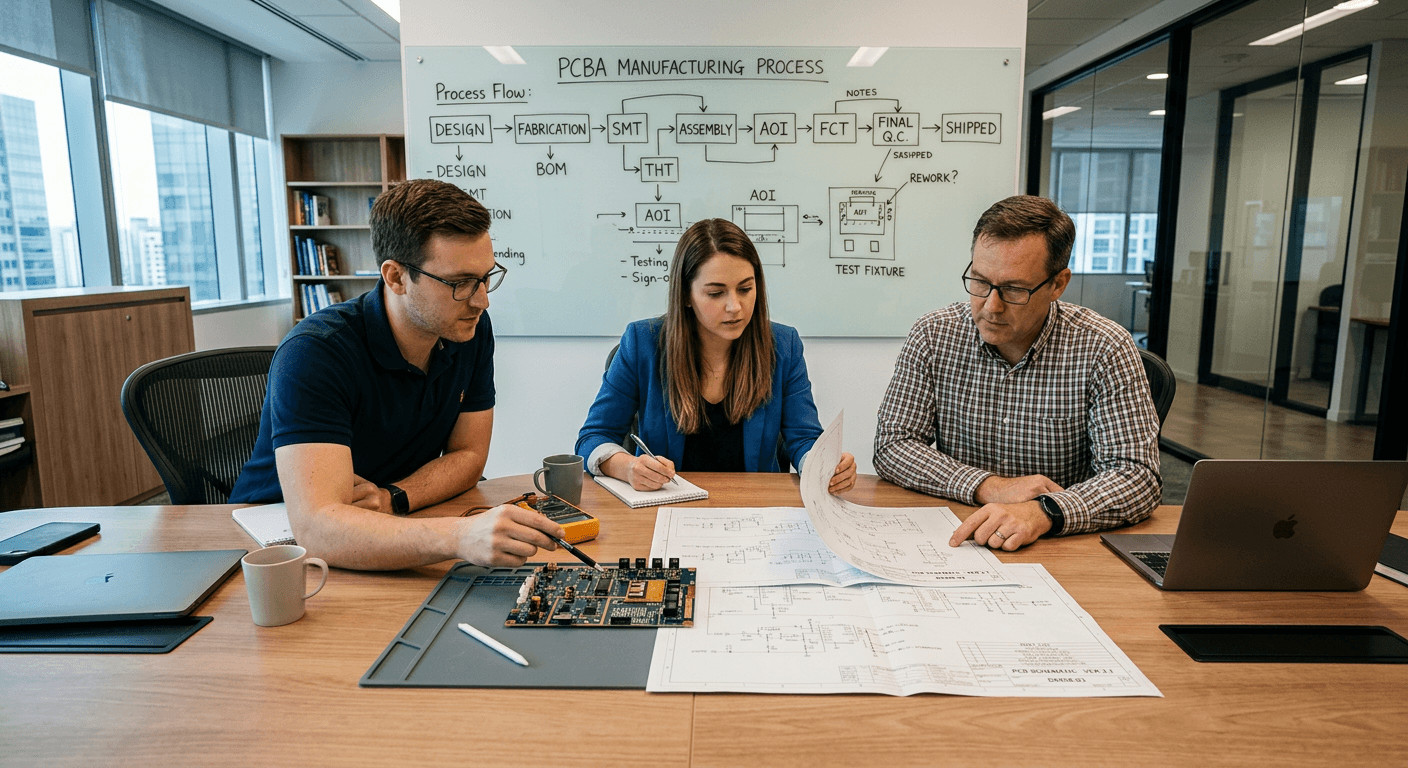
Ready to partner with a pcb assembly company that understands your technical and commercial needs? Submit your RFQ today and receive a detailed proposal with DFM feedback, lead time, and quality documentation.