

For commercial and industrial (C&I) facilities, energy costs are no longer just a line item—they are a critical operational variable. Utility demand charges, which penalize facilities for their highest periods of power consumption, can account for up to 50% of a monthly electricity bill. To combat this, system integrators and electrical engineers are turning to advanced battery energy storage system design.
Developing a reliable commercial BESS design requires more than just stacking lithium-ion cells. It demands sophisticated power electronics, rigorous thermal management, and seamless mechatronic integration. At TPS Elektronik, our R&D and engineering teams specialize in the hardware and software architectures that make modular C&I battery storage safe, efficient, and highly profitable for end-users.
1. The financial driver: Demand charge reduction BESS
The primary economic engine for C&I energy storage is peak shaving. Industrial facilities experience massive spikes in power draw when heavy machinery, HVAC systems, or automated production lines start up. Utilities measure these peaks (often in 15-minute intervals) and apply a “demand charge” based on the highest peak recorded during the billing cycle.
A peak shaving battery design monitors the facility’s load in real-time. When the load approaches a predefined threshold, the BESS discharges, supplying the necessary power and keeping the grid draw artificially low. This demand response battery design requires incredibly fast and precise power electronics to switch from charge to discharge modes in milliseconds, ensuring the utility meter never registers the spike.
Furthermore, a load shifting battery system allows facilities to store cheap energy during off-peak hours (or from a commercial solar battery design setup) and deploy it when grid prices are highest. According to the U.S. Department of Energy (DOE), energy storage is critical for grid modernization and commercial energy resilience.
2. Scalability through modular battery system design
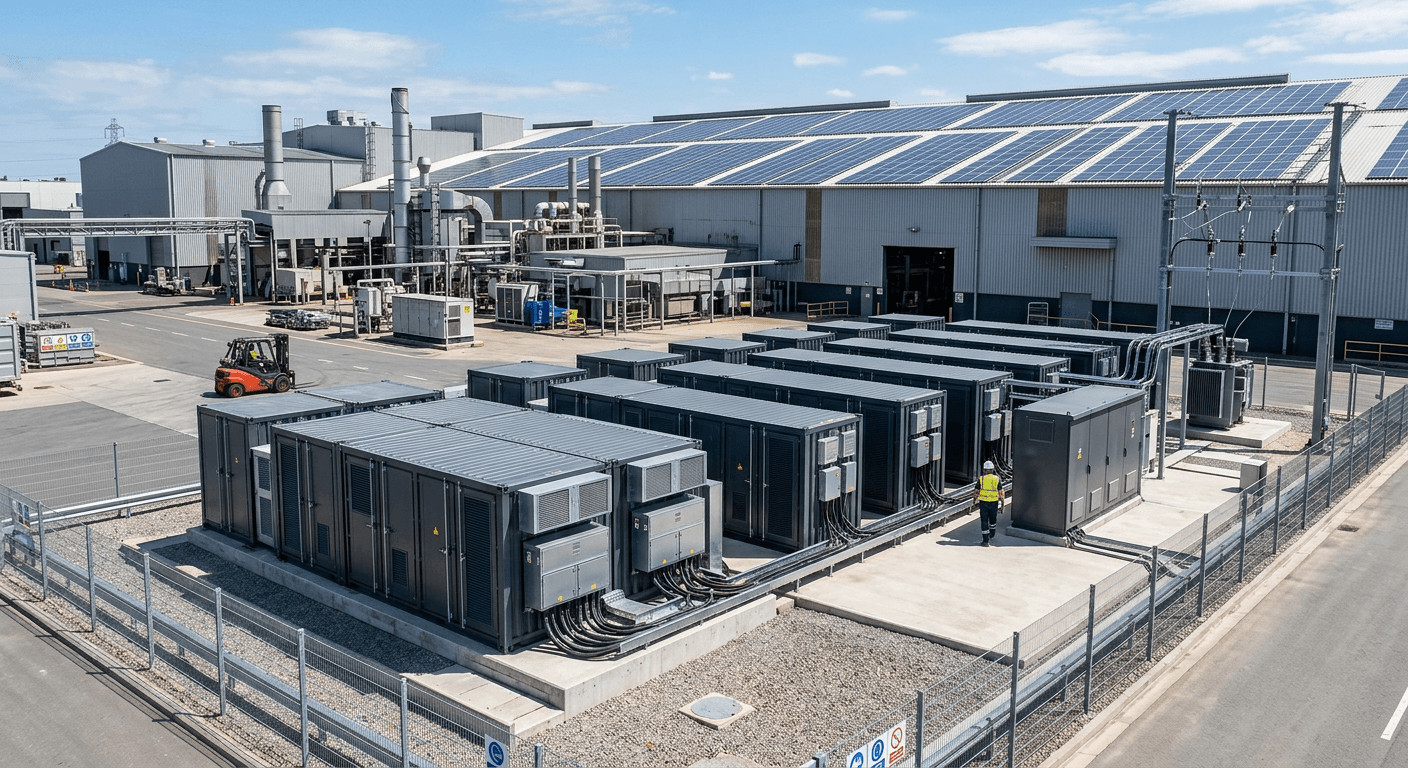
No two industrial facilities have the exact same load profile. Therefore, a monolithic battery design is rarely cost-effective. The industry standard has shifted toward modular battery system design.
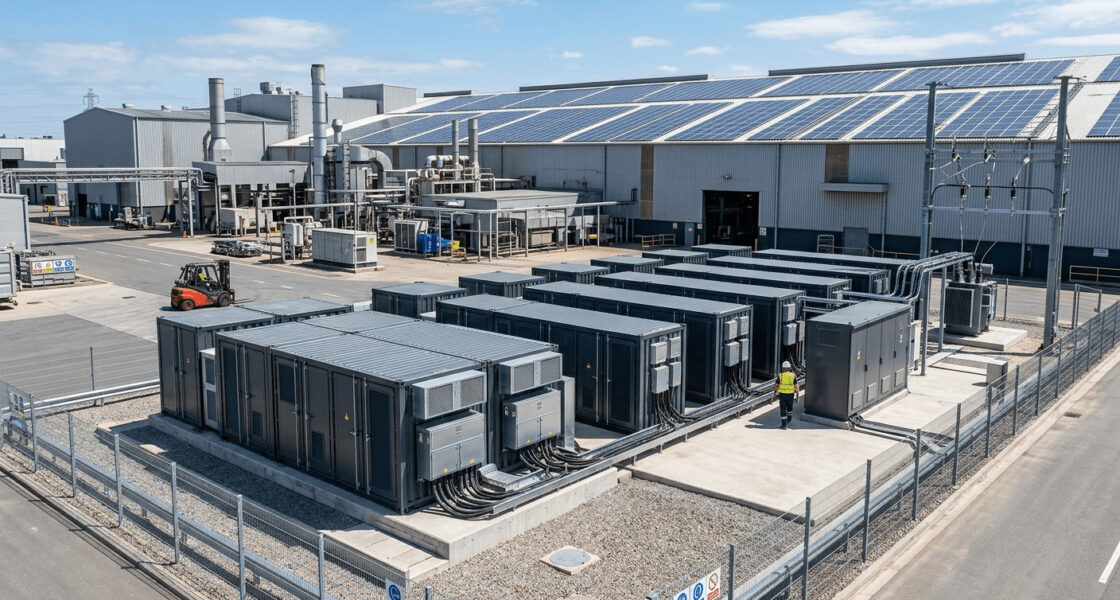
In a modular architecture, the BESS is built using standardized, hot-swappable battery racks and power conversion modules. This allows system integrators to scale capacity (kWh) and power (kW) independently. If a facility expands its production line, additional modules can be integrated into the existing industrial battery storage design without overhauling the entire system.
At TPS Elektronik, our R&D services focus on creating the underlying infrastructure for these modular systems, ensuring that communication protocols, power routing, and safety interlocks function flawlessly as the system scales.
3. Power electronics: High power density BESS architecture
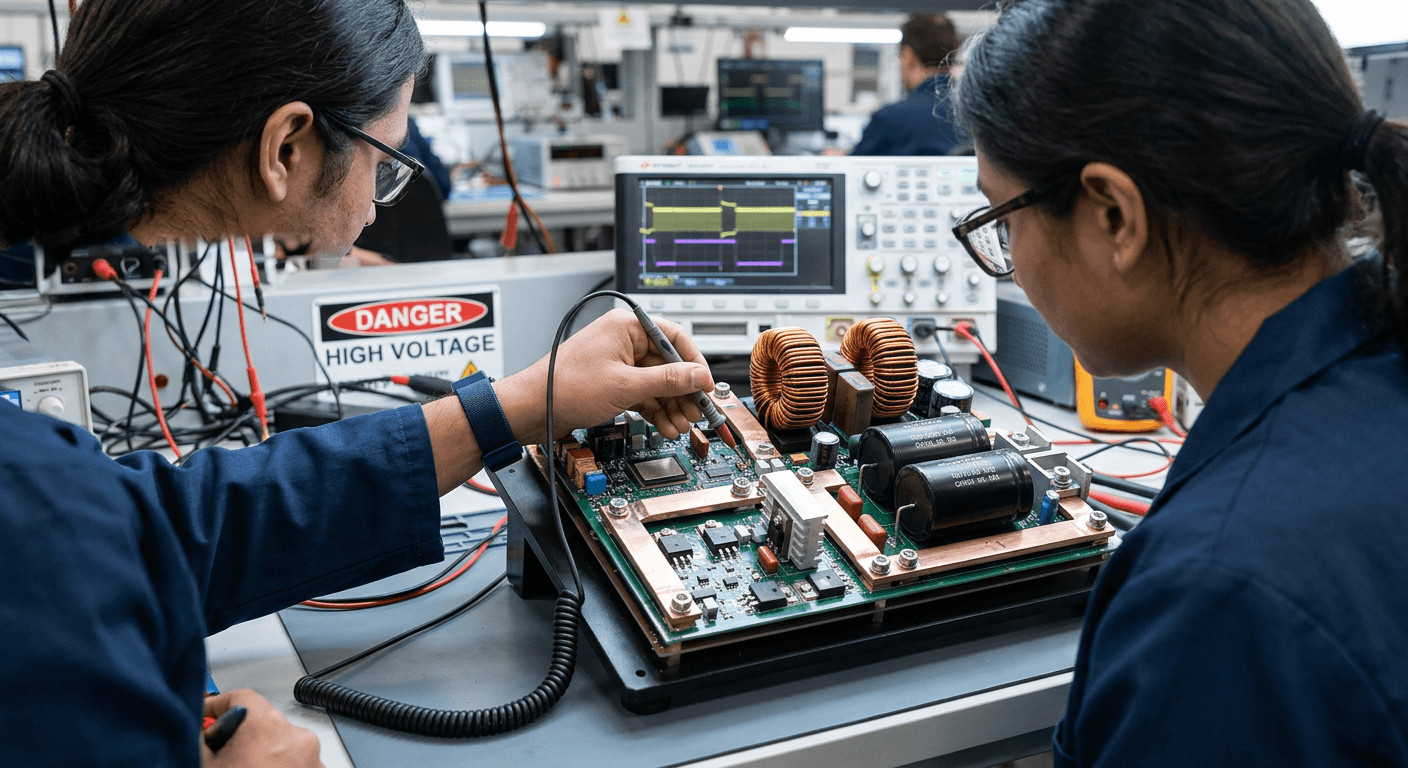
The heart of any BESS for peak shaving is its power conversion system (PCS). The PCS must convert DC power from the batteries into grid-synchronized AC power, and vice versa. Achieving a high power density BESS means minimizing the physical footprint of these inverters and converters while maximizing their throughput.
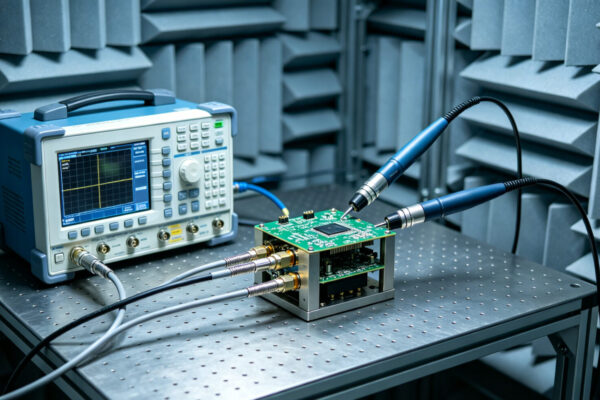
This requires advanced PCB layout and component selection. Our engineering teams frequently utilize wide-bandgap semiconductors (like Silicon Carbide – SiC) to increase switching frequencies and reduce the size of magnetic components. We specialize in buck-boost converter design and PCB layout, which is essential for managing the varying voltage levels of battery racks as their state of charge (SoC) fluctuates.
By optimizing the custom power supply architecture within the BESS, we help integrators achieve higher round-trip efficiencies, meaning less energy is lost as heat during the charge/discharge cycles.
4. Safety first: BESS cooling system design
High power density introduces a significant engineering challenge: heat. Lithium-ion batteries are highly sensitive to temperature variations. Operating outside their optimal thermal window degrades cell lifespan and, in extreme cases, can lead to thermal runaway.
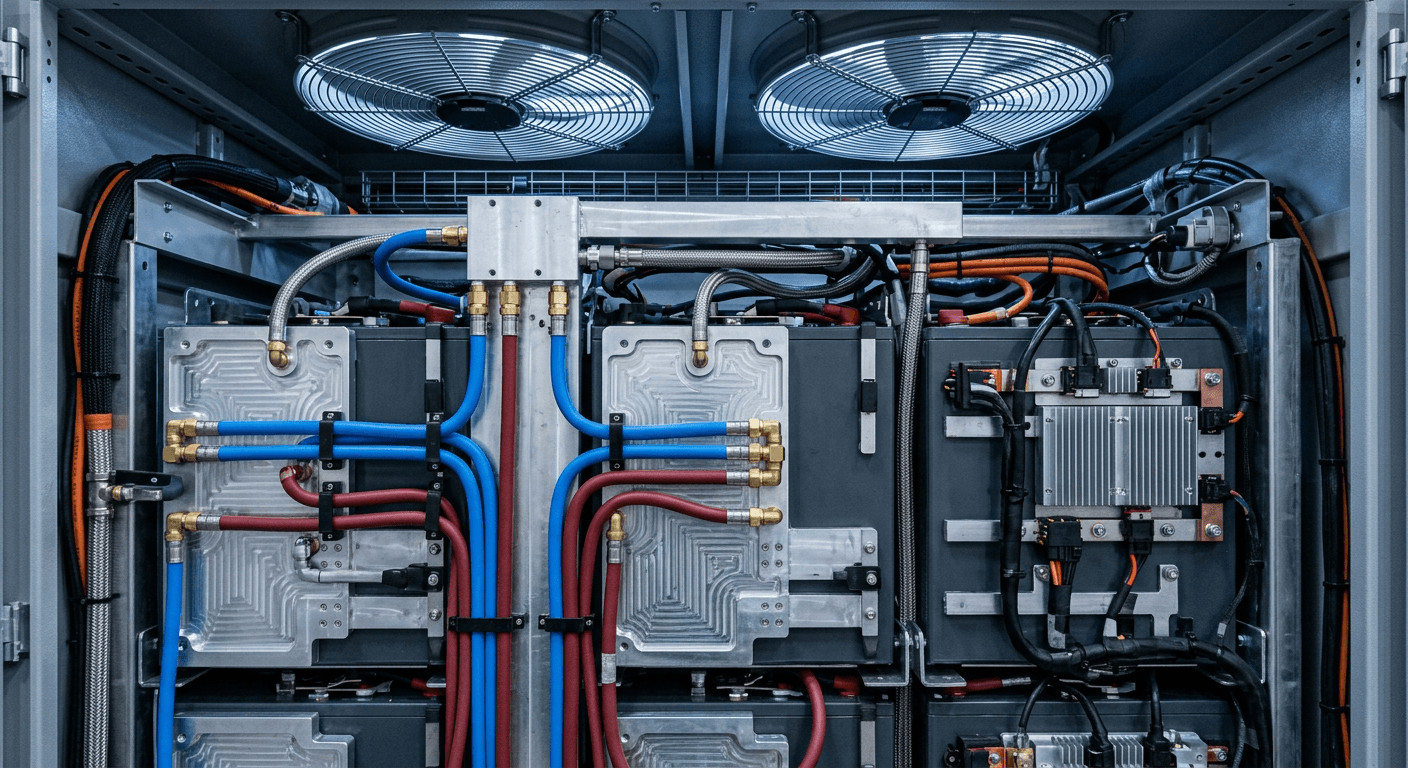
Effective BESS cooling system design is non-negotiable. While smaller systems might rely on forced air, a commercial-scale active thermal management BESS often utilizes liquid cooling. Liquid cooling plates integrated directly into the battery modules provide superior heat dissipation and maintain a uniform temperature across all cells.
TPS Elektronik’s mechatronics expertise allows us to design and integrate the control systems that drive these thermal management units. We develop the sensor networks and control logic that monitor cell temperatures in real-time, dynamically adjusting pump speeds and fan rates to ensure absolute safety and longevity.
5. Mechatronics and circuit protection integration
A successful battery energy storage system design is a masterclass in mechatronic integration. It is the seamless marriage of heavy-duty electrical engineering, sensitive control electronics, and robust mechanical enclosures.
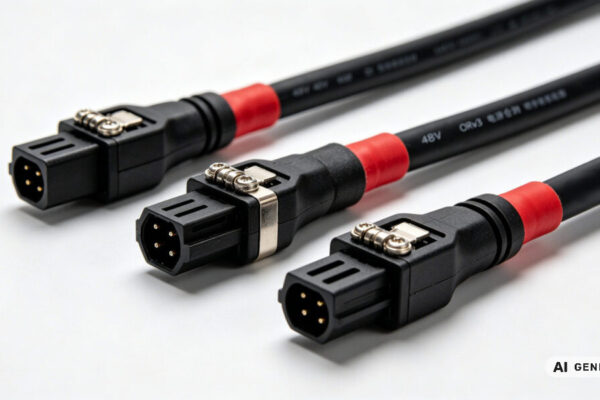
One of the most critical aspects of this integration is circuit protection. A commercial BESS must be able to safely isolate itself from the grid or shut down internal modules in the event of a fault. We leverage our deep experience in circuit breaker panel design and ECAD/MCAD integration to ensure that high-voltage DC contactors, fuses, and breakers are optimally placed for both safety and maintenance access.
From the initial PCB layout of the Battery Management System (BMS) to the final assembly of the control cabinet, TPS Elektronik provides the comprehensive R&D and engineering services required to bring a commercial BESS to market.