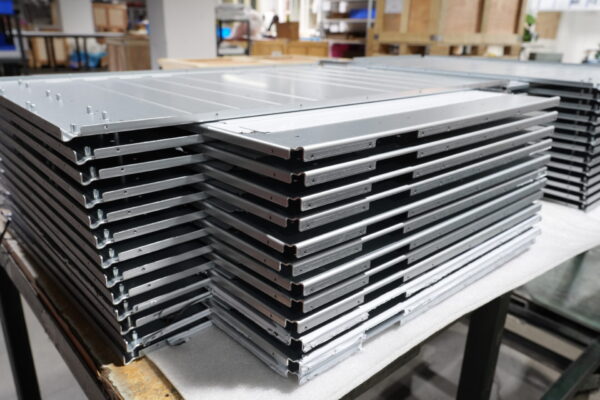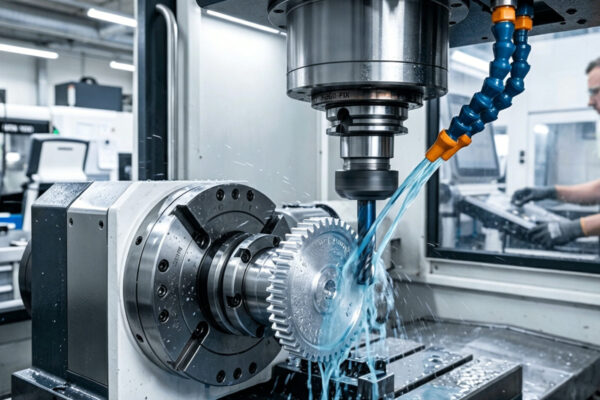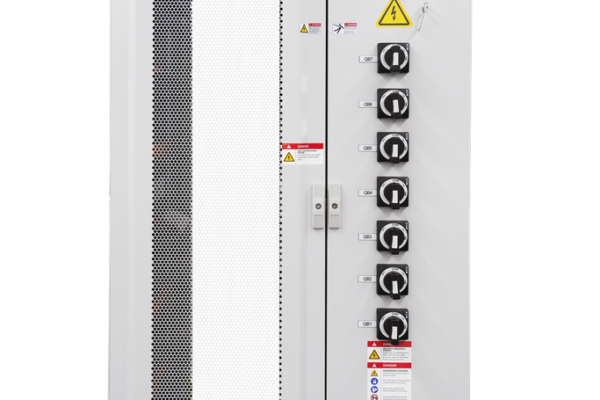


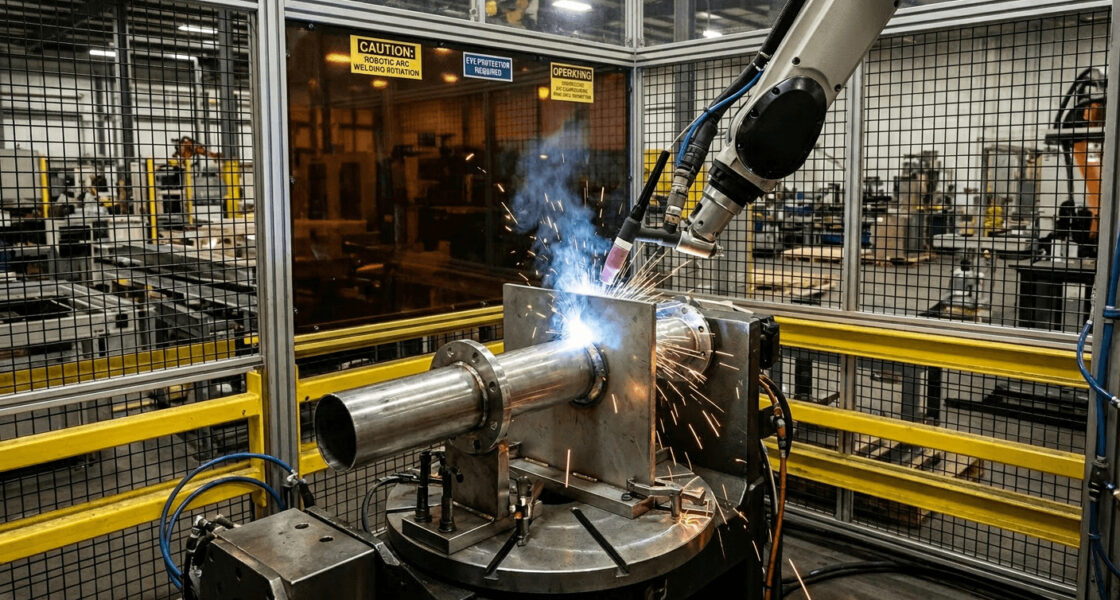
This case study describes how TPS Elektronik supported a European industrial automation OEM (name withheld) in overcoming manufacturing challenges related to sheet metal fabrication and CNC tube bending for a new generation of control cabinets.
By combining sheet metal fabrication, CNC tube bending, welding, and finishing within a single manufacturing workflow, TPS helped streamline production, improve manufacturing consistency, and reduce supplier coordination.
1. Project Overview
A European industrial automation OEM was preparing to scale production of a new family of control cabinets featuring integrated cooling ducts and complex tube assemblies.
The existing supply chain relied on multiple suppliers for sheet metal fabrication, tube bending, and welding. As production volumes increased, supplier coordination became increasingly difficult, leading to inconsistent component fit, longer lead times, and additional rework.
TPS Elektronik was selected to provide an integrated manufacturing solution covering design feedback, sheet metal fabrication, tube bending, welding, and final assembly.
By consolidating these manufacturing processes within a single project, the customer reduced interface complexity throughout the supply chain.
For a comprehensive overview of our capabilities, see our Custom Sheet Metal Fabrication guide.
2. The Challenge
The new cabinet design required:
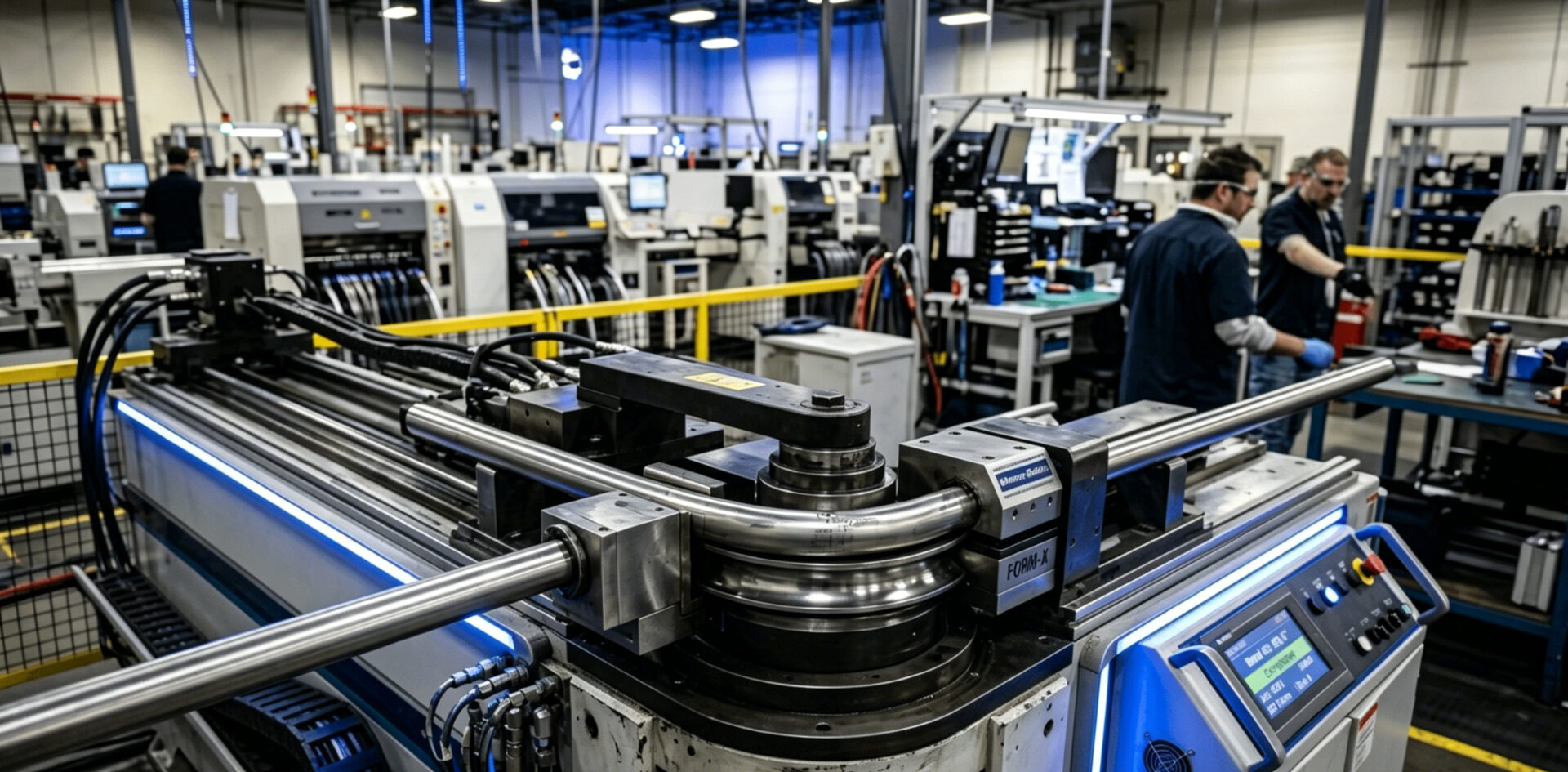
- Stainless steel tubes with tight bend radii for integrated cooling channels
- Complex three-dimensional tube geometries requiring repeatable CNC bending
- Welded assemblies with demanding cosmetic and structural requirements
- Sheet metal enclosures with cut-outs, threaded inserts, and powder coating that aligned accurately with the tube assemblies
The previous manufacturing model involved separate suppliers for:
- Sheet metal fabrication
- CNC tube bending
- Welding
This resulted in:
- Variations in bend angles and springback between production batches
- Longer lead times caused by supplier coordination
- Additional rework due to interface mismatches
- Separate quality documentation from multiple suppliers
The customer therefore looked for a manufacturing partner capable of providing integrated sheet metal fabrication, CNC tube bending, welding, and quality management within a single production workflow.
3. The Solution
To address these challenges, TPS implemented an integrated manufacturing approach.
3.1 CNC Tube Bending
TPS manufactured the tube assemblies using CNC tube bending equipment suitable for stainless steel and aluminium tubes.
The manufacturing process included:
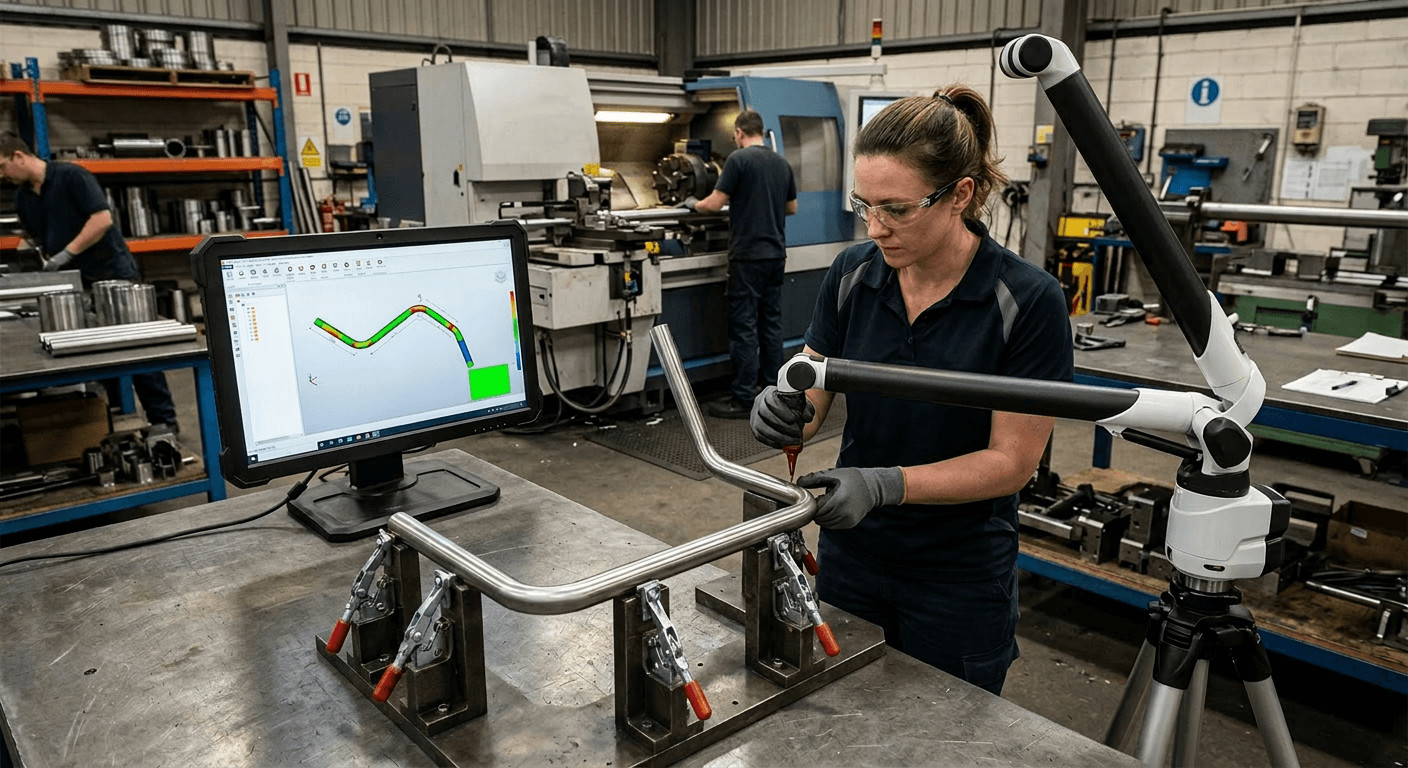
- Simulation of bending sequences
- Mandrel bending where appropriate
- In-process dimensional inspections
This approach supported consistent and repeatable tube geometries throughout production.
3.2 Sheet Metal Fabrication and Welding
In parallel, the sheet metal enclosures were manufactured using:
- Laser cutting
- CNC press brake forming
- Automated welding
Depending on the application, suitable welding methods were selected, including:
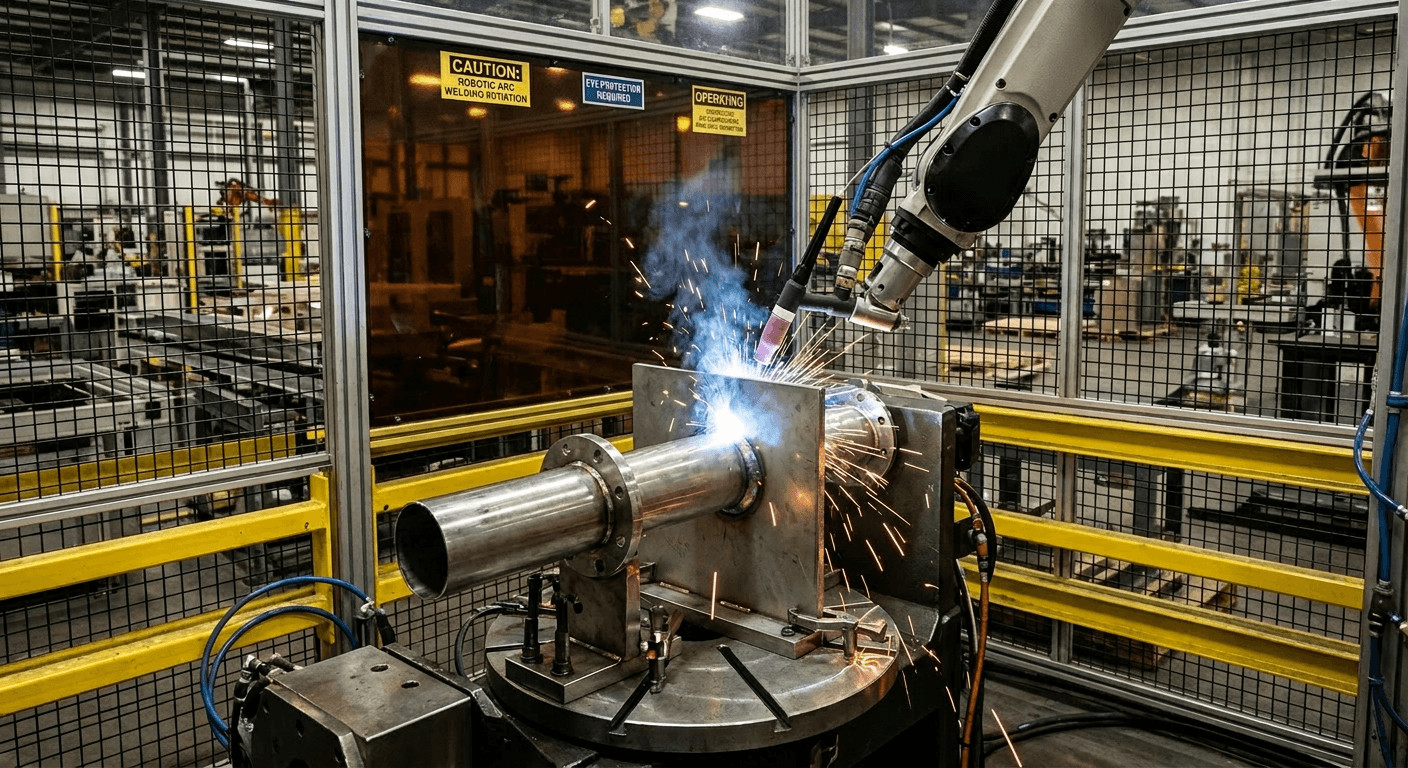
- TIG welding for stainless steel tube-to-plate joints
- MIG welding for structural assemblies
- Robotic welding for repeatable sub-assemblies where appropriate
For more information, see our guides on MIG Welding and MIG vs TIG Welding.
3.3 Design for Manufacturability (DFM)
TPS provided DFM feedback during the design phase to help optimise tube bend radii and support efficient tooling.
A First Article Inspection (FAI) covering both tube and sheet metal components was completed before series production to verify interface compatibility.
Learn how integrated sheet metal and tube bending can streamline supplier coordination →
4. Project Results
Following implementation of the integrated manufacturing approach, the customer reported several operational improvements:
- Reduced project lead times compared with the previous multi-supplier process
- Improved fit between tube assemblies and sheet metal enclosures
- Lower rework resulting from better manufacturing coordination
- Consolidated quality documentation from a single manufacturing partner
The engineering team also incorporated DFM recommendations into the final design, allowing standard tooling to be used for several tube geometries.
The project subsequently expanded into additional sheet metal and tube fabrication work for further product families.
For system integrators and panel builders, this case demonstrates how integrated manufacturing can reduce supplier interfaces while simplifying project coordination.
Explore our EMS Sheet Metal Processing for Electronics Enclosures page for additional information.
5. FAQ
What types of tube bending equipment does TPS use?
TPS uses CNC tube bending equipment with mandrel bending capabilities where appropriate for steel, stainless steel, and aluminium tubes. Depending on the application, both rotary draw bending and roll bending processes are available.
How does TPS ensure accurate alignment between tube assemblies and sheet metal parts?
Design for Manufacturability (DFM) reviews and First Article Inspection (FAI) are used to verify compatibility between tube assemblies and sheet metal components before series production.
Can TPS support both prototypes and series production?
Yes. TPS supports projects ranging from prototype builds through to series production while providing DFM feedback and manufacturing documentation throughout the project.
Which quality standards apply?
TPS states that its facility is ISO 9001 certified. Where required by customer projects, manufacturing can support industry-specific requirements, including ISO 13485, IATF 16949, ISO 2768, ISO 3834, or customer-defined specifications, where applicable.