

For system integrators, panel builders, and engineering-driven procurement teams, designing energy storage systems or battery testing rigs presents a unique set of challenges. The demand for higher power density, thermal reliability, and seamless energy recycling is pushing traditional unidirectional power architectures to their limits.
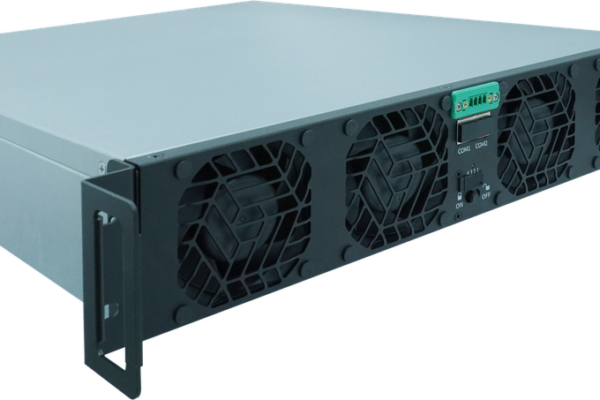
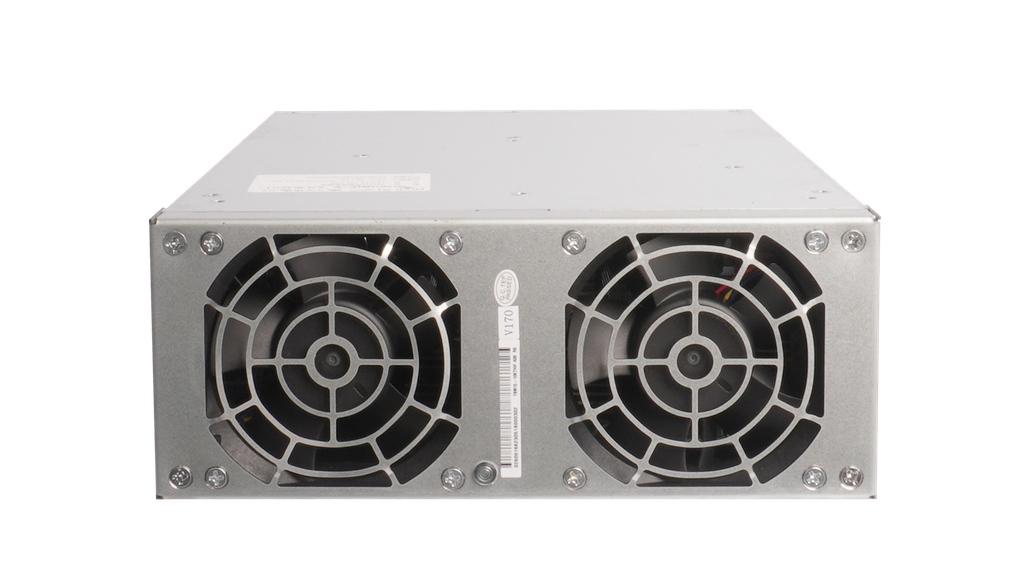
Integrating a bidirectional power supply is no longer a luxury; it is a necessity for modern energy management. However, dealing with bulky transformers, complex cooling, and communication protocols can delay project timelines. The TPS-DM570T1512KIF is a compact, high-performance DC-DC bidirectional power module designed to solve these exact integration bottlenecks. Delivering up to 12000W in a mere 5.5kg package, it redefines what is possible in industrial energy conversion.
1. The Integration Challenge in Modern Energy Systems
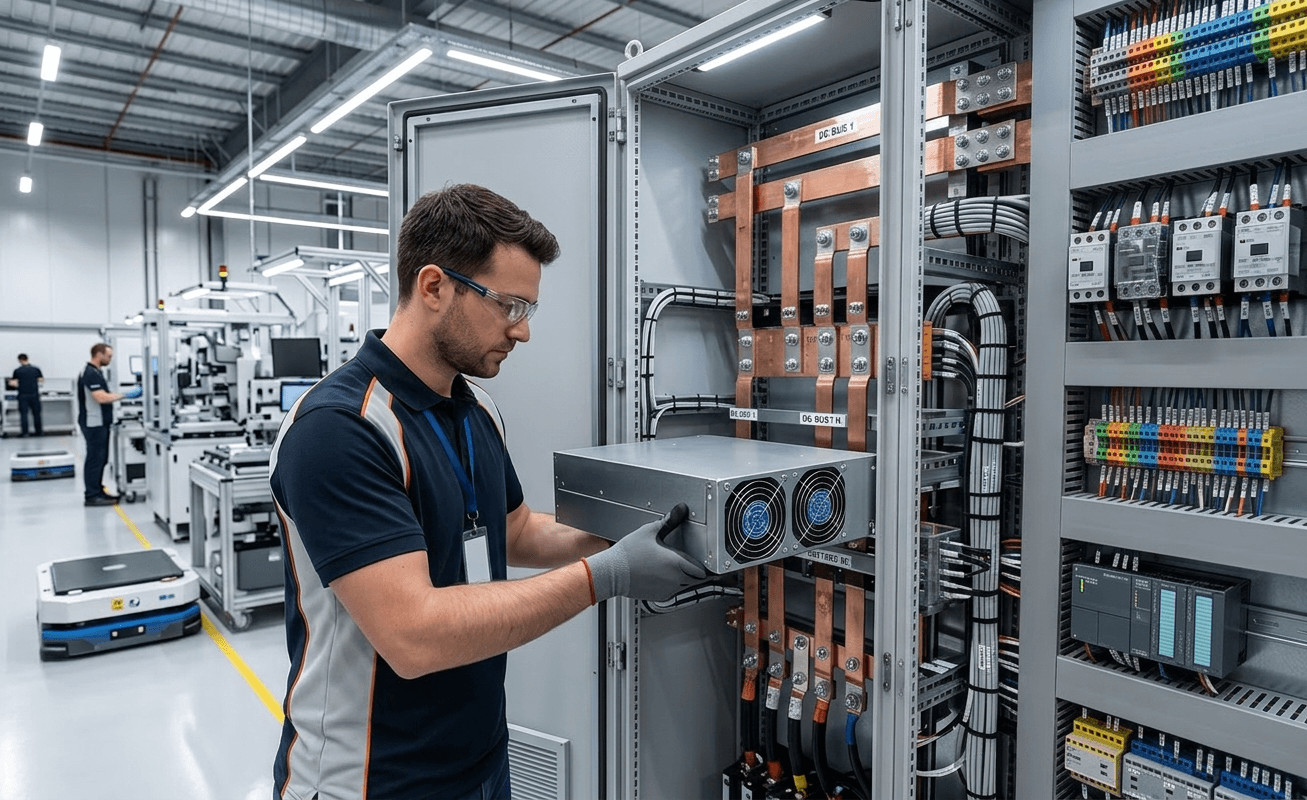
When building a modular power supply system for industrial applications, engineers face strict constraints regarding cabinet space, thermal dissipation, and safety isolation. Traditional setups often require separate rectifiers and inverters, doubling the footprint and complicating the control logic.
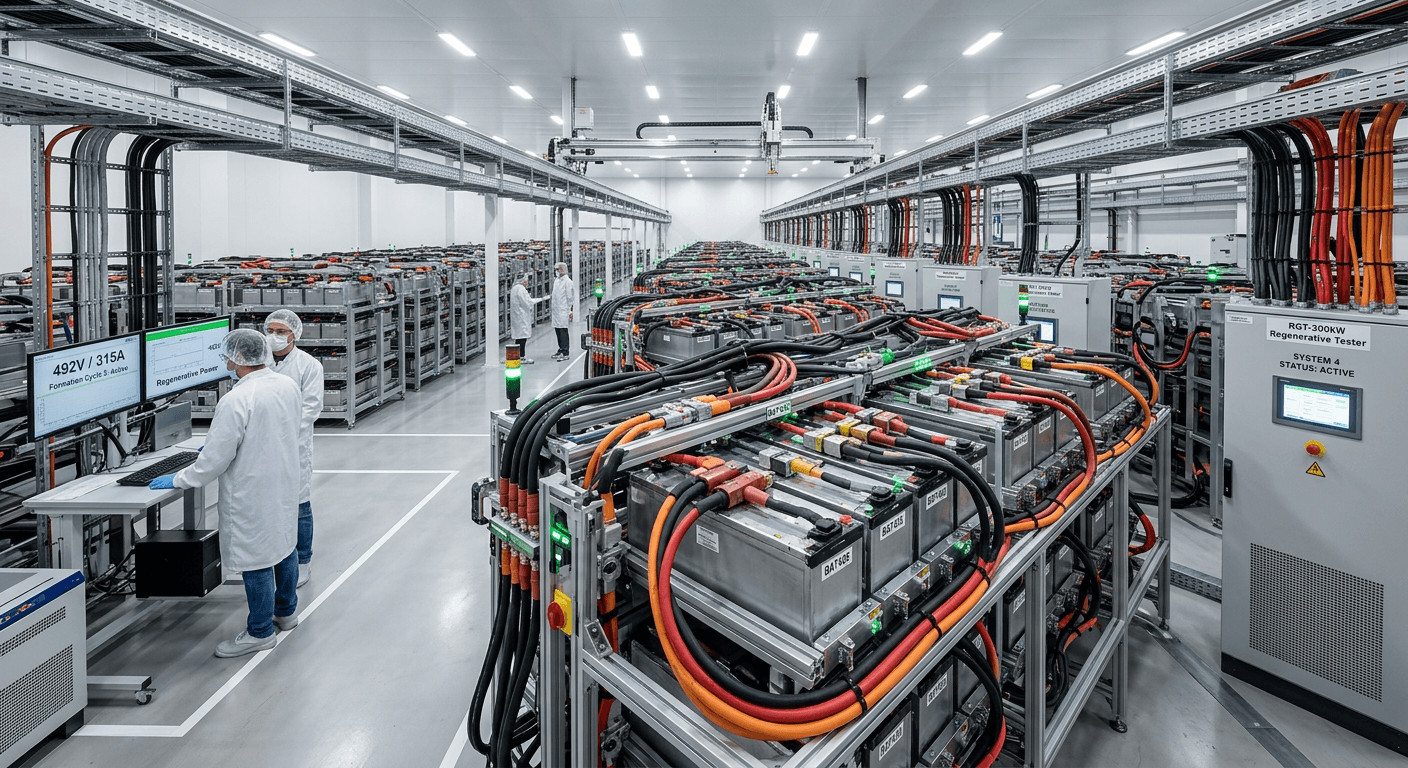
Furthermore, in applications like lithium-ion battery formation, discharging batteries through resistive loads wastes massive amounts of energy. The shift towards a regenerative DC power supply architecture allows this energy to be recycled. However, integrating these systems requires modules that can handle high currents, provide galvanic isolation, and communicate seamlessly with the master Battery Management System (BMS).
2. Core Capabilities of the TPS-DM570T1512KIF
The TPS-DM570T1512KIF is engineered to simplify these complex integrations. As a true bidirectional power supply module, it enables autonomous bidirectional energy flow. It operates as a 12000W/9600W DC-DC module, delivering 12kW in the forward (buck) direction and 9.6kW in the reverse (boost) direction.
One of the standout features that makes this a high efficiency power module is its peak efficiency of 94.5% at a 570VDC input. Achieving this level of efficiency in a compact 300mm × 220mm × 86mm form factor strongly implies the use of advanced wide-bandgap semiconductors, making it a cutting-edge SiC based power supply solution. This high efficiency directly translates to less heat generation, simplifying the thermal management requirements for panel builders.
3. Deep Dive: Electrical & Thermal Performance
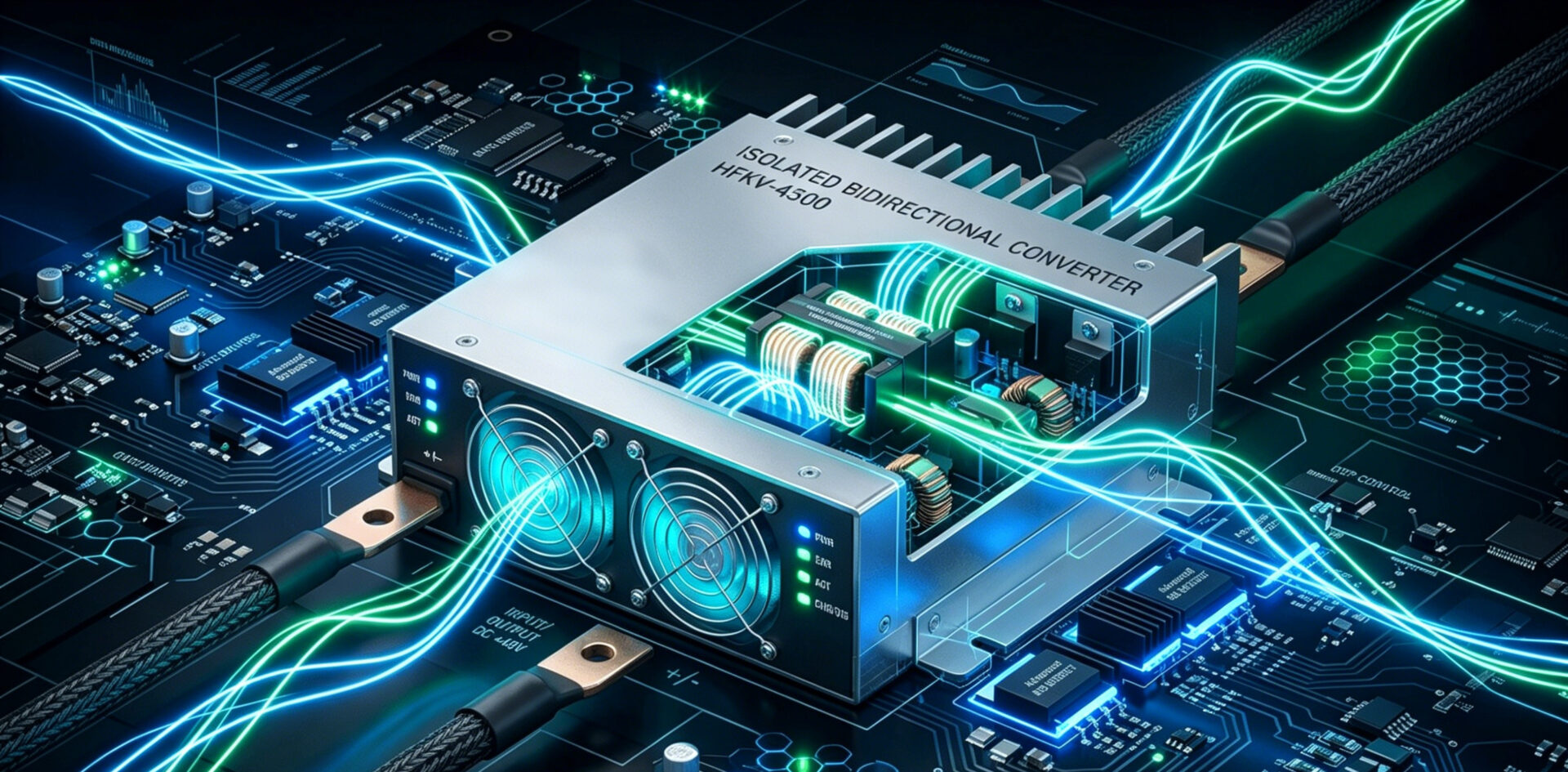
Safety and stability are paramount in high-power DC systems. The TPS-DM570T1512KIF functions as an isolated bidirectional converter. It is equipped with a built-in high-frequency isolation transformer. Unlike bulky line-frequency transformers, this high-frequency design provides essential galvanic isolation between the high-voltage DC bus (570VDC) and the low-voltage output (14-16VDC) while keeping the weight down to just 5.5kg.
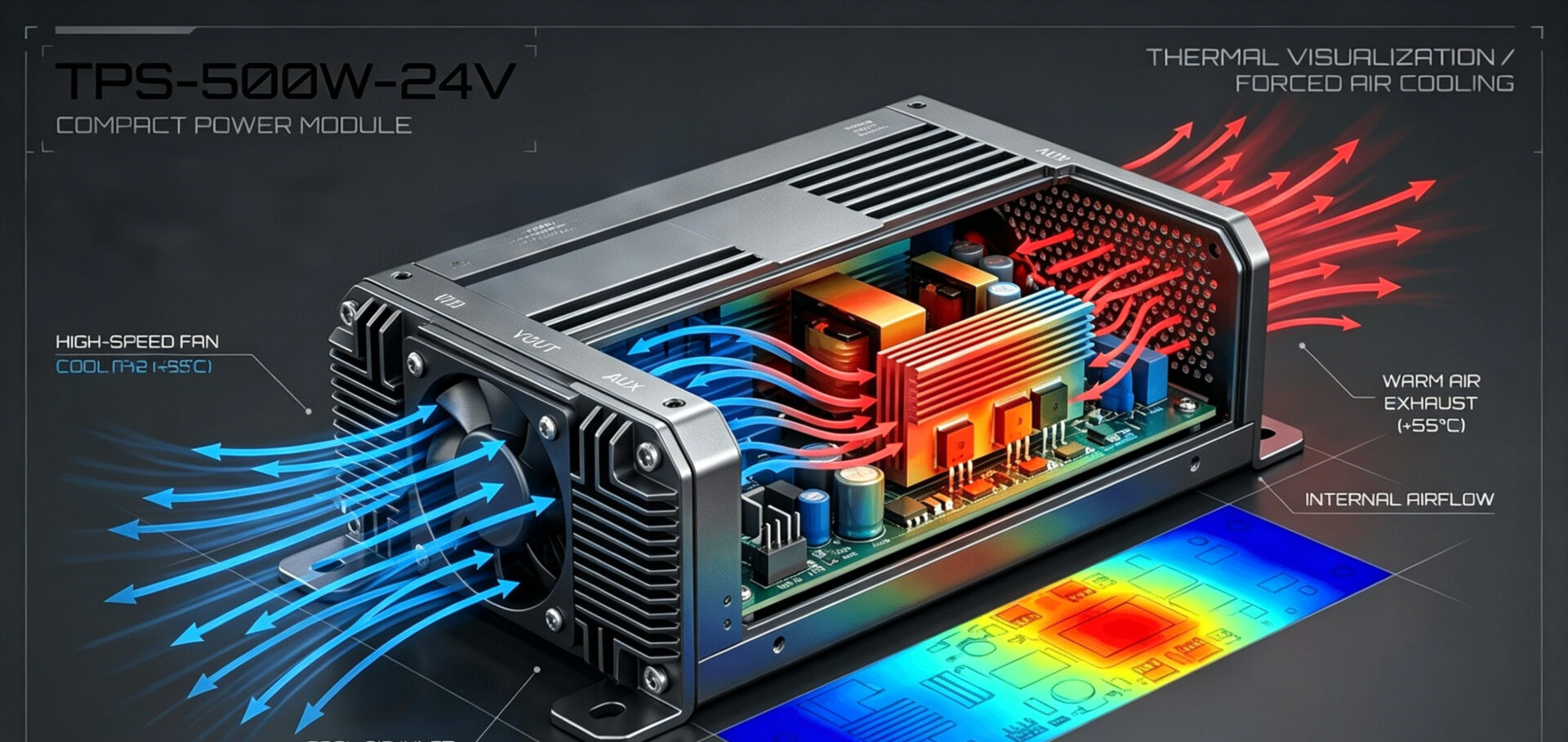
Thermally, the unit is a forced air cooling power module featuring intelligent control. It operates reliably in a wide temperature range from -10°C to 60°C. System integrators should note the derating curve: it provides full load capacity between -10°C and 30°C, with a 90% power derating applied between 30°C and 60°C to protect the internal components.
4. Specialized Applications: Battery Testing & Simulation
The specific voltage and current ratings of this module (570VDC input, 14-16VDC output, 800A/640A current) make it highly specialized for the battery manufacturing sector.
- Regenerative Battery Test: During the cell formation process, batteries must be repeatedly charged and discharged. This module acts as a Lithium formation test module, providing the massive 800A required for charging, and seamlessly reversing to push 640A back to the DC bus during discharge, recycling the energy.
- Battery Simulator Power Supply: For testing inverters or motor drives, this module can simulate the charge/discharge characteristics of a low-voltage, high-capacity battery pack, providing a highly dynamic and programmable DC link.
5. Product Specifications & Features
To assist engineering teams in their evaluation, below is a structured overview of the TPS-DM570T1512KIF capabilities.
6. System Architecture & Scalability
Because the TPS-DM570T1512KIF is a DC-DC module, it is designed to be part of a larger ecosystem. In a typical industrial setup, this module connects to a high-voltage DC bus (around 570VDC).
To connect this DC bus to the local utility grid, system integrators will pair these DC-DC modules with a front-end grid-tied bidirectional supply, often a three phase bidirectional supply (AC-DC active front end). This architecture allows multiple TPS-DM570T1512KIF modules to operate in parallel on the same DC bus. When one battery cell is discharging, its energy can flow across the DC bus to charge an adjacent cell, or flow through the AC-DC front end back to the grid. This modular approach provides ultimate scalability and redundancy.
View our full range of Bidirectional Power Modules →
7. RFQ Checklist for System Integrators
To streamline the quotation and technical evaluation process, please prepare the following details when requesting an RFQ:
- Application Details: Are you building a battery formation system, a simulator, or an energy storage node?
- System Power Requirements: How many 12kW modules do you intend to parallel?
- Upstream Architecture: Do you already have a 570VDC bus established, or do you also require the AC-DC front-end converter?
- Control Interface: Confirm your compatibility with the module’s CAN communication protocol.
- Environmental Constraints: Ensure your cabinet design can accommodate the forced air cooling and the 30°C full-load temperature threshold.
8. FAQ
What does “high-frequency isolation” mean in this context?
It means the module uses a high-frequency transformer internally to provide galvanic isolation between the 570VDC input and the 14VDC output. This ensures safety and prevents fault propagation, while keeping the module much smaller and lighter (5.5kg) than traditional line-frequency transformers.
How is the module controlled?
The TPS-DM570T1512KIF features a built-in CAN communication interface. This allows a master controller or BMS to send precise voltage/current setpoints, switch the direction of energy flow, and monitor the module’s status in real-time.
Can this module connect directly to the AC grid?
No, this is a DC-DC bidirectional module. It requires a 570VDC input. To connect to the AC grid, it must be paired with an upstream AC-DC bidirectional rectifier (Active Front End).
What happens if the ambient temperature exceeds 30°C?
The module is designed to protect itself. Between 30°C and 60°C, it applies a 90% power derating. System integrators must ensure adequate cabinet ventilation to maintain full 12kW output.