

For system integrators, panel builders, and engineering-driven procurement teams, selecting the right power supply for an industrial PC (IPC) or embedded system is a critical decision that goes far beyond simple wattage calculations.
Consumer-grade power supplies may look appealing on paper, but they frequently fail under the rigorous demands of factory floors, continuous operation, and harsh thermal environments. This leads to costly system downtime, expensive field maintenance, and damaged brand reputation.
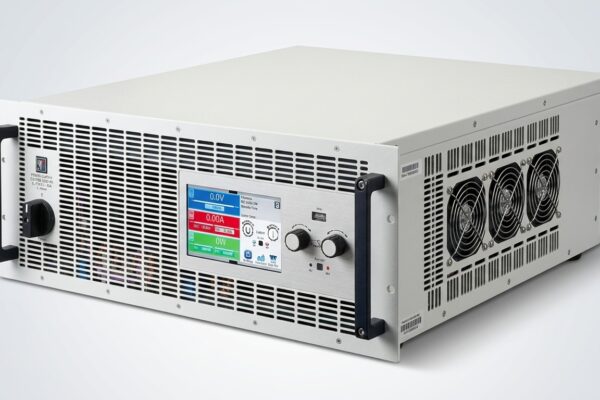
An industrial ATX power supply is engineered specifically to address these challenges. Built with high-grade components, strict lifecycle management, and advanced thermal designs, these units ensure that your automation controllers, medical devices, and edge computing systems run flawlessly.
In this comprehensive guide, we will explore the critical engineering differences between commercial and industrial ATX power supplies, examine key features like wide temperature operation and redundancy, and provide a clear roadmap for selecting the right unit for your next project.
Commercial vs. Industrial ATX Power Supply: The Engineering Gap
When designing an industrial control panel or an edge computing server, engineers often face the temptation to use standard commercial off-the-shelf (COTS) ATX power supplies. However, the engineering gap between COTS and a true industrial ATX power supply is vast.
Commercial units are designed for an average lifespan of 3 to 5 years, operating 8 hours a day in a climate-controlled office (typically 25°C). In contrast, a 24/7 power supply ATX is built for continuous operation in environments where temperatures fluctuate, dust accumulates, and vibrations are constant.
- Component Quality: Industrial units utilize high-end Japanese capacitors rated for 105°C, ensuring a significantly longer Mean Time Between Failures (MTBF), often exceeding 100,000 hours.
- Lifecycle Management: Industrial applications require strict Bill of Materials (BOM) control. A rugged power supply guarantees long-term availability (often 5-10 years) without silent component changes that could invalidate system certifications.
- Hold-up Time: Industrial environments often experience voltage sags. Industrial ATX supplies typically offer extended hold-up times (e.g., >20ms) to allow the embedded system to ride through minor power interruptions or safely shut down.
Powering Embedded Systems: Form Factor and Integration
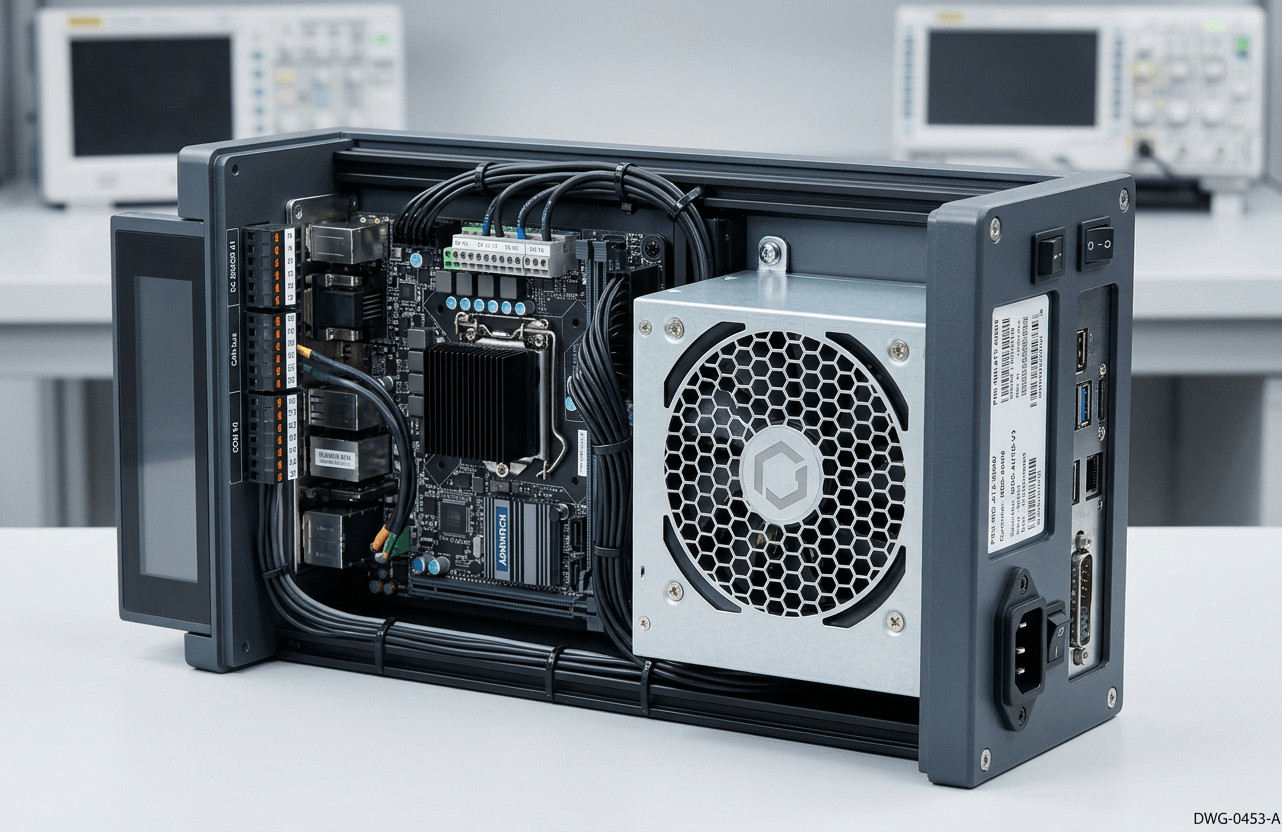
An embedded ATX power supply must fit seamlessly into compact, often custom-designed chassis. While the ATX standard defines the electrical pinouts (like the 24-pin main connector, EPS 8-pin, and PCIe connectors), the physical dimensions can vary to accommodate different industrial enclosures.
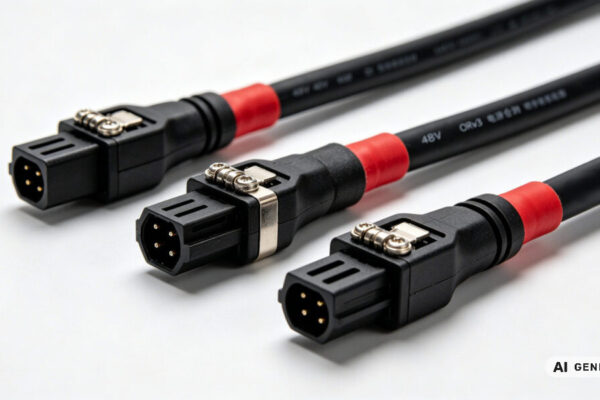
System integrators must consider cable routing, airflow obstruction, and mounting orientations. Many industrial ATX units feature modular or customized cable harnesses to eliminate unnecessary wire clutter, which is crucial for maintaining proper airflow in fanless or densely packed embedded systems.
For standard 1U, 2U, or 4U rackmount IPCs, standard PS/2 ATX form factors are common. However, for specialized automation controllers, you might require specific dimensions. TPS offers a variety of form factors to suit these needs. Explore our full range of ATX PC Power Supplies to find the exact mechanical fit for your chassis.
Thermal Management: The Wide Temperature ATX Power Supply
Heat is the primary enemy of electronic components. In factory automation, outdoor kiosks, or transportation applications, ambient temperatures can easily exceed 50°C or drop below freezing.
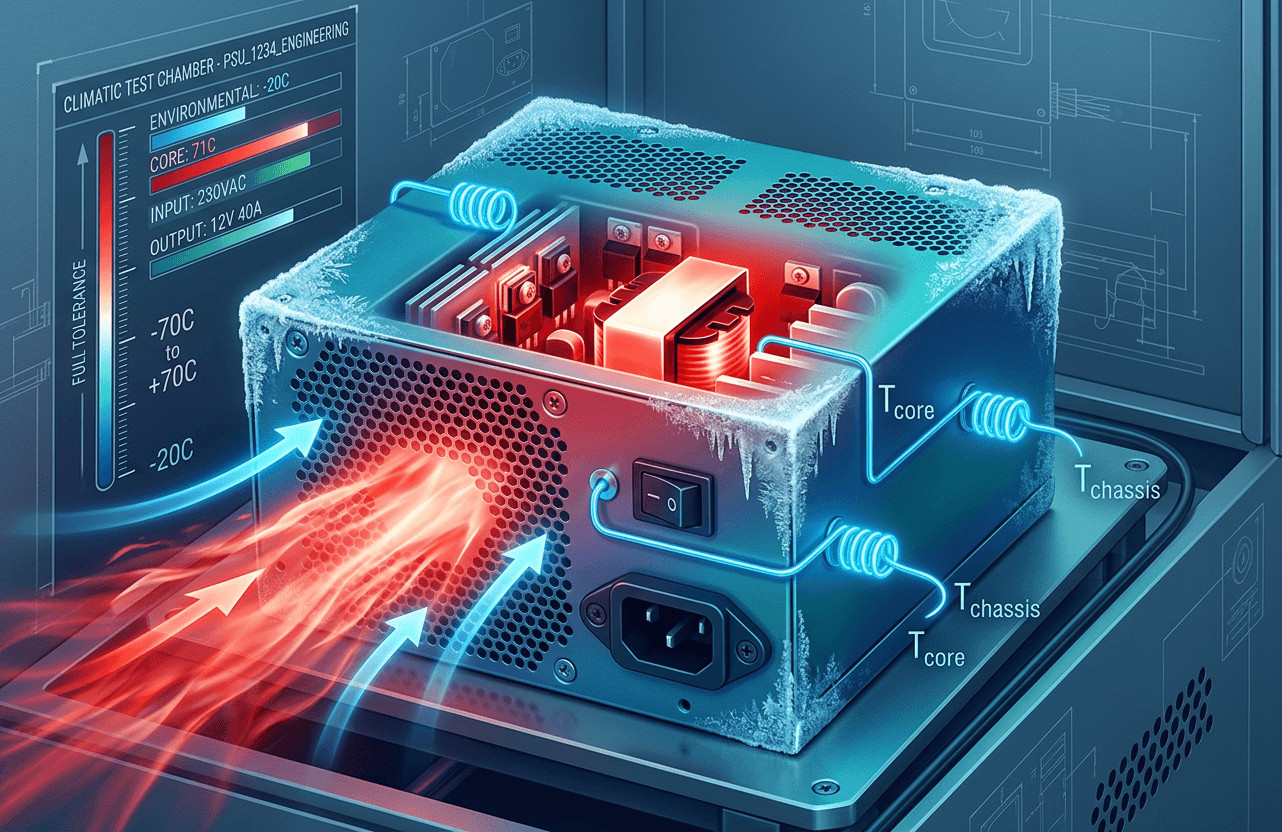
A wide temperature ATX power supply is specifically designed to operate reliably across extreme temperature ranges, typically from -20°C to +70°C. Achieving this requires:
- Advanced Topology: High-efficiency designs (80 PLUS Gold or Platinum equivalents) that generate less waste heat.
- Optimized Airflow: Industrial-grade, dual-ball bearing fans with PWM control that provide high static pressure and long lifespans, even in dusty environments.
- Derating Curves: Clear, documented thermal derating curves. For example, a unit might deliver 100% power up to 50°C, and derate linearly to 50% power at 70°C. Engineers must calculate the system load against these curves to ensure safe operation.
High Availability: ATX Power Supply Redundant Solutions
For mission-critical applications such as SCADA servers, telecom infrastructure, and continuous process manufacturing, a single point of failure is unacceptable. This is where an ATX power supply redundant configuration becomes essential.
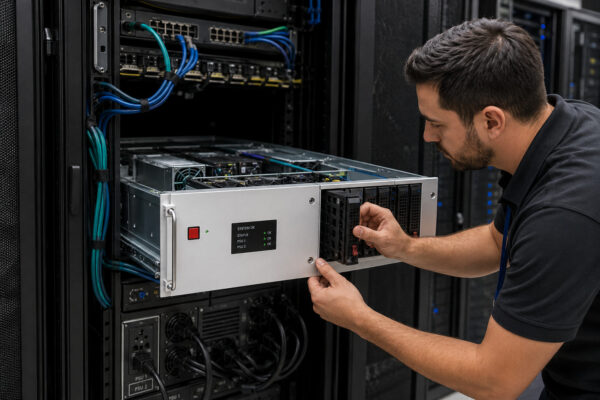
Redundant ATX power supplies typically come in a 1+1 configuration. Two identical power modules are housed within a single frame that fits into a standard ATX or server chassis slot. They share the load during normal operation. If one module fails, the other instantly takes over 100% of the load with zero transfer time, preventing system crashes.
Key features of industrial redundant ATX supplies include:
- Hot-Swappability: Failed modules can be replaced without powering down the system.
- Current Sharing: Active current sharing ensures balanced thermal stress across both modules, extending the overall lifespan.
- PMBus/I2C Communication: Allows the host system to monitor power supply health, fan speed, and temperature in real-time, enabling predictive maintenance.
Compliance in Healthcare: Medical Grade Power Supply ATX
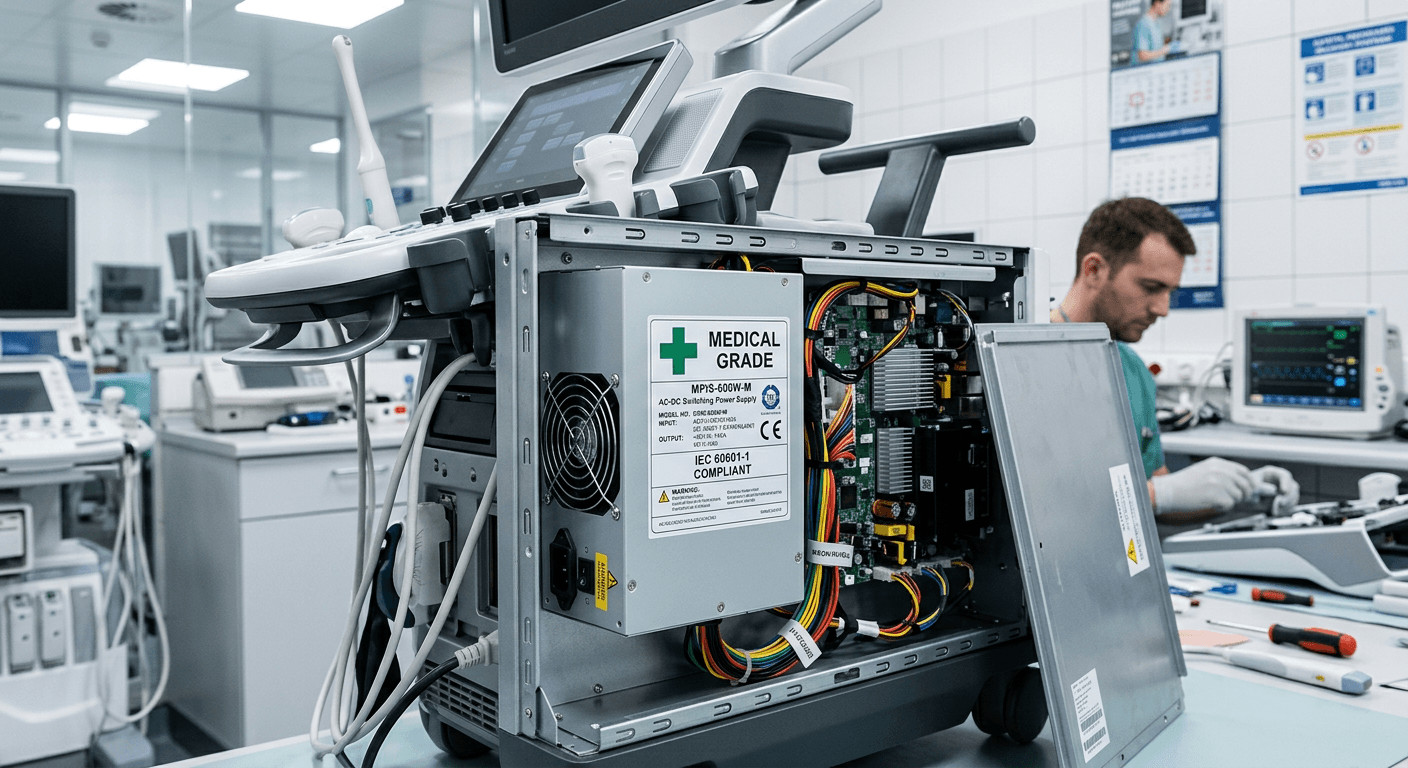
Medical devices, such as diagnostic imaging equipment, patient monitors, and surgical robots, require power supplies that meet stringent safety and isolation standards to protect both patients and operators.
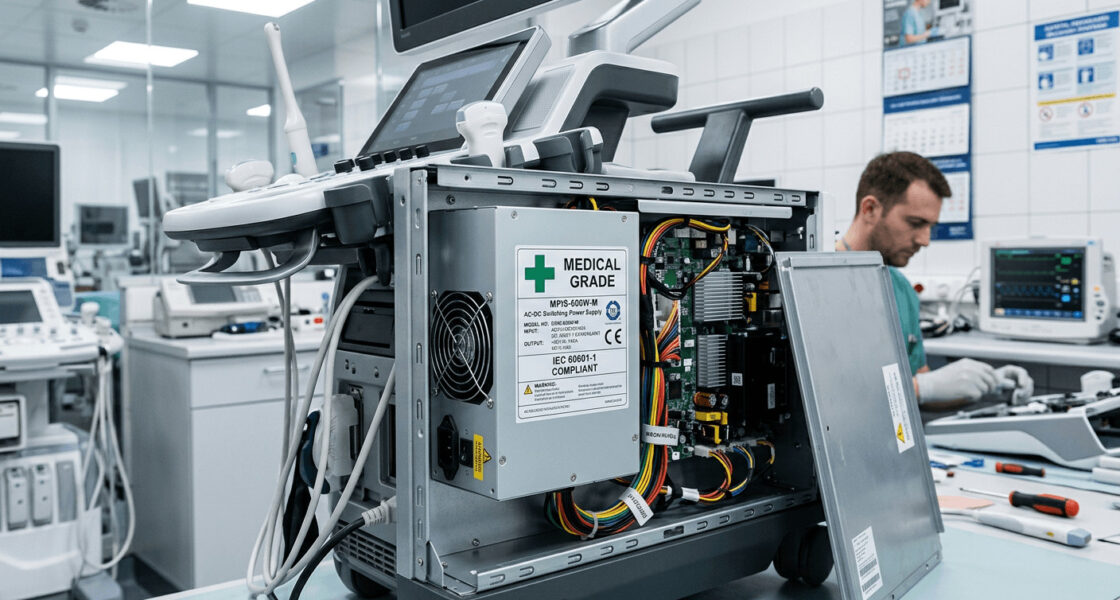
A medical grade power supply ATX (or medical ATX power supply) must comply with the IEC 60601-1 standard. Key engineering requirements include:
- Means of Patient Protection (MOPP): Medical ATX supplies typically require 2x MOPP isolation from primary to secondary circuits to ensure maximum safety against electric shock.
- Ultra-Low Leakage Current: To prevent dangerous currents from reaching the patient, medical power supplies are engineered with extremely low earth leakage and patient leakage currents (often < 100µA).
- EMI/EMC Strictness: Medical environments are highly sensitive to electromagnetic interference. These power supplies must meet strict CISPR 11 / EN 55011 Class B emission standards to avoid interfering with life-saving equipment.
EMC, EMI, and Regulatory Compliance
Integrating an atx power supply into an industrial machine requires careful attention to Electromagnetic Compatibility (EMC). Industrial environments are noisy, filled with transients from heavy machinery, motors, and relays.
A high-quality industrial ATX power supply is tested against rigorous standards, including IEC 62368-1 for IT and industrial equipment safety. Furthermore, they feature robust input filtering to withstand surges, bursts, and electrical fast transients (EFT) as defined by the IEC 61000-4 series.
For panel builders, selecting a pre-certified industrial ATX power supply significantly reduces the time and cost associated with passing system-level CE or UL certifications.
Product Selection Guide: Finding the Right Fit
TPS Elektronik offers a comprehensive portfolio of FSP industrial ATX power supplies tailored for various power requirements and form factors. Below is a selection guide to help you match the right PSU to your application:
Compact & Low-Power Embedded Systems (200W – 300W)
Ideal for fanless IPCs, digital signage, and lightweight automation controllers.
- FSP220-50FGBBI: A highly compact 220W solution for space-constrained embedded systems.
- FSP250-52FGB (24V): 250W unit optimized for 24V industrial environments.
- FSP300-70PFL-SK: A robust 300W ATX supply offering excellent reliability for standard IPCs.
Mid-Range Industrial Automation (350W – 400W)
Perfect for machine vision systems, multi-display HMIs, and standard rackmount servers.
- FSP350-50SAC: 350W power supply with optimized airflow and high efficiency.
- FSP350-70PFL-SK & FSP350-70PFL-SK (Variant): Versatile 350W models designed for 24/7 continuous operation.
- FSP400-70PFL-SK: A 400W workhorse providing stable power for demanding industrial motherboards and peripherals.
High-Performance & Edge Computing (500W – 700W)
Designed for AI edge inference servers, heavy-duty automation, and systems with dedicated GPUs.
- FSP500-50AAC & FSP500-50FDB: 500W units delivering high peak power capabilities and strict voltage regulation for sensitive computing components.
- FSP700-80PSA-SK: A powerful 700W ATX supply, ensuring maximum stability for high-load industrial workstations.
To view our complete inventory and check real-time availability, visit our Industrial ATX Power Supply Catalog.

RFQ & Procurement Checklist
To ensure a smooth procurement process and rapid technical validation, please prepare the following information when submitting an RFQ for an industrial ATX power supply:
- Total System Load: Calculate the continuous load and peak transient loads (especially if using GPUs or motor drives).
- Operating Environment: Specify the ambient temperature range, humidity, and any shock/vibration requirements. Do you need a wide temperature ATX power supply?
- Form Factor Constraints: Confirm the physical dimensions available in your chassis (e.g., standard PS/2, 1U, 2U, or custom).
- Reliability Requirements: Do you require a standard single unit, or an ATX power supply redundant setup for high availability?
- Certifications: Specify if you need standard industrial safety (IEC 62368-1) or specialized certifications like medical grade power supply ATX (IEC 60601-1).
- Cable Harness: Detail the required connectors (SATA, Molex, PCIe, EPS) and cable lengths to avoid airflow obstruction.
Frequently Asked Questions (FAQ)
1. What is the difference between a commercial ATX and an industrial ATX power supply?
Industrial ATX power supplies are built with higher-grade components (like 105°C capacitors), offer strict BOM control for long-term availability, and are designed for 24/7 operation in harsh environments. Commercial units are designed for 8/5 operation in climate-controlled rooms and have shorter lifecycles.
2. Can I use a standard ATX power supply in a medical device?
No. Medical devices require a medical ATX power supply that complies with IEC 60601-1 standards. These units feature 2x MOPP isolation and ultra-low leakage currents to ensure patient safety, which standard ATX supplies do not provide.
3. What does “ATX power supply redundant” mean?
A redundant ATX power supply consists of two (or more) power modules in a single housing. If one module fails, the other instantly takes over the full system load without interruption. This is critical for servers and automation systems that require 24/7 uptime.
4. How do I handle thermal management in a fanless IPC?
For fanless systems, you must select an embedded ATX power supply designed for conduction cooling or natural convection. You must also strictly adhere to the manufacturer’s thermal derating curves, ensuring the ambient temperature inside the chassis does not exceed the PSU’s limits at your specific load.