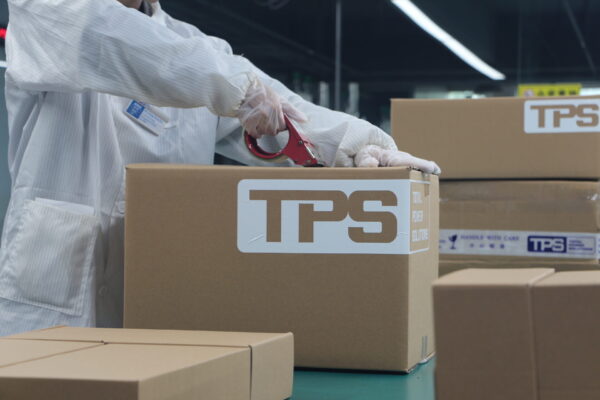



Integrators don’t lose schedules because “manufacturing is hard.” They lose schedules because fulfillment is fragmented:
receiving is handled one way, inspection is documented another way, inventory is tracked somewhere else, and variants get finalized too late (or too early).
This news-style update summarizes how TPS frames Additional Services as an RFQ-ready fulfillment workflow—
connecting incoming goods inspection report, inventory management of raw materials and finished goods,
finished goods inventory management (and managing finished goods inventory across shipment waves),
variant management services, and international shipping for electronics.
Need a quote that procurement and engineering can approve with fewer loops?
Start your inquiry / RFQ:
TPS Additional Services
What’s new (and why BoFu teams should care)
“Additional services” only create value if they reduce exceptions: fewer urgent escalations, fewer wrong-variant shipments,
fewer line stops due to late discovery of damaged or nonconforming material.
TPS positions Additional Services as a single operational layer that can include receiving, inspection documentation,
kitting/picking, late configuration, packaging, and worldwide shipping—so you can treat fulfillment as a controlled process rather than a daily firefight.
If your decision involves design-to-supply-chain tradeoffs, connect this workflow to:
Comprehensive electronic design services (complete solutions)
and
design services + supply chain solutions.
For a procurement-led narrative, see:
case study: procurement solutions.
From PO to delivery: one fulfillment chain
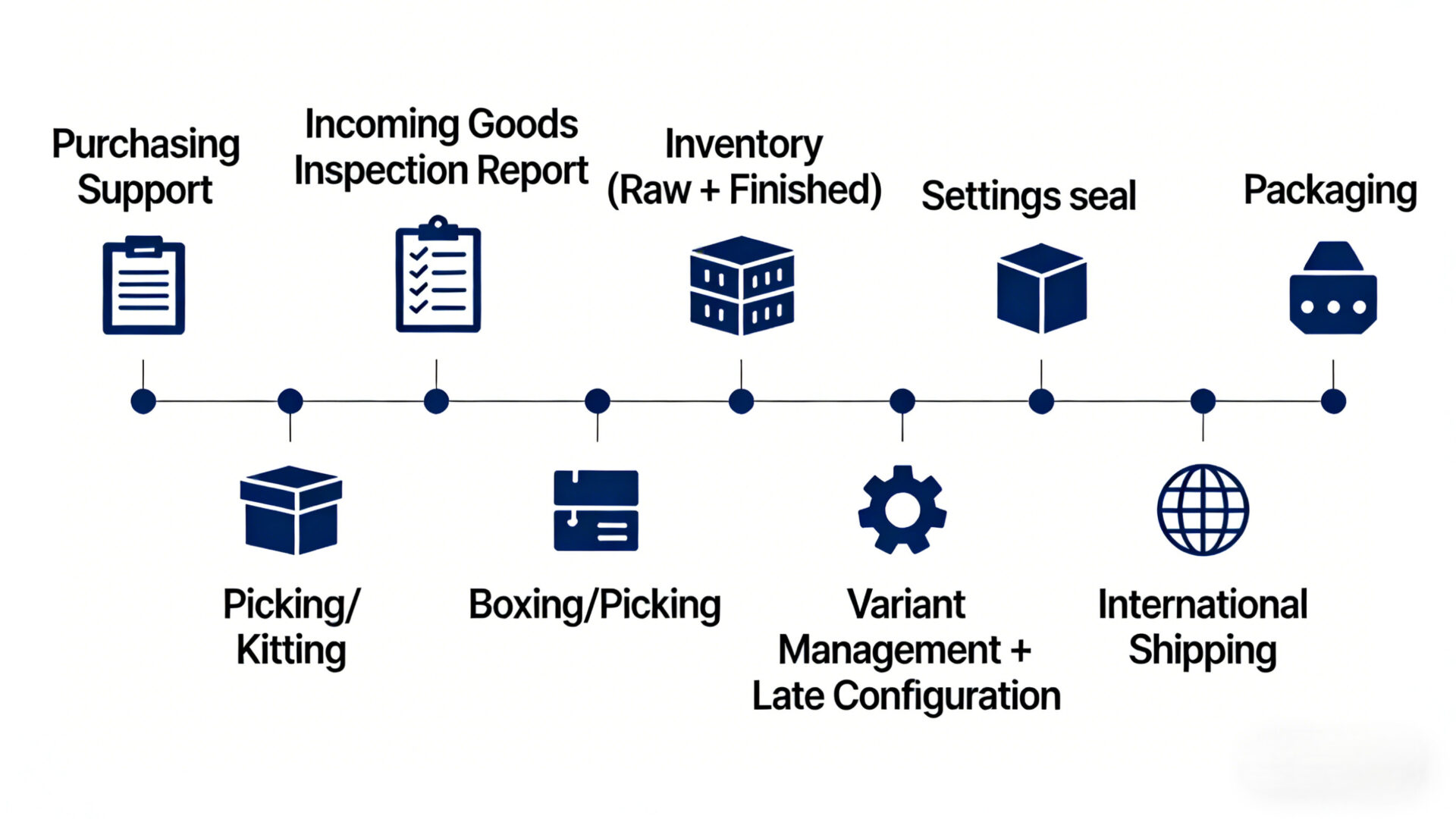
A practical fulfillment chain for configurable electronics typically looks like this:
purchasing support → receiving + inspection → inventory control → picking/kitting → late configuration + variant verification →
packaging → release-to-ship. When these steps are owned and documented as one system, procurement sees traceability and risk controls,
while engineering sees fewer “mystery failures” caused by uncontrolled handling or undocumented substitutions.
For the end-to-end checklist format (useful to paste into an RFQ email), reference:
Incoming goods inspection report + inventory control + fulfillment workflow.
When you want TPS to scope and price it, route your request here:
TPS Additional Services (RFQ).
Incoming goods inspection report: what to include
The keyword incoming goods inspection report shows up in RFQs because it translates quality intent into a document that
procurement and QA can audit. A report is most useful when it is structured and repeatable—not when it’s a one-off PDF.
Typical RFQ-ready fields include: PO/supplier/part/lot, packaging integrity, ESD handling notes, sampling method, acceptance criteria,
findings with photos, and a clear disposition (accept / quarantine / return / rework).
If the immediate goal is fewer line disruptions, align stakeholders with:
incoming inspection and production line efficiency,
incoming inspection + line optimization,
and the proof-style view:
incoming goods inspection case study.
Authority references (kept minimal; nofollow): ISO acceptance sampling overview
ISO 2859-1
and ESD control standards family at
IEC.
Inventory management of raw materials and finished goods
In real programs, you’re not just managing parts—you’re managing commitments: which project gets what stock, when, and under what revision.
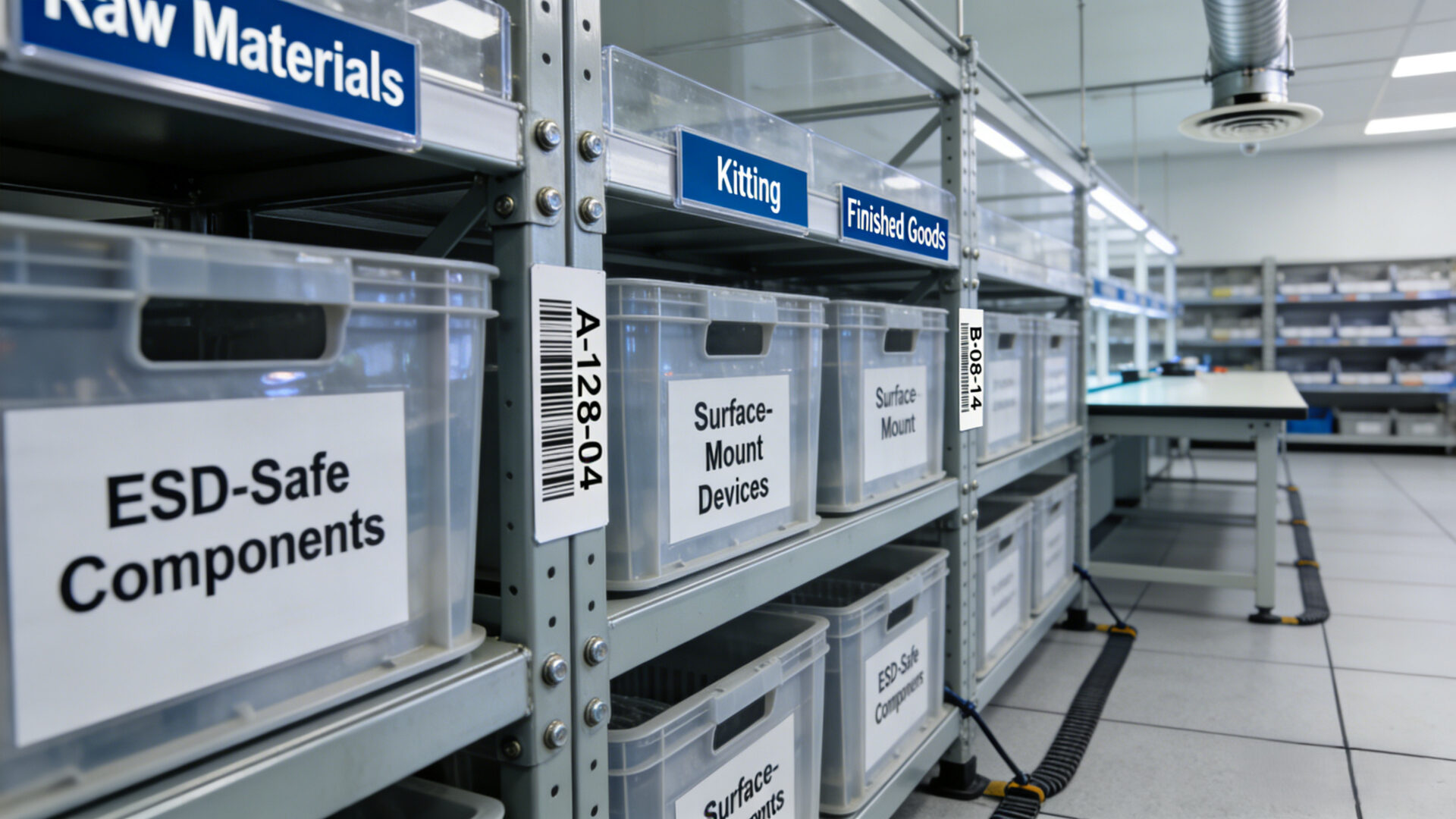
Strong inventory management of raw materials and finished goods means visibility (what/where/how many),
allocation rules (who can reserve/release), and documented substitution logic (what is allowed, what triggers approval).
Internal references to anchor your RFQ:
Inventory management for electronics component stock
and
inventory management + packaging services.
If stakeholders want an outcome narrative, share:
customer case: inventory management.
Finished goods inventory management for staged rollouts
Finished goods inventory management is where integrators often bleed time: site readiness changes, partial deliveries become normal,
and “ship the rest next week” becomes a recurring request. The operational fix is a controlled pipeline:
build → hold → reserve → release, with consistent labels and release triggers (shipping instruction, ASN, site slot).
In RFQs, explicitly include the unit definition (device/kit/pallet), reservation rules, and how you handle upgrades or ECO-driven rework.
If you want a single page that connects receiving + inventory + finished goods + shipping as one system, use:
incoming inspection report + inventory control + fulfillment.
Variant management services + late configuration
Variant management services become essential when the base system is stable but the “last 10%” changes per customer or region:
labels, cable sets, firmware presets, accessory packs, packaging language, or documentation inserts.
Late configuration allows you to keep a standard base in stock and finalize variants close to shipment—reducing dead stock and wrong-variant risk.
Keyword corner: “what is the mnemonic” (and why operations needs one)
You may see odd queries like what is the mnemonic, device used for electron configuration,
what is mnemonic device in electron configuration, mnemonic device used in electron configuration,
or electron configuration mnemonic device. In engineering education, a mnemonic prevents ordering mistakes.
In fulfillment, the same idea prevents wrong picks and wrong builds: controlled identifiers, scan verification, and work instructions that remove guesswork—
especially at the late configuration point where variants diverge.
If you need the commercial/engineering story around variant control and purchasing execution, align with:
variant management + late configuration section
and then scope it via
TPS Additional Services.
International shipping for electronics: customs + documentation
International shipping for electronics isn’t “just a label.” It’s packaging discipline, documentation control, and a release workflow
that avoids exceptions. For BoFu teams, the goal is predictable dispatch: your internal stakeholders know what is shipping, why it is compliant,
and what documents travel with it—before the carrier pickup happens.
Authority references (nofollow): US import/export basics at
cbp.gov
and German customs ATLAS context at
zoll.de.
RFQ package: what to send for a fast quote
- Scope: which services you need (incoming goods inspection report, inventory control, picking/kitting, variant management, late configuration, packaging, shipping).
- Cadence: volumes, shipment waves, and whether you need managing finished goods inventory between releases.
- Definitions: acceptance criteria, sampling method, nonconformance disposition, and who approves substitutions.
- Inventory rules: reservation logic, min/max buffers, and reporting frequency (weekly/monthly).
- Variants: attribute list (labels/harness/firmware/accessories) and the late configuration point.
- Shipping lanes: origin/destination, Incoterms preference, and required documents/labels.
FAQ
What belongs in an incoming goods inspection report for electronics?
PO/lot traceability, packaging & ESD checks, sampling method, acceptance criteria, findings (photos), and a disposition workflow (accept/quarantine/return/rework).
How do you approach inventory management of raw materials and finished goods?
Define visibility + allocation: location control, reservation/release rules, substitution approvals, and reporting that procurement can audit and engineering can trust.
What is “finished goods inventory management” in an integrator context?
Managing finished goods inventory as a controlled pipeline (build→hold→reserve→release) across shipment waves, with labels and release triggers to avoid mix-ups.
When do variant management services pay off?
When customer/region variants create SKU explosion or wrong-variant risk. Late configuration is often the best control point.
What reduces risk in international shipping for electronics?
Documentation control before pickup, packaging discipline, and a release workflow that prevents customs exceptions and wrong-destination shipments.