

System integrators, panel builders, procurement teams, and electrical engineers rarely lose an RFQ because nobody can source CNC machining. Delays typically occur when the mechanical scope is fragmented: one supplier machines parts, another handles finishing, tolerances are interpreted differently, and assembly-related issues are only identified after components arrive.
This article explains what TPS EMS CNC milling service means within an Electronic Manufacturing Services (EMS) environment and why an integrated manufacturing approach can simplify RFQ and production workflows.
1. What is TPS EMS-CNC Milling Service?
TPS EMS CNC Milling Service is not a standalone machining operation. It is an integrated manufacturing capability within the TPS EMS portfolio.
Precision-machined components — including heat sinks, enclosures, mounting brackets, and fixtures — are developed, machined, inspected, and coordinated with PCB assembly, cable harnessing, and system integration requirements.
In practice, this means that when an RFQ is submitted for a power electronics assembly or industrial system, the mechanical and electronic requirements are reviewed together. DFM (Design for Manufacturing) feedback considers both machining constraints and assembly needs.
TPS inspects critical features such as:
- Mounting surfaces
- Connector cutouts
- Thermal interfaces
- Alignment features
The goal is to support smooth integration into the overall assembly process while maintaining consistent documentation and traceability.
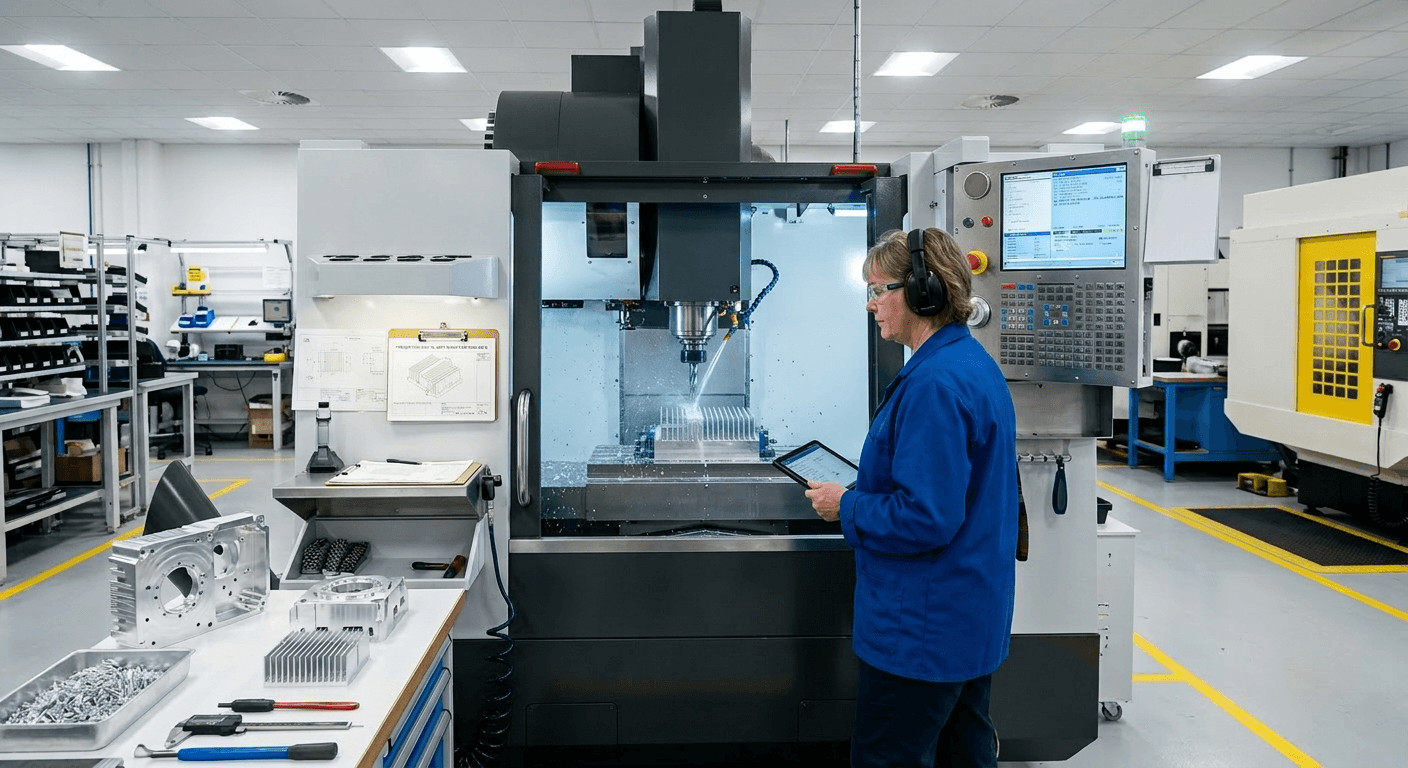
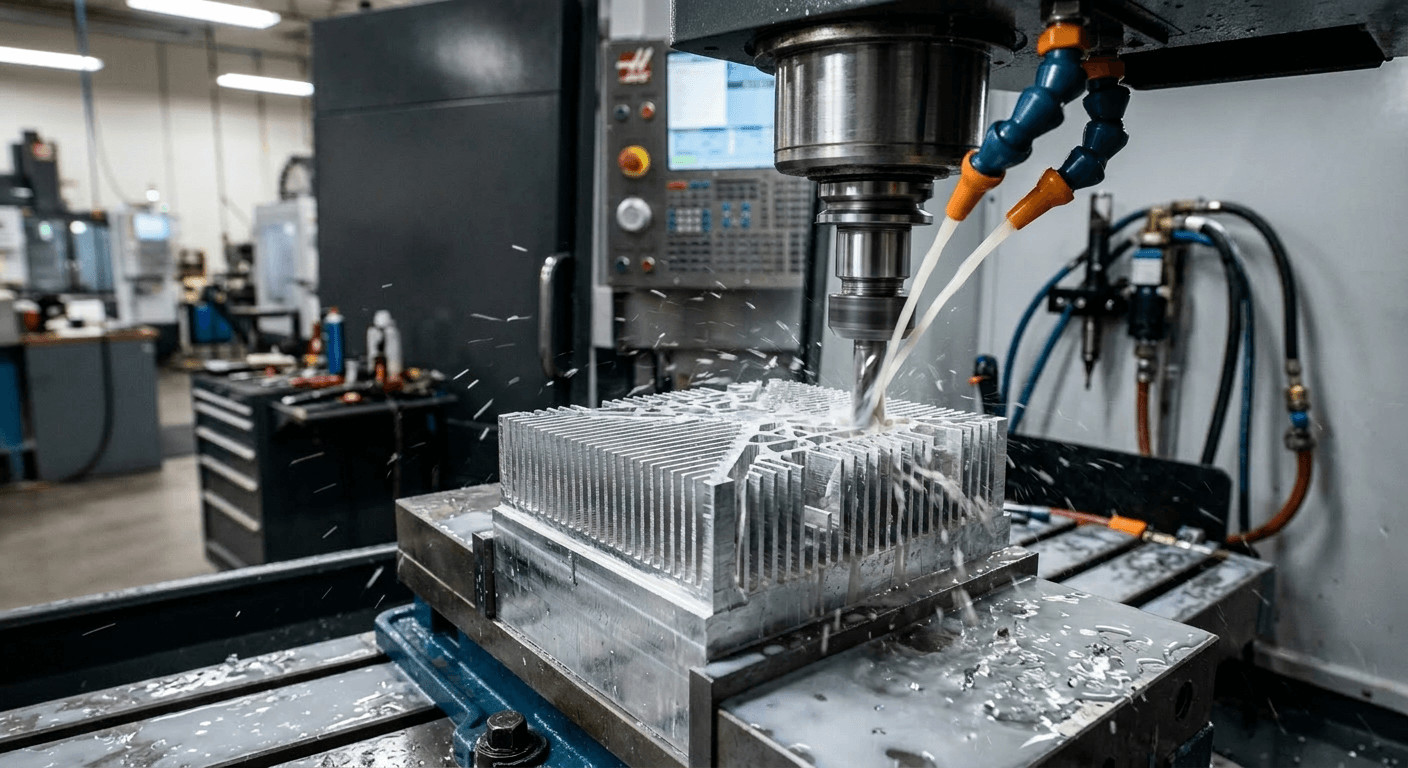
Modern CNC machining center in the TPS production environment for precision aluminum components used in electronics assemblies.
This is fundamentally different from sourcing machined parts from a pure job shop. A job shop delivers parts to a drawing. TPS delivers parts that are verified to fit into your electronic assembly workflow, with coordinated quality documentation and supply chain continuity.
For a broader perspective, see our guides on types of milling machines and top CNC milling machine options for background on equipment categories.
This differs from sourcing parts from a conventional machining job shop. A job shop typically delivers components according to drawings only. TPS integrates machining into the broader EMS workflow, including assembly coordination, documentation requirements, and supply chain planning.
For additional background, see our guides on milling machine types and CNC machining technologies.
2. Why Integrated CNC Milling Matters for RFQ Outcomes
In electronics manufacturing, machined components are closely linked to electrical and mechanical design requirements.
Examples include:
- Heat sinks aligned with power semiconductor placement
- Enclosures with connector and display cutouts matched to PCB layouts
- Mounting brackets coordinated with chassis and board geometries
When machining and electronics assembly are sourced separately, interface risks can increase. Mechanical tolerances, material choices, grounding considerations, or inspection references may not always align across suppliers.
By integrating CNC milling with EMS processes, TPS reviews the assembly context before machining begins. Critical dimensions can be coordinated with PCB placement and system integration requirements. Features related to thermal management, fit, and electrical continuity are documented as part of the broader manufacturing workflow.
This integrated approach can help simplify pilot builds, qualification processes, and transitions to series production.
Precision CNC milling of an aluminum heat sink with complex fin geometry.
3. CNC Milling Capabilities: From Prototypes to Series Production
TPS operates a range of CNC milling systems for different production requirements, including vertical machining centers and high-speed milling equipment for precision features and structural components.
Supported production stages include:
- Prototype machining — quick-turn components using production-oriented processes
- Small to medium series — controlled setups with documented workflows
- Series production — scalable manufacturing with traceability and repeatable processes
Whether the requirement involves a small prototype batch or larger-volume enclosure production, workflows are adapted to project size and application needs.
Materials processed include:
- Aluminum
- Copper
- Steel
- Stainless steel
- Engineered plastics
Typical applications include:
- Heat sinks for power electronics
- Enclosures with precision connector cutouts
- PCB mounting fixtures and brackets
- Components for industrial, medical, and automation systems
4. Quality, Documentation, and DFM Support
In many B2B sourcing projects, approval risks are reduced during the RFQ and DFM phase rather than during production itself.
TPS provides early DFM feedback by reviewing CAD models and technical drawings before machining begins. This review may identify:
- Thin wall sections
- Challenging tolerances
- Complex fixturing requirements
- Material considerations related to thermal or mechanical performance
Material recommendations are provided according to application requirements and manufacturing feasibility.
Documentation may include:
- Material certificates
- Dimensional inspection reports
- First Article Inspection (FAI) documentation
For regulated industries such as medical, automotive, or aerospace applications, support for PPAP and traceability requirements can also be discussed depending on project scope.
For general supplier-quality frameworks, the official ISO 9001 reference provides additional background. Standards such as ISO 2768 are commonly used as general references for machining tolerances.
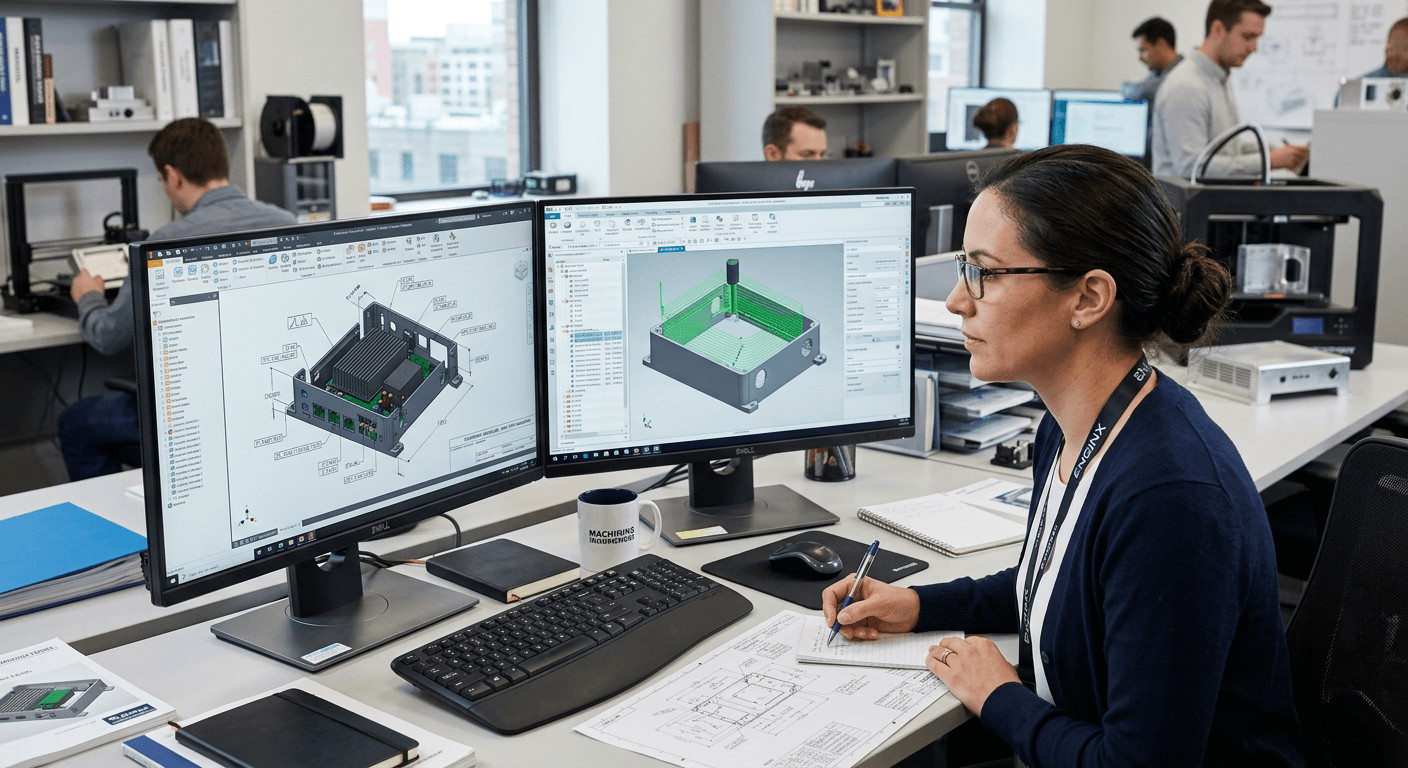
Engineer reviewing CAD data, CNC programs, and technical drawings with dimensional annotations.
5. How CNC Machine Search Terms Fit into an EMS Buying Process
Many sourcing processes begin with machine-oriented search terms such as:
- CNC milling
- CNC mill
- CNC milling machine
- Vertical machining center
- Benchtop CNC mill
- CNC metal milling machine
These searches are common during early supplier research. However, in an EMS purchasing environment, procurement teams are generally evaluating manufacturing outcomes rather than individual machine categories.
Typical priorities include:
- Dimensional accuracy
- Surface finish requirements
- Inspection documentation
- Assembly compatibility
- Logistics and production continuity
The key consideration is not only which machine is used, but whether machining can be integrated into a controlled RFQ-to-production process alongside PCB assembly and system integration.
At TPS, CNC machining is coordinated within the wider EMS manufacturing workflow to support consistency across mechanical and electronic assemblies.
6. Why Choose TPS for CNC Milling Services?
TPS combines CNC machining with electronics manufacturing and system integration within a coordinated EMS environment.
Key advantages include:
Integrated EMS Workflow
CNC milling is coordinated with PCB assembly, cable harnessing, sheet metal processing, and box-build manufacturing.
DFM with Assembly Context
Machined components are reviewed in relation to their final electronic and mechanical integration requirements.
Documentation Support
Inspection reports, material certificates, and FAI documentation can be aligned with broader project documentation needs.
Scalable Manufacturing
Processes support both prototype requirements and series production workflows.
Material Expertise
TPS machines aluminum, copper, steel, stainless steel, and engineered plastics for thermal, structural, and electrical applications.
TPS operates under ISO 9001 processes and can support projects with medical or automotive requirements where applicable.
For more information, see our guide on precision CNC machining.
7. FAQ
What types of CNC milling equipment does TPS operate?
TPS operates vertical machining centers, high-speed milling systems, and multi-axis equipment suitable for metals and engineered plastics used in electronics and industrial applications.
How does TPS differ from a conventional machining job shop?
TPS integrates CNC machining into a broader EMS workflow that includes PCB assembly, system integration, DFM feedback, and coordinated project documentation.
Can TPS support both prototype and production volumes?
Yes. TPS supports prototype builds, small series, and larger production volumes using documented manufacturing and quality processes.
What materials are commonly machined for electronics applications?
Typical materials include aluminum, copper, steel, stainless steel, and engineered plastics, depending on thermal, structural, and electrical requirements.
What documentation can be provided?
Depending on project requirements, documentation may include material certificates, dimensional inspection reports, FAI documentation, PPAP support, and traceability records.