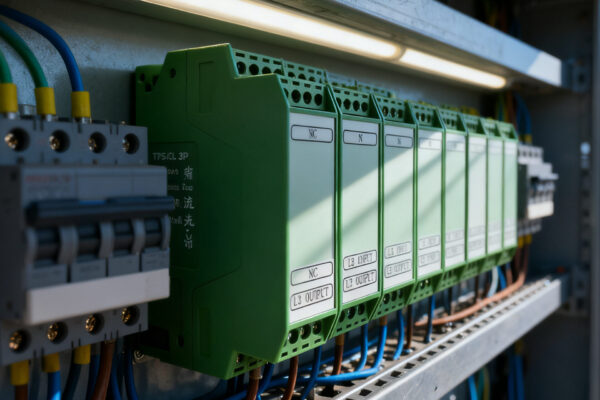


For system integrators, panel builders, and procurement teams, cable assembly is rarely “just wiring.” It’s the most common point where field failures,
installation delays, and last-minute rework hide—because the interface is physical, human-touched, and often customized.
TPS Elektronik’s EMS cable assembly is designed for repeatability: from cut & strip to crimp/solder, shielding, labeling, and final test—so your harnesses
and assemblies arrive ready to install with documentation your team can approve.
1) Why EMS cable assembly drives RFQ conversion
In BoFu sourcing, your buyer journey isn’t blocked by “price.” It’s blocked by risk: unclear pinouts, questionable crimp quality, missing test evidence,
and inconsistent labeling that turns installation into detective work. A single wrong cable connector can create hours of rework on a production line—or a truck roll in the field.
EMS-context cable assembly solves this by treating every harness as a controlled product: defined process steps, documented test results, and traceability that procurement can file
and engineers can trust. TPS positions cable assembly as part of its EMS portfolio—meaning your cable sets can be aligned with the rest of your electronics manufacturing flow
instead of living as an isolated “subcontracted” task.
Ready to reduce installation friction? Route your request directly to the service page:
TPS EMS Cable Assembly →
2) What TPS builds: electronic cable assembly from power to fiber
Search intent keywords like electronic cable assembly, electronics connectors, and cable connectors usually mean you’re sourcing a whole family of cable sets:
power, signal, RF, and sometimes fiber—each with different test requirements and failure modes. TPS highlights coverage across wire harnesses,
RF/coax, and fiber optics, including industrial connector families such as M8/M12.
2.1 Wire harnesses & panel wiring sets
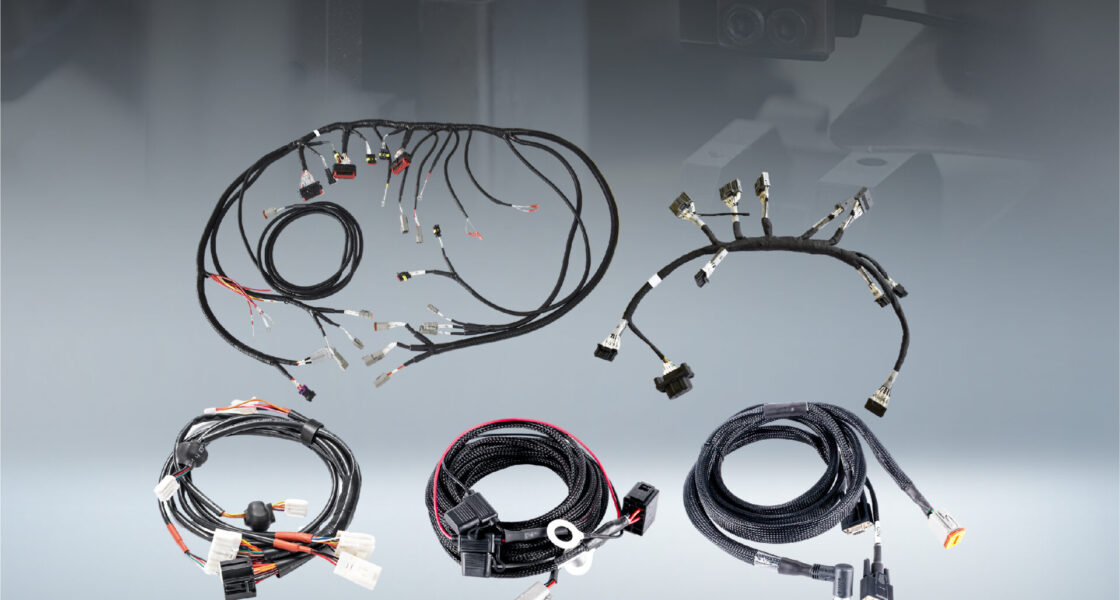
For panel builders, a harness is not a “cable.” It’s a time-saving kit:
correct lengths, labeled ends, consistent ferrules or terminals, and a routing logic your installers can follow.
Good harness design reduces your cabinet build time, lowers wiring errors, and makes functional testing faster—because every connection is predictable.
If you frequently build variants (same cabinet, different I/O modules or sensors), define harness variants as configuration rules—not as separate ad-hoc parts.
That’s how you keep your RFQs clean and your inventory manageable.
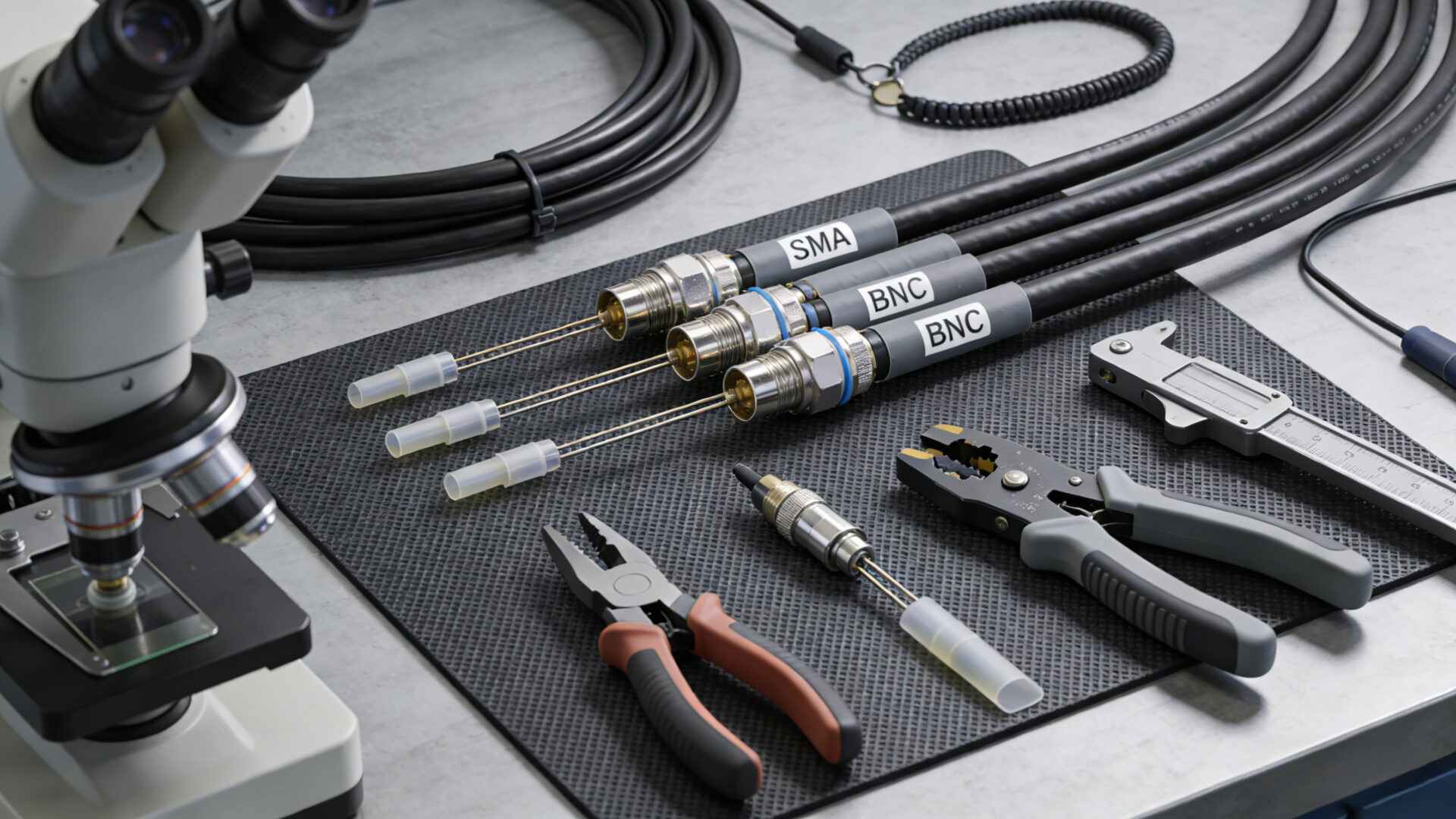
2.2 RF/coax cable assemblies (SMA/BNC/TNC)
RF coax is where “looks fine” fails. Small issues—improper stripping, shield damage, wrong torque, or mismatched connectors—can create reflection losses and intermittent failures.
TPS explicitly references RF/coax assemblies with common connector types such as SMA, BNC, and TNC.
If your system includes RF testing, shielding integrity and connector selection should be specified in the RFQ, not left to assumptions.
Useful internal references from TPS (great for non-RF stakeholders):
BNC Connector: Complete Guide and
SMA Connector Types & Applications.
2.3 Fiber optic cable assembly (LC/SC/ST and test)
Fiber is a different world. The connector may click in, but performance depends on termination quality, cleanliness, bend radius management, and test evidence.
TPS covers fiber optic cable assembly (LC/SC/ST) and positions documented testing as part of its approach.
If your product is sensitive to signal integrity, don’t treat fiber like “another data connector”—define acceptance criteria (insertion loss, return loss where relevant),
and ask for test documentation aligned to your installation needs.
TPS resources to support your RFQ definition:
Fiber Optic Cable Assembly Guide (LC/SC/ST)
and
EMS Fiber Optic Cable Assemblies.
2.4 Circular connector families (M8/M12 and beyond)
Circular connectors are common in industrial automation because they simplify installation, reduce mis-mating, and can support robust sealing.
TPS references industrial connector families like M8/M12 for cable assemblies—useful in sensor wiring, IO links, and harsh environments.
If your install team works in the field, circular connectors often reduce human error compared with loose terminal wiring.
If you’re scoping a mixed family (power harnesses + RF + fiber), keep one RFQ thread and submit it here:
Request a TPS cable assembly quote →
3) Connector decisions that prevent field failures
“Cable connector selection” is the fastest way to lower warranty cost. The wrong connector creates intermittent contact, corrosion, ingress, or mechanical strain.
The right connector creates boring reliability—which is exactly what procurement wants.
3.1 Waterproof connector and IP-level thinking
When people search waterproof connector, they often mean “it survives washdown or rain.”
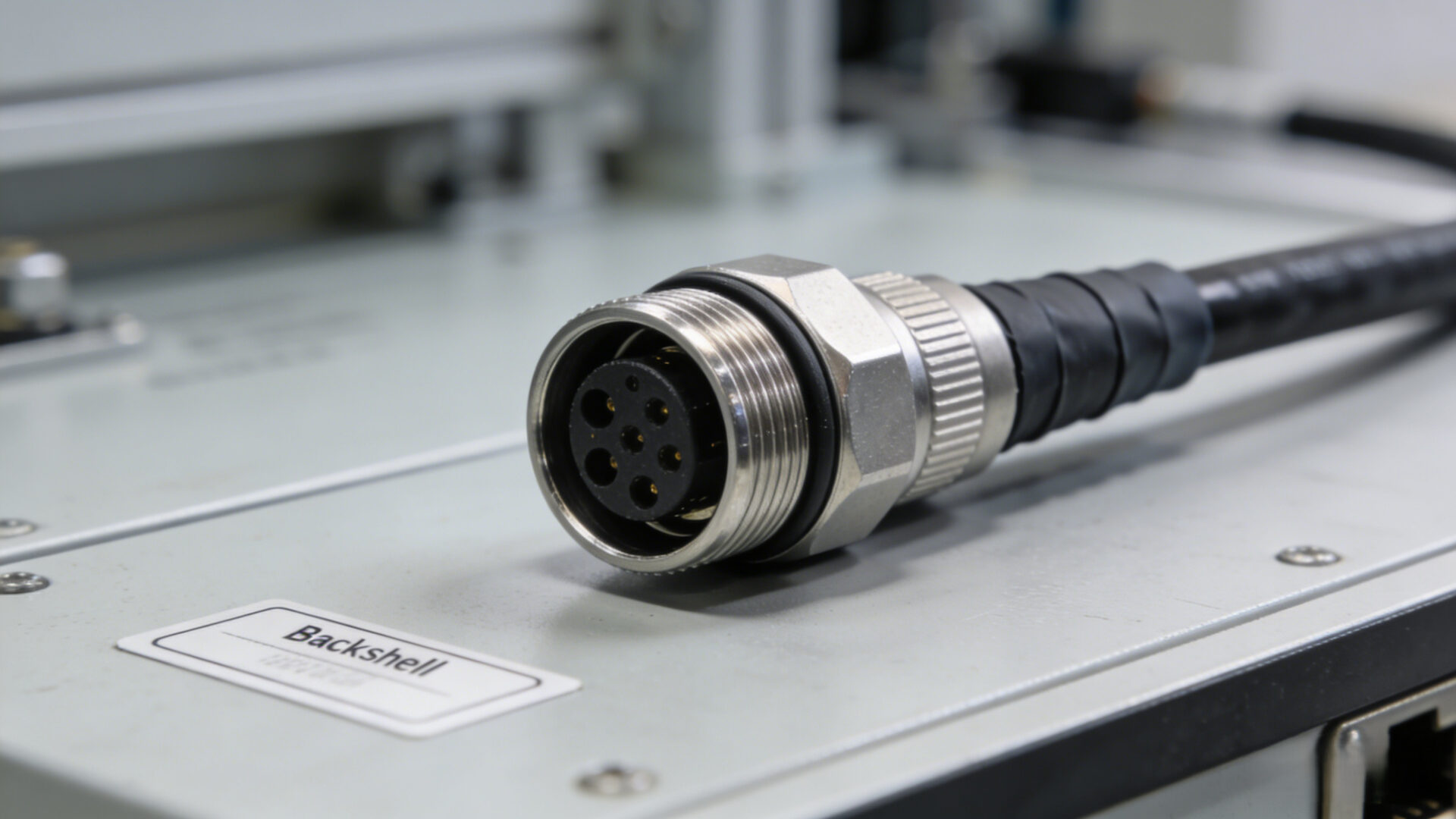
The engineering translation is ingress protection and application-specific sealing: gasket integrity, backshell choice, strain relief, and cable jacket compatibility.
If you need a standards anchor for IP coding, use the official IEC reference point for the IP code framework:
IEC (official).
In your RFQ, specify the environment (washdown, oils, outdoor UV, salt fog) rather than just writing “waterproof.”
3.2 Circular connectors for industrial installation
Circular connectors (and circular connectors families) reduce installation errors because they guide mating and often include keying.
They also pair well with field maintenance: quick replacement, clear orientation, and robust mechanical support.
If your cabinet wiring needs to be serviceable, circular connectors can convert “rewire the whole cabinet” into “swap the cable.”
3.3 Data connector vs power connector: stop mixing requirements
A data connector RFQ should not be written like a power harness RFQ.
Data assemblies care about impedance control, shielding continuity, and routing constraints. Power assemblies care about current, temperature rise, and mechanical strain.
In electronics systems, mixing these requirements leads to the classic failure pattern: the harness “passes continuity” but fails signal integrity under load.
If your system includes both, define separate acceptance criteria per cable type and keep test evidence aligned to the function.
3.4 Military spec connectors & military cable assembly requirements
Keywords like military spec connectors and military cable assembly typically mean harsher environments, strict documentation,
and higher assurance expectations—sometimes including controlled processes and traceability.
If your program requires defense-grade practices, define exactly what “spec” means in your context: connector standard, plating, backshell, strain relief,
documentation package, and test evidence. Also clarify any export-control constraints in the RFQ to prevent late-stage compliance blockers.
(If you’re unsure what is required, request a capability discussion as part of your RFQ response.)
3.5 “connecteur 3 pin” and pin-count confusion in RFQs
We sometimes see RFQs that only say “connecteur 3 pin” (or “3-pin connector”) without defining the connector series, keying, voltage/current,
or mating partner. Pin count alone is not a spec. In your RFQ, always provide:
manufacturer + series, part number, keying, contact type, wire gauge, and mating partner.
This single change reduces quote back-and-forth and prevents costly mis-builds.
4) Process control: from crimp quality to shielding continuity
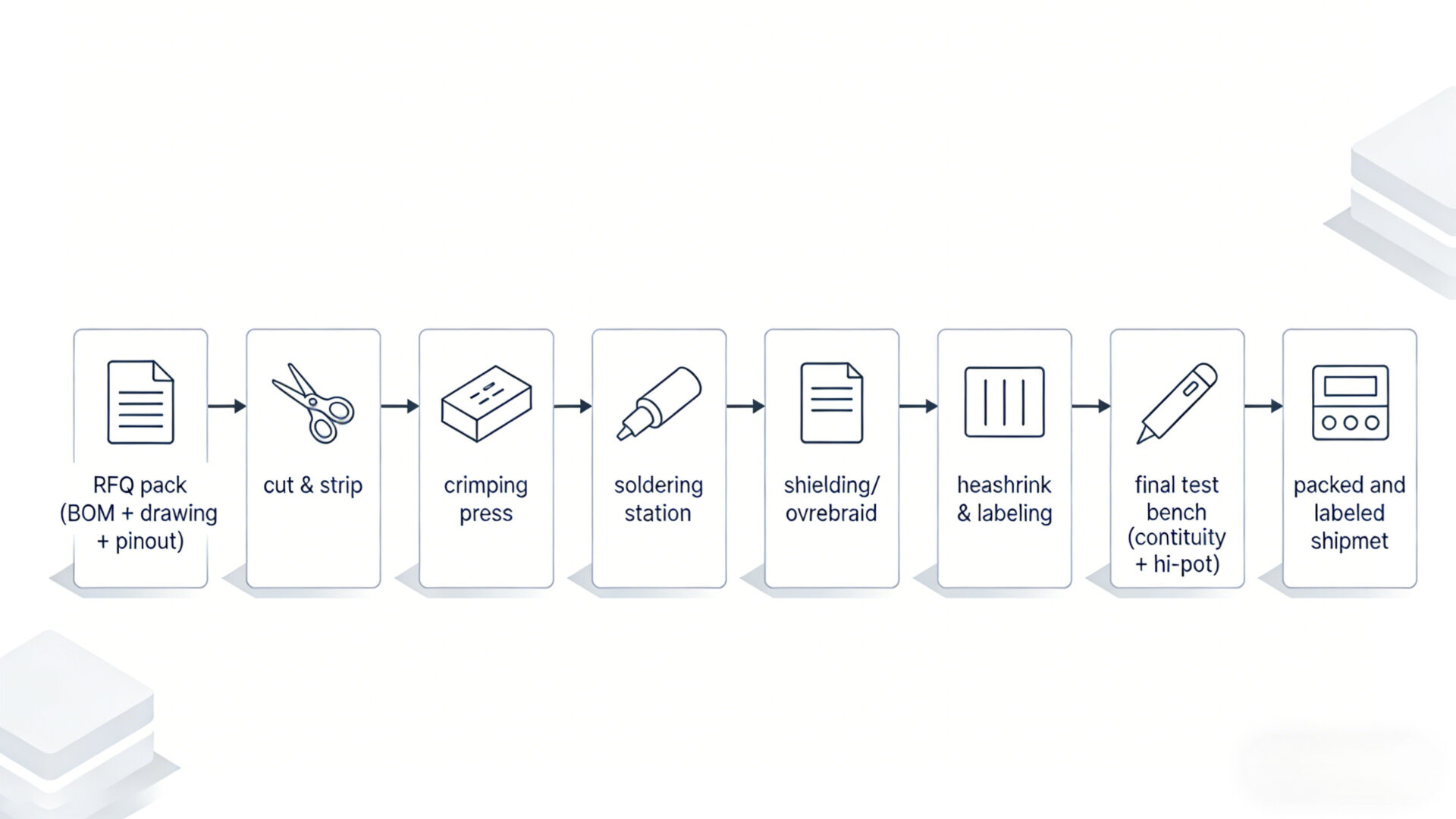
High-performance cable assembly is a controlled process chain:
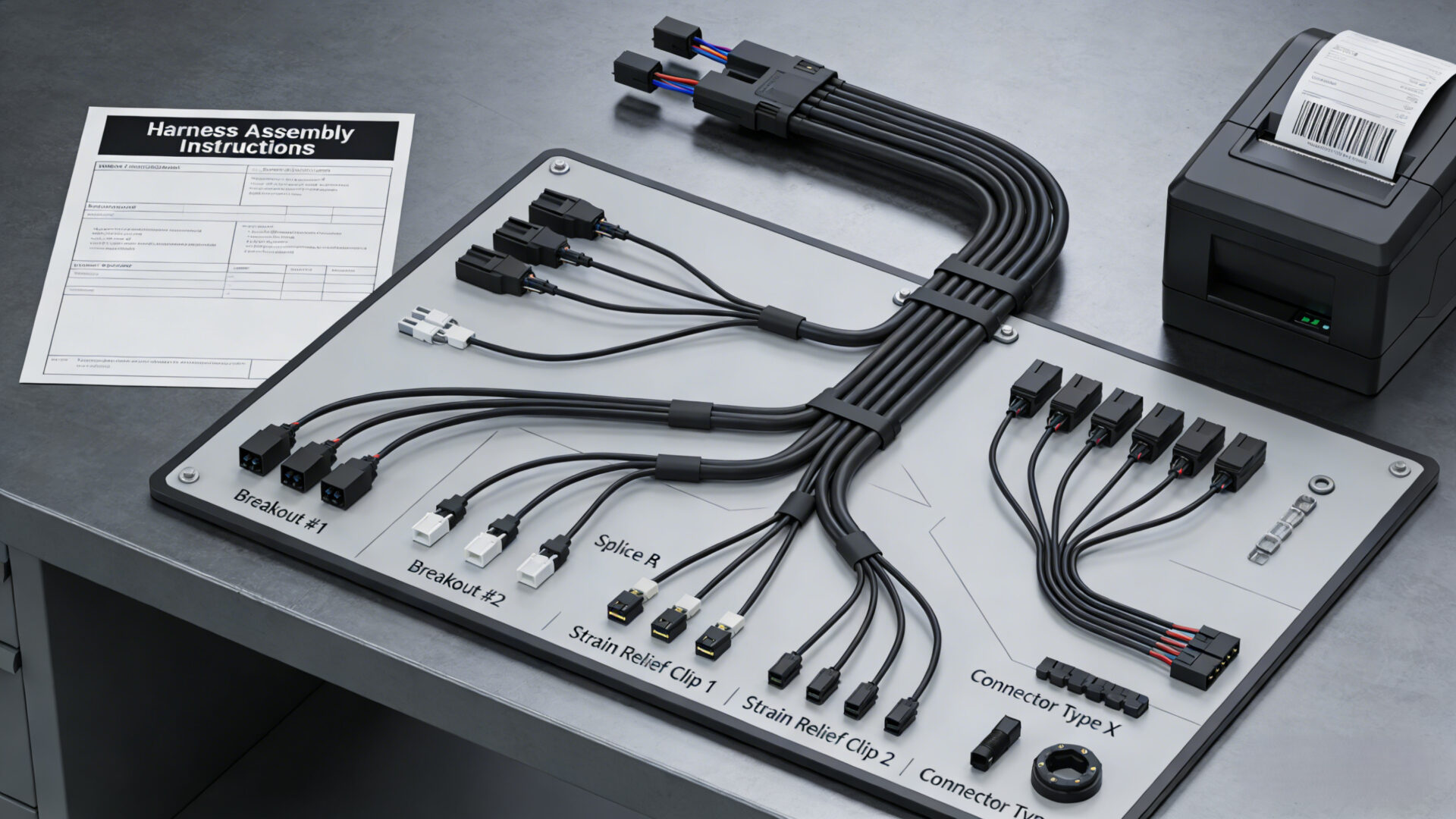
cut & strip, conductor preparation, crimp or solder termination, shielding and drain wire management, splices/breakouts, strain relief,
heatshrink and labeling, and final test. In harnesses, “small” workmanship decisions become system-level problems.
The biggest operational wins for integrators and panel builders come from standardization:
consistent label formats, consistent wire colors, controlled breakout geometry, and defined assembly drawings that match the install plan.
This reduces training burden on installers and prevents field variability.
If you’re managing variants, add configuration control:
define what changes are allowed (length, connector keying, label language), and how revisions are released.
Cable assembly becomes scalable when variants are treated as controlled products rather than tribal knowledge.
Want TPS to propose a process and test plan instead of guessing? Submit your current drawings/pinouts here:
TPS Cable Assembly RFQ →
5) Testing & documentation: continuity, hi-pot, VNA/OTDR, traceability
Cable assemblies fail in two ways: immediately (wrong pinout, short, open) or later (strain, corrosion, shield discontinuity, workmanship drift).
That’s why testing and documentation matter as much as build steps.
TPS highlights a quality approach that includes IPC/WHMA-A-620 (Class II/III) expectations, 100% continuity testing, and additional test capabilities such as hi-pot
and RF/fiber-related measurements (e.g., VNA for coax and OTDR for fiber) when required.
The BoFu buyer’s “approval package” typically includes:
material/connector traceability where required, clear labeling rules, test records per assembly lot (or per piece depending on risk),
and a defined nonconformance workflow. If your organization needs a formal workmanship reference, IPC is the authoritative source for IPC/WHMA-A-620:
IPC (WHMA-A-620 overview).
Don’t overbuy documentation, but don’t underbuy confidence either:
specify what your auditors, customers, or field teams actually need—then match the test plan to that requirement.
6) RFQ checklist: what to send for a quote you can approve
If you want a fast quote with fewer clarifying emails, send an RFQ pack that defines outcomes—not just parts.
Here’s the practical checklist used by high-performing integrator teams:
- BOM + drawings: connector part numbers, backshells, contacts, seals, housings, boots, and accessories.
- Pinout / wiring list: net names, pin numbering, shield termination rules, drain wire handling, and splice tables.
- Length & tolerance: finished length definition (tip-to-tip), branch length rules, and allowable tolerance per branch.
- Wire spec: gauge, insulation type, color coding, temperature rating, and any UL/CSA requirements if applicable.
- Environment: if you need a waterproof connector or harsh-environment build, describe the environment and target IP thinking.
- Test plan: continuity (100% vs sample), hi-pot values, insulation resistance, and when VNA/OTDR evidence is required.
- Labeling: format, language, barcode/QR needs, and location rules for field readability.
- Packaging: ESD, bend radius protection for fiber, and kitting rules for installation.
- Volumes: prototype quantity, pilot, and expected annual volume range.
Send your RFQ through the official service page so it routes to the right team:
Submit your cable assembly RFQ →
If your RFQ includes RF or fiber, attach these TPS guides internally so stakeholders align on connector and test expectations:
BNC guide ·
SMA guide ·
Fiber guide (LC/SC/ST) ·
Fiber assemblies (EMS)
FAQ
What should I specify when requesting a cable connector or cable connectors in an RFQ?
Provide manufacturer + series + part number, keying, contact type, wire gauge range, backshell/boot, and the mating partner. Pin count alone (e.g., “connecteur 3 pin”) is not sufficient to prevent mis-builds.
How do I define a waterproof connector requirement correctly?
Describe the environment (washdown, oils, outdoor UV, condensation, salt exposure) and define sealing expectations across connector + backshell + strain relief. Ask for a test plan and documentation aligned to your risk profile.
When should I choose circular connector families for industrial systems?
Use circular connectors when field installation, serviceability, and mis-mating risk matter. Keying and mechanical robustness often reduce installation errors versus loose wiring, especially in high-volume panel builds.
How are RF and fiber assemblies tested differently from basic continuity?
Basic continuity catches opens/shorts, but RF coax may require VNA-based verification depending on performance needs, and fiber may require OTDR or insertion-loss evidence. Define acceptance criteria in the RFQ so test outputs match your use case.
What do “military spec connectors” and “military cable assembly” typically imply?
Usually harsher environments, stricter documentation, and higher assurance requirements. Specify the exact connector standard, material/plating, backshell/strain relief, traceability, and test evidence—plus any export-control constraints—so the supplier can scope correctly.