

Imagine your morning coffee maker failing to brew, your smart TV freezing mid‑show, or your washing machine suddenly stopping mid‑cycle. Frustrating, right? These everyday electronics rely on a tiny but crucial component—the printed circuit board (PCB). As our homes fill with intelligent devices, the demand for reliable, high‑performance PCBs has skyrocketed. Behind every dependable PCB lies a rigorous testing process, and at the heart of that process is the Needle Test Adapter. This article explores how these adapters ensure the “brains” of our appliances function flawlessly, from coffee machines to smart TVs.
Key Takeaways
- Needle Test Adapters provide essential mechanical support and electrical contact for PCBs during testing, enabling accurate functional verification and troubleshooting.
- Customizable Needle Test Adapters are available in materials like Bakelite and aluminum profiles, with precision press‑fit technology ensuring reliable connections.
- Standard sizes such as BJ9900074 and BJ9900075 offer versatile options for various PCB dimensions and testing requirements.
- These adapters are integral to electrical testing, functional verification, and troubleshooting of PCBs in everyday electronics, from coffee machines to smart TVs.
- The broader ecosystem includes pcb test fixtures, circuit board test fixtures, ICT test fixtures, bed‑of‑nails testers, and automated testing machines, all relying on precision Needle Test Adapters.
1. The Ubiquity of PCBs in Modern Life
From the moment our alarm clock wakes us to the late‑night streaming on our smart TV, we interact with dozens of devices that contain PCBs. A printed circuit board is the foundation of nearly all electronic devices, mechanically supporting and electrically connecting components using conductive tracks, pads, and other features. In a coffee machine, the PCB controls the heating element, pump, and timer. In a smart TV, it processes signals, drives the display, and manages connectivity. Even our refrigerators, thermostats, and fitness trackers rely on PCBs. With this proliferation comes the critical need for reliability—no one wants a malfunctioning appliance. This is where PCB test Needle Test Adapter technology becomes indispensable.
2. Why PCB Testing Matters
PCBs are manufactured through complex processes involving multiple layers, fine traces, and tiny components. Defects can arise from soldering issues, component placement errors, or material flaws. Without thorough testing, these defects could lead to product failures in the field, resulting in costly recalls, warranty claims, and damage to brand reputation. Testing ensures that every PCB meets design specifications and functions correctly under expected conditions. The testing process typically includes:
- Electrical Testing: Verifying continuity, insulation, and correct component values.
- Functional Verification: Ensuring the board performs its intended tasks.
- Troubleshooting: Identifying and diagnosing faults when they occur.
To perform these tests, the PCB must be securely held and connected to the test equipment. This is where test fixtures come into play. A pcb test fixture or circuit board test fixture provides a mechanical interface between the PCB and the tester. Among these, the Needle Test Adapter stands out as a versatile and reliable solution.
3. Understanding the Needle Test Adapter
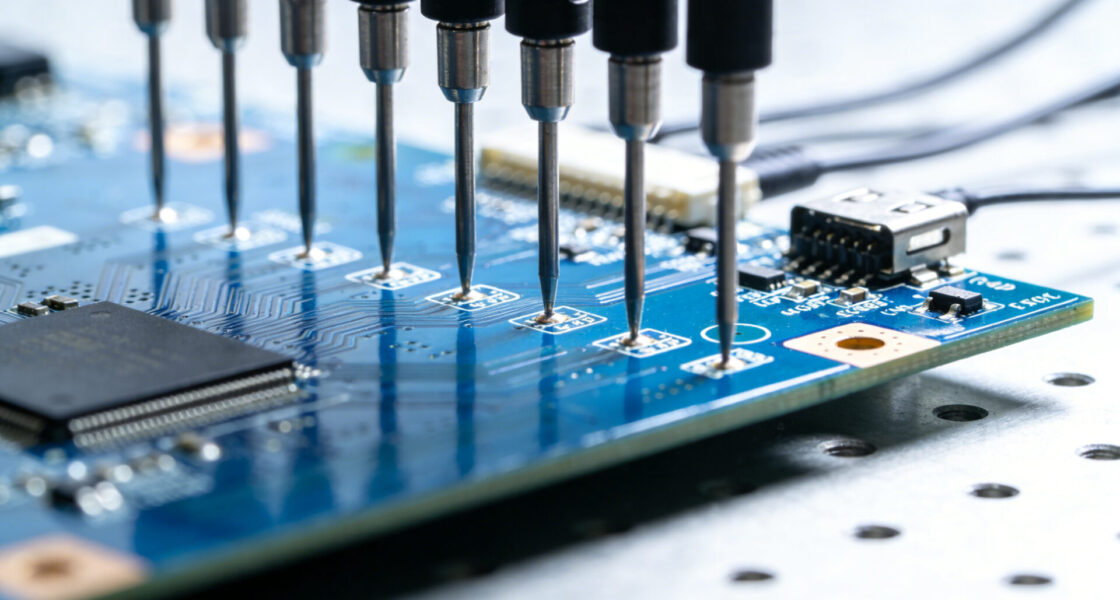
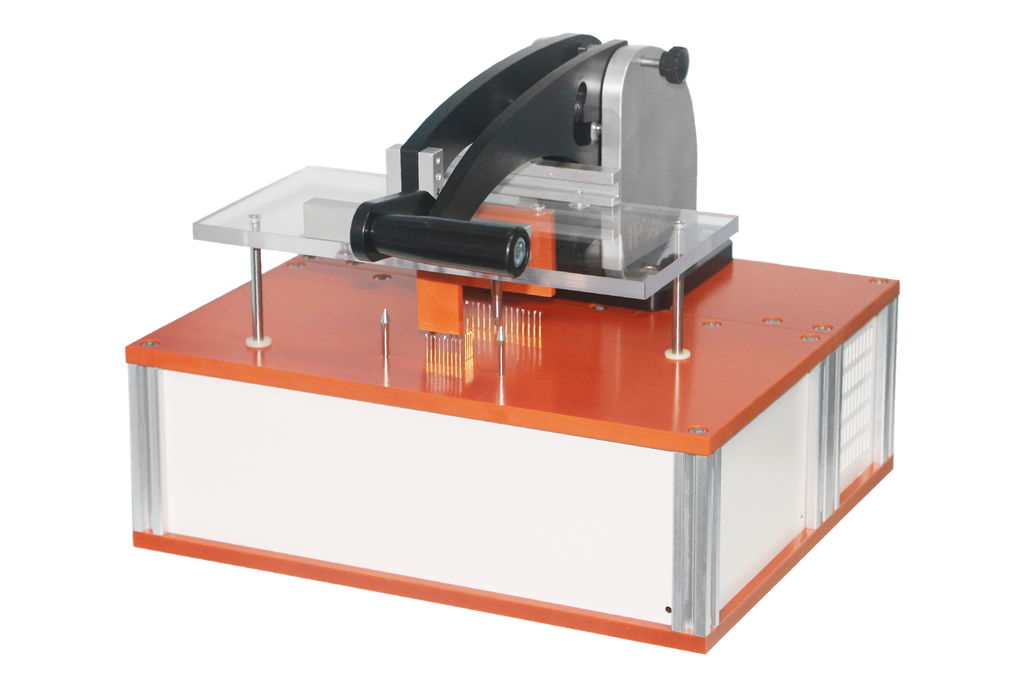
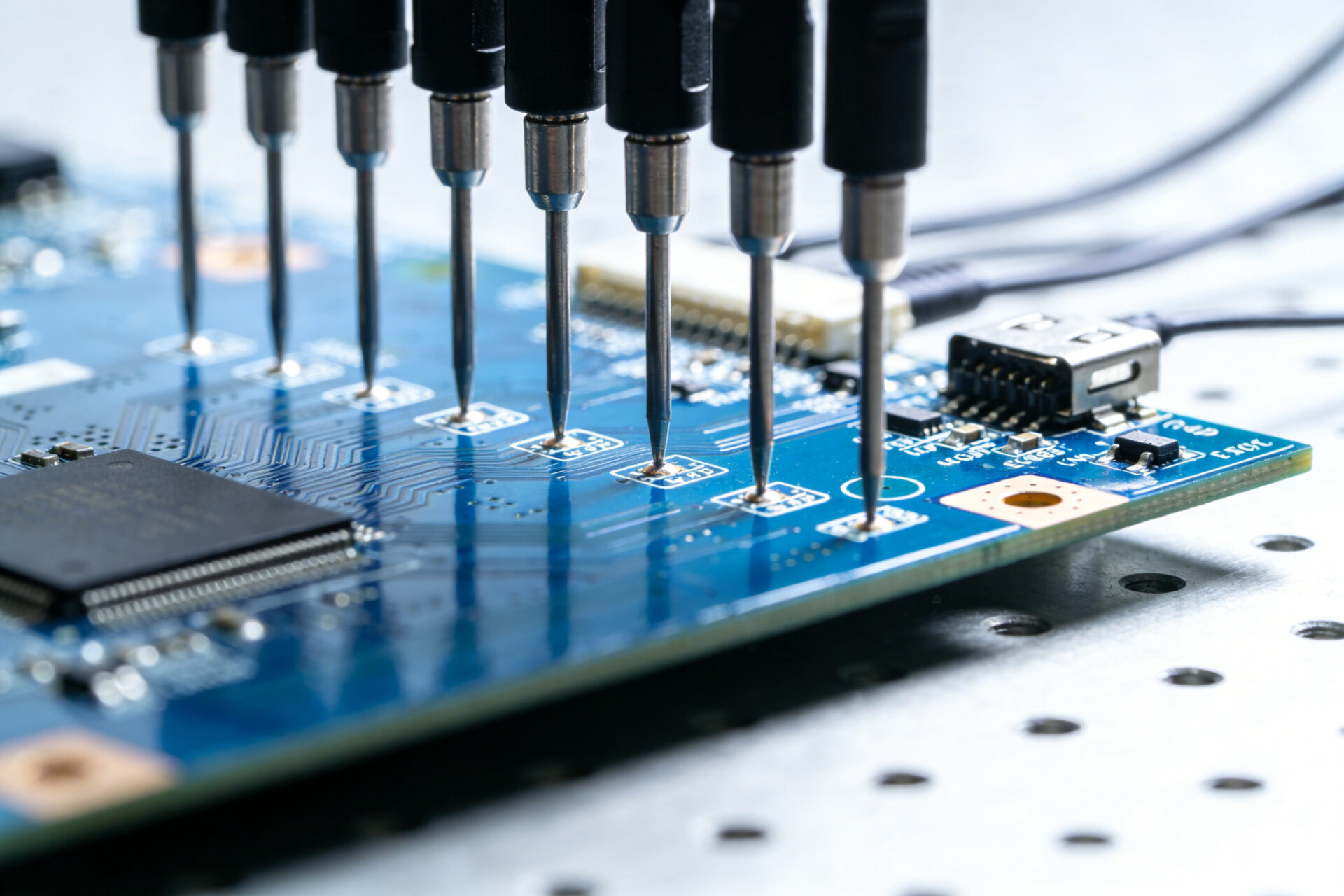
A Needle Test Adapter, sometimes called a “bed‑of‑nails” fixture, uses an array of spring‑loaded pins (needles) that make contact with test points on the PCB. These pins are precisely positioned to align with the board’s design, ensuring reliable electrical contact without damaging the board. The adapter provides mechanical support, stabilizing the PCB during testing and enabling repeatable measurements.
4. Key Features of Needle Test Adapters
Modern Needle Test Adapters offer a range of features that make them suitable for diverse applications, from prototype testing to high‑volume production. Below are the most significant characteristics:
Key Features
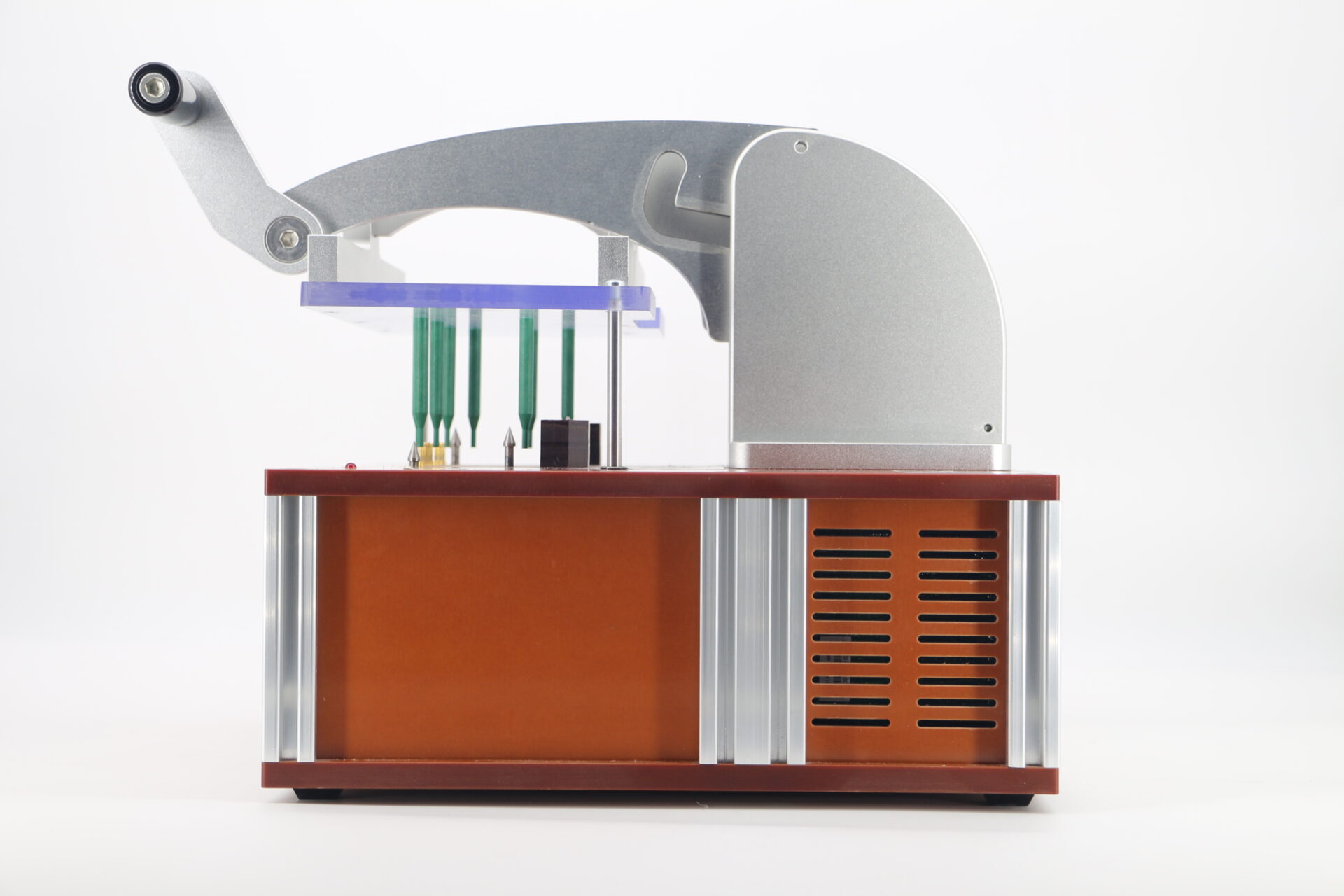
- Customizable Needle Test Adapter: Every PCB design is unique, with different layouts, component heights, and test point locations. A Customizable Needle Test Adapter can be tailored to match the specific board under test. Manufacturers can adjust pin positions, number of pins, and even the adapter’s physical dimensions to accommodate various PCB sizes. This flexibility is essential for companies that produce multiple product lines or frequently update designs.
- Bakelite material Needle Test Adapter: Bakelite, a phenolic resin, is a popular choice for the base material of test adapters due to its excellent electrical insulation, mechanical strength, and dimensional stability. A Bakelite material Needle Test Adapter provides a sturdy platform that resists deformation under repeated use, ensuring long‑lasting accuracy. Bakelite also withstands the temperatures encountered during soldering and testing, making it ideal for production environments.
- Aluminum profiles Needle Test Adapter: For larger PCBs or applications requiring enhanced rigidity, Aluminum profiles Needle Test Adapter designs incorporate aluminum frames or supports. Aluminum offers a high strength‑to‑weight ratio, reducing the overall weight of the fixture while maintaining stability. These profiles can be machined to precise dimensions and anodized for durability, contributing to the adapter’s longevity.
- Precision press-fit Needle Test Adapter: The connection between the test pins and the adapter body is critical. A Precision press-fit Needle Test Adapter uses pins that are pressed into precision‑drilled holes, creating a secure interference fit. This method ensures that pins remain firmly in place even after thousands of test cycles, maintaining consistent contact pressure and electrical performance. Press‑fit technology eliminates the need for soldering, simplifying assembly and replacement.
5. Applications in PCB Testing
5.1 Electrical Testing Needle Test Adapter
During Electrical Testing Needle Test Adapter use, the adapter connects the PCB to an analyzer that checks for shorts, opens, resistance, capacitance, and other electrical parameters. This ensures that the bare board (before component assembly) or assembled board meets design specifications. For example, in a coffee machine’s control board, electrical testing verifies that power traces can handle the required current without overheating.
5.2 Functional Verification Needle Test Adapter
Functional Verification Needle Test Adapter setups simulate the actual operating environment of the PCB. Power is applied, signals are injected, and outputs are monitored to confirm that the board performs its intended functions. In a smart TV’s main board, functional testing might involve checking video processing, audio output, and network connectivity. The adapter provides the necessary connections while keeping the board securely in place.
5.3 Troubleshooting Needle Test Adapter
When a PCB fails functional tests, engineers need to quickly isolate the fault. A Troubleshooting Needle Test Adapter allows access to test points so that signals can be probed and measured with oscilloscopes or logic analyzers. The adapter’s design often includes labeled test points or built‑in probing guides to expedite diagnosis.
6. Standard Size Needle Test Adapter Models: BJ9900074 and BJ9900075
To streamline the selection process, manufacturers offer standard sizes that cover common PCB dimensions. The BJ9900074 Needle Test Adapter and BJ9900075 Needle Test Adapter are two popular models. Both are Standard size Needle Test Adapter options, designed to accommodate a wide range of boards while providing reliable performance.
- BJ9900074: Suitable for small to medium PCBs up to 150mm x 150mm. It features a Bakelite base and a grid of 100 press‑fit pins.
- BJ9900075: Designed for larger boards up to 300mm x 250mm, with an aluminum profile frame for added rigidity and up to 200 pins.
These standard models are often used in pcb test fixture assemblies, where they serve as the core interface between the PCB and the test system.
7. The Bigger Picture: PCB Test Fixtures and Equipment
A Needle Test Adapter is just one component of a complete test solution. It is typically integrated into a larger pcb test fixture or circuit board test fixture that may include a base plate, guide rails, and pneumatic or manual actuation mechanisms. These fixtures hold the PCB in place and bring the adapter’s pins into contact with the board. Depending on the application, you might encounter:
- pcba test fixture: Designed for assembled boards (PCBAs).
- functional test fixtures: Used for end‑of‑line functional verification.
- ict test fixture (In‑Circuit Test fixture): Specialized for testing individual components on a loaded board.
- bed of nails test fixture: A classic term for fixtures using spring‑loaded pins.
- bed of nails tester: The complete system that includes the fixture and measurement electronics.
- in circuit test fixture: Another name for ICT fixtures.
- x fixture: A specific type of fixture design (often referring to a cross‑shaped support structure).
Beyond fixtures, there is a wide array of pcb testing equipment that works in conjunction with Needle Test Adapters. This includes automated pcb testing machine systems that can test hundreds of boards per hour, as well as benchtop units for low‑volume or R&D use. A pcb testing kit might include a basic fixture, adapter, and cables for engineers developing new products. For comprehensive testing, a printed circuit board tester (such as a flying probe tester or an ICT system) is used. Additionally, pcb test fixtures come in many forms, including pcb test fixtures designed for specific board types.
8. Custom Test Fixtures and Design Considerations
While standard adapters like BJ9900074 and BJ9900075 cover many needs, some applications require bespoke solutions. Custom test fixtures are designed from scratch to accommodate unusual board shapes, high component profiles, or special test requirements. pcb test fixture design involves careful consideration of:
- Pin layout: Aligning with test points on the PCB.
- Mechanical support: Preventing board flex during testing.
- Accessibility: Allowing operators or robots to place and remove boards easily.
- Durability: Withstanding thousands of test cycles.
Designers often use CAD software to model the fixture and simulate pin contact forces. Once the design is finalized, the fixture is fabricated using precision machining and assembly techniques. A custom test fixture may incorporate multiple Needle Test Adapters for boards with complex layouts. The term pcb test fixtures encompasses both standard and custom designs.
9. Case Studies: From Coffee Machines to Smart TVs
9.1 Coffee Machine Control Board
A leading appliance manufacturer produces a line of espresso machines. The control board manages water temperature, pump pressure, and user interface. During production, each board undergoes electrical testing using a Needle Test Adapter customized for the board’s layout. The adapter checks for proper power distribution, sensor inputs, and microcontroller functionality. After assembly, a functional test using the same adapter verifies that the board can execute a complete brewing cycle. This rigorous testing ensures that every machine delivers consistent espresso without failure.
9.2 Smart TV Main Board
A smart TV’s main board contains processors, memory, and interface circuits. Given the complexity, functional test fixtures equipped with Needle Test Adapters are used to simulate real‑world usage. The adapter connects to video inputs, audio outputs, HDMI ports, and network interfaces. A test script runs through various functions: streaming video, adjusting volume, switching inputs. Any deviation triggers a diagnostic routine using the same adapter for Troubleshooting Needle Test Adapter tasks. This process guarantees that the TV performs flawlessly when it reaches the consumer’s living room. In this context, pcba test is performed to validate the assembled board.
10. Advantages of Using Needle Test Adapters
- Reliability: Spring‑loaded pins provide consistent contact pressure, reducing false failures.
- Speed: Simultaneous contact with many test points enables rapid testing.
- Non‑destructive: Gentle pin contact does not damage PCB pads or components.
- Flexibility: Customizable and standard options suit various production volumes.
- Cost‑effective: Reusable adapters lower per‑unit test costs.
11. Selecting the Right Needle Test Adapter
When choosing a Needle Test Adapter for your application, consider:
- PCB size and thickness: Ensure the adapter’s dimensions accommodate your board.
- Test point count and pitch: The pin grid must match your board’s layout.
- Material requirements: Bakelite for insulation, aluminum for rigidity.
- Environmental factors: Temperature, humidity, and potential contaminants.
- Integration with existing equipment: Compatibility with your test system and software.
Many suppliers offer consultation services to help you select or design the optimal custom test fixture and adapter. When considering pcb testing kit options, ensure they include the necessary Needle Test Adapter. Also, evaluate automated pcb testing machine compatibility if you plan to scale production.
12. Future Trends in PCB Testing
As electronics become more complex, testing methods evolve. We see increasing adoption of automated optical inspection (AOI) and X‑ray inspection alongside electrical testing. However, the Needle Test Adapter remains central to functional and in‑circuit testing. Innovations include:
- Use of advanced materials for even greater durability.
With the rise of IoT and smart home devices, the demand for reliable PCBs will only grow, making the role of PCB test Needle Test Adapter technology more critical than ever. The evolution of pcb board testing equipment will continue to integrate Needle Test Adapters with advanced diagnostics.
Conclusion
From the simple coffee machine that starts our day to the sophisticated smart TV that entertains us at night, every electronic device depends on a properly functioning PCB. Ensuring that these “brains” operate without fault requires meticulous testing. Needle Test Adapters, with their customizable designs, robust materials like Bakelite and aluminum profiles, and precision press‑fit construction, provide the reliable interface needed for electrical testing, functional verification, and troubleshooting. Whether you opt for a standard model like BJ9900074 or BJ9900075, or a fully custom test fixture, the Needle Test Adapter is an indispensable tool in the electronics manufacturing process. By investing in high‑quality pcb testing equipment and fixtures, manufacturers can deliver products that meet the high expectations of today’s consumers, ensuring that our daily routines remain uninterrupted by electronic failures.
For more information on selecting the right Needle Test Adapter for your application, or to explore our range of standard and custom test fixtures, contact our team of engineering experts. We’re here to help you ensure the quality and reliability of your PCBs, one test at a time. Whether you need a bed of nails tester, an ICT test fixture, or a complete automated pcb testing machine, our solutions integrate seamlessly with your production line. Explore our pcb test kit offerings and discover how our precision adapters enhance your pcba test processes. From pcb test fixture design to delivery, we support you at every step.