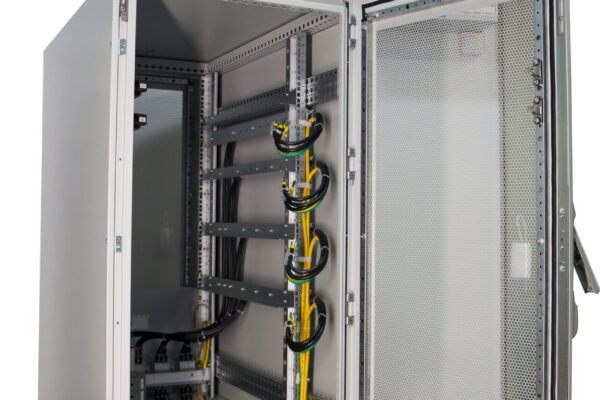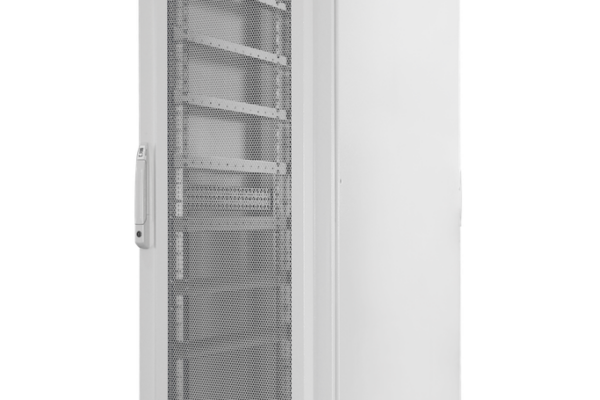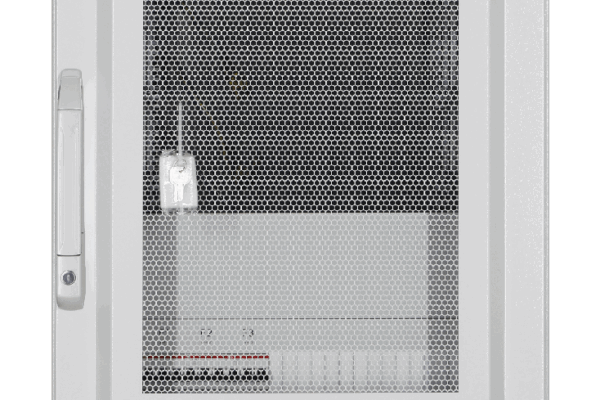


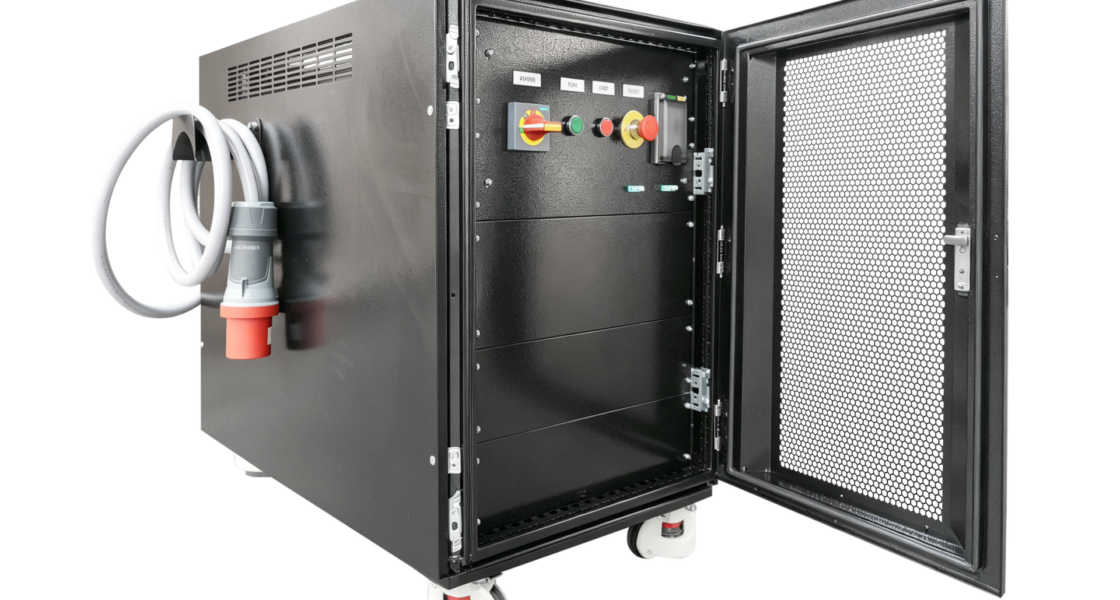
In industrial integration projects, a 19-inch cabinet is more than a housing. It influences wiring organization, accessibility, maintenance, and long-term system integration.
TPS supports 19-inch cabinet and cabinet-solution projects for B2B customers with a focus on customizable configurations, UL 508A-oriented cabinet solutions where required, and safety-focused system architectures for industrial applications.
1. Why This Matters in Cabinet RFQs
When buyers reach the final stages of supplier evaluation, the question is rarely, “What is a 19-inch cabinet?” Instead, the focus shifts to whether a supplier can provide the configuration, documentation, and project support required for the application.
For system integrators, panel builders, procurement teams, and electrical engineers, cabinet selection can affect:
- Internal wiring organization
- Equipment accessibility
- Thermal management
- Installation requirements
- Maintenance workflows
- Supplier comparison and evaluation
An under-specified cabinet can lead to redesign work, longer commissioning times, and additional project coordination.
Rather than treating cabinet selection as a catalog exercise, many industrial projects require a cabinet platform that can be adapted to specific installation, distribution, or control requirements.
2. Why Customization Matters Beyond Standard Dimensions
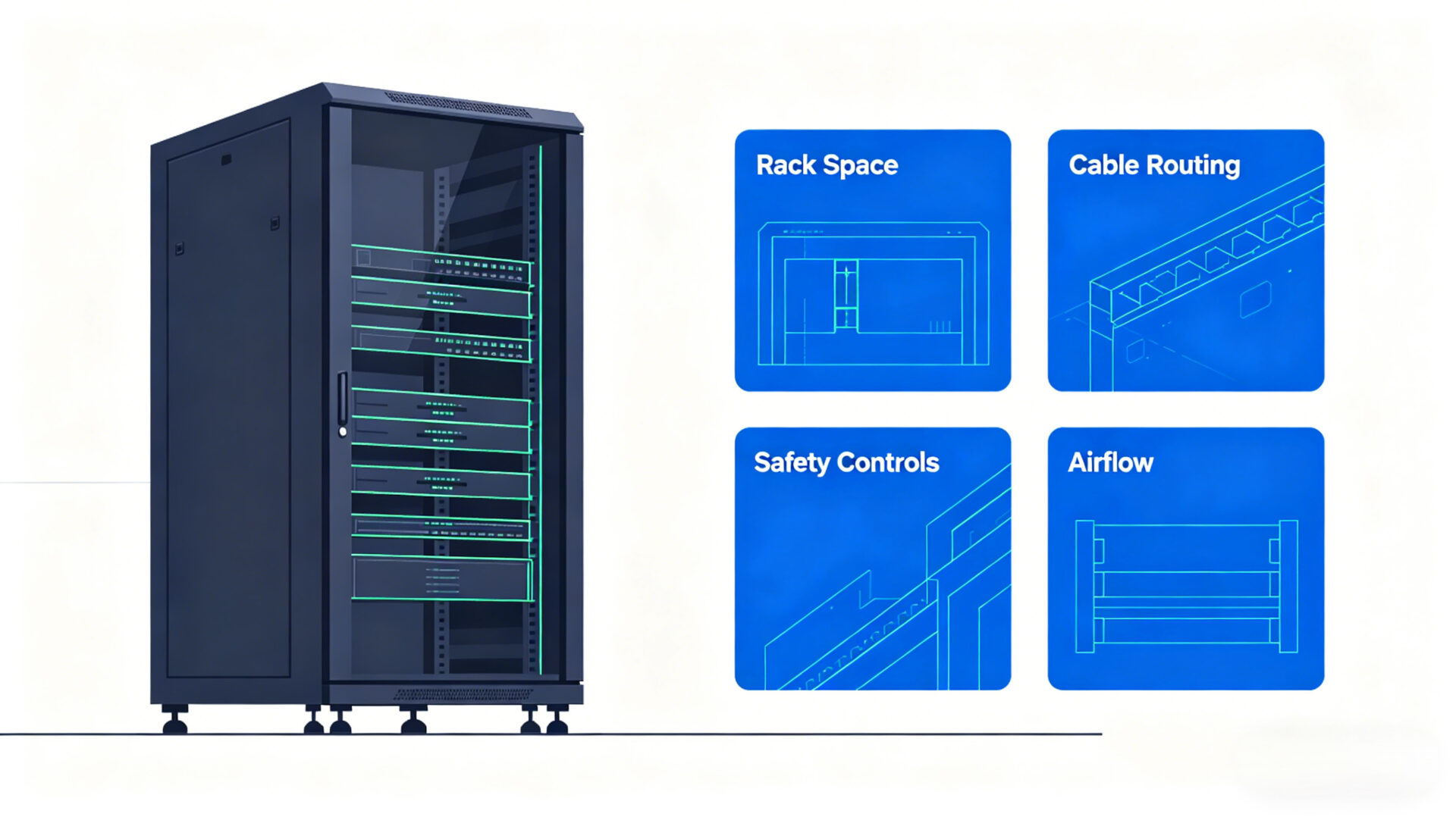
One common sourcing mistake is selecting a cabinet solely based on rack height. In practice, many projects require mechanical and functional adaptations to support system integration requirements.
According to TPS cabinet-solution materials, the Sentinel range supports customer-specific configurations, including customizable control and display functions, configurable power-module arrangements, and project-specific technical parameters.
Depending on the application, customization may affect:
- Usable rack height and internal layout
- Door design and access requirements
- Distribution-section arrangement
- Control and display interface placement
- Temperature, humidity, alarm, and monitoring functions
- Mechanical mounting and installation strategy
For this reason, buyers should evaluate not only cabinet dimensions but also whether the supplier can support project-specific requirements throughout the design process.
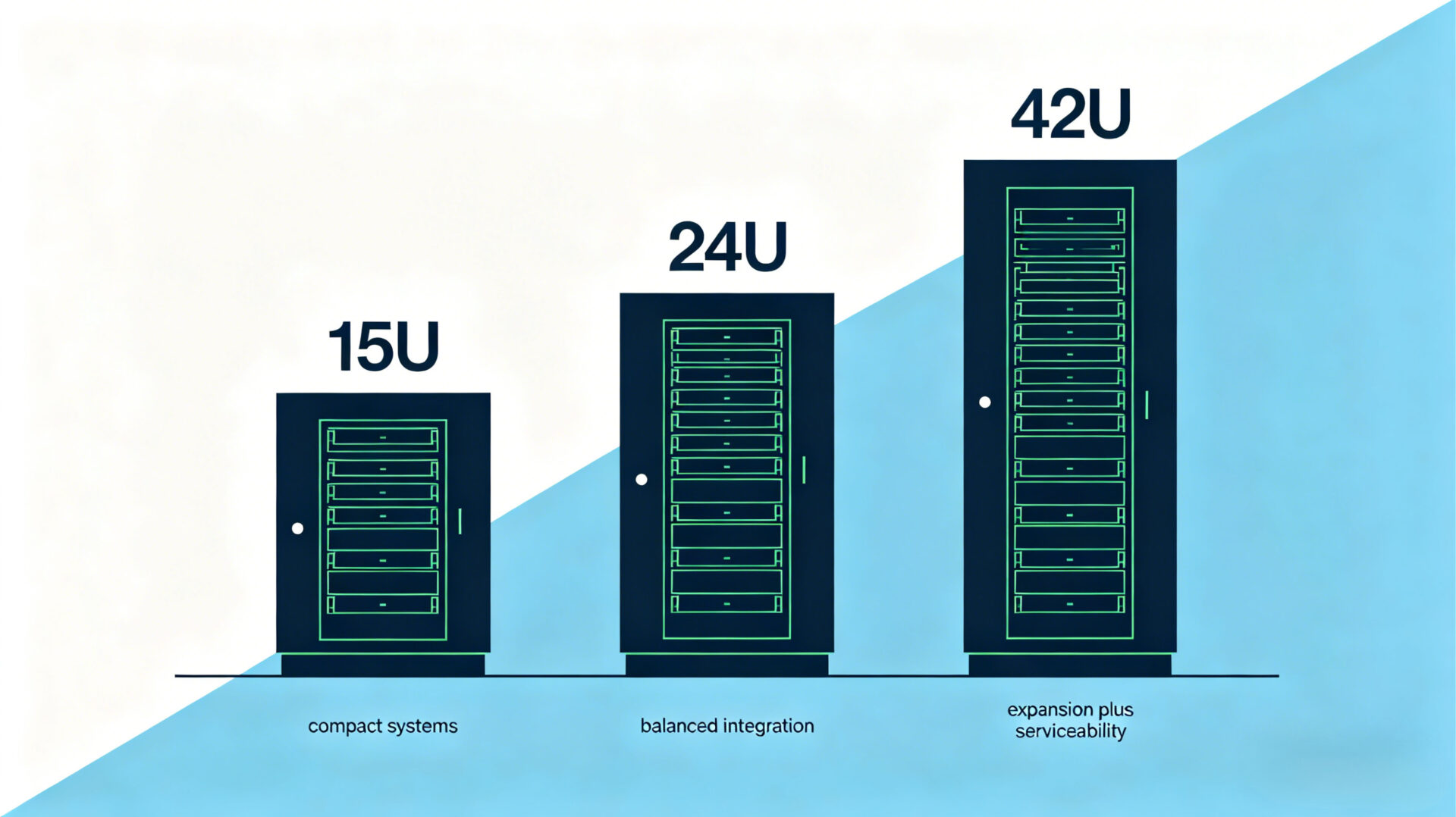
TPS supports projects ranging from standard rack cabinets to customized solutions, including 15U, 24U, and 42U configurations.
3. When UL 508A Becomes Relevant
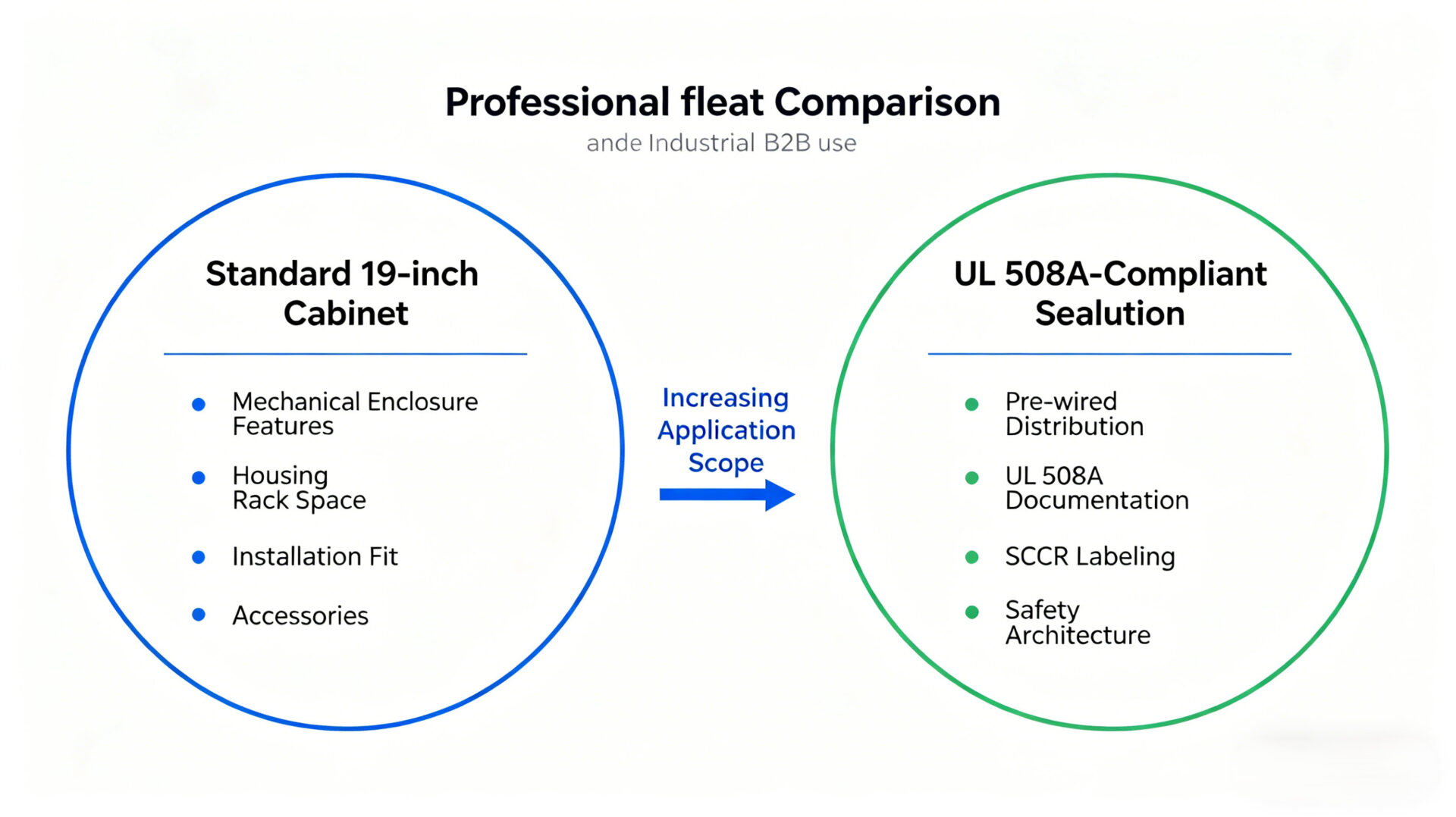
Not every 19-inch cabinet project requires UL 508A. However, when a cabinet becomes part of a pre-wired industrial control or power-distribution system intended for the North American market, UL 508A may become an important project requirement.
TPS documentation for the Sentinel Power Cabinet Series describes custom-wired solutions designed within a UL 508A framework, including SCCR nameplate marking and associated documentation for applicable projects.
From a procurement perspective, there is a significant difference between:
- A mechanical cabinet enclosure
- A pre-wired cabinet solution with control or distribution functions
A cabinet-solution project may include:
- Pre-wired architecture
- SCCR marking
- Component selection aligned with project requirements
- Safety-related circuitry
- Additional documentation and engineering scope
If North American installation requirements are expected, they should be identified early in the RFQ process so that the appropriate cabinet-solution approach can be evaluated.
4. Safety Considerations for Industrial Cabinet Projects
In industrial environments, a cabinet often forms part of the overall system safety strategy rather than serving only as an enclosure.
According to TPS Sentinel documentation, available safety-related features may include:
- UL 489 molded-case circuit breakers
- Branch protection per module
- Dual-channel emergency-stop functionality
- Door interlock monitoring
- PILZ safety relays
The documentation also references safety-circuit designs aligned with ISO 13849 Category 4 / PL d requirements.
For applications with elevated fault-current considerations, the materials describe:
- A standard 10 kA SCCR configuration
- Optional 65 kA SCCR configurations at 480 V AC
- Current-limiting protection strategies
Additional operational features referenced in the documentation include:
- Active temperature monitoring
- Fan-based thermal management
- Soft-start sequencing
- Phase-balancing functions
When comparing suppliers, it is advisable to review safety functions and protection concepts explicitly rather than assuming equivalent functionality across all cabinet solutions.
5. Choosing Between 15U, 24U, and 42U Cabinets
Cabinet height should be selected according to application requirements rather than convention.
15U Cabinet
Typically considered for:
- Space-constrained installations
- Compact system designs
- Applications with limited equipment density
24U Cabinet
Often selected for:
- Mid-sized installations
- Balanced equipment capacity
- Additional room for cable management and future modifications
42U Cabinet
Commonly used for:
- Larger integrated systems
- Projects requiring greater service accessibility
- Installations with expansion requirements
TPS cabinet-solution materials reference enclosure sizes ranging from 15U to 48U, allowing cabinet selection to be aligned with project complexity and growth requirements.
6. Supporting Project-Driven Cabinet Sourcing
Many projects begin with a standard cabinet requirement and later expand to include distribution, control, monitoring, or safety-related functions.
TPS supports both:
- Standard 19-inch cabinet projects for network, server, telecom, and industrial applications
- Cabinet-solution projects involving customization, pre-wired architectures, and application-specific engineering requirements
This approach allows project teams to evaluate cabinet options and more advanced cabinet-solution requirements within the same sourcing process.
For projects involving North American installation requirements, RFQs should clearly specify any expectations related to UL 508A, SCCR, safety functions, or documentation.
7. What to include in your RFQ
Providing complete project information helps reduce clarification cycles and improves quotation accuracy.
Consider including:
- Preferred cabinet size or required rack capacity
- Application type (cabinet only or cabinet solution)
- Customization requirements
- Control, display, or monitoring requirements
- Installation country and applicable standards
- SCCR requirements, if applicable
- Safety-function requirements
- Wiring or distribution scope
- Drawings or layout sketches
- Estimated project quantities
The more complete the RFQ, the easier it becomes to evaluate suitable cabinet configurations and project requirements.
FAQ
Can a 19-inch cabinet be customized for project-specific requirements?
Yes. TPS cabinet-solution materials describe configurable control and display functions, flexible module arrangements, and customer-specific technical parameters depending on project requirements.
Does every 19-inch cabinet require UL 508A?
No. UL 508A is generally relevant when the cabinet forms part of an industrial control or power-distribution solution intended for the North American market.
What safety-related topics should be discussed during an RFQ?
Depending on the application, topics may include emergency-stop functionality, door interlocks, safety relays, SCCR requirements, protective devices, thermal monitoring, and overall safety architecture.
Which cabinet size should I choose: 15U, 24U, or 42U?
The appropriate size depends on equipment density, service-access requirements, available installation space, and anticipated future expansion.