

As power systems and digital infrastructure evolve, circuit breaker design is no longer limited to physical fault protection. Modern development increasingly combines electrical engineering, software architecture, and mechanical design to create integrated protection concepts across hardware and digital environments.
Today, circuit breaker system design often addresses both physical interruption mechanisms and system-level resilience strategies.
From Physical Protection to System-Level Architecture
A circuit breaker protects electrical systems against overload, short circuit, and fault conditions by interrupting current flow.
In contemporary applications, however, the scope of circuit breaker design extends beyond basic current interruption. Engineers increasingly develop integrated architectures that combine:
- Electrical protection mechanisms
- Mechanical enclosure and thermal considerations
- Digital monitoring and communication interfaces
- System-level diagnostics and control integration
This broader approach supports improved monitoring, maintainability, and integration into industrial automation and energy management systems.
Retrofit Circuit Breaker Design in Existing Infrastructure
In industrial environments, retrofit circuit breaker design plays an important role. Instead of replacing entire switchgear installations, existing panels can be upgraded with:
- Monitoring modules
- Communication interfaces
- Enhanced protection electronics
Such modernization measures can extend operational life cycles and align legacy systems with current technical requirements.
The Circuit Breaker Design Pattern in Software Systems
The concept of a “circuit breaker” has also been adopted in software engineering. In distributed and cloud-based systems, the circuit breaker design pattern is used to prevent cascading failures.
When a service becomes unstable or unresponsive, the software-based circuit breaker temporarily interrupts requests to that service. This mechanism helps:
- Isolate faulty components
- Prevent system-wide overload
- Support controlled recovery processes
For engineers asking “What is the circuit breaker design pattern?”, it can be described as a fault-tolerance strategy inspired by electrical protection principles. It is widely applied in microservices architectures and distributed platforms to enhance system resilience.
PCB Design Tools for Intelligent Breaker Electronics
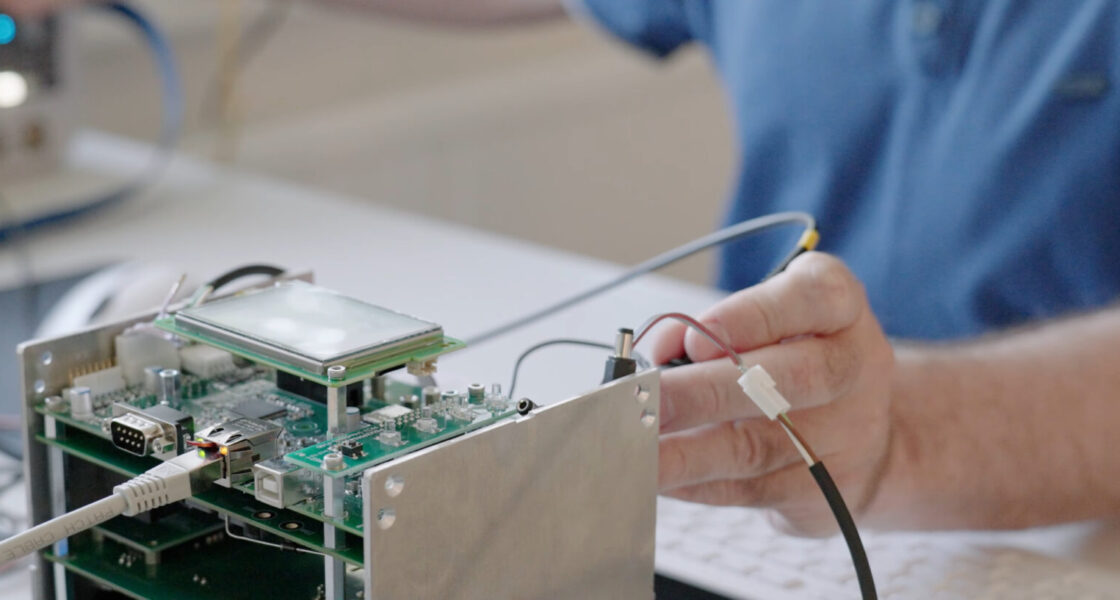
Modern circuit breakers increasingly incorporate electronic control boards. These boards manage sensing, signal processing, communication, and protection logic.
Professional EDA tools such as Altium Designer and Cadence Allegro PCB Designer are commonly used in PCB layout development. These platforms support:
- Controlled impedance routing
- Constraint management
- Signal integrity analysis
- Design rule verification
Structured training resources and standardized workflows contribute to consistent PCB layout practices, particularly in high-density or high-speed designs.
Mechanical Design and Enclosure Engineering
Mechanical robustness remains a central requirement in breaker development. Enclosures must address:
- Thermal dissipation
- Mechanical stability
- Environmental exposure
- Mounting and service accessibility
Tools such as SolidWorks are widely applied in mechanical design workflows. Engineers use them to model breaker housings, mounting structures, and heat management components.
From foundational certification levels to advanced professional expertise, mechanical design teams apply structured CAD methodologies to support reliability under demanding industrial conditions.
FPGA and Embedded Intelligence in Modern Breakers
Next-generation circuit breakers increasingly integrate embedded control systems. FPGA-based and microcontroller-based architectures enable:
- Real-time fault detection
- Configurable protection logic
- Communication via industrial protocols
- Data acquisition for monitoring purposes
FPGA and embedded software design tools support hardware–software co-development. This integration allows breaker systems to incorporate advanced features such as remote diagnostics and condition-based monitoring, depending on system requirements.
Conclusion
Integrated circuit breaker design now spans multiple engineering disciplines. It connects:
- Electrical protection principles
- PCB and embedded electronics development
- Mechanical enclosure engineering
- Software-based resilience concepts
From hardware panel design to the software circuit breaker pattern, modern protection strategies reflect the convergence of physical and digital system reliability.
As infrastructure continues to modernize, both retrofit approaches and digitally integrated breaker architectures are expected to remain relevant in industrial and distributed energy environments.