

Key Takeaways
- TPS bidirectional power modules enable controlled energy flow between AC grids and DC loads, supporting regenerative test systems and battery formation lines.
- High efficiency (up to 96% AC-DC and up to 95% DC-AC, model-dependent) combined with a high power factor (up to 0.99) can significantly reduce net energy consumption in energy-intensive testing environments.
- Advanced soft-switching technology helps reduce switching losses and electromagnetic interference (EMI), supporting compliance with standards such as EN 55032 in laboratory and industrial settings.
- Low THDi (<5%) and automatic parallel operation contribute to grid-friendly operation and scalable system architectures.
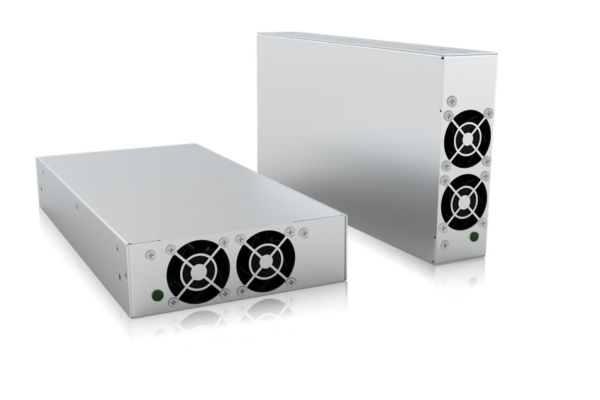
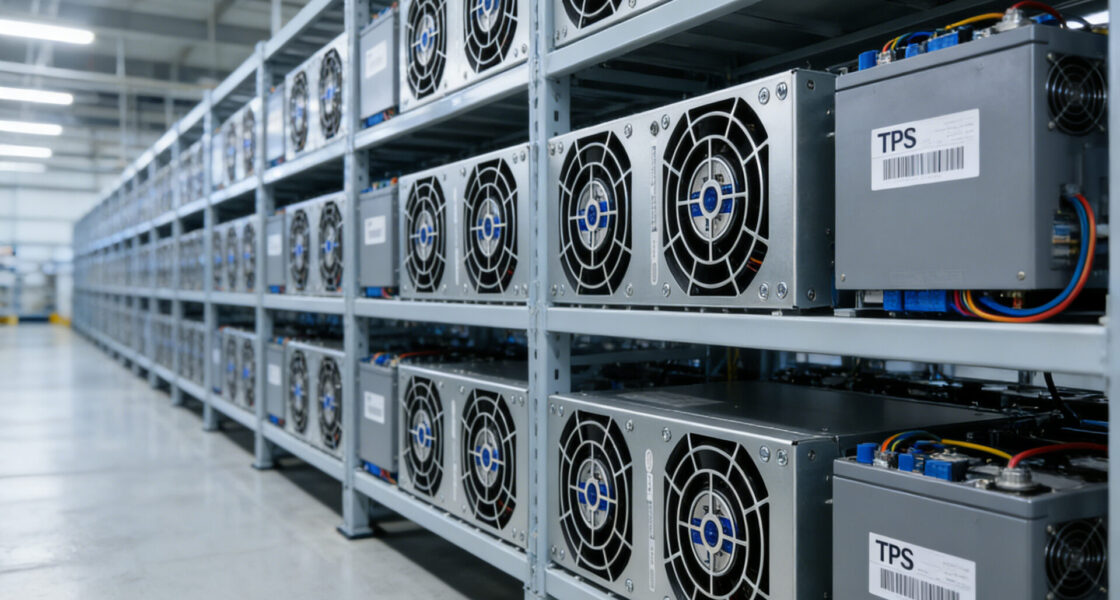
- Modular design with forced-air cooling enables flexible system configuration, serviceability, and suitability for continuous industrial operation.
- TPS modules are commonly used in battery testing, cell formation, and regenerative aging systems, where energy recovery can improve overall system efficiency.
Rethinking Energy Use in Industrial Testing
Industrial testing and battery manufacturing are increasingly shaped by efficiency and sustainability requirements. Conventional test systems typically draw electrical energy from the grid and dissipate a large portion of it as heat during discharge or aging processes. This results in high operating costs, complex thermal management, and increased demand on electrical infrastructure.
Bidirectional AC-DC power converters offer an alternative approach. By enabling controlled energy recovery during discharge phases, they allow a portion of the energy to be converted back into usable AC power. In applications such as battery cell formation, power aging, and inverter testing, this regenerative concept can reduce both net energy consumption and thermal load.
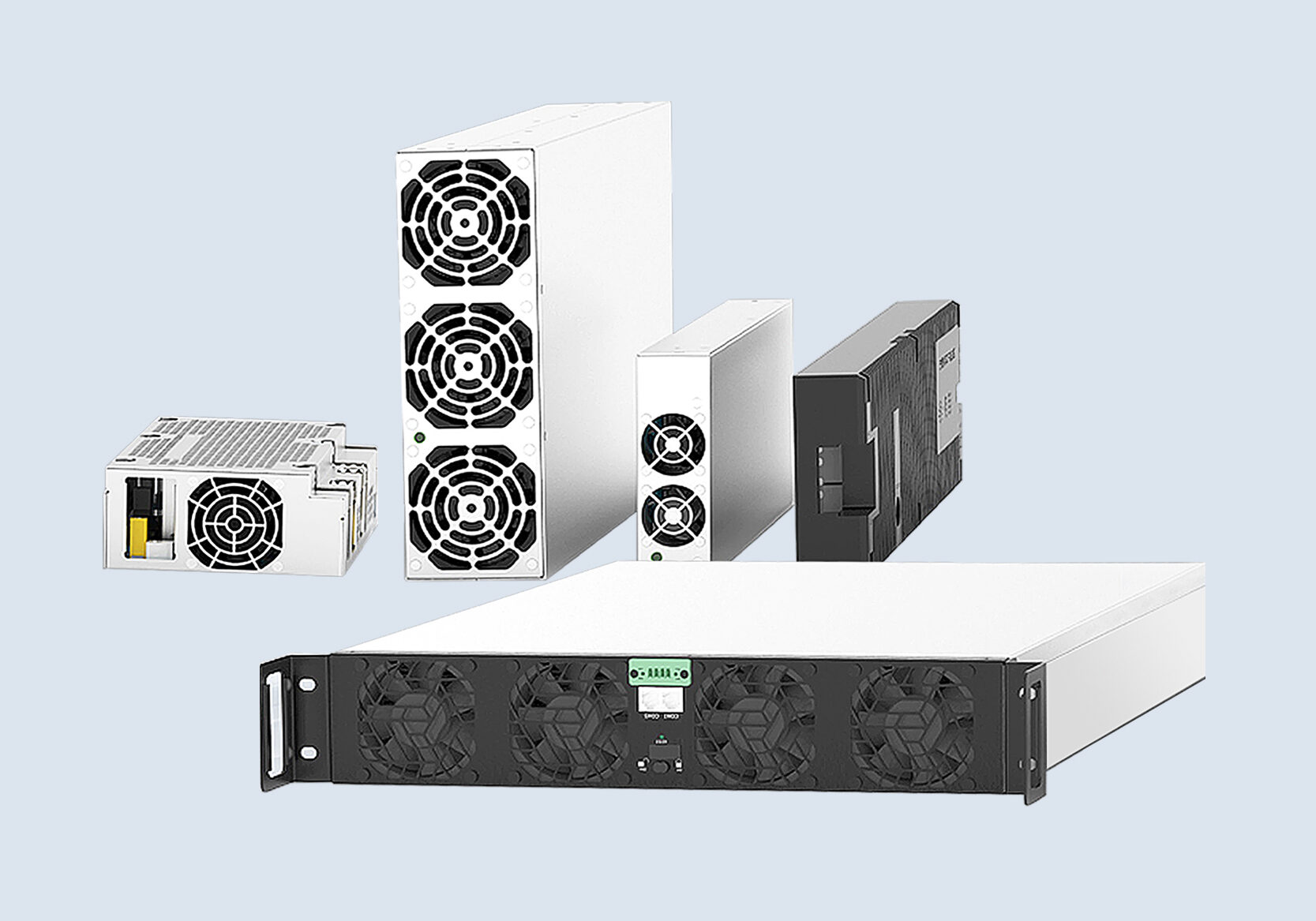
Discover TPS bidirectional AC-DC power modules for regenerative test systems, battery formation, and power aging. Modular building blocks from compact lab setups to high-power industrial platforms, supporting scalable architectures and grid-friendly operation.
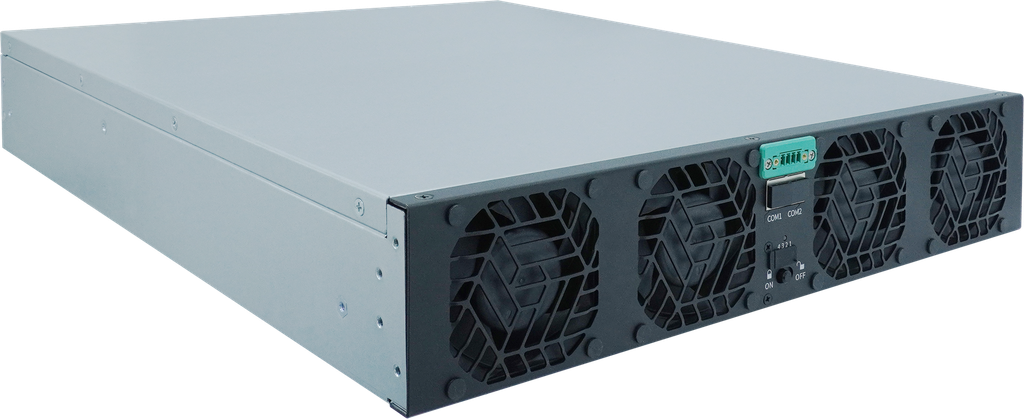
TPS-BM75053KTIT
High-power bidirectional AC-DC module for centralized regenerative systems and industrial test facilities.
View product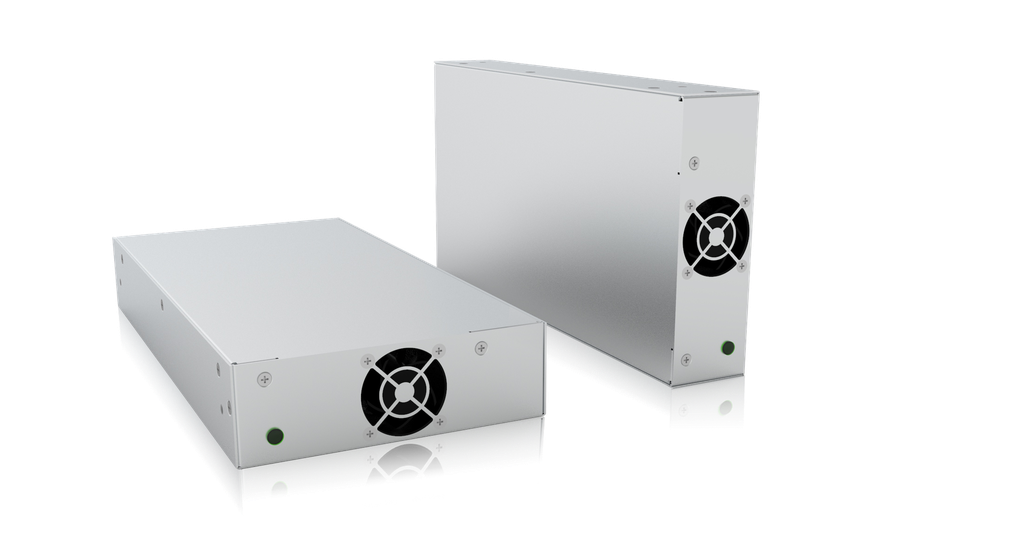
TPS-BM142250SIR
Compact bidirectional module for R&D benches and scalable regenerative test channels.
View product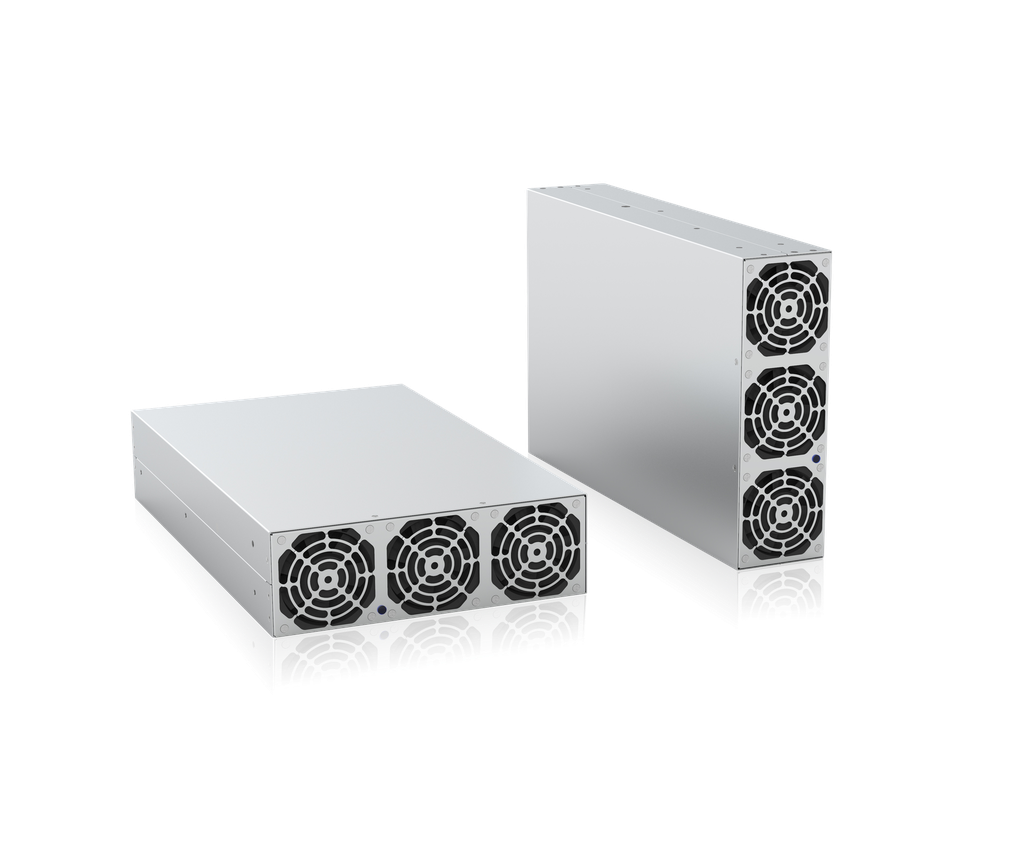
TPS-BM23013K5TIF
Medium-voltage DC output series module for string formation and module testing applications.
View product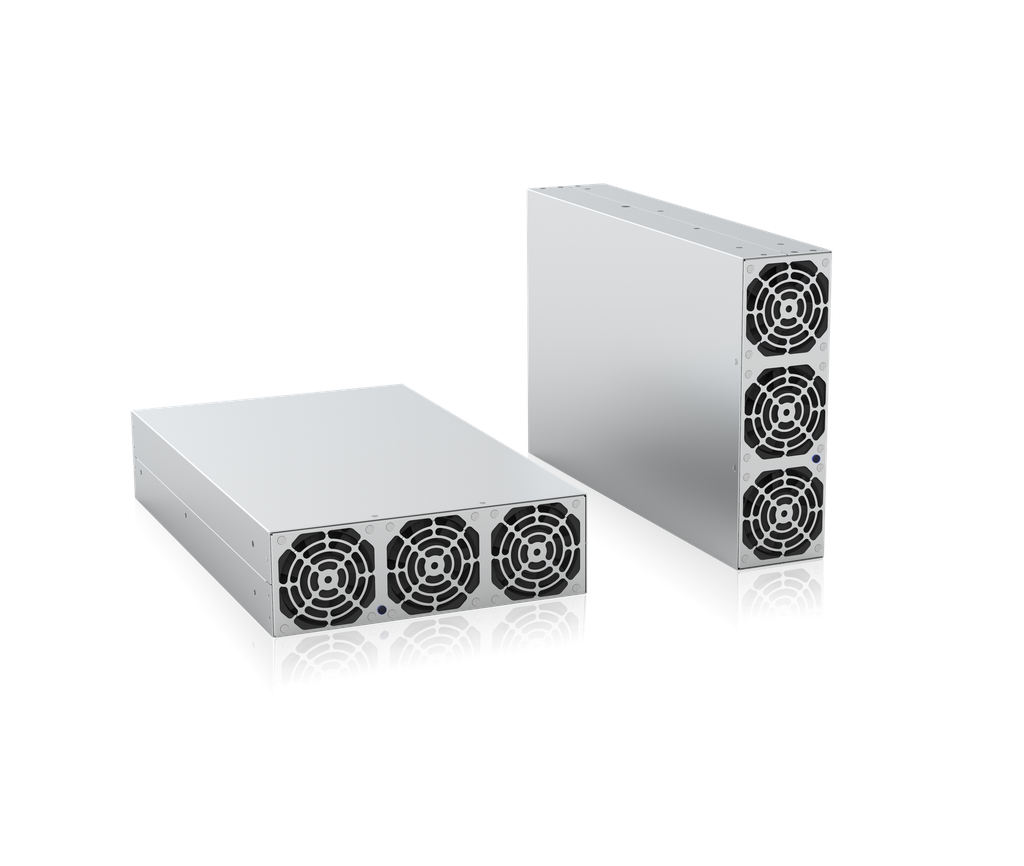
TPS-BM9016K5TIF
90 VDC class module designed for series-connected cell formation and battery test setups.
View product
TPS-BM90053KTIT
High-power bidirectional platform module for large-scale regenerative loads and centralized energy recovery.
View product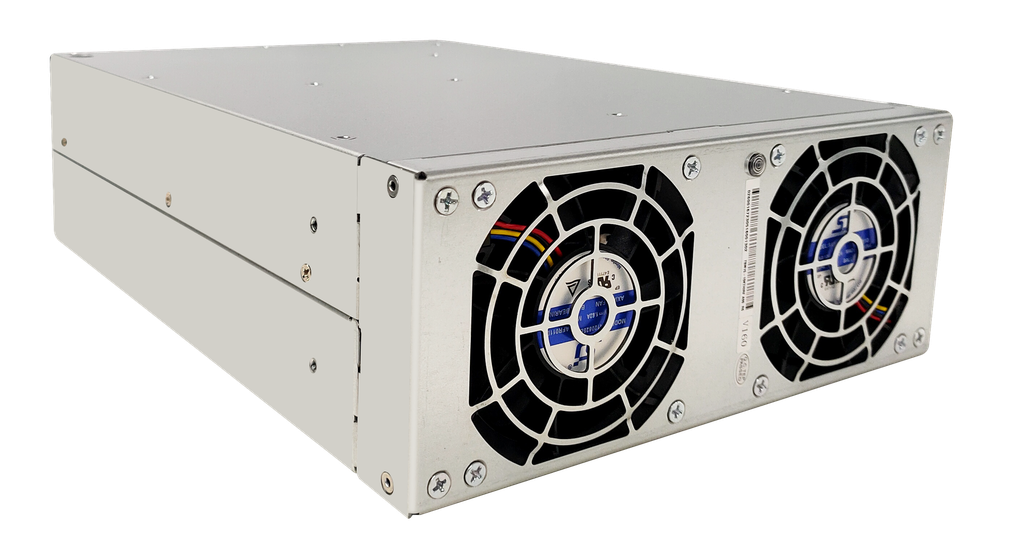
TPS-BM157200UHIT
Three-phase bidirectional module for 480 VAC environments and industrial battery test platforms.
View product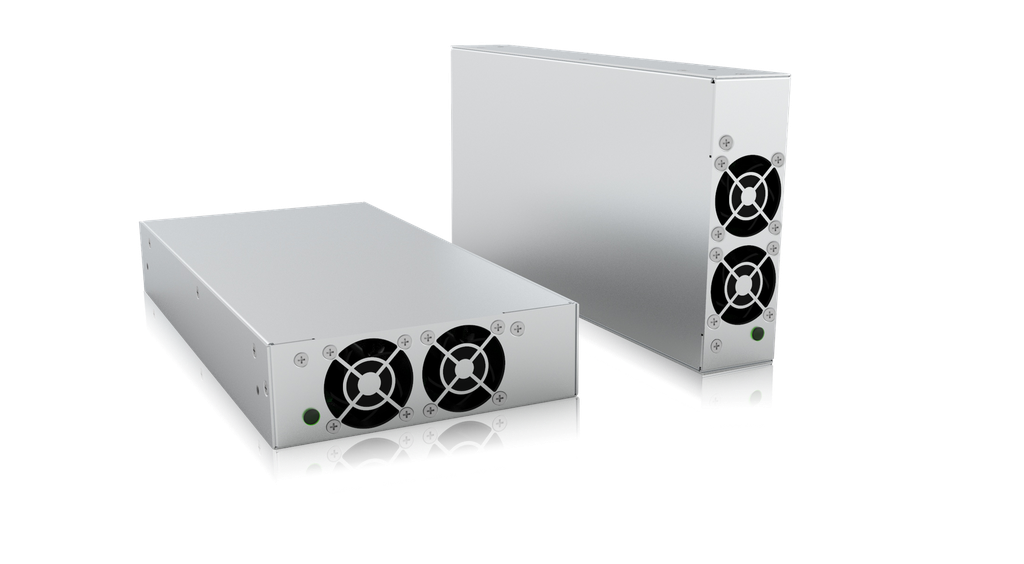
TPS-BM143400SI
Single-phase module for expanded test channels where higher power density is required.
View product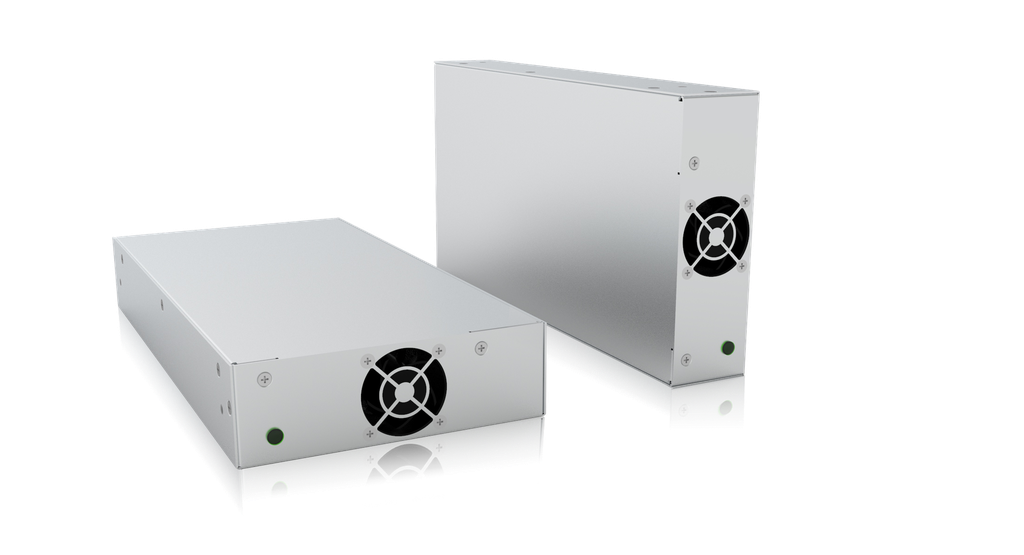
TPS-BM152250SIF-U
Compact bidirectional module suitable for regenerative loads and flexible lab or cabinet integration.
View product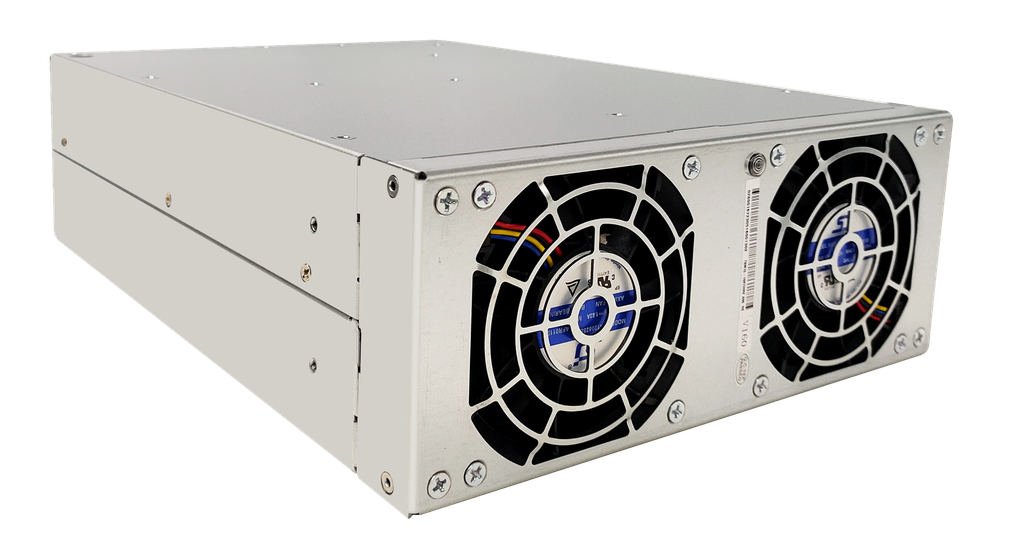
TPS-BM159000THIT
Three-phase bidirectional module for higher-power regenerative aging and industrial test systems.
View product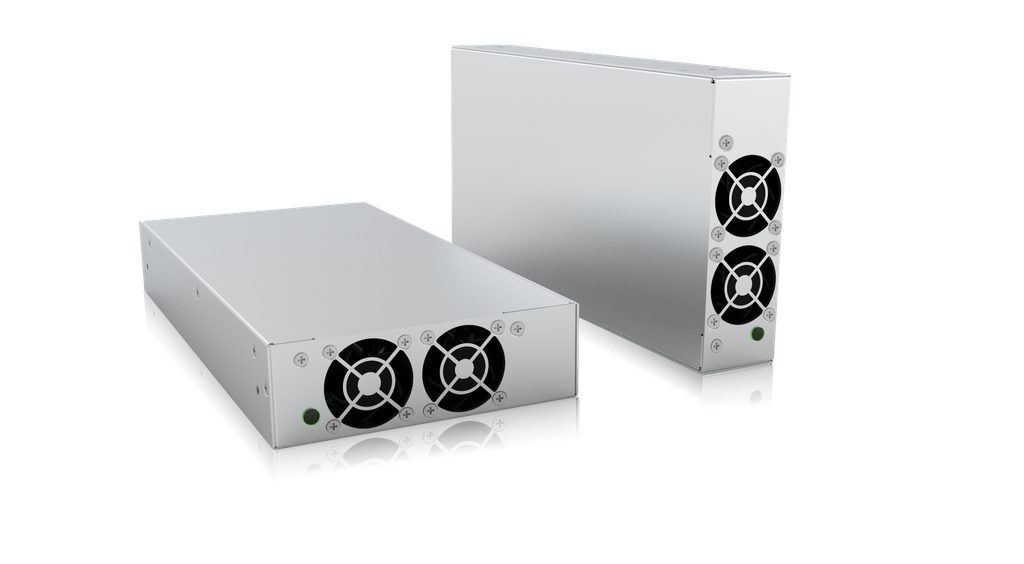
TPS-BM142650SIR
Bidirectional module variant for cabinet airflow layouts and scalable regenerative test racks.
View productLimitations of Conventional Test Systems
Traditional test setups in battery manufacturing and power electronics validation often rely on resistive or electronic loads. While technically straightforward, these systems present several challenges:
- High energy consumption: Electrical energy is continuously converted into heat.
- Thermal load: Heat dissipation requires extensive HVAC infrastructure.
- Operational cost: Electricity and cooling often represent a significant share of operating expenses.
- Scalability constraints: Expansion is limited by available grid capacity and cooling capability.
- Sustainability considerations: Energy dissipation conflicts with efficiency and environmental objectives.
Bidirectional power modules address these limitations by enabling energy reuse rather than permanent energy dissipation.
Core Technology: Bidirectional AC-DC Power Conversion
A TPS bidirectional power module is a four-quadrant power converter capable of operating as both a rectifier and an inverter within a single unit. Its primary functional roles include:
- AC-DC conversion: Supplying stable, programmable DC power for charging batteries or powering DC loads.
- DC-AC conversion: Feeding recovered energy from DC sources back into the AC grid or local AC loads.
- Power quality control: Maintaining a high power factor (typically up to 0.99) and low total harmonic distortion (THDi <5%).
- Dynamic operation: Rapid transitions between sourcing and sinking power for dynamic test profiles.
This functionality makes bidirectional modules well suited for regenerative test environments with frequently changing power flow directions.
Key Technical Advantages
1. Soft-Switching Technology and Efficiency
TPS bidirectional modules employ soft-switching techniques, such as zero-voltage or zero-current switching, to reduce switching losses and electrical stress on components.
- Efficiency: Typical efficiencies range from approximately 91.5% to 96% in AC-DC mode and 86% to 95% in DC-AC mode, depending on the model and operating point.
- Thermal performance: Reduced losses lead to lower heat generation, supporting compact designs and long-term reliability.
- EMC behavior: Smoother switching transitions contribute to improved electromagnetic compatibility and support compliance with EN 55032.
2. Power Factor and Harmonic Performance
In facilities with multiple parallel test channels, power quality plays an important role.
- High power factor: A power factor close to unity allows efficient use of existing electrical infrastructure.
- Low THDi: Harmonic distortion below 5% helps protect upstream equipment and supports grid connection requirements.
3. Modular Architecture and Parallel Operation
TPS modules follow a scalable, modular design approach.
- Modular expansion: Systems can be scaled by adding standardized modules ranging from a few kilowatts to several tens of kilowatts per unit.
- Automatic parallel operation: Built-in current sharing enables multiple modules to operate together with minimal configuration effort.
- Redundancy and serviceability: N+1 redundancy and hot-swap capability support high system availability in continuous operation.
4. Thermal Management for Industrial Operation
Efficient cooling is essential for 24/7 operation. TPS modules use forced-air cooling with intelligent fan control and multiple airflow configurations to accommodate different cabinet layouts. This supports rated operation up to defined ambient temperatures, with controlled derating at higher temperatures.

Typical Applications
Battery Cell Formation and Testing
During battery formation, energy is alternately stored and released. Bidirectional modules enable energy recovery during discharge phases by feeding power back into the AC supply. Depending on system design and process parameters, this can significantly reduce net energy demand compared to resistive discharge methods.
Accurate voltage and current control, low ripple, and wide DC voltage ranges support applications from single cells to high-voltage battery modules.
Regenerative Power Aging and Burn-In
In power supply and inverter aging tests, the output of the device under test can be converted back into grid-compatible AC power. In such configurations, overall energy consumption is largely limited to system losses rather than full rated output power.
Bidirectional Device Testing
Testing inverters, onboard chargers, and other bidirectional power devices requires equipment capable of both sourcing and sinking power. A bidirectional power module can emulate grid conditions and battery behavior within a single system.
Medium- and High-Voltage DC Systems
TPS also offers solutions for medium-voltage DC outputs and three-phase AC inputs, supporting high-voltage battery strings and industrial power levels.
Product Portfolio Overview
The TPS bidirectional product range covers a wide spectrum of power levels and configurations:
- Single-phase, low power: Suitable for R&D laboratories and small test systems.
- Single-phase, medium power: Designed for expanded test channels with higher power density.
- Three-phase, standard power: Commonly used in industrial formation lines and aging racks.
- Three-phase, high power: Intended for centralized regenerative systems with high total power.
- Medium-voltage DC output series: Optimized for series-connected cell and module testing.
Compliance and Integration
TPS bidirectional power modules are designed to meet relevant international standards, including CE conformity, RoHS compliance, and selected UL / IEC standards (model-dependent). Communication interfaces such as CAN and RS-485 support integration into automated test systems and factory control environments.
Conclusion
Bidirectional AC-DC power conversion is becoming an important element in modern test and battery manufacturing systems. By enabling energy recovery instead of continuous dissipation, regenerative architectures can reduce operating costs, lower thermal load, and improve overall system efficiency.
TPS bidirectional power modules provide a modular and scalable foundation for such systems, supporting applications from laboratory testing to high-power industrial production. As energy efficiency and sustainability continue to gain importance, regenerative test concepts are expected to play an increasing role in future manufacturing and validation environments.