

Modern manufacturing continues to evolve as demand grows for advanced materials and higher-precision processing methods. Across industries, manufacturers increasingly combine material science with modern engineering techniques to support performance requirements, durability considerations, and greater design flexibility.
From zinc alloy components and bronze machining to laser-based sheet metal processing, material choice and fabrication accuracy play a central role in contemporary production environments.
Zinc Alloy Materials and Surface Finishing
Zinc alloy metal remains widely used in automotive, electronics, and industrial applications. Its popularity is largely driven by a combination of castability, corrosion resistance, and economic efficiency, making it suitable for both functional and decorative components.
In many applications, manufacturers pay particular attention to:
- Dimensional consistency after casting
- Zinc color uniformity for visible surfaces
- Surface quality for consumer-facing or exposed parts
To enhance corrosion protection and surface durability, components are often zinc plated. This additional coating layer can contribute to improved resistance against environmental influences and mechanical wear, particularly in demanding operating conditions.
Laser Cutting and Sheet Metal Processing
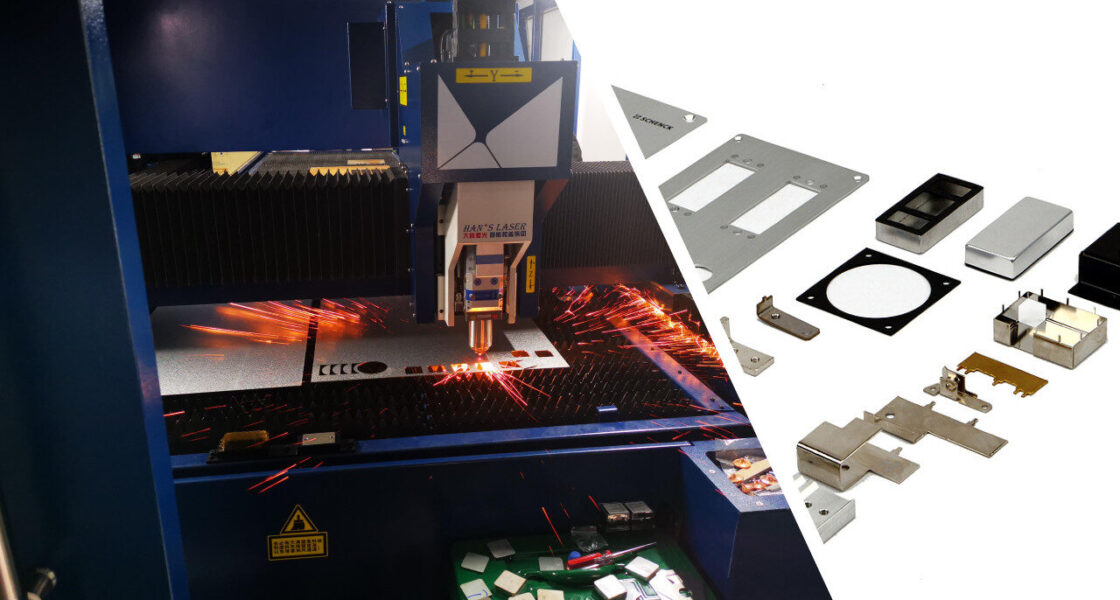
Advanced sheet metal processing methods such as blech mit laser schneiden (sheet metal laser cutting) are increasingly applied where accuracy and repeatability are required. Laser cutting supports the production of complex geometries with clean edges and limited material waste.
Typical advantages of laser-based sheet metal processing include:
- High dimensional accuracy
- Consistent cut quality across production batches
- Flexibility for both small series and larger production volumes
These characteristics make laser cutting a common choice in modern fabrication strategies where precision and process stability are important.
Bronze, Copper, and Alloy Selection in Mechanical Design
Material selection remains a key engineering decision, particularly when evaluating bronze vs. copper for mechanical or conductive applications. Copper is commonly chosen for its electrical and thermal conductivity, while bronze is often selected for its mechanical strength and wear resistance.
A frequent engineering question is what metals bronze is made of. Bronze typically consists of copper combined with alloying elements such as tin, aluminum, or silicon. These combinations result in copper-based alloys suited for applications including:
- Bearings and bushings
- Valves and pump components
- Mechanically loaded parts with sliding contact
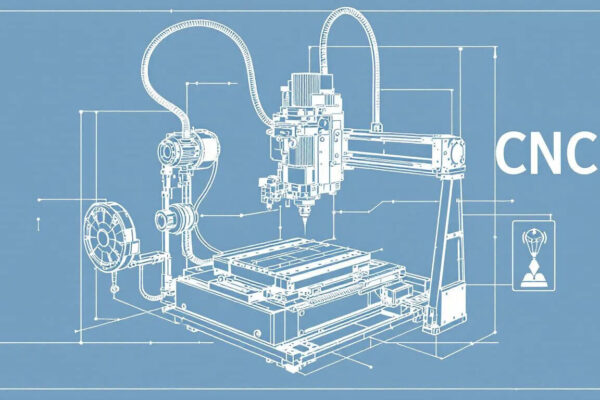
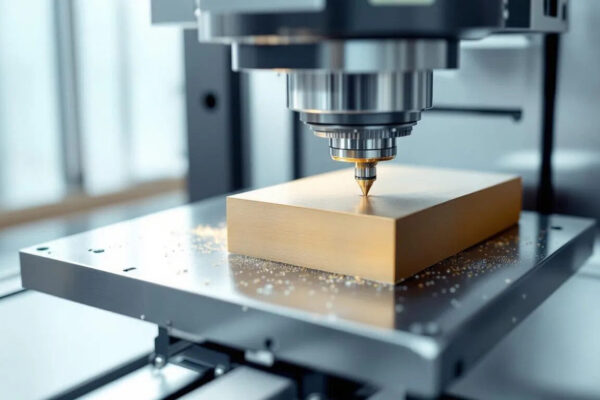
With the use of CNC technology, machine bronze processes enable the production of components with tight tolerances and consistent quality, supporting applications in sectors such as industrial equipment and marine systems.
Precision Assembly and Mechanical Interfaces
Beyond material selection and fabrication, modern assemblies rely on accurately designed mechanical interfaces. Features such as tap with thread are essential for reliable fastening and maintainability. Proper thread geometry and execution contribute to load distribution and long-term assembly integrity.
Equally important is the correct selection of types of fits in mechanical design, including:
- Clearance fits for ease of assembly
- Transition fits for controlled positioning
- Interference fits for fixed, load-bearing connections
Choosing the appropriate fit supports alignment accuracy, functional reliability, and service life across assembled components.
Conclusion
From zinc alloy materials and zinc-plated finishes to laser-cut sheet metal and machined bronze components, modern manufacturing is increasingly shaped by precise material selection and controlled processing methods.
By carefully evaluating bronze vs. copper, understanding what metals bronze is made of, and applying appropriate machining, fitting, and threading techniques, engineers can develop components aligned with defined performance and durability requirements.
When advanced materials are combined with established fabrication technologies, manufacturers can support consistent quality, efficient production processes, and long-term reliability within industrial applications.