

The global manufacturing landscape is approaching a critical phase in 2025. While industrial AI, edge computing, and digital platforms continue to advance, physical infrastructure on the factory floor is often underestimated. Servers, controllers, and network components depend not only on software intelligence, but also on stable mechanical protection, thermal control, and long-term maintainability. Inadequate enclosures can contribute to overheating, vibration-related failures, and limited upgrade flexibility. In this context, the industrial cabinet becomes a key element of smart factory reliability.
TPS Elektronik GmbH designs its 19-inch industrial cabinets to address these practical requirements. Rather than serving solely as passive enclosures, the cabinets are engineered as structured platforms that take mechanical design, thermal behavior, and system integration into account from the outset. By following the established 19-inch standard, they support consistent integration of diverse equipment within a unified physical framework.
Why the 19-Inch Standard Matters in Industrial Environments
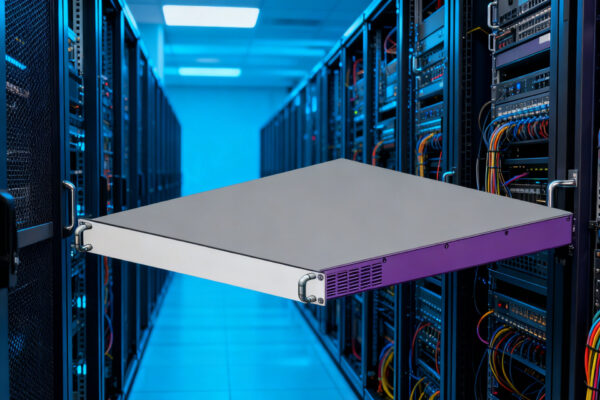
Technological ecosystems depend on shared standards. In information technology, the 19-inch rack format established global compatibility for servers and network equipment. Applying this standard to industrial environments supports closer integration between operational technology and IT systems, particularly at the edge of the network.
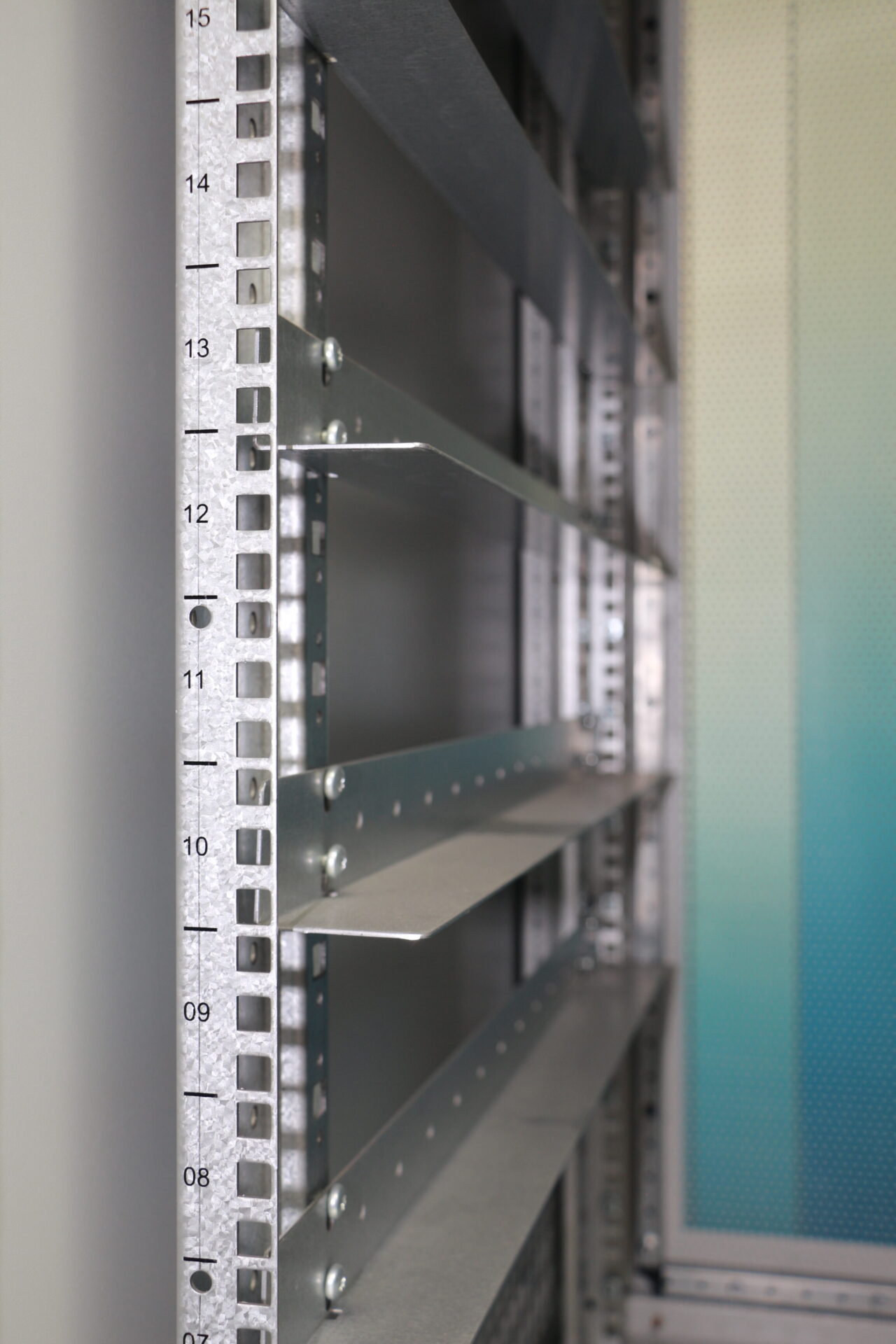
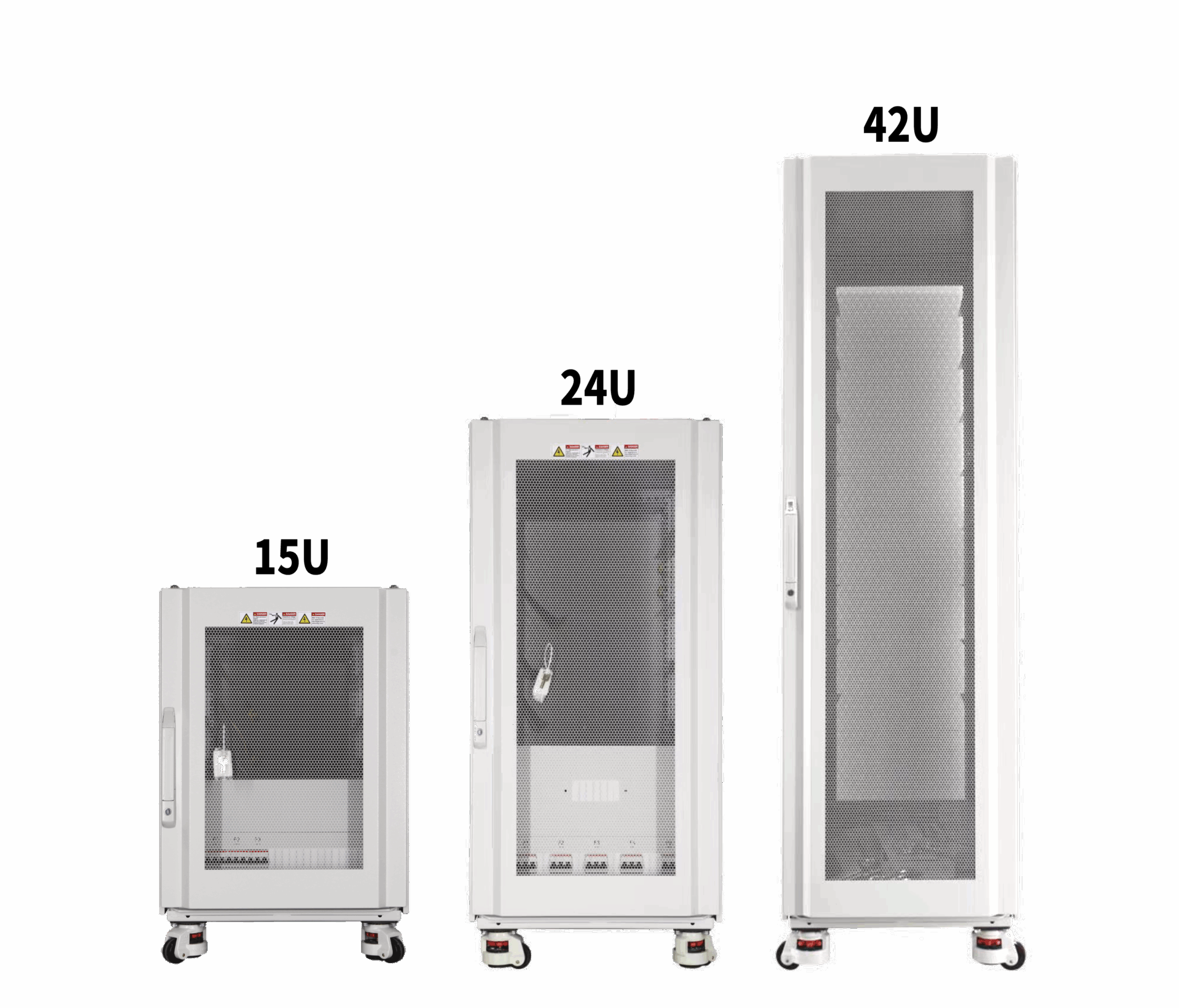
TPS industrial cabinets are based on the standardized 482.6 mm (19-inch) mounting width. Adjustable mounting rails with 25 mm and 44.45 mm spacing allow the installation of common rack-mount components, from compact 1U edge devices to full-depth servers. Cabinet variants are available from smaller configurations, such as 15U, up to full-height 42U racks. This standardized approach is intended to reduce custom mechanical adaptations and support scalable system architectures across different projects.
Designed for Industrial Conditions
Selecting a 19-inch rack format alone is not sufficient for use on the factory floor. Industrial environments impose mechanical, thermal, and environmental demands that standard IT racks are not designed to address. Industrial cabinets must therefore be considered part of the overall system design.
Mechanical Stability
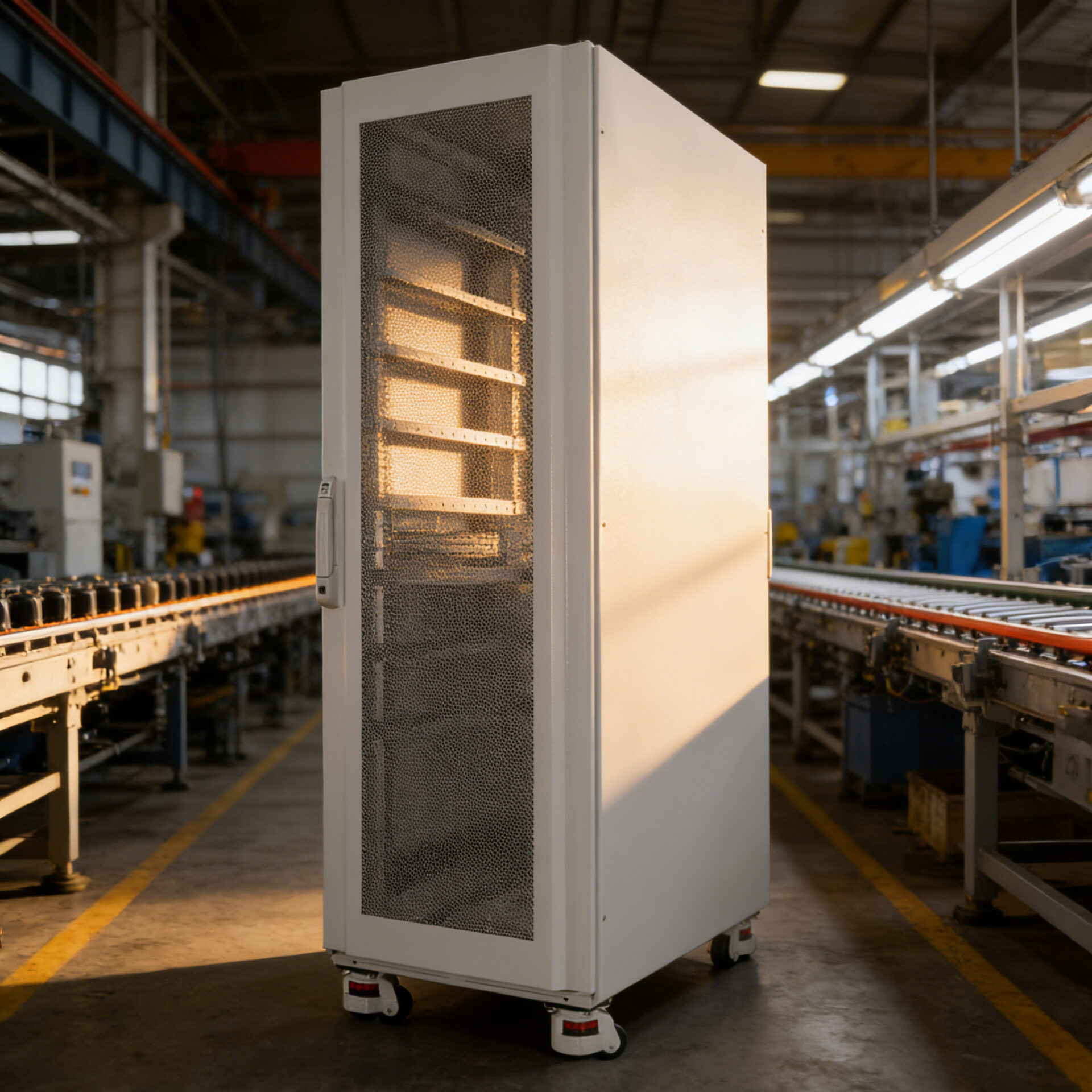
TPS cabinets are manufactured from steel constructions and, in single front door and single rear door versions, reinforced with square tubing. Depending on configuration, this design supports high static load capacities of up to 1000 kg, contributing to system stability under vibration and mechanical stress.
Environmental Protection
Fixed side panel configurations enhance physical protection and restrict the ingress of dust or contaminants. A RAL 7035 powder-coated finish is used to improve resistance to corrosion and common industrial chemicals typically encountered in production environments.
Thermal Considerations
Cabinet layouts are designed to support controlled airflow. Removable panels and defined cable routing paths help reduce airflow obstructions and support effective heat dissipation within the server rack, which can contribute to stable operation of installed equipment.
Modularity as a Tool for Industrial Flexibility
Manufacturing systems are continuously evolving. Fixed mechanical infrastructure can limit the ability to adapt to new technologies or changing production requirements. TPS industrial cabinets are therefore designed with modularity in mind.
Reconfiguration Options
The standardized internal layout allows different equipment configurations within the same cabinet. For example, a 42U cabinet can be equipped with various combinations of 3U or 4U chassis, depending on system requirements, without replacing the enclosure itself.
Installation and Maintenance Support
Optional features such as adjustable casters and fully removable panels are intended to simplify installation, relocation, and maintenance. This modular concept helps extend the usable life of the cabinet as system requirements change over time.
From Enclosure to Functional System Platform
In modern industrial applications, cabinets increasingly serve as integrated system platforms rather than empty housings. TPS offers configurations where functional components, such as limit switches or circuit breakers from established manufacturers, are pre-installed within the cabinet as part of a defined assembly concept.
Pre-configured grounding elements, including copper grounding plates, are used to support structured wiring and electrical safety practices. This approach can reduce installation effort on site and support more consistent assembly processes. In this role, the server rack functions as an organized physical node within the broader factory network rather than a standalone enclosure.
A Practical Basis for Future Manufacturing Systems
Smart manufacturing requires reliable digital systems and equally reliable physical infrastructure. TPS 19-inch rack-mount cabinets are designed to provide a standardized, mechanically robust, and adaptable foundation for industrial IT and control equipment. Available in single front door, single rear door, and fixed side panel configurations, they support a wide range of industrial deployment scenarios.
Selecting an industrial cabinet is a long-term infrastructure decision. By focusing on standardization, durability, and modular design—combined with experience in system integration—TPS cabinets are intended to support gradual system expansion and technological evolution within modern production environments.
TPS – Physical infrastructure designed to support digital industrial systems.