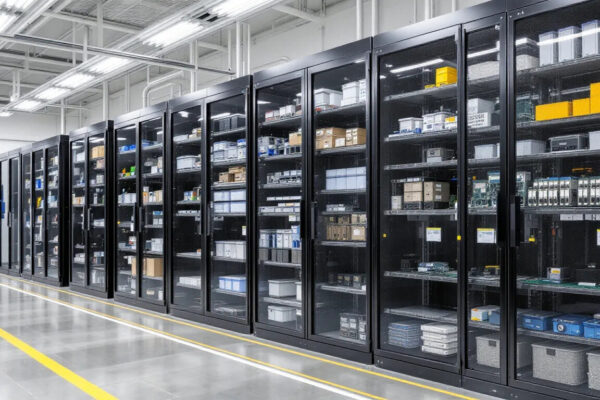


In today’s competitive manufacturing environment, supply chain optimization for electronics has become an important strategic focus for companies aiming to improve efficiency, resilience, and cost transparency. As global markets evolve and regulatory requirements become more complex, electronics manufacturers are reassessing logistics structures, compliance processes, and quality management practices to remain sustainable and adaptable.
Smarter Supply Chain Optimization for Electronics
Modern approaches to supply chain optimization for electronics increasingly combine digital forecasting tools, automation, and real-time data analysis. Improved visibility across procurement, production, and distribution can help reduce lead times, align inventory levels with demand, and limit unnecessary material usage.
At the same time, global sourcing strategies are used to access specialized components, manage cost structures, and diversify supplier bases. This diversification can support supply continuity, particularly in the context of geopolitical uncertainty or logistical disruptions.
Testing and Quality Assurance Technologies
To support consistent product quality, manufacturers are increasingly using eddy current testing as a non-destructive inspection method. This technology enables the detection of surface defects, material inconsistencies, or conductivity variations in metallic components without damaging the tested parts.
When combined with statistical evaluation methods and appropriate sample sizing, eddy current testing can contribute to structured quality assurance processes. Such data-driven inspection approaches are commonly applied to support continuous improvement and traceable quality management.
Compliance and Regulatory Knowledge
Operating across international markets requires a solid understanding of applicable federal, state, and local regulations. Environmental requirements, export controls, and product safety rules all influence how electronics products are designed, manufactured, and distributed.
Organizations involved in international trade compliance often implement internal training programs and auditing processes to reduce regulatory risks and support consistent documentation. This may include ensuring CE conformity and facilitating smoother customs procedures for cross-border shipments.
A fundamental aspect of market access within the European Union is understanding what is CE certification. The CE mark indicates that a product meets relevant EU safety, health, and environmental requirements as defined in applicable directives and regulations.
Cost Reduction and Operational Efficiency
In response to rising material and energy costs, manufacturers are evaluating cost reduction ideas in manufacturing, including process automation, lean production methods, and advanced planning systems. These measures are typically aimed at improving resource utilization and operational transparency.
Digital monitoring tools and predictive maintenance systems are increasingly used to support equipment availability and process stability. When applied appropriately, such solutions may contribute to improved efficiency and more informed operational decision-making.
Professional Development and Global Standards
As electronics manufacturing becomes more globally interconnected, professional qualifications play a growing role in organizational capability building. Credentials such as the international certificate in product management provide structured knowledge related to product lifecycle planning, market requirements, and cross-border coordination.
Clear communication with supply chain partners remains equally important. Designated points of contact and responsible liaisons can support coordination, transparency, and timely issue resolution within international supply networks.
Conclusion
From supply chain optimization for electronics to global sourcing and international trade compliance, the electronics manufacturing sector continues to adapt to increasing complexity and global interdependence. By combining structured quality assurance methods such as eddy current testing with regulatory awareness and considered cost reduction ideas in manufacturing, companies can address operational challenges in a systematic manner.
A focus on compliance, quality management, and professional development — from understanding what is CE certification to pursuing the international certificate in product management — supports a more structured, reliable, and internationally aligned approach to electronics manufacturing.