

Key Takeaways
- EMS workflows connect quoting directly to the sheet metal fabrication process, from cutting and bending through welding, finishing, and assembly.
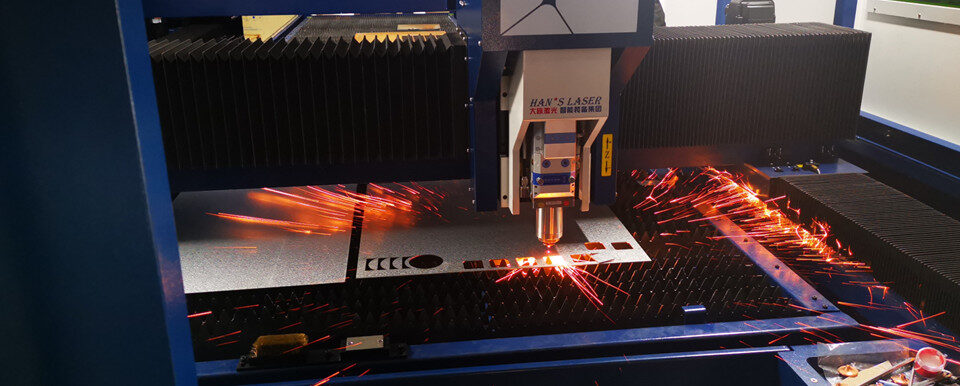
- Modern fabrication equipment such as fiber lasers, turret presses, and panel benders can help shorten prototype lead times while supporting repeatable production.
- Design-for-manufacturability (DFM) plays a central role in aligning fit, function, and finish requirements early in enclosure and part design.
- “Near me” searches typically reflect buyer priorities such as response time, material availability, and documented quality processes rather than proximity alone.
- Aligning materials and finishes at the prototype stage with later production requirements can ease the transition to volume manufacturing.
Whether you require a one-off prototype or a recurring production program, this guide outlines how an EMS-capable sheet metal manufacturing company can support the path from CAD data to shipment. It covers quoting, DFM, fabrication steps, and practical sourcing considerations for custom metal parts.

Understanding Buyer Intent: “Near Me” Searches & Evaluation Criteria
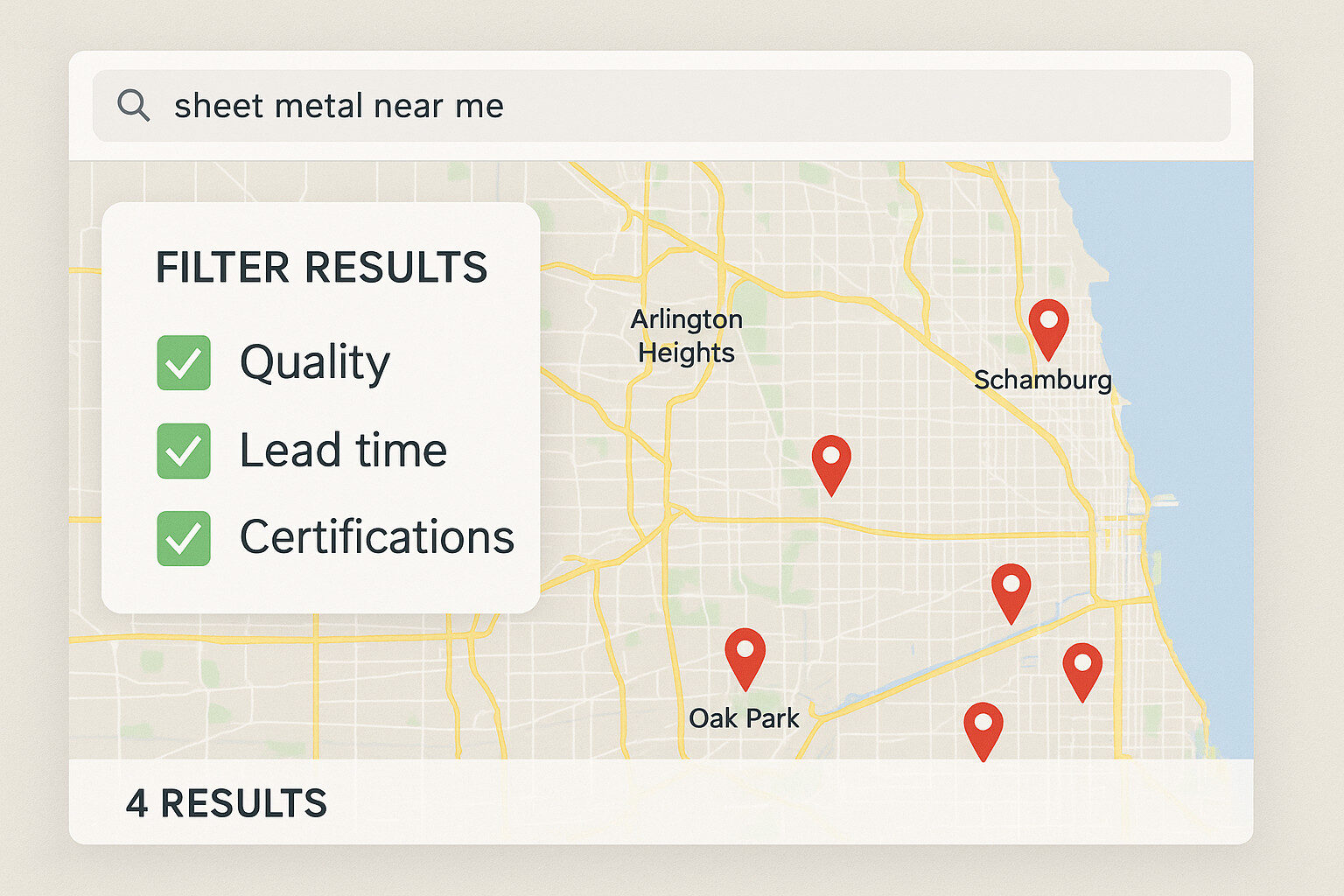
Procurement teams and engineering startups often begin their search with terms such as “custom sheet metal fabrication near me” or “sheet metal laser cutting near me.” In practice, proximity is only one factor. Buyers typically assess potential partners by requesting sample parts, reviewing material certifications, and discussing capacity and scheduling. Evaluating these elements alongside pricing helps reduce technical and planning risk.
The Sheet Metal Fabrication Process (Quote → Ship)
Cutting
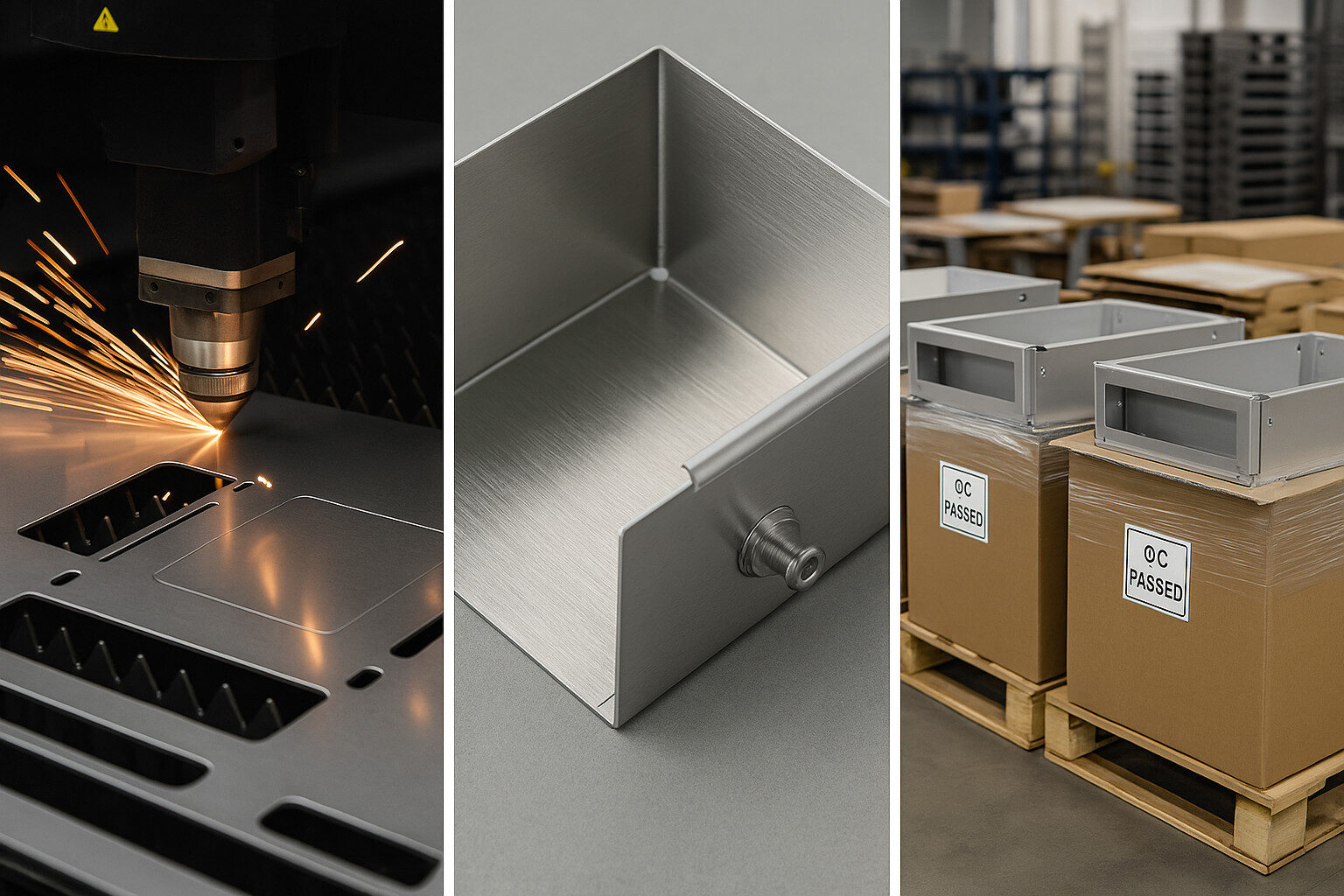
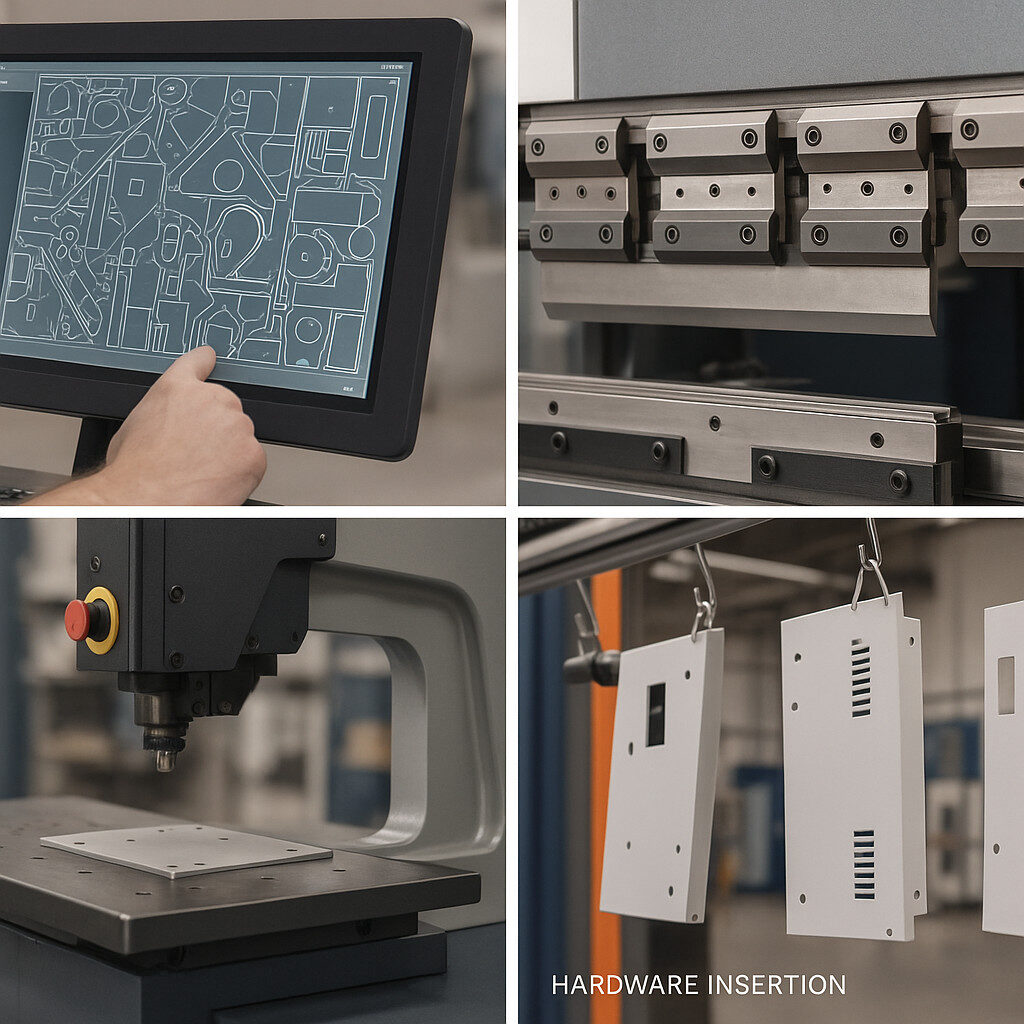
Nesting strategy and cutting technology have a direct impact on cost and lead time. Common sheet metal cutting services include fiber laser cutting, turret punching, and metal sheet cut-to-length services for prepared blanks.
Forming
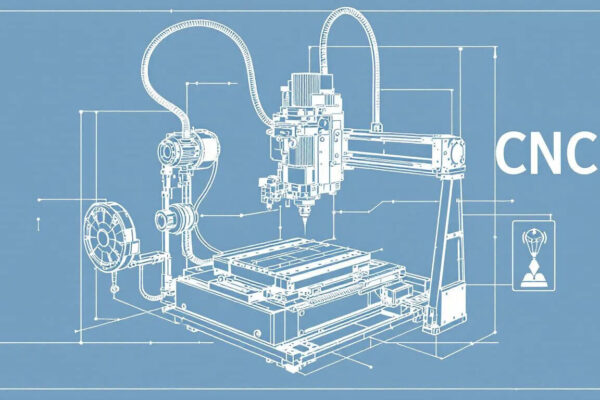
Sheet metal bending services rely on CNC press brakes and panel benders with offline programming to achieve consistent bend angles, controlled radii, and repeatable results across batches.
Joining & Finishing
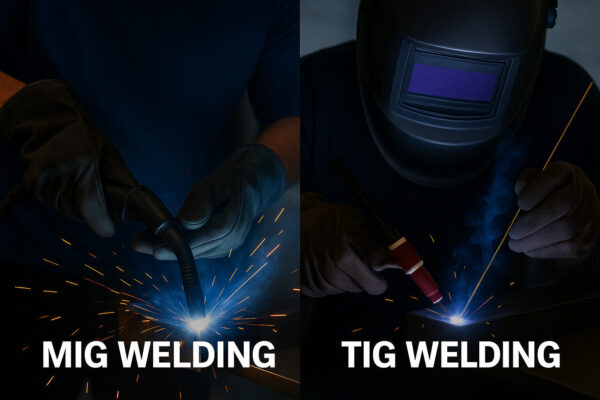
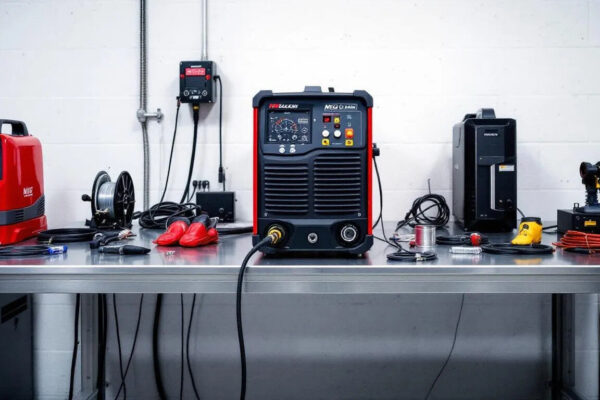
Joining methods such as spot welding, MIG/TIG welding, and hardware insertion are combined with finishing operations like grinding, bead blasting, powder coating, or silkscreening. Processes are selected according to functional, cosmetic, and environmental requirements.
Assembly & Inspection
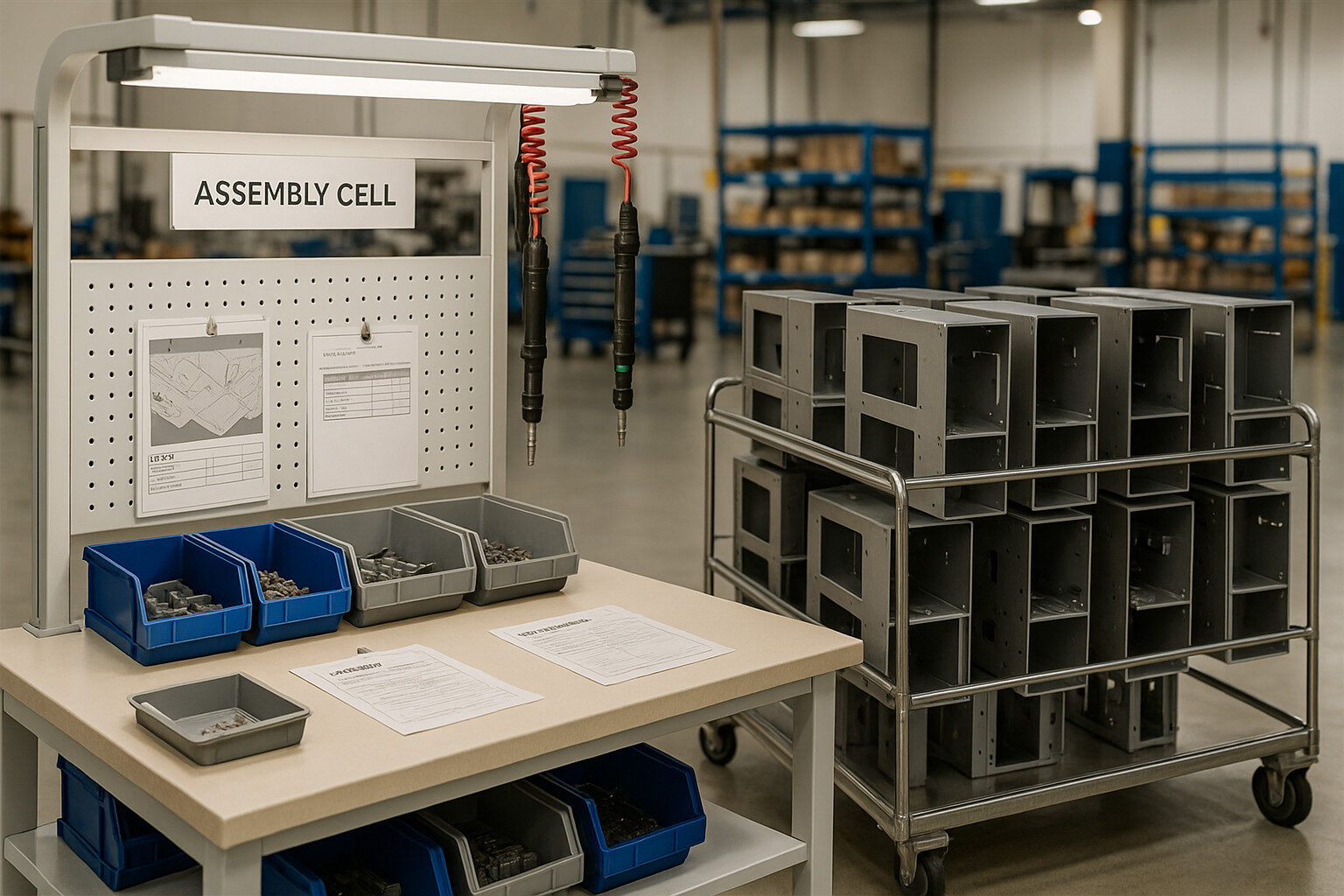
Sheet metal assembly services may include hardware kitting, torque-controlled fastening, and basic functional checks, delivering assemblies ready for downstream integration.
Design for Manufacturability: Enclosures & DFM
Early DFM review can help shorten lead times and reduce rework. Fabrication design and enclosure design activities typically address bend-relief rules, minimum flange lengths, common tooling radii, and hole-to-bend clearances. Stack-up validation at this stage supports dimensional accuracy and sealing performance during assembly.
Materials & Finishes: Stainless Steel Applications
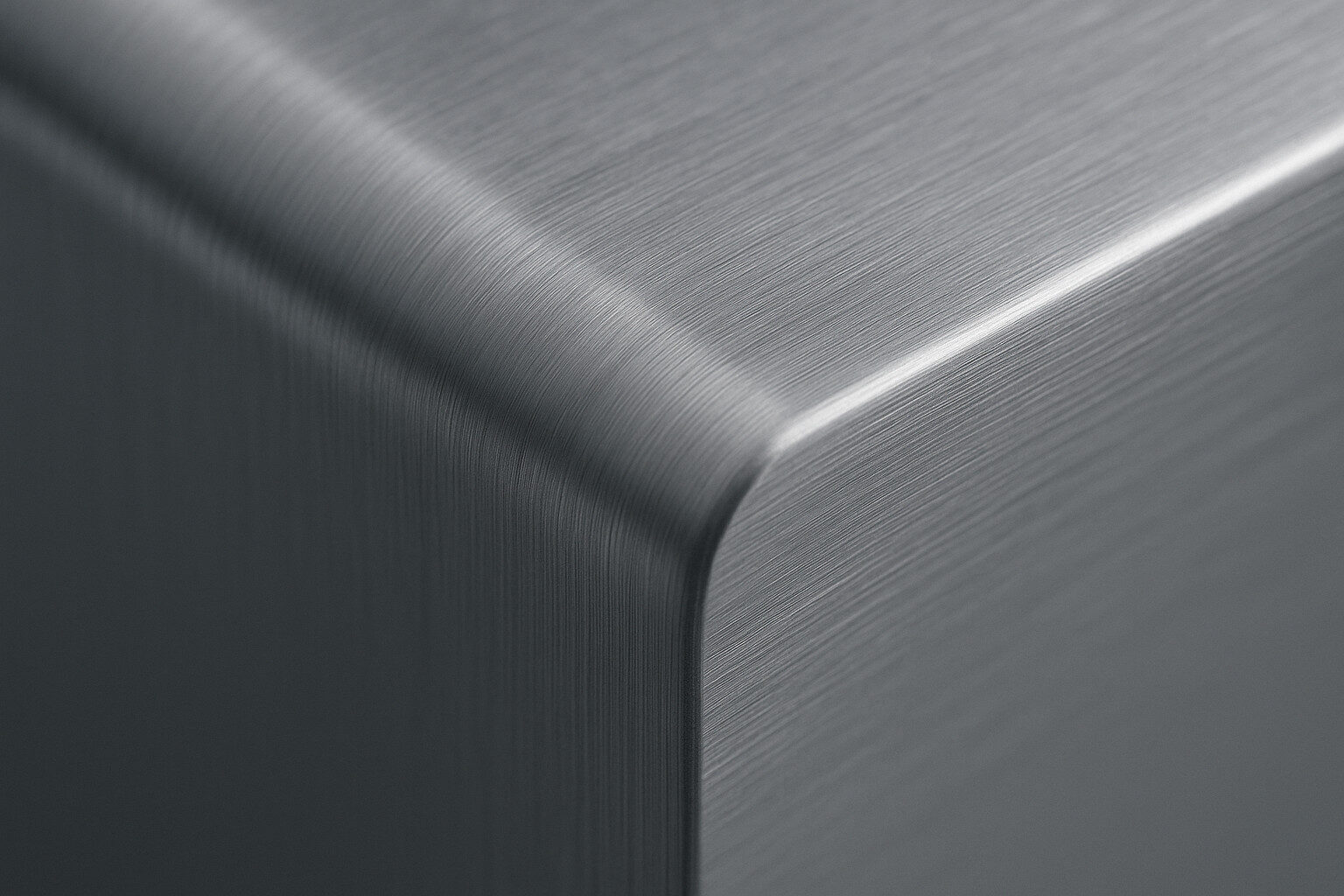
Stainless steel sheet metal fabrication is widely used in appliances, laboratory equipment, and industrial enclosures. Controlled cutting parameters and heat management help maintain surface quality. Typical finishes include brushed (#4), bead-blasted, or passivated surfaces. For lighter structures, hemmed edges or micro-joints can reduce sharp edges while maintaining stiffness.
Prototyping That Aligns with Production
Sheet metal prototyping is most effective when prototype parts reflect production conditions. Using consistent programming standards and inspection routines helps ensure that characteristics such as flatness, stiffness, and weld appearance remain comparable as volumes increase.
From Individual Parts to Production Programs
Scaling from individual fabricated parts to ongoing production programs requires structured logistics. Services may include hardware kitting, sub-assembly, and packaging aligned with line-side consumption. Full-service EMS providers can also support lot traceability, serialization, and inventory coordination based on defined schedules.
Capabilities Overview
- Cutting: Fiber laser cutting, turret punching, metal sheet cut-to-length services
- Forming: CNC press brakes, panel benders, sheet metal bending services
- Equipment: Modern fabrication machines with offline programming and standardized tooling
- Design Support: Fabrication-oriented design review and enclosure design assistance
- Finishing: Powder coating, anodizing, passivation, silkscreening
- Scale: Support from prototype and pilot builds through series production and assembly
FAQs
Q1. Do you offer custom sheet metal fabrication with fast quotations?
A: Quotation processes typically include DFM checks, cutting and bending cost estimates, and material availability assessments.
Q2. Can enclosure programs be handled end-to-end?
A: End-to-end support may include enclosure design review, fabrication, finishing, and assembly with associated documentation.
Q3. What helps accelerate the transition from prototype to production?
A: DFM-compatible geometry and early agreement on tolerances and radii can simplify the transition. Running prototypes on production equipment improves comparability.
Q4. Which stainless materials and thicknesses are commonly used?
A: Stainless steel fabrication commonly uses grades such as 304 or 316 in thicknesses between 0.8 and 3.0 mm, depending on structural and environmental needs.
Q5. Can supplier capabilities be benchmarked?
A: Comparing scope, tolerances, documentation, and risk factors across suppliers supports informed sourcing decisions.
TPS Elektronik integrates design support, cutting, forming, finishing, and assembly within a single EMS framework. For organizations evaluating custom metal fabrication parts or local sheet metal cutting services, a structured, process-driven approach can help align technical requirements with production planning.