EMS CNC Milling for Electronics: Fast RFQ, Fixture-Ready DFM & Repeatable Quality—from Prototype to Series

10 Min Reading time
Written by
Lily Li
Published on
17. March 2026
If you’re a system integrator, panel builder, procurement lead, or electrical engineer, CNC milling is rarely “just machining.”
It’s a schedule gate: housings, heat sinks, brackets, fixtures, and mechanical interfaces that decide whether electronics can be assembled, tested, and shipped without rework.
TPS Elektronik positions CNC milling inside an EMS-ready process—DFM feedback early, documented inspection, and repeatability from prototype to series.
Start your CNC milling RFQ →

1) Why EMS CNC milling changes RFQ outcomes

In BoFu decisions, the real question isn’t “Can you machine this?”—it’s “Can we ship the system on time, with documentation our teams accept?”
Electronics programs fail when mechanical parts arrive late, warp in assembly, or require last-minute edits after the PCB build is already locked.
EMS-context CNC milling reduces that risk by connecting machining to the downstream realities of electronics: grounding zones, connector access, thermal interfaces,
enclosure sealing, and repeatable assembly.

That’s why an RFQ-ready CNC milling partner should offer more than machine time:
a structured DFM pass, fixture-aware planning, documented inspection, and the ability to scale from prototype to series without “process drift.”
If you’re evaluating suppliers, treat CNC milling as part of your manufacturing system—not a one-off procurement line item.

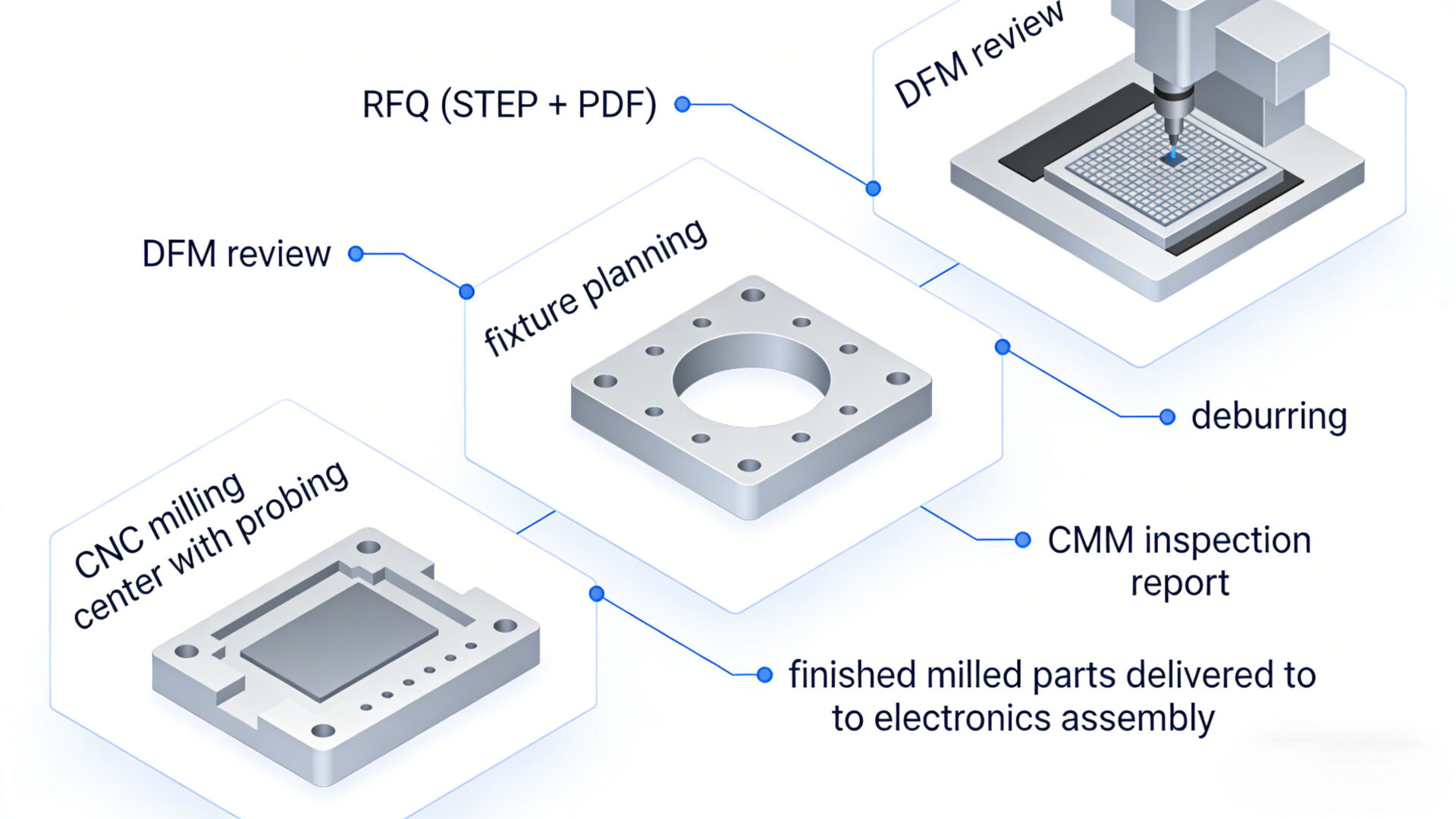
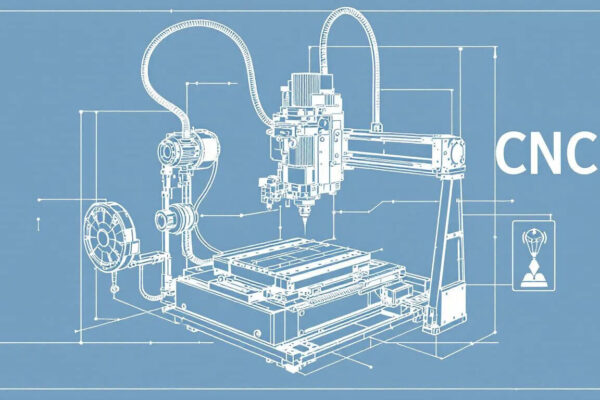
EMS CNC milling workflow: RFQ with STEP and drawing, DFM feedback, fixture planning, machining, deburring, inspection, and delivery for electronics assemblies

If your stakeholders want supporting reading from TPS, these pages help build internal alignment:
EMS CNC Milling: Prototype to Production,
Precision CNC Machining (Tolerances & Process),
and the RFQ entry point:
TPS CNC Milling Services →

2) TPS CNC milling capabilities at a glance

Buyers often search for “cnc milling parts manufacturers” or “cnc milling and turning manufacturers.”
The keyword intent is clear: you want a supplier who can machine, verify, and repeat—without forcing you to split work across multiple vendors.
TPS presents CNC milling as an end-to-end machining chain: milling, turning/mill-turn, and (when needed) EDM/grinding—supported by inspection and documentation.
For integrators and panel builders, that means fewer handoffs and fewer excuses when a schedule is tight.

2.1 3-/4-axis + 3+2: what it means for real parts

Not every part needs full 5-axis machining. Many electronics components are prismatic:
enclosures, plates, heat sinks, brackets, and fixtures.
A 3- or 4-axis high-speed machining (HSM) setup, plus light 5-sided machining via 3+2 positioning, is often the fastest way to hit functional tolerances
while keeping metal costing stable. If you’re scoping parts for prototyping CNC milling, aim to simplify workholding and reduce setups rather than chasing “perfect” geometry.

2.2 CNC milling and CNC turning in one chain

When procurement teams ask the “difference between cnc milling and cnc turning,” they’re usually trying to avoid a multi-supplier chain.
A mixed part family is common in electronics systems:
prismatic parts (milled), plus shafts, bushings, or turned interfaces (turned).
A combined milling + turning (mill-turn) workflow can reduce queues, reduce inspections between suppliers, and improve repeatability.
If your assembly contains both prismatic and rotational features, include the full set in one RFQ so DFM and inspection requirements are consistent.

2.3 EDM & grinding: when geometry demands it

Some requirements don’t play nicely with standard cutters:
sharp internal corners, thin ribs, tight slot geometry, or specific surface finish zones.
Wire/sinker EDM and surface grinding can be used when the design truly needs it—often for tight geometry, edge definition, or controlled roughness.
The BoFu approach is simple: use EDM/grinding as a targeted capability, not as a default.

2.4 Metrology: probing, CMM, inspection reports

What converts an RFQ into a PO is documentation: material certificates, measurement reports, and transparent quality control.
For high-mix electronics programs, in-process probing and final CMM (coordinate measuring machine) verification reduce surprises—especially on interface features:
connector cutouts, datum planes, flatness requirements, and mounting patterns.
If you have an automotive-style mindset, you may also request FAI and PPAP packages in the RFQ (only when the program truly needs them).

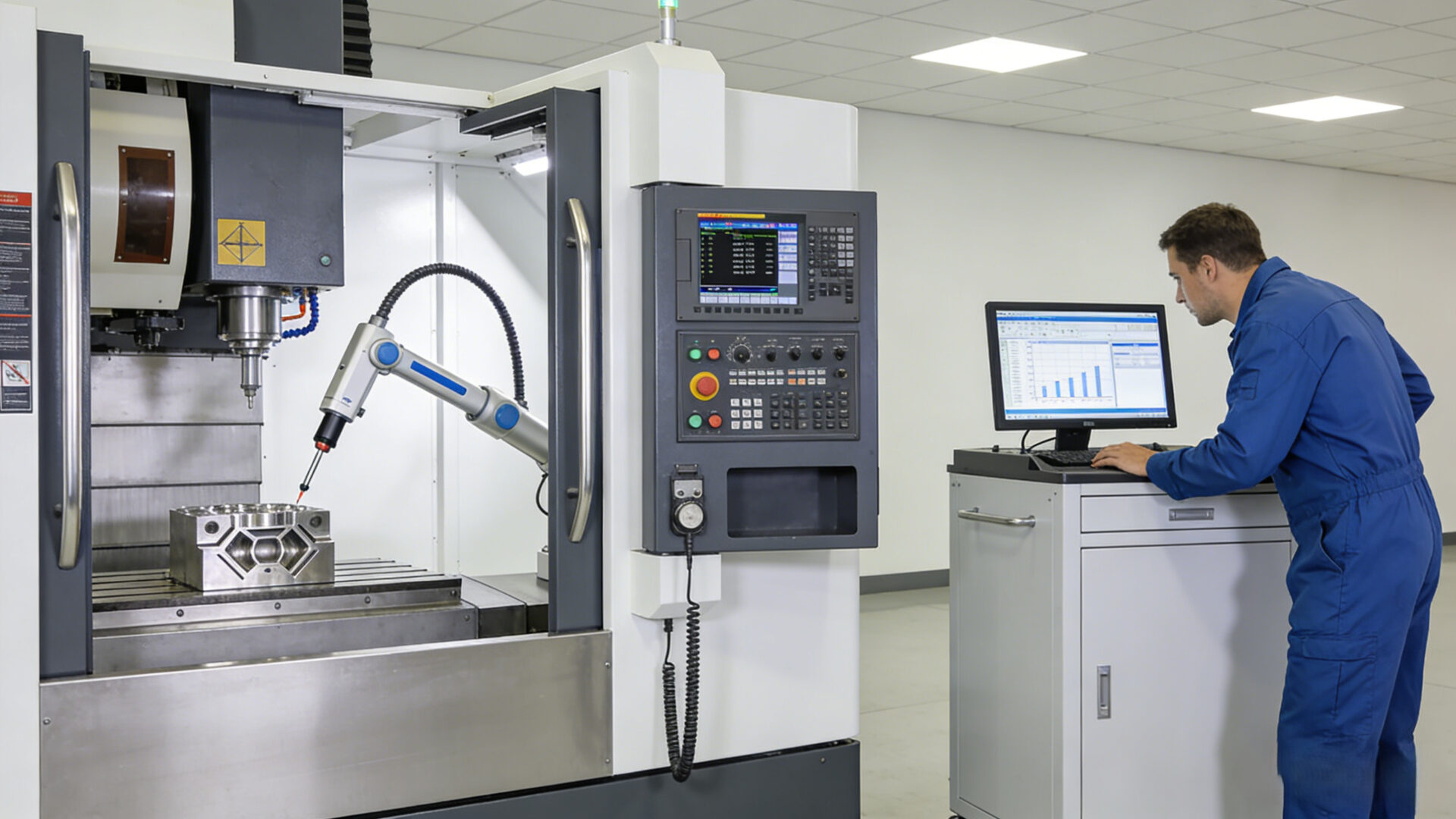
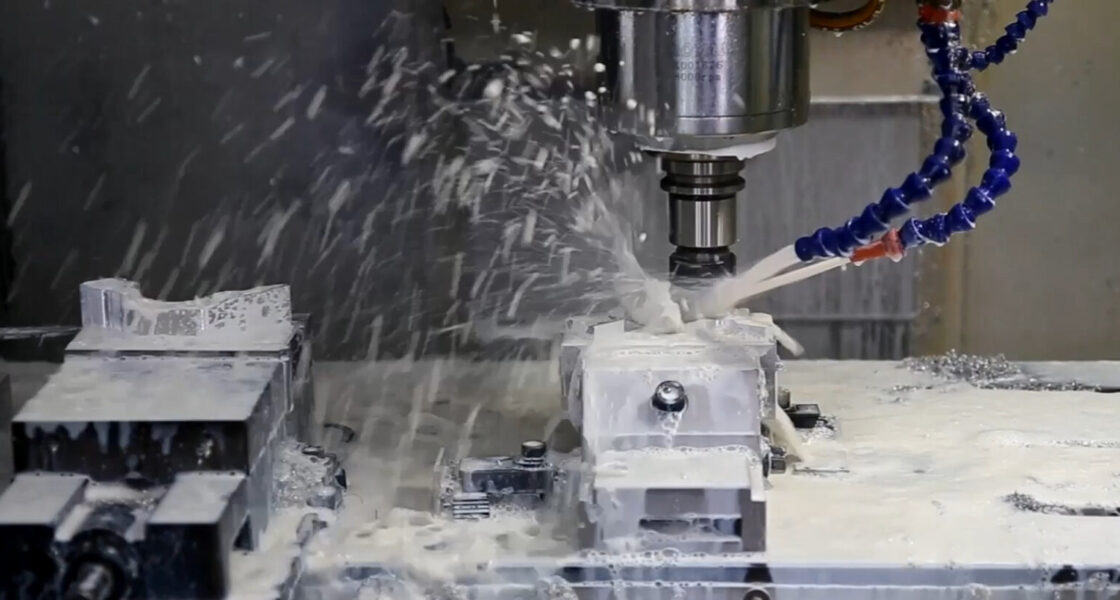
CNC milling center with probing and a CMM inspection bench creating documented measurement reports for milled components

If you want the RFQ routed correctly, use the dedicated service page: TPS CNC Milling RFQ →

3) Difference between CNC milling and CNC turning—and how to choose

Let’s answer the key search intent directly: “cnc milling and cnc turning” are different motion logics.
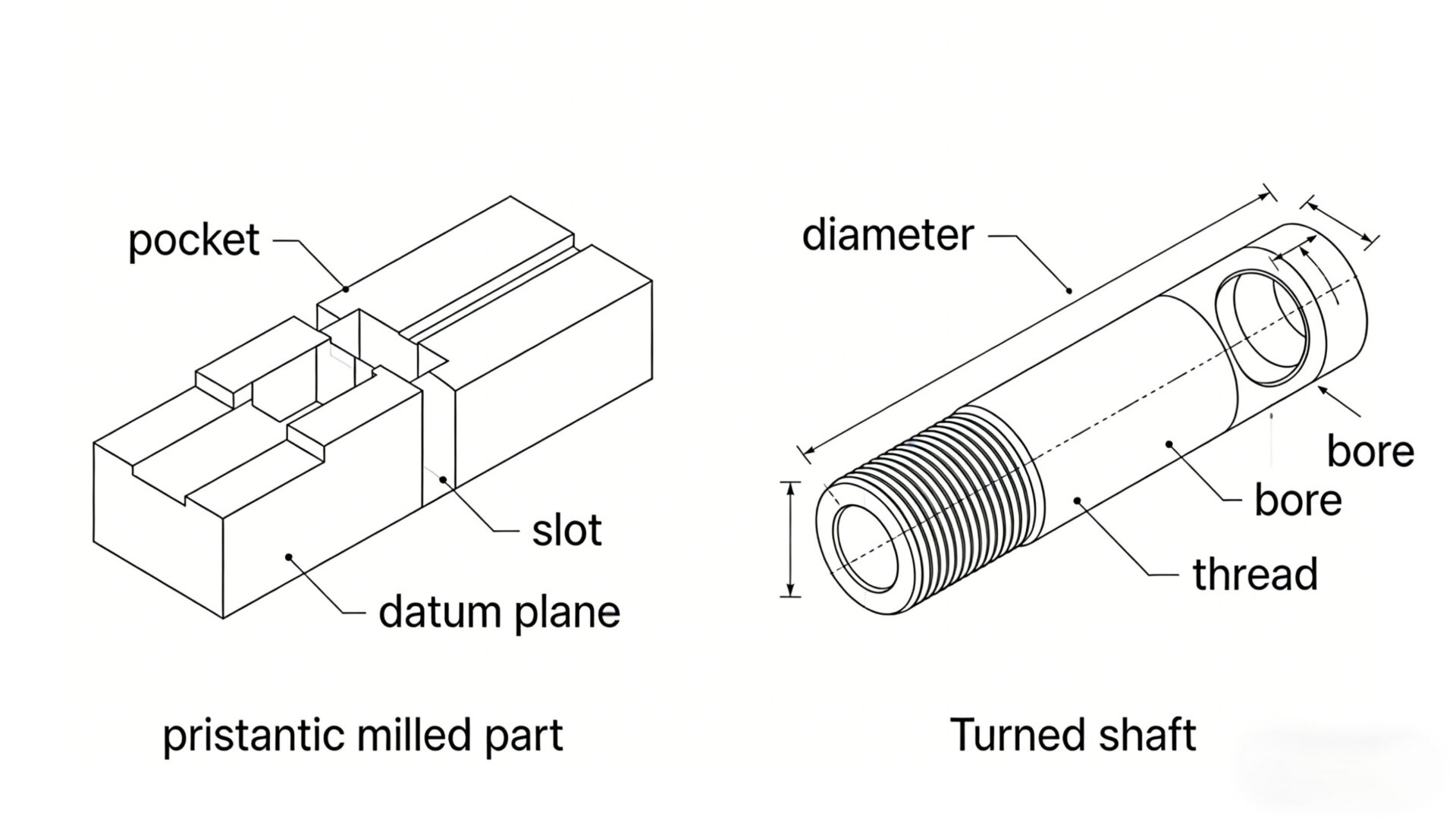
Milling rotates the cutting tool while moving across X/Y/Z to create prismatic features—pockets, faces, slots, contours.
Turning rotates the workpiece (lathe-style) to create rotational symmetry—shafts, diameters, bores, threads, bushings.

Practical selection for EMS projects:

  • Choose CNC milling for housings, heat sinks, brackets, fixtures, mounting plates, connector cutouts, and prismatic interfaces.
  • Choose CNC turning for shafts, bushings, spacers, pulleys, turned bores, and rotational interfaces.
  • Choose a combined milling + turning chain when the assembly includes both families and you want consistent documentation and lead-time control.

This matters for panel builders and integrators because you often ship configured systems, not standalone parts.
A split supply chain increases the odds of tolerance mismatch, inconsistent deburring, and delayed inspection approvals.
If you’re buying as a program (not as a part), your supplier should be able to manage part families as a controlled flow.

For internal training and vocabulary alignment, these TPS pages are useful:
Types of Milling Machines and
Top CNC Milling Machine Options.
(They help non-machining stakeholders understand why axis count, rigidity, and process monitoring matter.)

Side-by-side comparison of CNC milling (prismatic part) versus CNC turning (rotational shaft) with typical features and tolerances

4) CNC milling fixture design & DFM: the fastest way to reduce scrap

If you’re searching “cnc milling fixture design,” you’re already thinking like a production engineer.
Fixture strategy determines repeatability more than almost any other decision—especially on thin walls, long parts, and heat-sensitive alloys.
In EMS, the fixture question is also an assembly question: which faces become datums, where flatness matters, and how to protect functional surfaces.

Practical DFM topics that should be resolved before machining starts:

  • Datum strategy: define what “truth” is for the part so inspection and assembly align.
  • Workholding access: avoid features that require fragile setups or multiple re-clamps without benefit.
  • Thin-wall control: specify wall thickness with a realistic plan for vibration and distortion control (vacuum or modular fixtures when applicable).
  • Surface finish zones: call out only where functional (thermal interface, seal surface, grounding contact).
  • Deburring expectations: electronics assemblies hate burrs; define edge break requirements.

If your engineers ask “how to design a cnc milling machine” or “cnc milling machine design,” the buyer translation is:
“What machine and process controls make this supplier stable?”
You don’t need to design a machine—you need to verify the system:
rigidity, thermal stability, probing, tool management, and metrology.
For a deeper tolerance discussion, this TPS guide is a good internal reference:
Precision CNC Machining (High Accuracy).

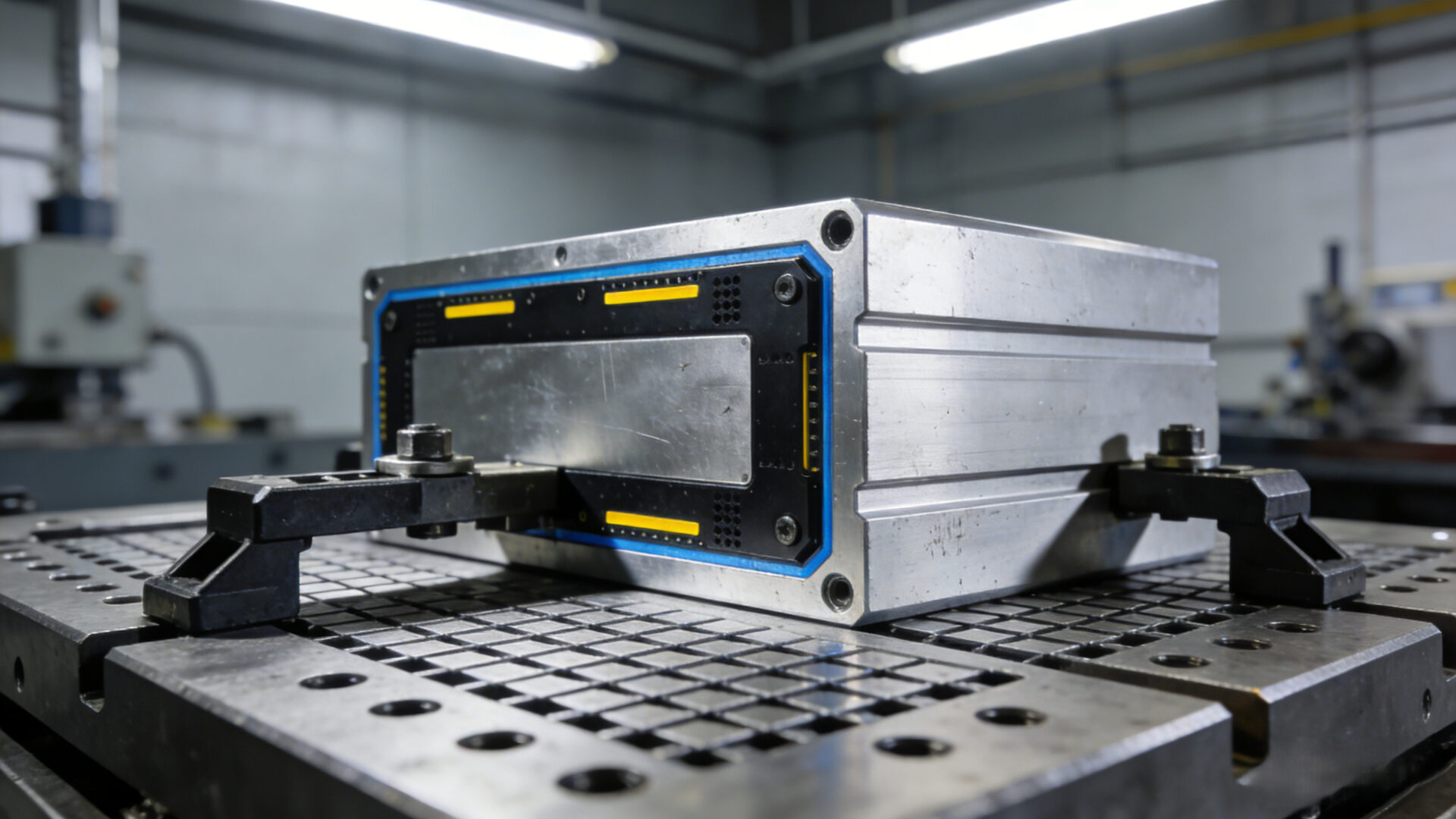
Modular CNC milling fixture setup with a prismatic electronics housing, showing datum clamping and protected functional surfaces

Want to scope fixture-critical parts with DFM feedback? Send your CNC milling RFQ to TPS →

5) Industrial CNC mill vs “premium CNC milling machines for industry”: what buyers should evaluate

Procurement teams sometimes search for “industrial cnc mill” or “premium cnc milling machines for industry” when comparing suppliers.
But the machine brand is not the deliverable—the deliverable is stable capability.
A high-performing machining system typically shows up as:
consistent tolerances over time, predictable surface finish, and a documented inspection path that matches your critical features.

Buyer-friendly evaluation checklist:

  • Capability statement: axis range, part envelope, typical tolerance range, and surface finish capability.
  • Process transparency: DFM feedback, in-process probing, and clear inspection reporting.
  • Repeatability indicators: SPC where relevant, defined work instructions, controlled tool life strategy.
  • Program fit: prototype speed + series repeatability (both matter in EMS programs).
  • Quality system: ISO-aligned process documentation and traceability where required.

For authoritative standards anchors (useful when writing RFQ requirements), you may reference:
ISO 9001 overview at ISO
ISO (ISO 9001)
and GD&T baseline via ASME Y14.5 (official org site)
ASME (Y14.5).
Use these only as reference points—your RFQ should still define the exact inspection outputs you need.

6) CNC milling machining service, repair/rework, and “cheap CNC milling service” traps

Keyword lists often include:
“cnc milling machining service / cnc milling machining services,” “cheap cnc milling service,” and even “cnc milling repair services.”
Here’s the BoFu translation:
you’re trying to buy outcomes (fit, function, documentation, on-time delivery), not just spindle hours.

A complete CNC milling machining service for electronics typically includes:
machining + drilling/tapping + deburring + inspection + documentation (material certs and measurement reports as needed).
The fastest way to reduce total cost is to prevent rework: align datums, avoid fragile thin walls, and define critical features clearly.

About “cheap cnc milling service”:
the lowest unit price often hides costs in scrap, late delivery, undocumented changes, or inconsistent deburring.
If you’re building control panels or integrated systems, those hidden costs show up as line stoppages and field failures—not as a neat line item.
The better question is: “Which supplier reduces total risk per shipped unit?”

About “cnc milling repair services”:
many buyers mean corrective rework (salvaging a part, re-machining a feature, fixing a tolerance miss).
If rework/repair is a realistic scenario for your program, define it explicitly in the RFQ:
allowable rework methods, documentation requirements, and approval workflow.
(If you’re unsure what TPS can offer for rework, include it as a question in the RFQ so it’s quoted and agreed, not assumed.)

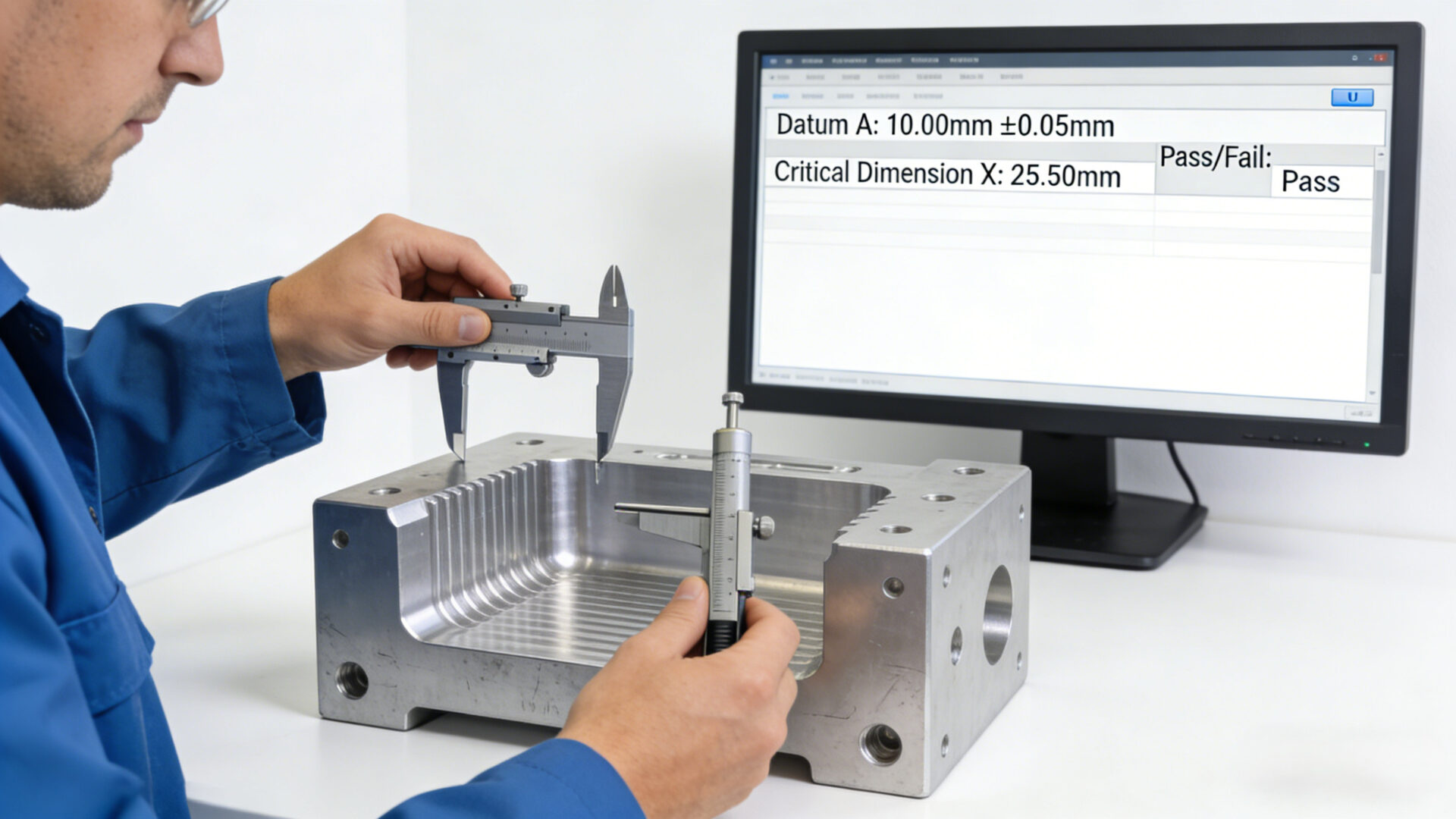
Inspector reviewing a CNC milled component with a digital inspection report showing critical dimensions, datums, and pass/fail results

7) RFQ checklist: what to send for a quote you can approve

The quickest RFQs are the ones that remove ambiguity. If you want fast quoting and fewer change orders, include:

  • Files: STEP (.stp/.step) + PDF drawing with tolerances and notes; add DXF/DWG for 2D profiles if relevant.
  • Material: alloy/grade (or approved alternates), temper/condition, and any certification needs.
  • Critical features: datum scheme, interface planes, connector cutouts, sealing faces, thermal contact zones.
  • Surface finish: Ra targets only where functional; specify deburring/edge break expectations.
  • Inspection package: measurement report, FAI, PPAP (if required), and sampling expectations.
  • Volumes: prototype qty, pilot qty, and estimated annual volume band (even a range helps quote structure).
  • Program constraints: lead-time target, packaging/labeling constraints for your assembly flow.

Submit through the service page to start a structured quote: Submit your CNC milling RFQ →

If your team needs deeper background on milling machine categories and selection tradeoffs, these TPS resources help:
Types of Milling Machines ·
Top CNC Milling Machine Options ·
Prototype-to-Production Guide

Next step: Talk to TPS about CNC milling for your EMS program →

FAQ

What is the difference between CNC milling and CNC turning?

Milling rotates the cutting tool to create prismatic features (pockets, slots, faces). Turning rotates the workpiece to create rotational features (shafts, diameters, bores, threads). Many EMS assemblies need both, so a combined chain can reduce handoffs.

How do I choose a CNC mill for prototyping vs series production?

For prototyping, prioritize fast DFM feedback and flexible setups. For series, prioritize repeatability: stable fixtures, probing/CMM verification, documented inspection plans, and consistent deburring/edge quality.

What should I include in an RFQ to CNC milling parts manufacturers?

STEP + PDF drawing, material spec, critical datums/features, surface finish zones, inspection requirements (measurement report/FAI/PPAP if needed), quantities, and expected annual volume band.

Is “cheap CNC milling service” a good strategy for integrators?

Often not. The lowest unit price can hide costs in scrap, rework, delayed delivery, and insufficient documentation. For system integrators, total cost of delay and assembly disruption usually outweighs small unit price differences.

Do I need special CNC milling fixture design input from my supplier?

If your part has thin walls, tight flatness, or critical interface faces, yes. Fixture strategy impacts repeatability, distortion control, and inspection alignment—especially for electronics housings and thermal interfaces.

Name
Checkbox
For information see Privacy.