

As technology and healthcare continue to converge, electrical safety testing has become a critical component of medical device development and certification. From hospital equipment to home healthcare systems, devices must undergo defined electrical safety tests to support patient protection, product reliability, and compliance with applicable international standards.
The Role of Electrical Safety Testers in Modern Manufacturing
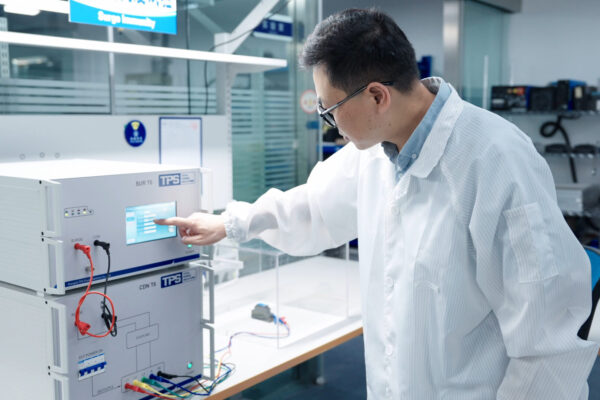
Electrical safety testers play a key role in both manufacturing and laboratory environments. These instruments are used to perform standardized tests such as insulation resistance, leakage current measurement, protective earth continuity, and dielectric strength testing.
In modern production settings, electrical safety test equipment is increasingly integrated into automated test stations. This allows manufacturers to apply consistent test procedures across series production, supporting regulatory compliance and structured quality assurance prior to shipment.
Electrical Safety Testing in the Medical Device Sector
The medical device industry is among the most highly regulated sectors worldwide. Electrical safety testing for medical devices is mandatory under international standards such as IEC 60601, which define requirements for patient protection, operator safety, and basic performance.
Manufacturers conducting electrical safety testing on medical products must demonstrate compliance with clearly defined limits for patient contact, environmental conditions, and operational reliability. Accredited laboratories may issue an electrical safety test report or certificate confirming conformity with the applicable electrical safety standards. EMC compliance, where required, is typically verified through separate testing and documentation.
Combining Electrical Safety and EMC Compliance
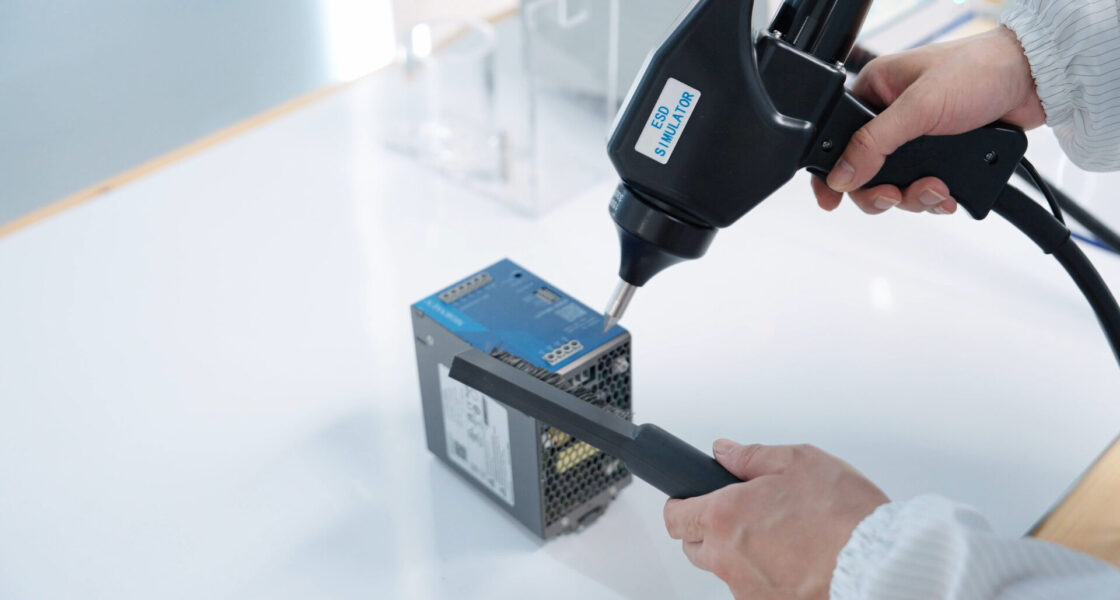
In today’s interconnected healthcare environments, electrical safety alone is not sufficient. Compliance with national and international EMC standards helps ensure that medical devices operate as intended without causing or being affected by electromagnetic interference.
By addressing both electrical safety testing and EMC assessments during development and validation, manufacturers can reduce technical risks and support a smoother approval process across different markets.
Automation, Traceability, and Quality Assurance
Modern production lines increasingly rely on data-driven electrical safety tester systems that store test results, generate traceable documentation, and automate test sequences. This approach improves process consistency and simplifies preparation for audits and regulatory inspections.
For manufacturers of healthcare and life-support equipment, integrating electrical safety test equipment into production workflows supports certification requirements and can help reduce the risk of delays, rework, or post-market corrective actions.
Conclusion
From electrical safety testing to EMC compliance verification, structured testing processes are a cornerstone of regulatory conformity and quality assurance in medical device manufacturing.
By using appropriate electrical safety tester systems, maintaining documented test results, and aligning testing procedures with applicable standards, manufacturers can support product safety, regulatory acceptance, and long-term market access.
As healthcare technology continues to evolve, robust electrical safety testing and EMC compliance will remain essential elements of responsible medical device development.