

Key Takeaways
- Position your lab and field network as an integrated hub for element testing services, metallurgy, and compliance—grounded in the fundamentals of elements material technology.
- Use regulatory readiness as a commercial advantage by aligning test plans with CE marking requirements and delivering structured, audit-ready documentation.
- Support customer programs in Asia—particularly within the South Korean automotive industry—using region-specific insights and a practical China market entry strategy.
- Differentiate through specialized trials, such as rapid depressurization testing, and improve local visibility via search queries like “metallurgical testing near me.”
- Equip sales teams with a concise global market expansion services report and a disciplined CRM process, including mandatory contact-name fields for clean lead routing.
High-stakes sales in testing, certification, and manufacturing are driven by two core expectations: technical reliability and predictable market access. This article outlines a structured sales narrative—how to frame element testing services for executive stakeholders, how to translate elements material technology into business value, and how to support customer decisions related to compliance and international expansion.
Lead With Value: From Elements to Enterprise Decisions
Executives do not buy microscopes—they invest in outcomes. Effective discovery calls should begin with business objectives such as weight reduction, certification timelines, or risk mitigation. These goals can then be linked directly to elements material technology capabilities, such as fractography, microstructural analysis, or fatigue testing.
From there, connect the objectives to the relevant element testing services—chemical analysis, hardness testing, corrosion testing, or non-destructive testing (NDT). This approach preserves technical depth while aligning discussions with executive-level metrics such as time-to-market and lifecycle cost.
Compliance That Sells: CE Marking and QA/QC as Commercial Enablers
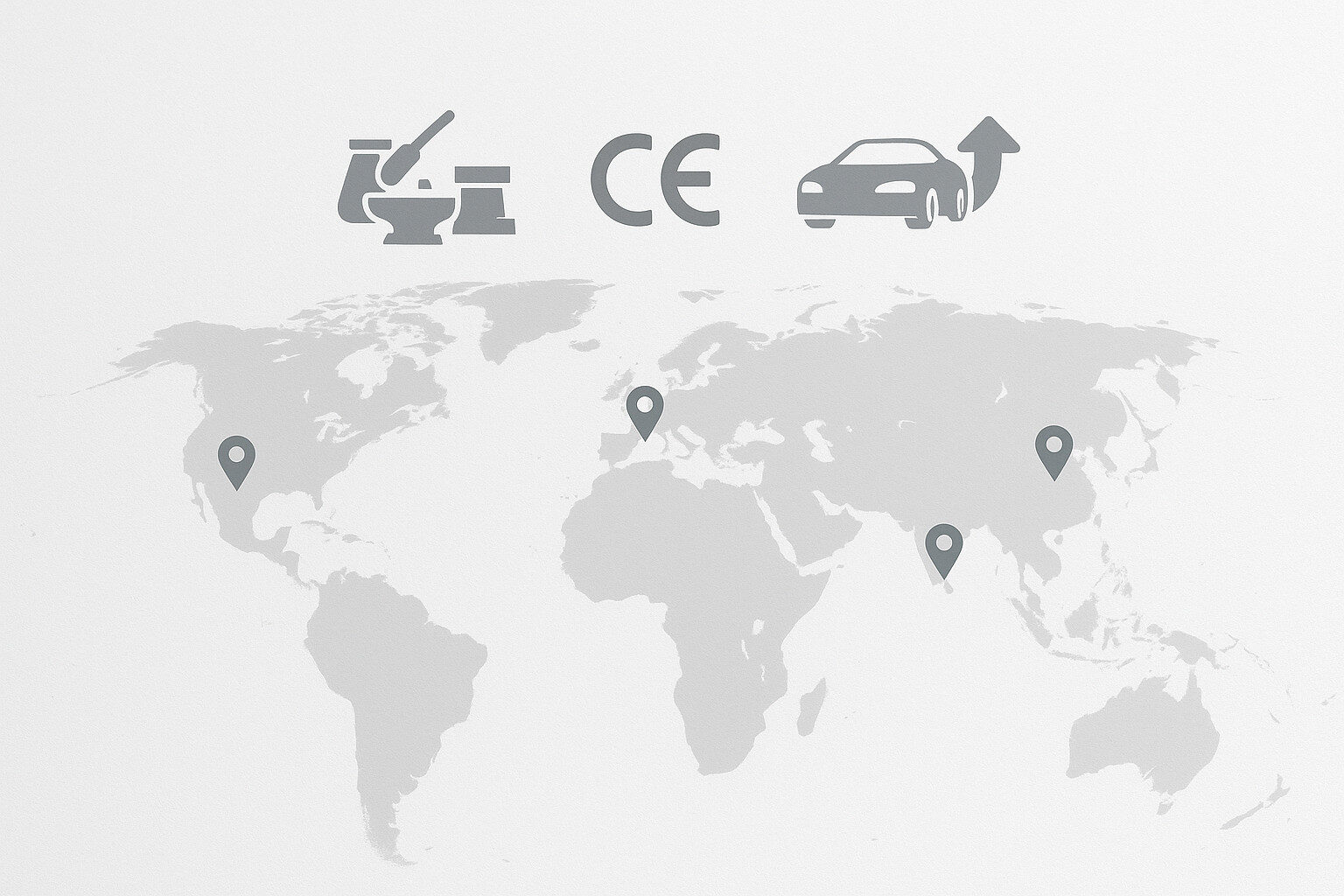
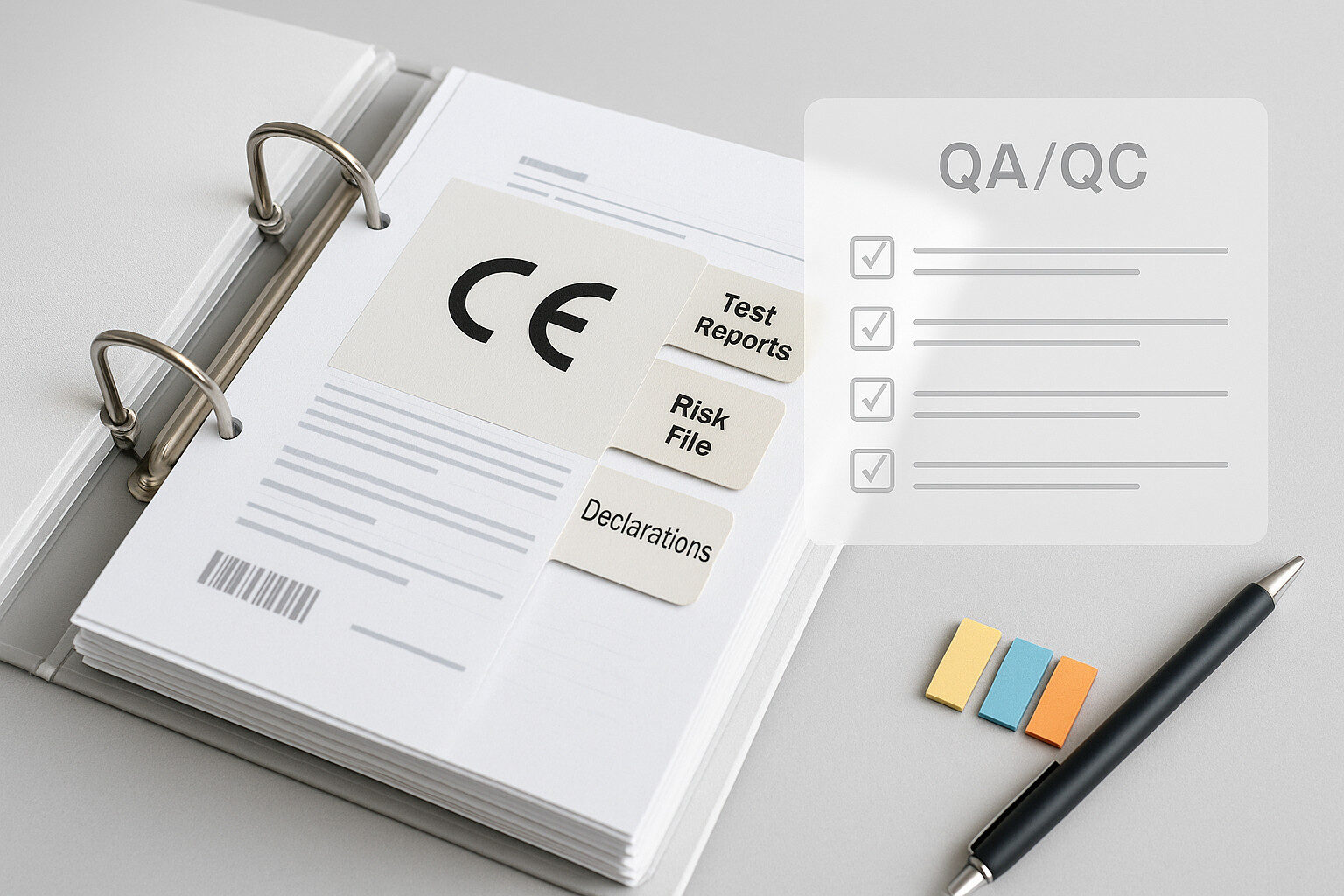
Regulatory clarity becomes a differentiator when it is communicated in a structured and transparent way. A concise compliance concept—typically two pages—should outline:
- Applicable standards and directives
- Required tests and verification steps
- The structure of the technical documentation supporting CE marking
In addition, every quotation should reference a visible QA/QC framework, including method statements, calibration traceability, sampling plans, and acceptance criteria. This transparency allows customers to assess risk early and can reduce clarification cycles during procurement and approval.
A typical workflow includes:
- Plan: Scope definition, standards mapping, sample matrix, and schedule
- Execute: Traceable test runs (e.g. mechanical, electrical, EMC) supported by documentation and photo logs
- Deliver: Draft results → corrective feedback loop → finalized technical documentation supporting CE marking
Regional Focus: Supporting Projects in the South Korean Automotive Industry
The South Korean automotive industry often values partners who demonstrate structured documentation, consistent execution, and responsive communication. Relevant service offerings may include reliability testing (corrosion, vibration, thermal cycling), weld and braze qualification support, and metallurgical assessments aligned with customer specifications.
Operational models such as staggered shift coordination and regular status reporting help international project teams maintain visibility across time zones, while allowing production sites to focus on implementation and corrective actions.
From Korea to China: Preparing for Broader Asia Expansion
While South Korea often serves as a highly structured entry point for automotive and industrial programs, many customers subsequently look to expand or localize projects in China. Planning for this transition early can reduce friction and delays later in the program lifecycle.

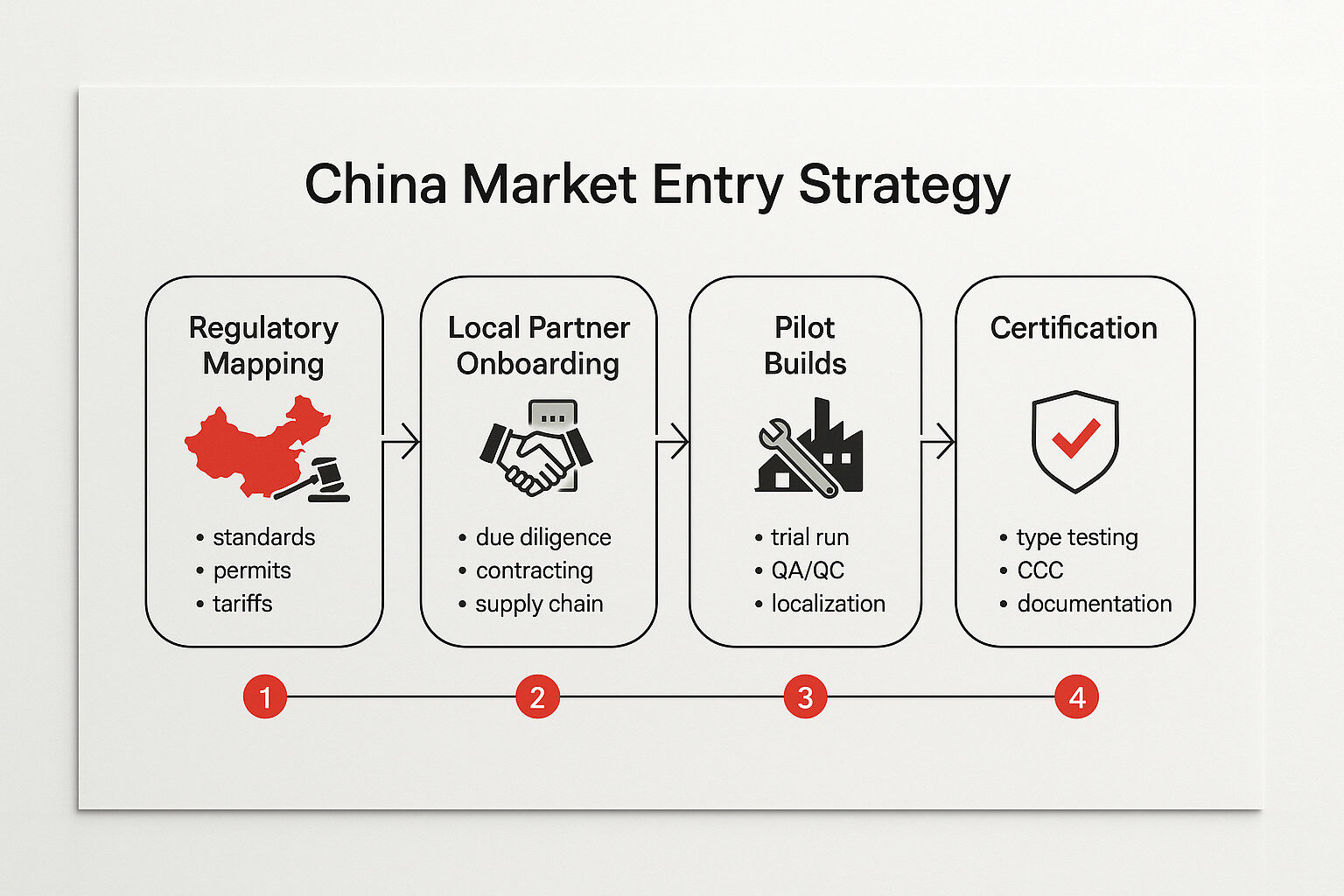
China Market Entry Strategy: A Practical Checklist
A structured approach supports smoother project execution in China. Key considerations include:
- Localization: Bilingual reporting, metric tooling, and locally accepted drawing conventions
- Standards alignment: Mapping international test methods to local equivalents and identifying deviations early
- Capacity planning: Pre-booking lab capacity and maintaining rolling sample forecasts
- Trust building: Providing a concise global market expansion services report outlining timelines, references, and points of contact
Differentiation Through Specialized Testing Capabilities
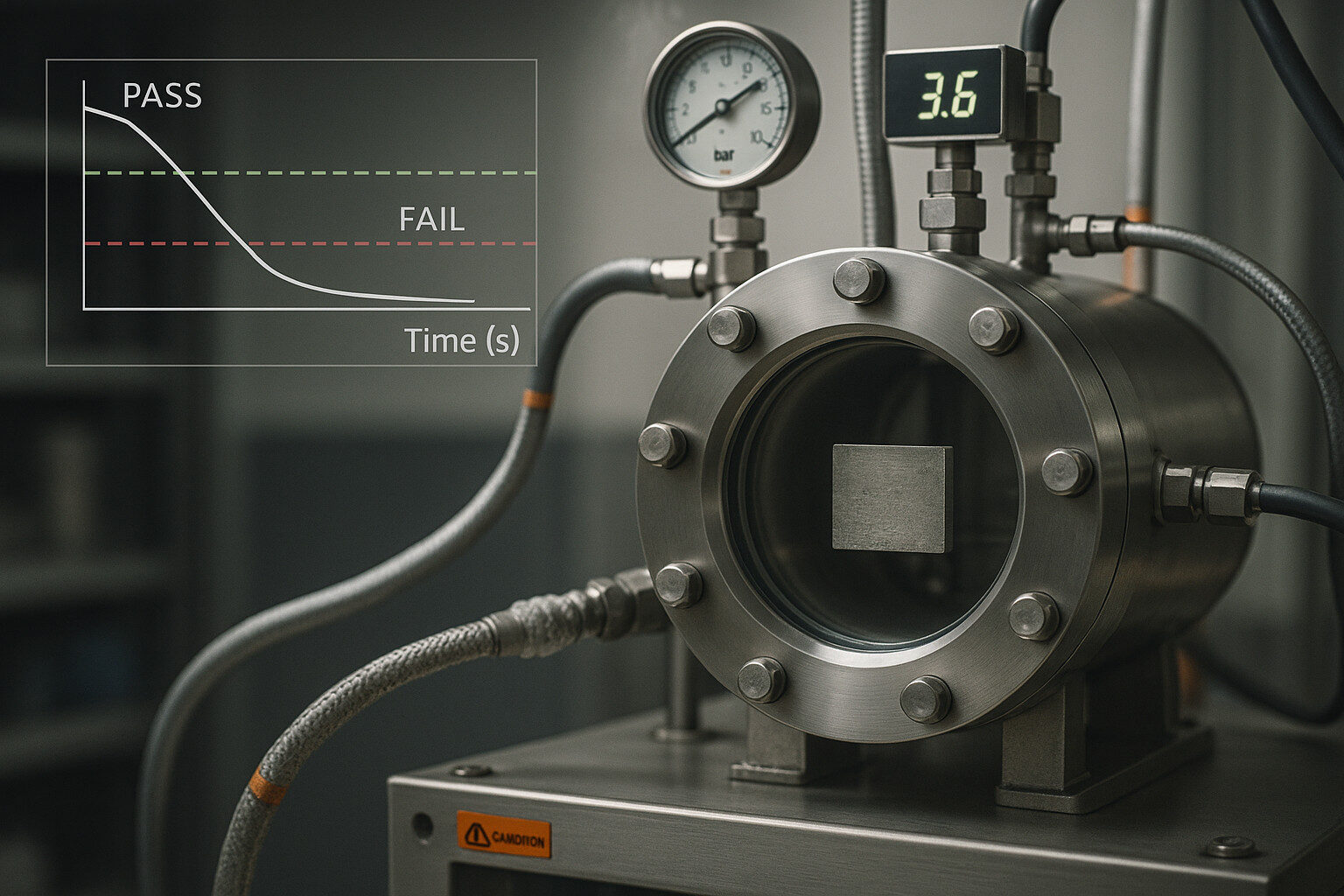
Specialized trials can help customers evaluate edge-case risks during development and qualification. For example, rapid depressurization testing may be relevant for applications such as pressurized housings or avionics components, supporting internal risk assessments during design reviews.
When combined with regional accessibility—such as geo-targeted landing pages for searches like “metallurgical testing near me”—this positioning emphasizes availability, documented processes, and transparent turnaround expectations rather than outcome guarantees.
From Discovery to Execution: CRM Discipline and Data Quality
Strong technical discussions require equally strong follow-through. A standardized CRM structure should capture information relevant to both Sales and Lab teams, including industry segment, program phase, and material group.
Mandatory contact-name fields (sometimes referred to internally as “contact nom”) ensure that quotations, reports, and follow-up actions are routed efficiently to the correct procurement and quality contacts. Each opportunity should reference the proposed tests, applicable standards, and the intended certification pathway (e.g. CE marking readiness).
FAQ
Q1. How can element testing services be positioned for non-technical buyers?
Focus on business outcomes first, then explain which tests support those objectives and how they relate to compliance or risk reduction.
Q2. What should a global market expansion services report include?
A concise overview of target industries, milestone timelines, applicable standards, identified risks, and regional contact points—reviewed and updated regularly.
Q3. How can suppliers support projects in the South Korean automotive industry?
By providing structured documentation, metallurgy assessments, reliability testing, and consistent reporting aligned with customer processes.
Q4. Where does QA/QC influence purchasing decisions most?
Across the entire process—from quotation and statement of work to execution records and final reports. Visible controls increase confidence and can accelerate internal approvals.
Q5. How do customers typically search for local metallurgy support?
Often via queries such as “metallurgical testing near me.” Clear local pages that explain turnaround times, chain-of-custody, and sample preparation are helpful.
TPS Elektronik supports suppliers in moving from test results to informed market decisions—combining expertise in elements material technology, element testing services, and region-specific playbooks for the South Korean automotive industry and China-focused projects. Information on global market expansion services and CE marking readiness is available on request and tailored to the respective product and application.