

Key Takeaways
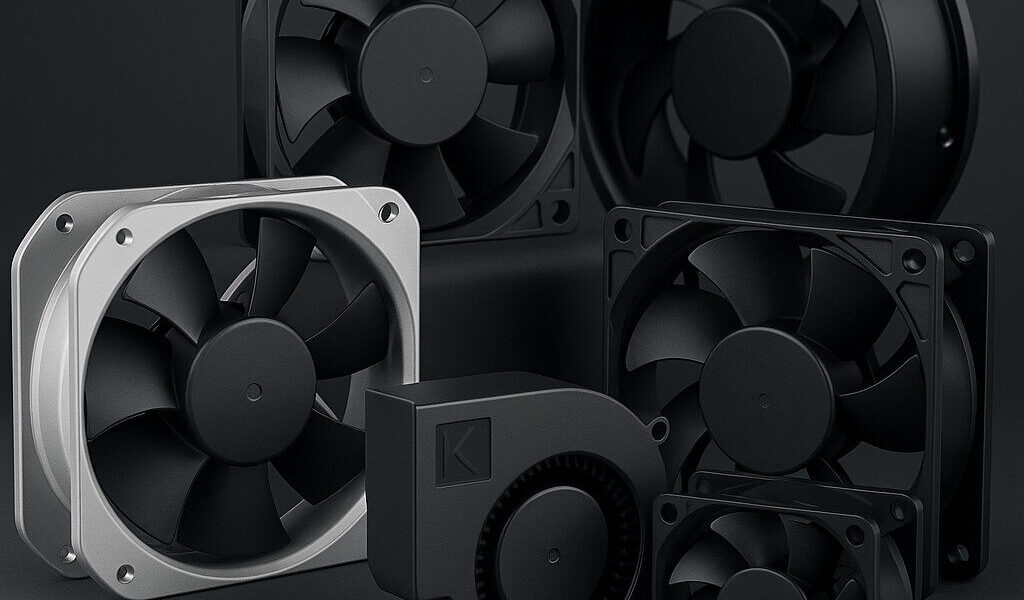
- Industrial axial fans provide reliable airflow for cooling electronics, power supplies, automation systems, and control cabinets.
- Both DC axial fans and AC axial fans are used depending on the application, voltage availability, and control requirements.
- Important selection criteria include airflow (CFM), static pressure, dimensions, noise level, bearing type, and certifications.
- TPS now offers a wide range of CEV axial fans with detailed specifications directly in the webshop.
Introduction
Industrial axial fans are essential components in modern electronics and automation technology. Whether installed in power supplies, control cabinets, chargers, inverters, measurement devices, or embedded systems — these fans ensure stable thermal performance and help avoid overheating-related failures.
With the launch of the CEV fan series in the TPS webshop, customers can now select from a broad range of AC and DC axial fans in various sizes, voltage levels, and performance classes.
This article provides a clear, practical overview of how industrial axial fans work, where they are used, and what to consider when choosing the right model.
Discover our industrial axial fans from CEV – compact DC and AC fans for electronic enclosures, control cabinets, and industrial automation. From 25 mm to 280 mm edge length, supporting 5 V, 12 V, 24 V and 230 V applications.
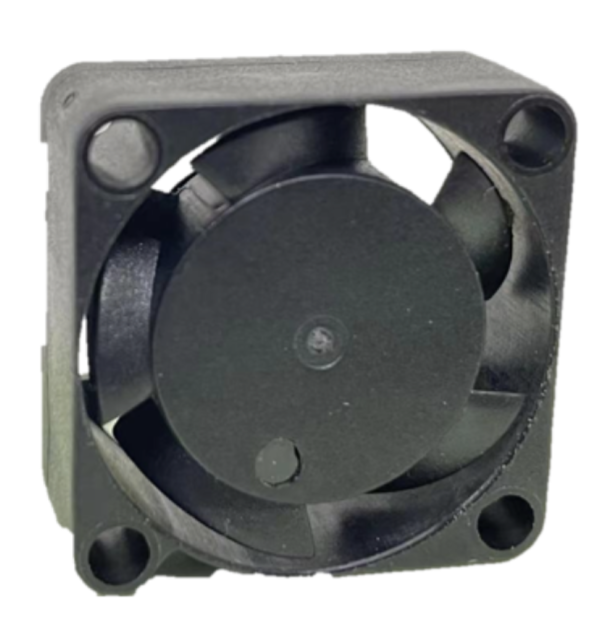
AGE02510F12H141-TBC
Compact DC axial fan 25×10 mm, 12 V. Suitable for tight electronic and sensor housings.
View product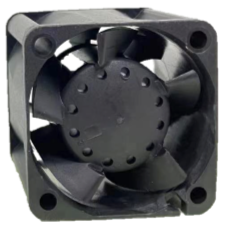
AGB03828B12U064-TBC
DC axial fan 38×28 mm, 12 V. For compact power modules and embedded systems.
View product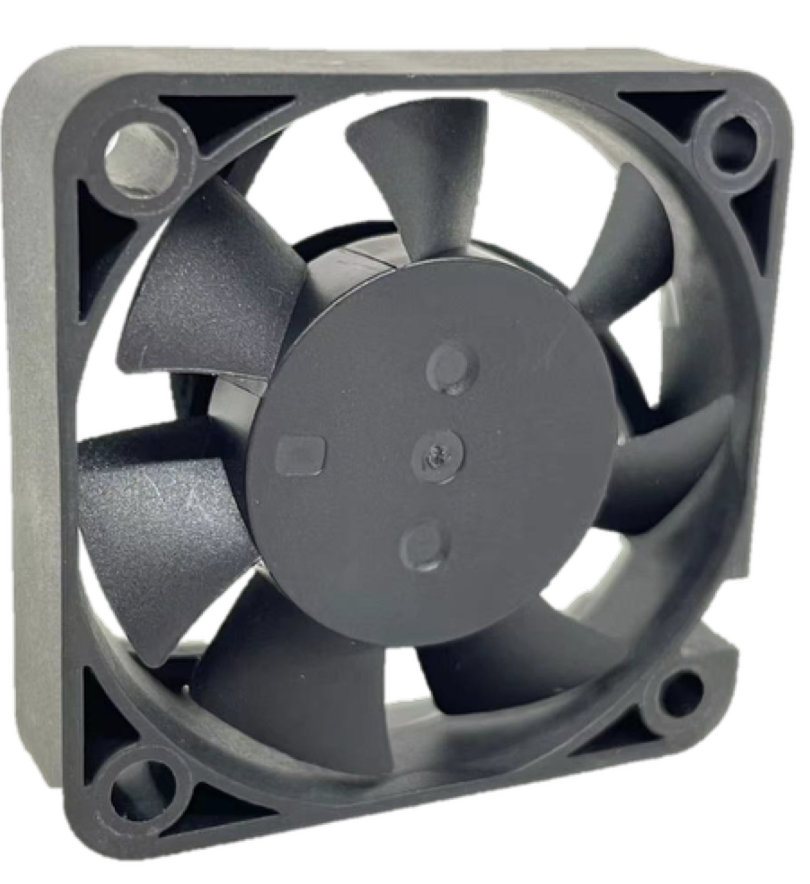
AGE04010B05M046-TBC
40×10 mm DC fan, 5 V. For low-voltage electronics, IoT modules and compact devices.
View product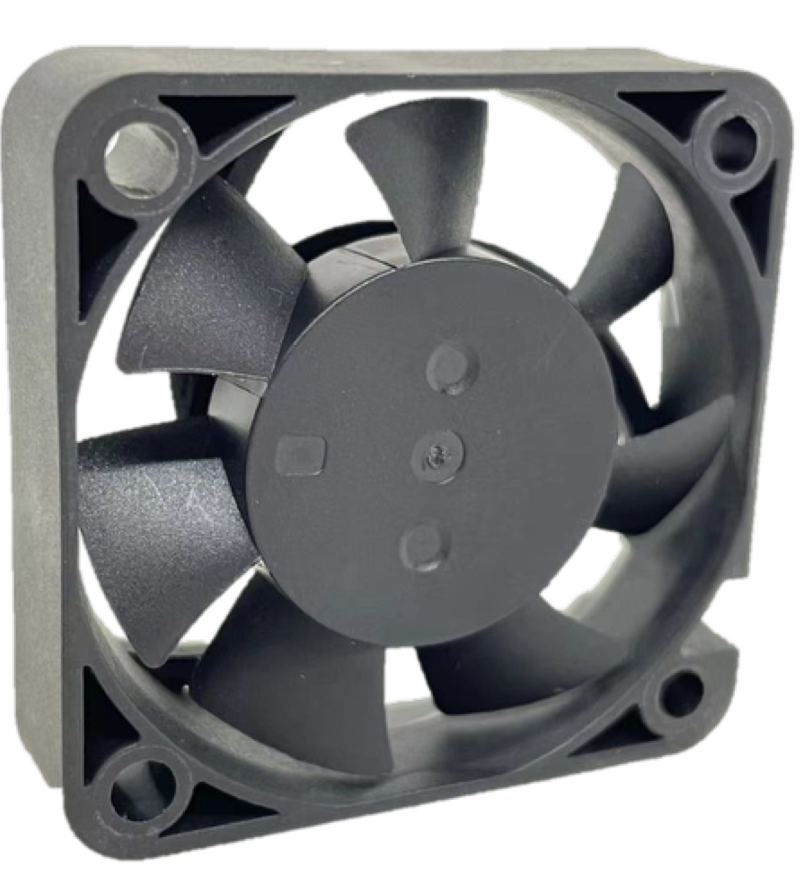
AGE04010B12H116-TBC
Slim 40×10 mm DC axial fan, 12 V. For control boards and small device housings.
View product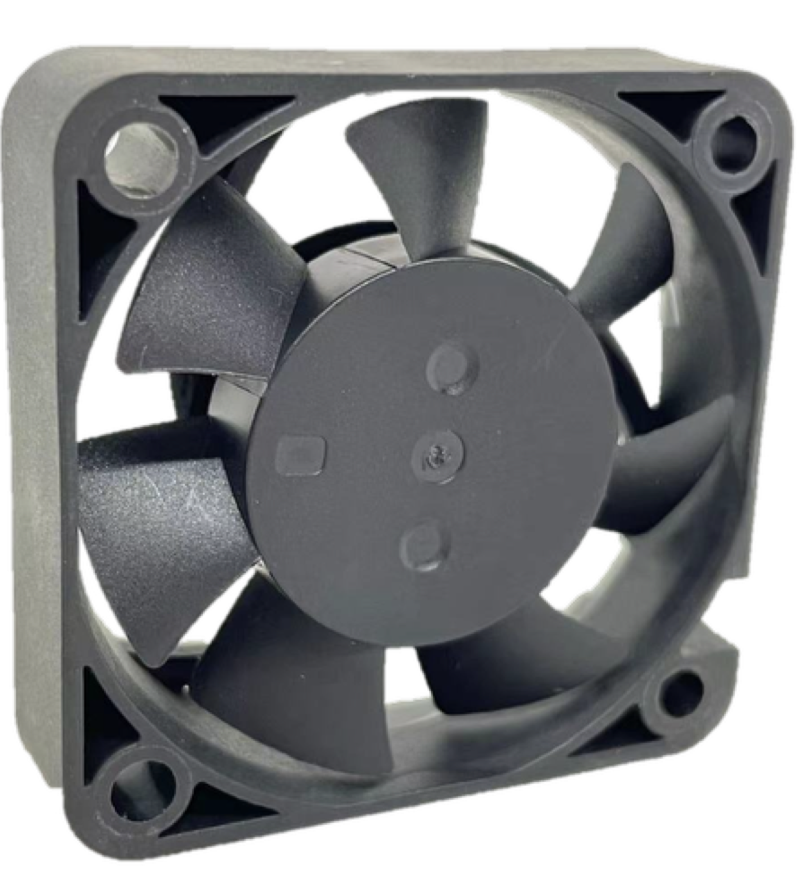
AGE04010B24U434-TBC
DC axial fan 40×10 mm, 24 V. For industrial electronics and 24 V control supplies.
View product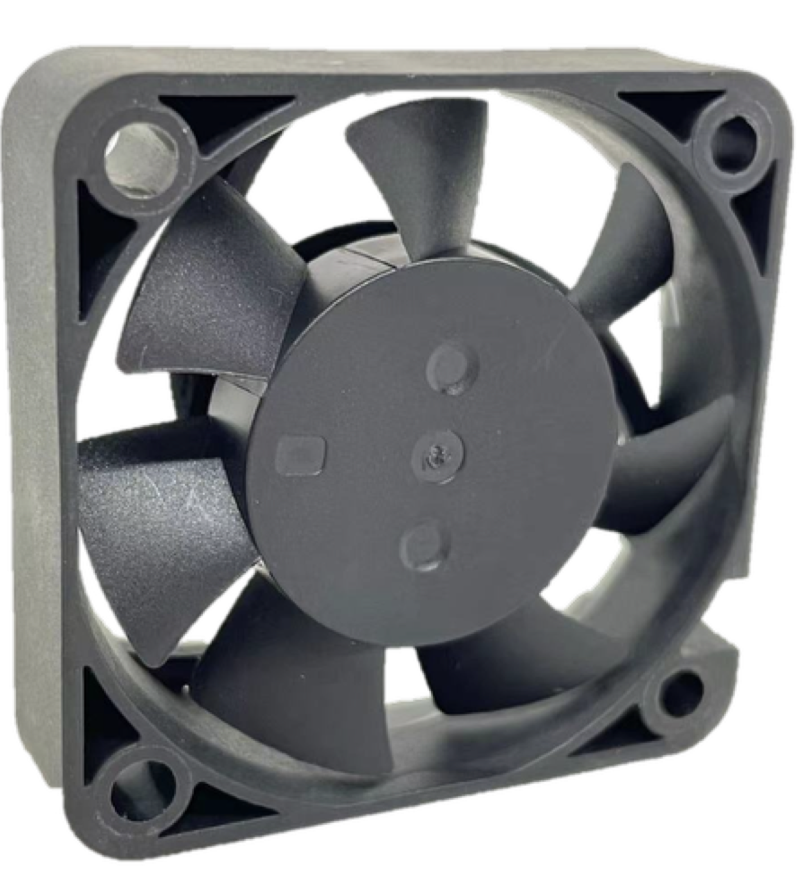
AGE04010F24U433-TBC
40×10 mm DC fan, 24 V. Suitable for compact automation and communication devices.
View product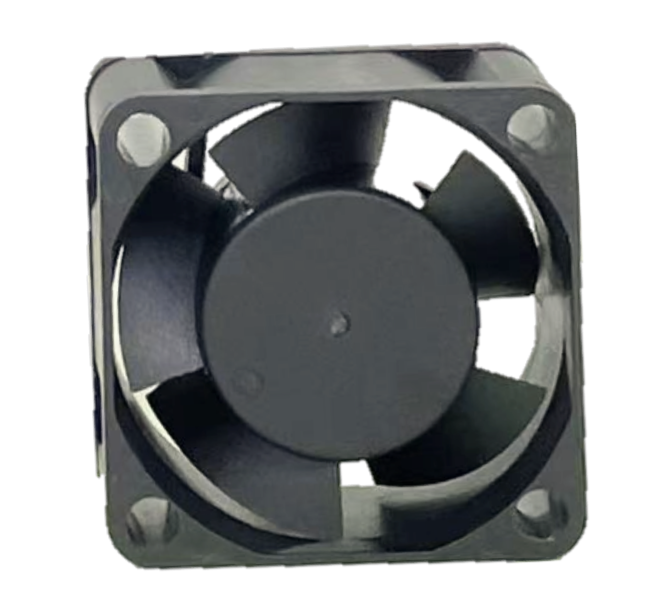
AGS04020F24L706-TBC
Higher profile 40×20 mm, 24 V. For devices with increased cooling demand in limited space.
View product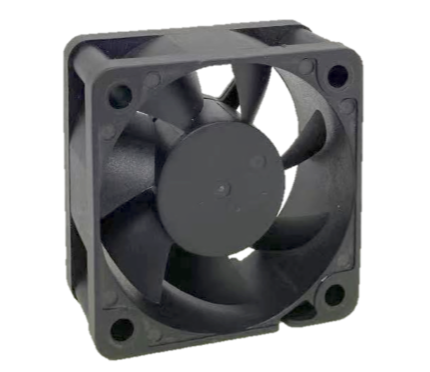
AGE05020B24H706-TBC
DC axial fan 50×20 mm, 24 V. For controllers, measuring devices and compact cabinet zones.
View product
AGE06015B12M045-TBC
60×15 mm DC fan, 12 V. For compact electronics and device applications.
View product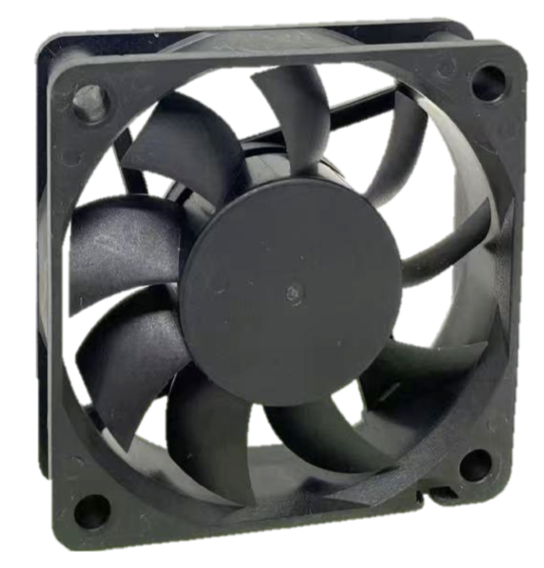
AGE06015S24H194-TBC
DC axial fan 60×15 mm, 24 V. For 24 V control circuits and compact industrial electronics.
View product
AGF06025B24H058-TBC
60×25 mm DC fan, 24 V. For devices with medium cooling requirements.
View product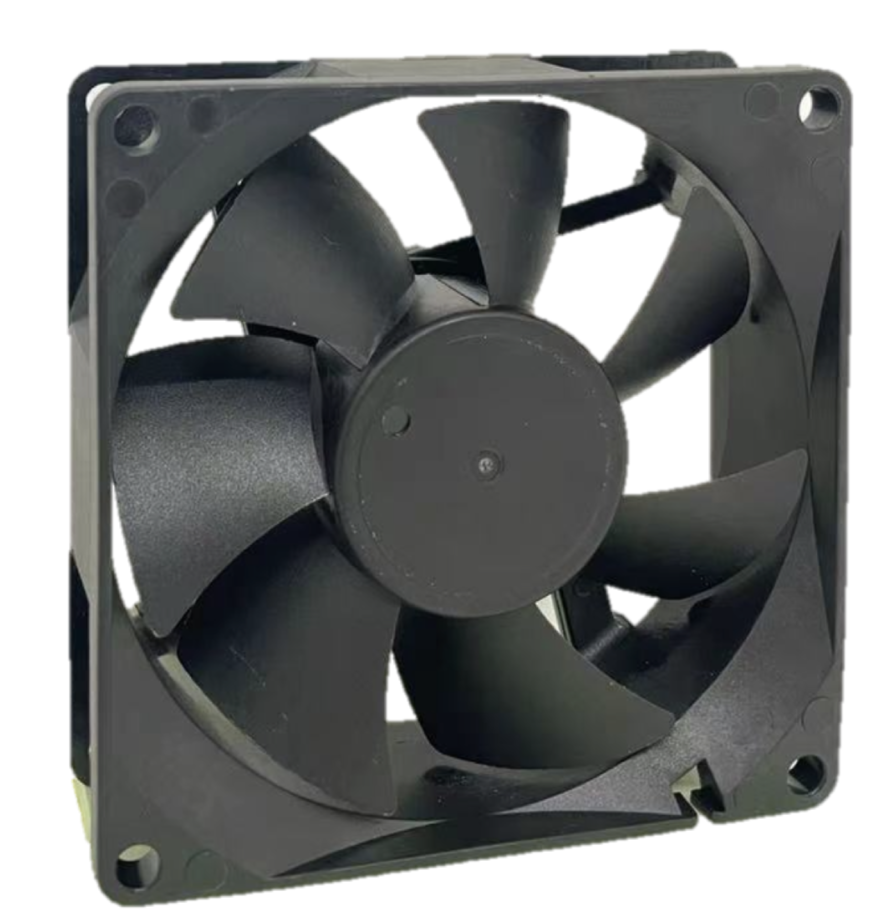
AGE08025B12H020-TBC
80×25 mm DC axial fan, 12 V. For controllers, power supplies and electronic housings.
View product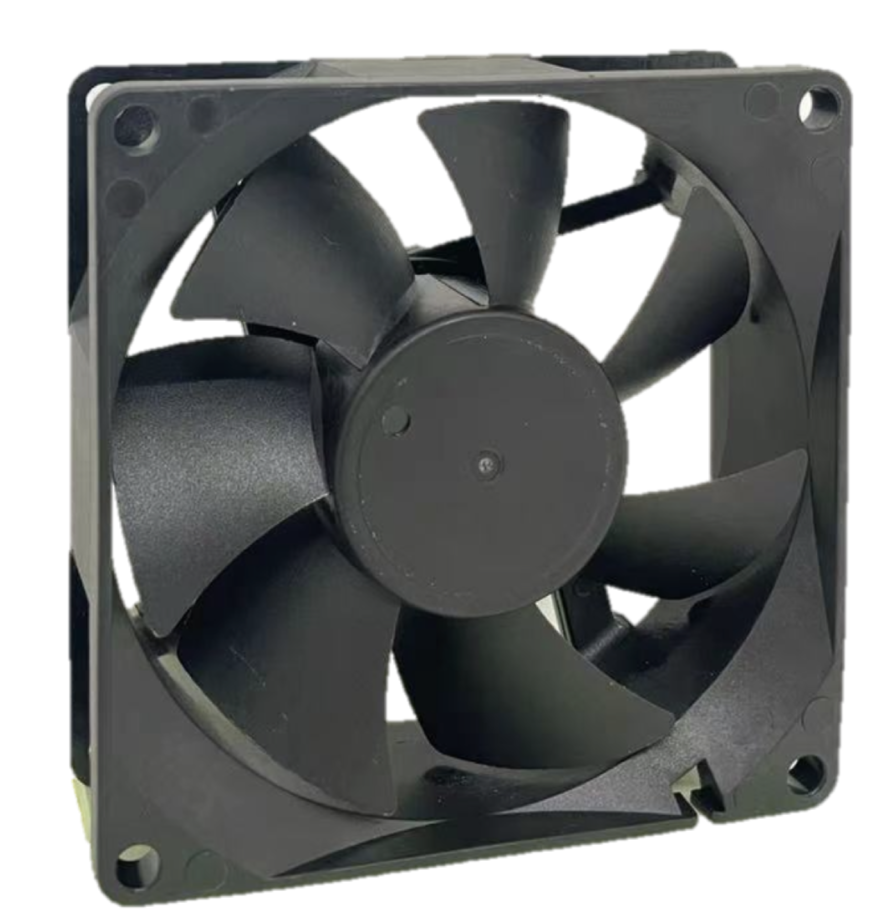
AGE08025B24M701-TBC
DC axial fan 80×25 mm, 24 V. For industrial 24 V systems and automation assemblies.
View product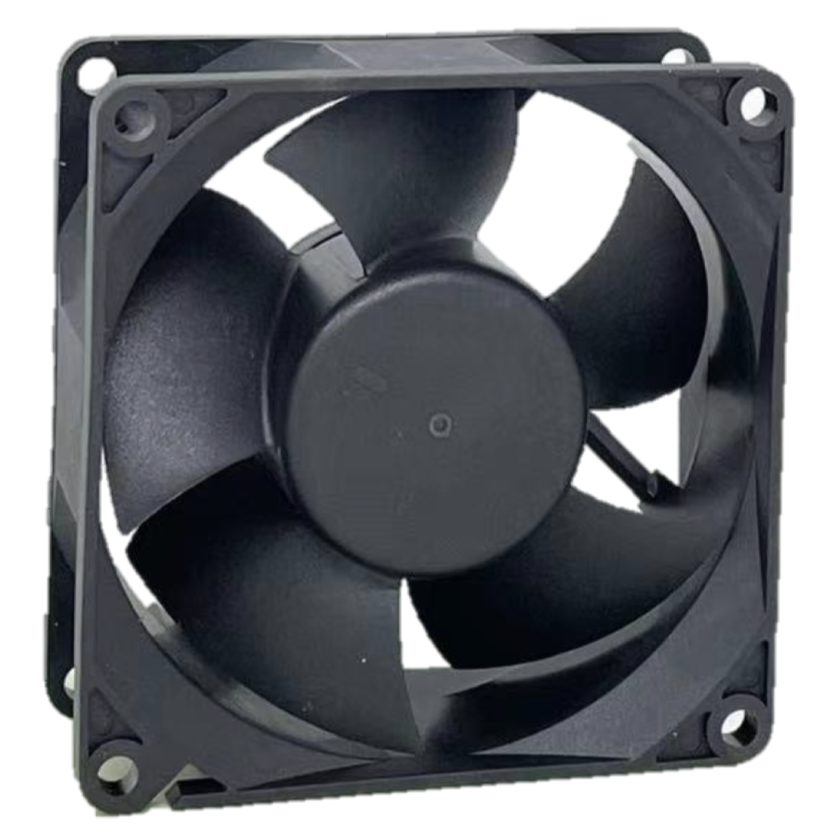
AGE08032B24L051-TBC
80×32 mm DC fan, 24 V. Higher profile for more airflow in compact devices.
View product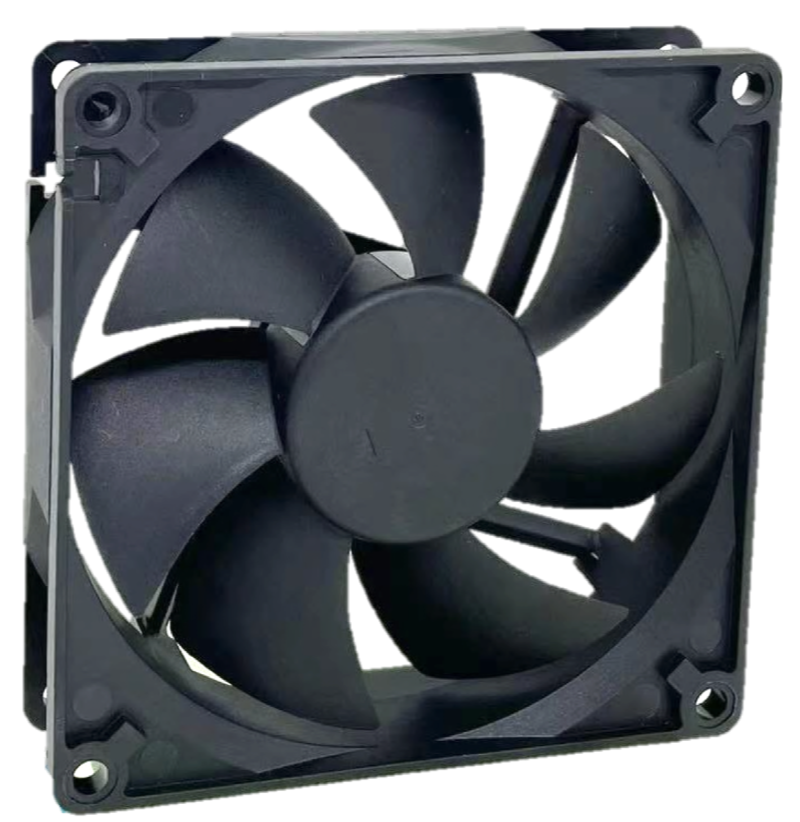
AGE09225B12J295-TBC
DC axial fan 92×25 mm, 12 V. For devices with medium to higher airflow demand.
View product
AGF09225F12L706-TBC
92×25 mm DC fan, 12 V. For electronic housings, power supplies and control units.
View product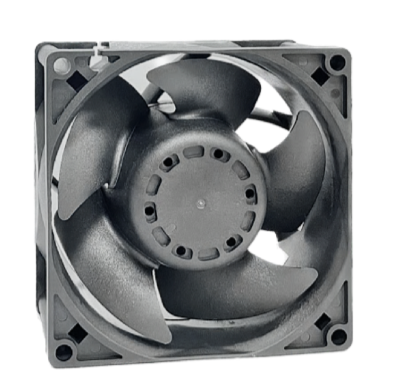
ASB09238B12S201-TBC
DC axial fan 92×38 mm, 12 V. For applications with higher static pressure and airflow requirements.
View product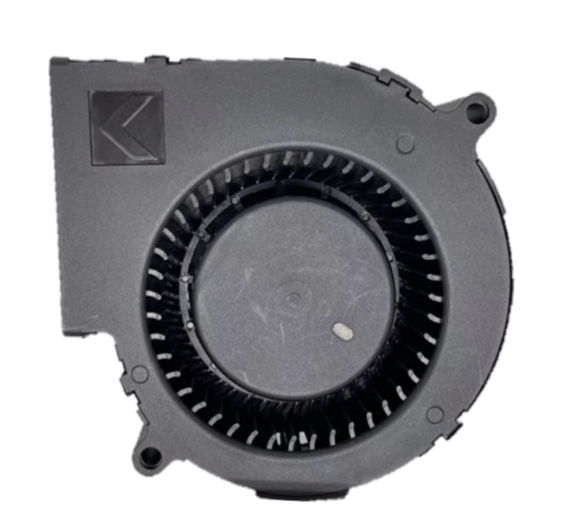
BGF09733B24W720-TBC
DC blower fan 97×33 mm, 24 V. For directed airflow and increased pressure needs.
View product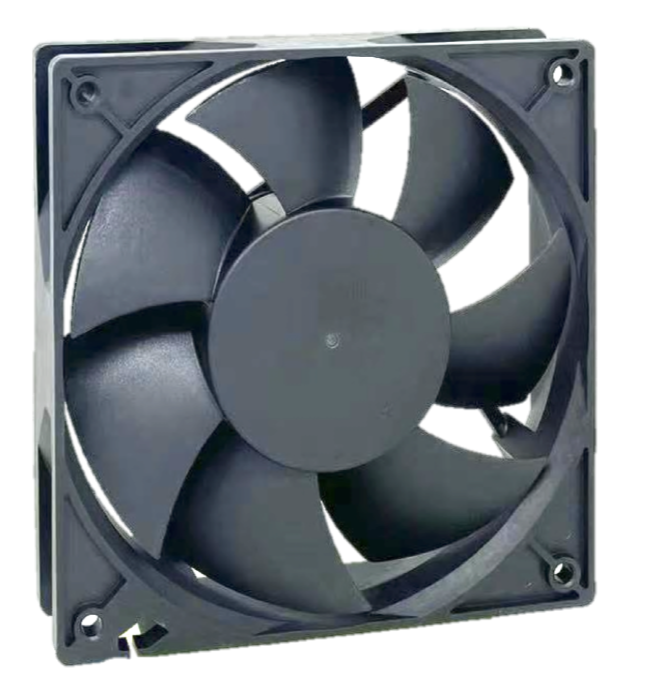
AGC12025B12H511-TBC
120×25 mm DC axial fan, 12 V. For equipment with larger cooling surfaces and electronics cabinets.
View product
AGE12025B24H016-TBC
DC fan 120×25 mm, 24 V. For 24 V industrial power supplies, controls and plant electronics.
View product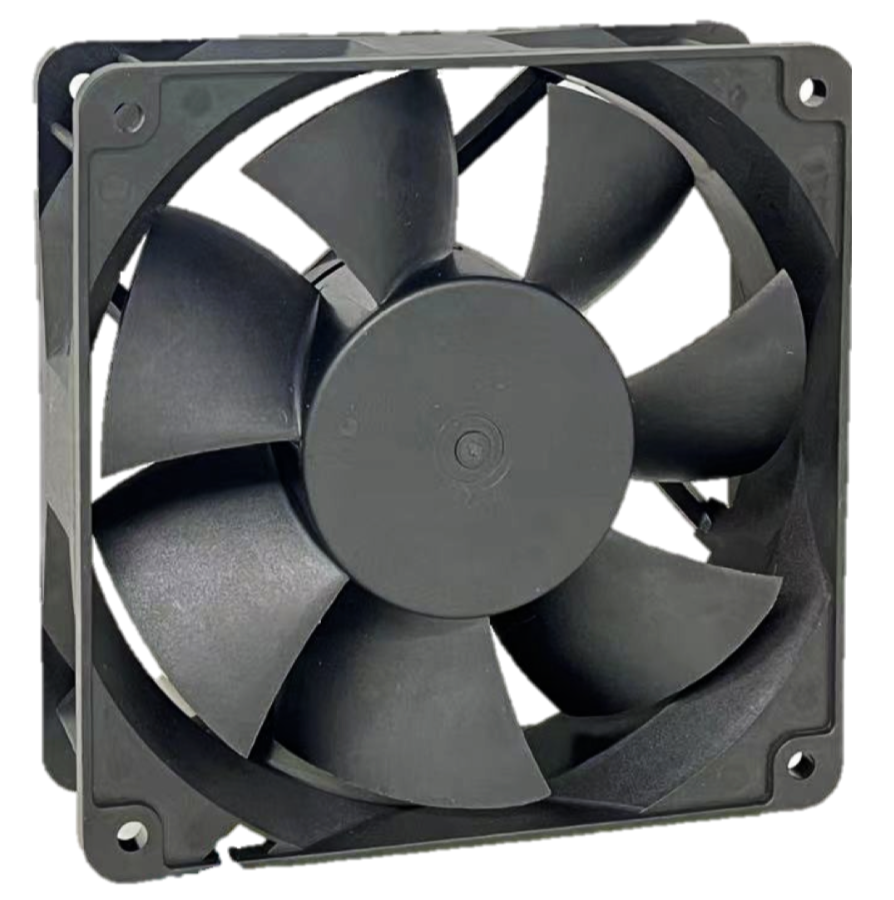
AGE12038B24U706-TBC
120×38 mm DC axial fan, 24 V. For applications requiring higher airflow and static pressure.
View product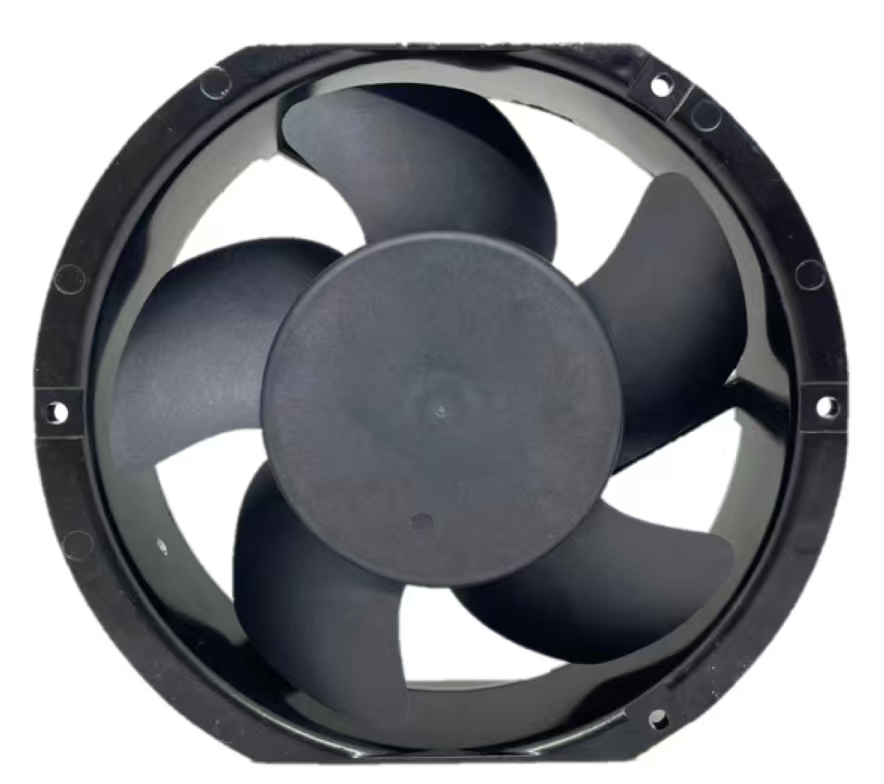
AGE17251B24x-TBC
Large DC axial fan 150×51 mm, 24 V. For high-performance industrial and cabinet applications.
View product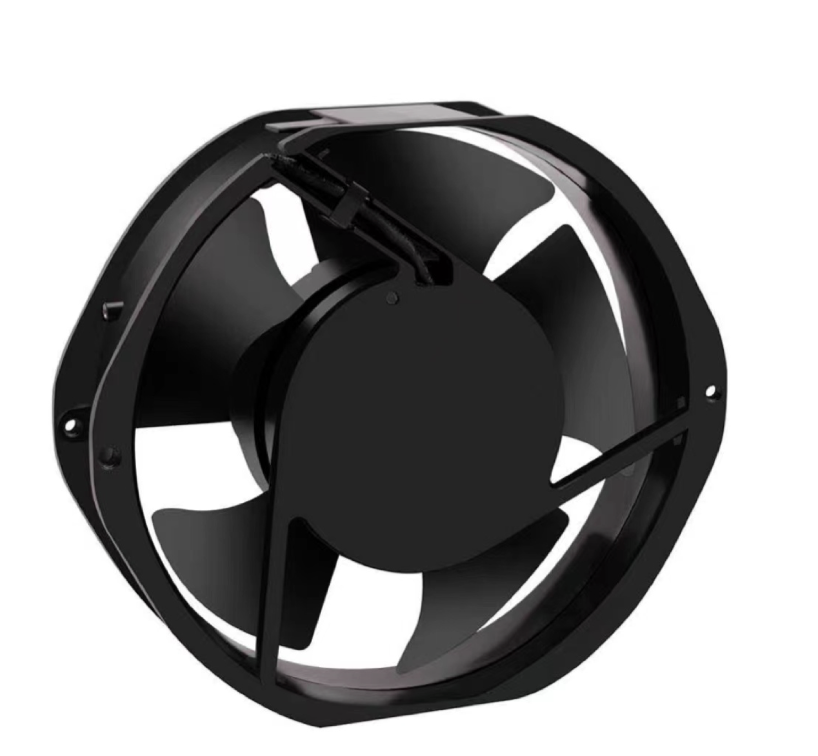
IGE17238B2H001-TBC
AC axial fan 172×38 mm, 230 V. For control cabinets and higher-power industrial applications.
View product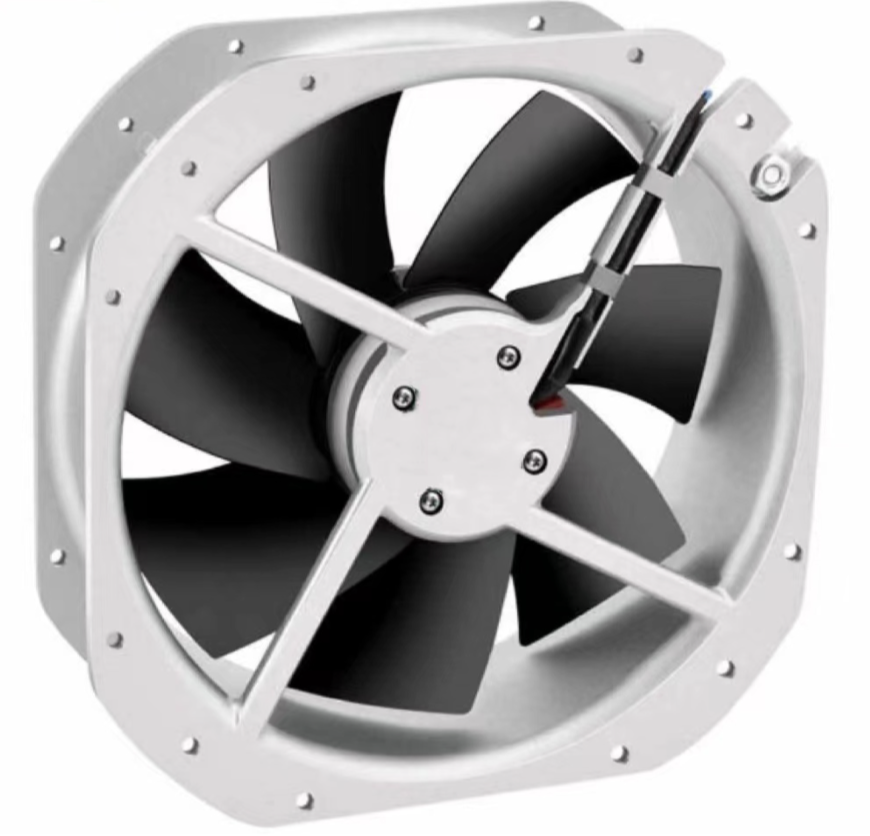
IGE28080B2H-TBC
Large AC axial fan 280×80 mm, 230 V. For industrial systems with very high airflow demand.
View productWhat Are Industrial Axial Fans?
Industrial axial fans are electromechanical devices that move air parallel to the fan’s axis. Their compact design and high airflow efficiency make them one of the most widely used cooling solutions in electronics and industrial equipment.
DC Axial Fans
- Operate on low-voltage DC (e.g., 5 V, 12 V, 24 V, 48 V).
- Often used in electronic devices, power converters, embedded systems, and control electronics.
- Allow precise control (e.g., PWM or FG signal on supported models).
AC Axial Fans
- Operate on mains-related voltages (e.g., 115 V AC, 230 V AC).
- Common in industrial equipment, control cabinets, HVAC systems, and devices connected to the public power grid.
- Preferred when a direct AC supply is available.
Both types are available in many dimensions — from small form factors like 25×25 mm to large 172×51 mm models suitable for high-airflow industrial environments.
Applications of Industrial Axial Fans
Industrial axial fans play a vital role in thermal management across multiple sectors. Common applications include:
Electronics & PCB Systems
- Cooling of microcontrollers, sensors, ICs, power components
- Stabilizing temperature in dense electronic assemblies
Power Electronics
- DC power supplies and battery chargers
- Inverters, converters, UPS units
- Motor drivers and automation modules
Control Cabinets & Industrial Automation
- PLC enclosures
- Electrical distribution boards
- Measuring and monitoring devices
IT & Network Hardware
- Switchgear
- Server and communication equipment
These are practical, real-world use cases reflected in typical CEV customer applications — not fictional scenarios.
Key Selection Criteria for Industrial Axial Fans
Choosing the right fan requires understanding several technical parameters. The most important ones include:
1. Dimensions (mm)
Fans are typically named by their edge length and depth, such as:
- 80×80×25 mm
- 120×120×25 mm
- 172×51 mm
The size must match the device’s mounting space and airflow needs.
2. Voltage Level (DC or AC)
Select based on the system supply:
- 5 V / 12 V / 24 V / 48 V DC
- 115 V / 230 V AC
3. Airflow (CFM)
Indicates how much air the fan can move. Higher CFM = more cooling.
4. Static Pressure (inch H₂O)
Important when airflow paths are restricted, such as in power supplies or dense control cabinets.
5. Speed (RPM)
Influences airflow, noise, and efficiency.
6. Noise Level (dB(A))
Necessary to consider for applications used near operators or sensitive equipment.
7. Bearing Type
- Sleeve
- Ball
- Double ball
Ball bearing fans typically offer longer service life and are suitable for higher-temperature environments.
8. Certifications
For EU markets, typical applicable certifications include:
- CE
- RoHS
- WEEE
Since CEV highlighted that UKCA coverage varies by model, UKCA must be checked individually.
TPS Webshop: Full Technical Transparency
In the TPS webshop, each CEV axial fan includes:
- A detailed technical specification table
- Dimensions
- Voltage and operating range
- Airflow and static pressure
- Noise level
- Bearing type
- Cable configuration (where applicable)
- Compliance information (CE, RoHS, etc.)
This enables engineers and buyers to compare models quickly and select the appropriate fan for their application.
Why Industrial Axial Fans Matter
Reliable cooling is critical in electronics and industrial systems. Insufficient airflow can cause:
- Reduced component lifespan
- Thermal shutdowns
- Performance degradation
- Increased failure rates
Industrial axial fans provide a simple, effective solution — especially when selected based on real technical data such as airflow, static pressure, and voltage.
Conclusion
Industrial axial fans are a fundamental part of efficient thermal management in electronics and automation systems. With the introduction of the CEV fan series, TPS now offers a complete portfolio of AC and DC axial fans tailored to various industrial environments.
Customers benefit from:
- Clear specifications
- Reliable performance
- Wide voltage and size options
- Transparent certifications
- Easy online ordering
As the webshop expands, TPS will continue optimizing data, documentation, and availability to support engineers, purchasing teams, and companies with dependable cooling solutions.