

Key Takeaways
- Precision CNC machining can support tolerances down to ±0.0005 inches (±0.0127 mm), depending on part geometry, material, and process definition, making it suitable for aerospace, medical technology, energy, and robotics applications.
- Advanced computer-controlled 3- to 5-axis machining centers, combined with probing, tool management, and metrology, enable the production of complex components with a high level of dimensional accuracy and repeatability.
- A range of machine technologies—including 5-axis milling, mill-turn centers, and EDM—allows machining of aluminum, stainless steel, titanium, copper alloys, and selected engineering plastics.
- Industries such as aerospace rely on precision-machined components including turbine parts, impellers, and instrumentation housings that are manufactured under defined quality systems and controlled processes.
- Material selection, tooling strategy, coolant management, fixturing, and process control are key factors influencing results in high-precision CNC machining.
When satellite brackets must withstand launch loads or surgical housings require micron-level flatness, conventional milling processes are often insufficient. In such cases, precision CNC machining becomes relevant—supporting predictable accuracy, controlled surface finishes, and repeatable production results.
This article explains how EMS-capable machining partners approach high-precision CNC milling, how to specify parts effectively, and how to evaluate CNC machining suppliers for demanding industrial applications.
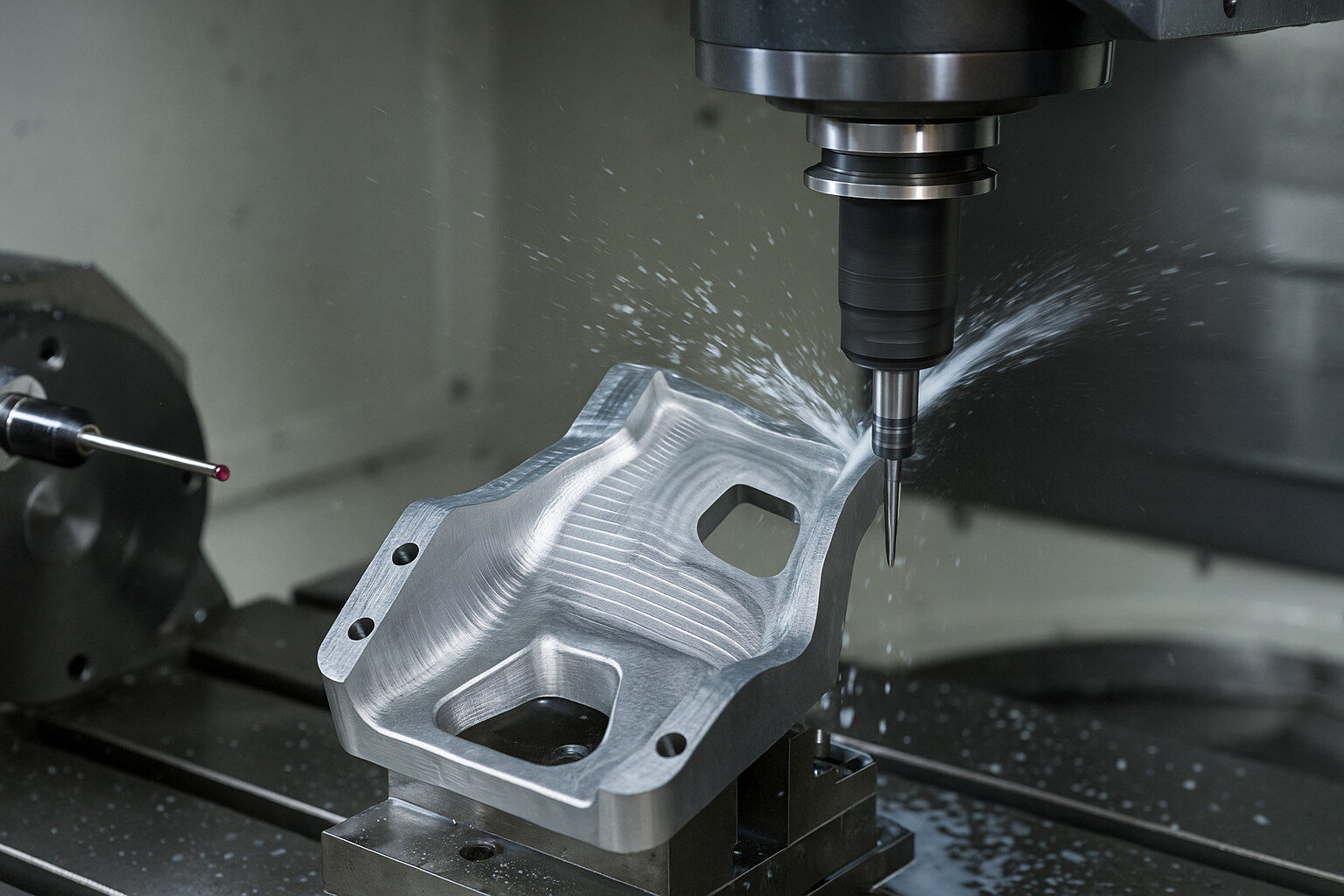
What CNC Milling Delivers for Precision Engineering
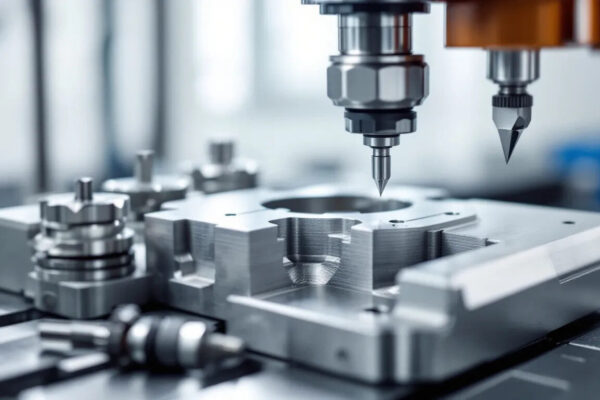
Modern CNC milling systems function as digitally controlled manufacturing platforms for complex geometries. High-speed spindles, thermal compensation, and adaptive toolpaths help maintain dimensional stability over extended production runs.
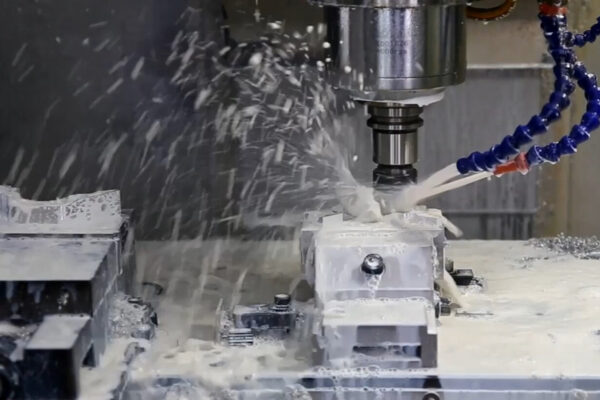
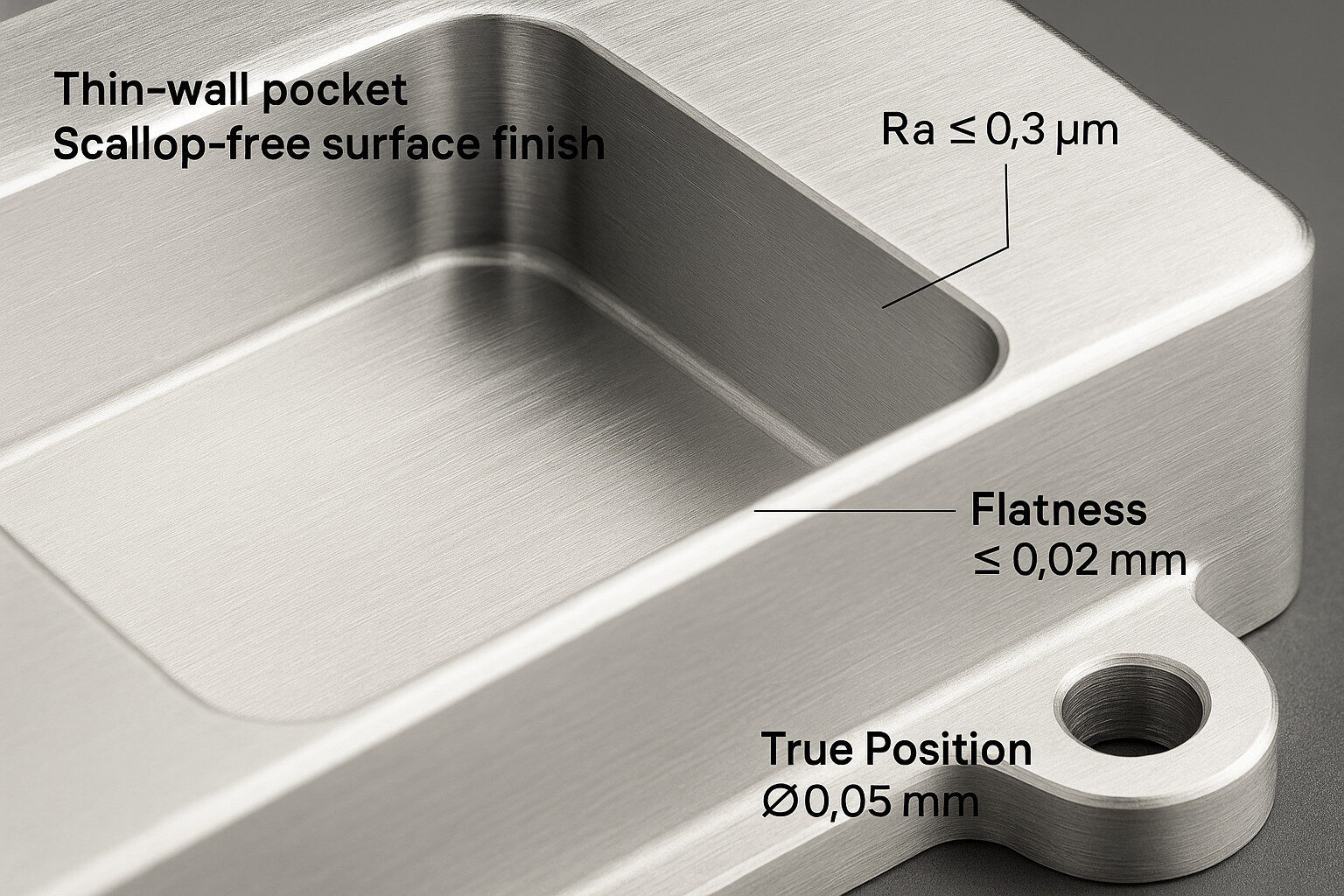
For thin-wall features, modular or vacuum fixturing can reduce vibration, while process-matched coolant strategies support surface integrity. Together, these elements enable precision CNC metal machining suitable for both prototype builds and series production—for example, structural brackets, technical housings, or thermally loaded components.
From RFQ to Production: A Typical High-Precision CNC Machining Flow
DFM & Cost Review
Analysis of tolerance chains, datum strategy, tool access, and technical risks.
Process Planning
Definition of operation sequences, workholding concepts, cutting tools and coatings, and coolant and spindle strategies.
CAM Programming
3+2 or full 5-axis toolpaths, in-process probing routines, and verified chip-load parameters.
First Article Inspection
Dimensional verification via CMM or optical scanning, including ballooned drawings and measurement system evaluation for critical features.
Production Control
Statistical process control checkpoints, tool-life monitoring, and traceable part documentation where required.

Specifying a Precision Machining Part
Successful precision machining starts with a well-defined drawing and data set. Clearly defined primary and secondary datums, functional GD&T, and realistic tolerances improve manufacturability and consistency.
For burr-sensitive features, deburring methods such as micro-deburring or controlled media processes should be specified. If post-processing steps like heat treatment or anodizing are planned, dimensional allowances should be considered early—particularly for bores, threads, and sealing surfaces.
Choosing the Right CNC Machining Partner
The market ranges from specialized local shops to large-scale production facilities. The following criteria can help evaluate potential partners:
References & Delivery Performance
Review lead times, communication quality, and historical delivery reliability.
Capability Fit
Confirm available axis configurations, material experience, and metrology equipment.
Scalability
Assess whether the supplier can transition from prototype volumes to series production without major process changes.
Supply Chain Stability
Understand how tooling, spare parts, and raw material availability are managed.
Quality Systems
Evidence of structured FAI, SPC, and traceability processes is essential for regulated or high-reliability applications.
CNC & Precision: Technology That Supports Repeatability
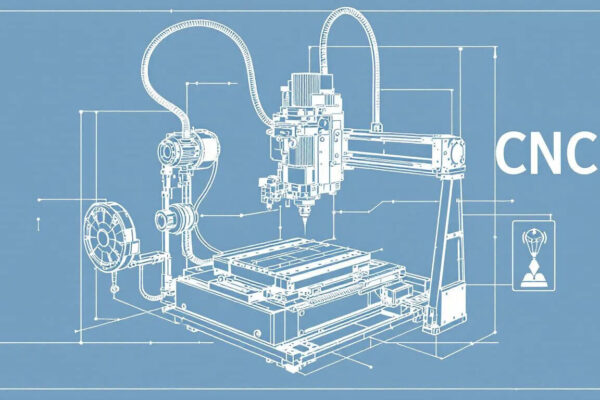
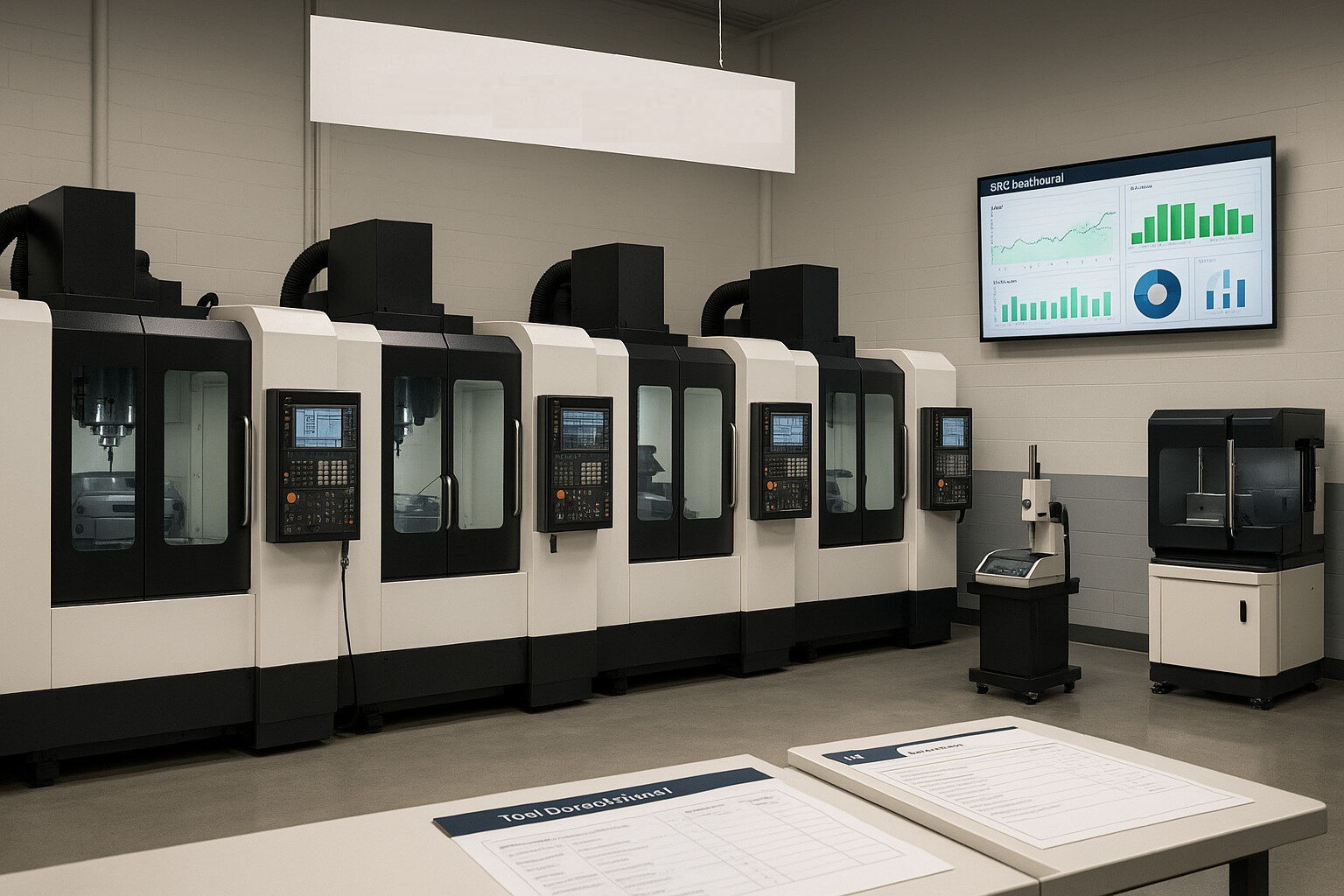
A well-designed machining cell integrates thermal-stable spindles, on-machine probing, tool-life monitoring, and closed-loop inspection processes. Each CNC precision machine is configured for rigidity and process stability, supporting consistent results across defined production windows.
Benchmarking against established industry practices helps maintain alignment with common expectations in precision machining environments.
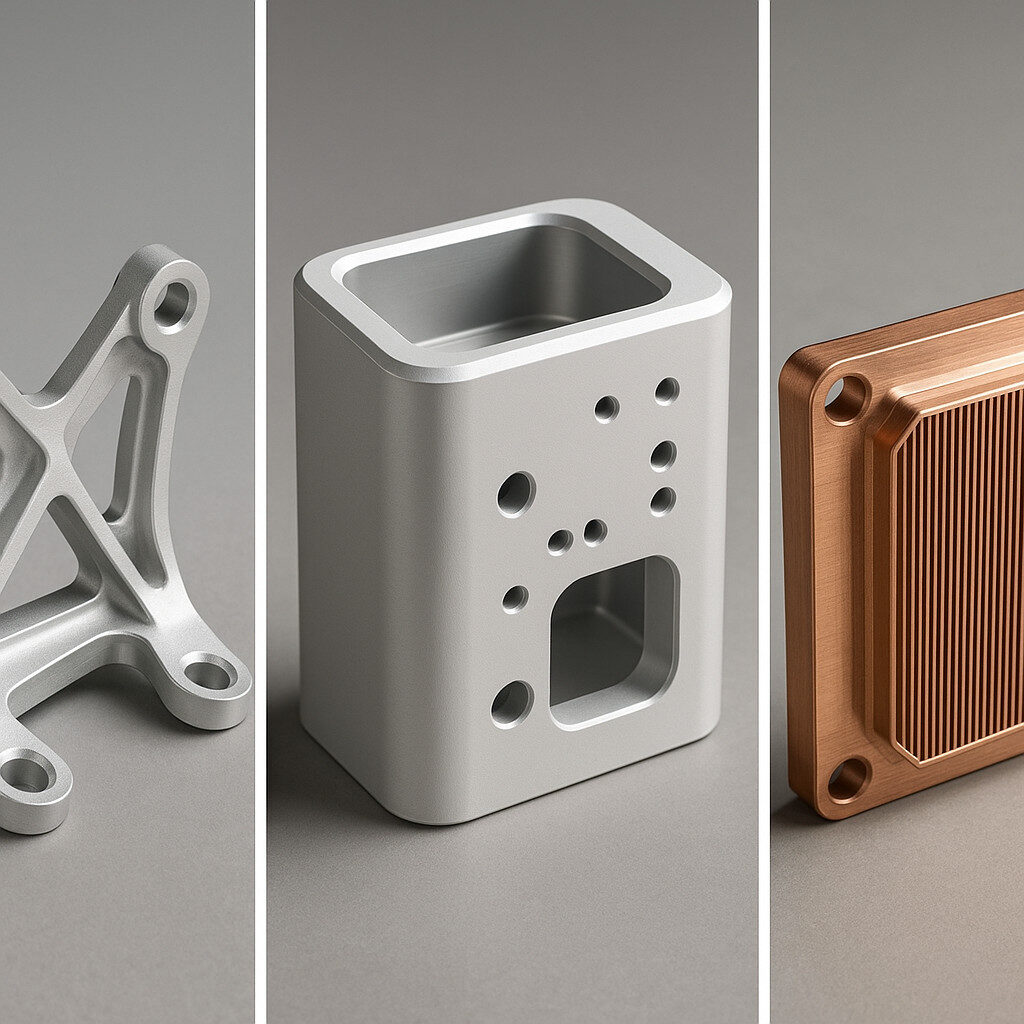
Typical Application Areas
Precision motion systems: Matched components, controlled bores, and kinematic interfaces
Light-weight structures: Pocketed aluminum frames and topology-optimized brackets
Medical housings & fixtures: Controlled edge radii and surface finishes suitable for cleaning requirements
Thermal components: Copper heat spreaders with fine internal features
FAQ: Sourcing & Terminology
Q1. What is the difference between a “precision CNC machining company” and a “CNC precision machining manufacturer”?
A: The terms are often used interchangeably. In practice, some suppliers focus on low-volume, engineering-intensive work, while others emphasize scalable production. Many EMS providers support both, depending on project phase.
Q2. Do you support high-mix or dedicated production lines?
A: Both approaches are common. Flexible machining cells are typically used for prototypes and NPI, while repeat programs may run in more dedicated production lanes.
Q3. Can multiple machining partners be involved in one project?
A: Yes. Co-production with qualified partners is often used to manage capacity, lead times, or specialized processes.
Q4. Can work be split by operation or part family?
A: This is a common approach when additional capacity or specific capabilities are required, provided inspection and documentation requirements are aligned.
Q5. What information is needed for an RFQ?
A: STEP files and PDF drawings with tolerances, inspection requirements, and estimated annual volumes help enable a structured and timely quotation.
Conclusion
TPS Elektronik combines design support, metrology expertise, and controlled production processes to support precision CNC machining requirements across different project stages. For companies evaluating CNC machining suppliers, TPS Elektronik can be considered as part of a structured supplier selection process based on technical fit, quality systems, and production capabilities.